

In the human world, fibermaxxing is having a big moment. For the uninitiated, the concept is simple: it’s all about intentionally increasing the fiber content of your plate by adding foods rich in the nutrient, like whole grains, leafy greens, and legumes. Of course, not every TikTok nutrition trend deserves attention (ahem, the sardine-only diet), but this is one that many experts are genuinely excited about. The more fiber we eat, the more we support a healthy gut microbiome, and in turn, our overall health.
That’s humans. But this is a story about dogs, so why start with human nutrition trends? The answer is straightforward: the canines in our lives aren’t all that dissimilar from us. They’re intelligent, loving, playful, and they also benefit from fiber in their diets. In fact, this nutrient plays an important role in overall canine health.
Just like the human microbiome, the canine microbiome plays a significant role in immune function and digestion. When the bacteria and other microorganisms are not in a healthy balance, this can contribute to a range of health issues, including diarrhea, constipation, and even skin conditions. So if your dog is constantly itching, the root cause might not be their shampoo—it could be their gut.
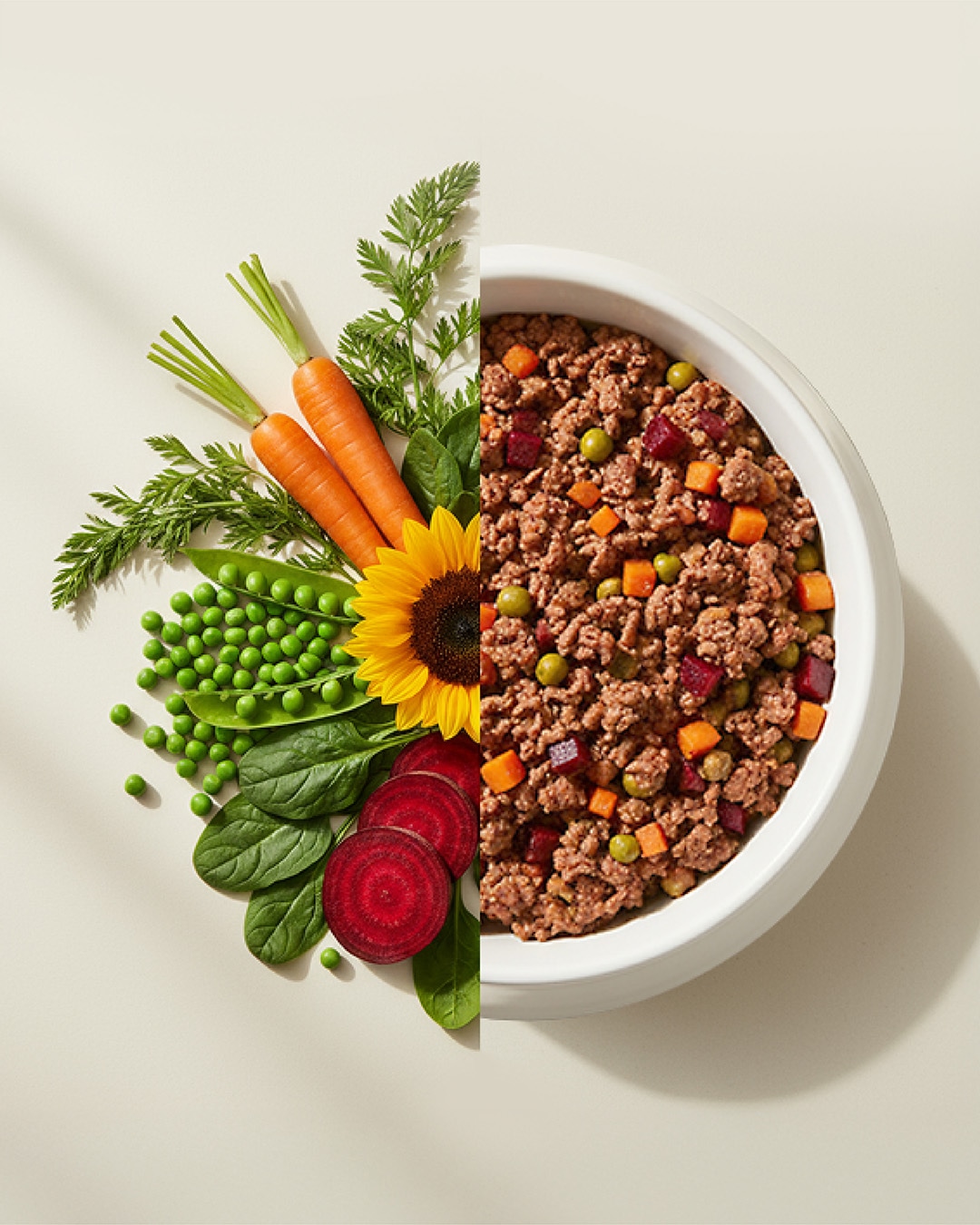 PawCo’s dog food is made with fresh, minimally processed, fiber-rich plant-based ingredients. | PawCo
Some plant-based dog food brands, such as San Francisco-based PawCo, emphasize fiber-dense ingredients as a way to support this gut balance. According to Mahsa Vazin, PhD, founder and CEO of PawCo, many customers report improvements in digestion and reduced itching after switching to PawCo’s fresh, vegan food. And while individual results may vary, these kinds of outcomes are increasingly reflected in emerging research.
“Allergies, digestion problems, or weight concerns often push people to try something different. Plant-based diets are often perceived as cleaner or easier on sensitive dogs.” —Mahsa Vazin, PhD
Can dogs really be vegan?
An increasing body of research suggests that, yes, dogs can thrive on a well-balanced, carefully formulated plant-based diet. Unlike cats, which are obligate carnivores, dogs are omnivores. That means that, just like us, they can derive nutrients from both animal and plant sources.
This isn’t just theoretical. In 2024, a study of more than 2,500 dogs conducted by the University of Winchester found that dogs fed a vegan diet showed fewer signs of poor health and required fewer veterinary visits and medical intervention. Another study published two years earlier in Archives of Clinical and Biomedical Research reported that many dogs with gastrointestinal issues experienced improved stool consistency on plant-based diets, while others saw improvements in skin conditions like dandruff.
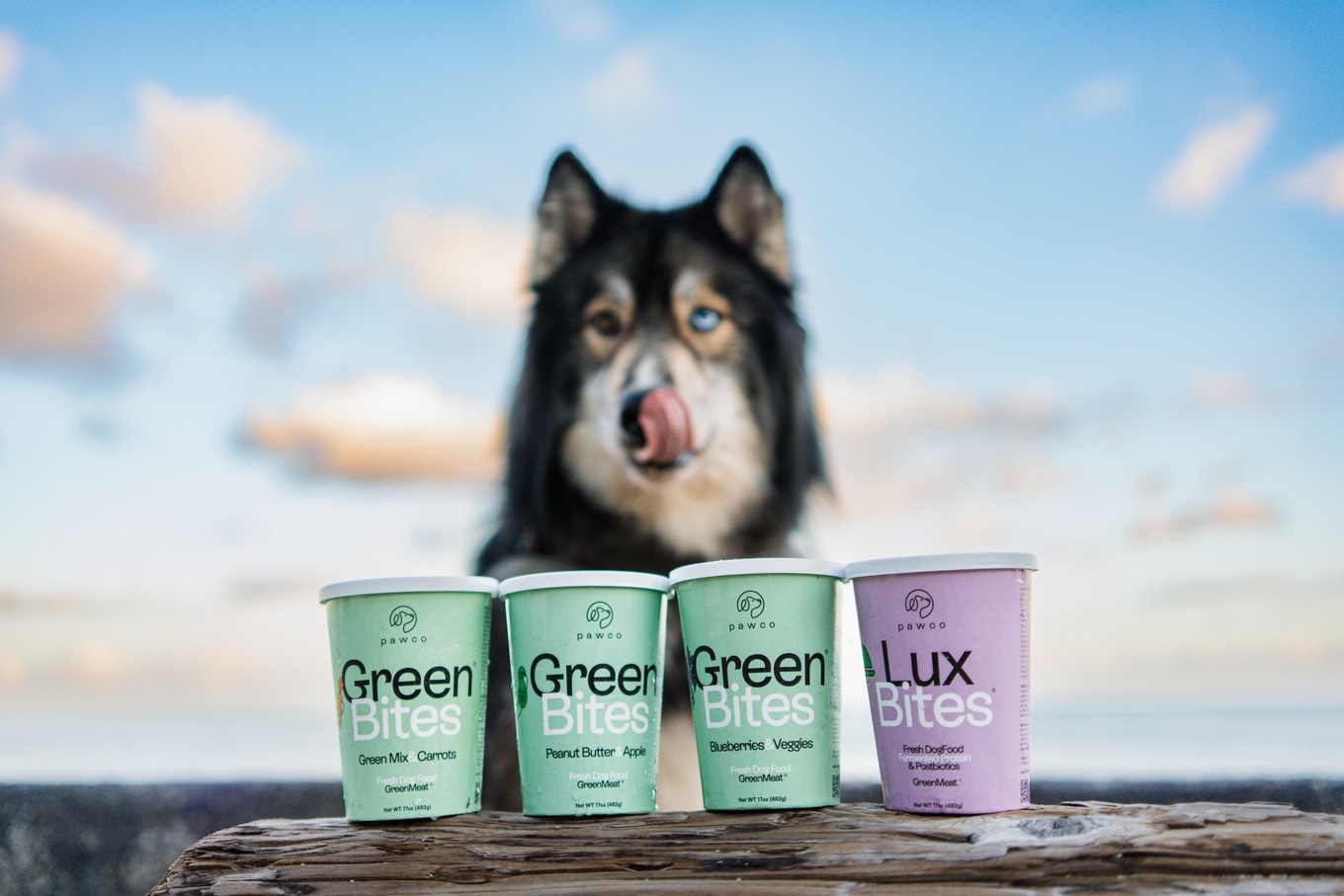 PawCo’s food can be given as a complete meal or a topper, depending on your preference. | PawCo
For Vazin, these findings mirror what she and her team often observe from their customers. “A customer comes in skeptical, usually after trying multiple traditional foods for a dog with chronic issues, like skin allergies or digestive problems, and they don’t expect much,” she tells VegNews.
“But after a few weeks, they see a noticeable change. Many of these customers start out doubtful, and then become some of the strongest advocates for plant-based dog food. Skepticism is moving from ‘Is this possible?’ to ‘Which products actually do this well?’”
Why plant-based foods benefit canine health
Let’s bring it back to humans for a moment. Diets high in ultra-processed foods have been linked to a range of health concerns, from cardiovascular disease to cognitive decline. While balance is key, many nutrition experts recommend prioritizing minimally processed, plant-rich foods to support overall well-being.
A similar idea is gaining traction in pet nutrition. While dogs aren’t typically eating fast food or candy, many rely on heavily processed, meat-based kibble. Some emerging research suggests that these types of diets may be associated with digestive issues and weight gain in dogs, although more research is still needed.
There is even evidence to suggest that some dog food might contain meat meal, which is basically the leftover animal parts that aren’t usually consumed by Americans, like hair, hide, horns, blood, and beaks.
Plant-based diets, on the other hand, are free of these ingredients, and they also tend to be rich in fiber, which is where much of the benefit lies. Fiber helps feed beneficial gut bacteria, which in turn produce compounds that support digestion, regulate inflammation, and contribute to immune health. Ingredients like vegetables, legumes, and whole grains can also help promote healthy stool consistency, steady energy levels, and satiety.
 Just like with humans, food can have a big impact on a dog’s overall health and well-being. | VegNews
This growing understanding is one reason more pet parents are exploring plant-based options. “Plant-based dog food used to be mostly driven by strict vegans,” says Vazin. “Today, we’re seeing a much wider audience: flexitarians, sustainability-minded pet parents, and people exploring alternatives for health reasons. That mirrors what’s happening in human food. Plant-based has gone mainstream, and pet food is following that curve.”
PawCo is leaning into this approach with recipes built around fiber-rich whole foods, including vegetables, legumes, and grains, alongside added prebiotics, probiotics, and postbiotics to support gut health. The company’s products are formulated to meet—and exceed—standards set by The Association of American Feed Control Officials, ensuring dogs receive all essential nutrients.
On the fence? Embrace a flexitarian approach
The plant-based dog food market is growing quickly. According to Vazin, the category has seen “double-digit growth in recent years,” driven by a broader range of consumers exploring alternatives for health and sustainability reasons.
For many pet parents, however, switching to a fully vegan diet for their dog can feel like a big leap. After all, the long-standing narrative has been that meat is best. But, as Vazin notes, that conversation is starting to evolve.
“Early on, the skepticism was very binary: ‘Dogs can’t be vegan.’ Now the conversation is more nuanced,” explains Vazin. “People are asking better questions about formulation, nutrients, and science rather than dismissing it.”
For those who are curious but cautious, a flexitarian approach can be a practical starting point. Incorporating plant-based toppers or treats alongside a dog’s existing food allows for a gradual transition while still introducing the benefits of fiber-rich ingredients.
This is why PawCo offers products that can function as either complete meals or additions to existing diets. Starting small and transitioning gradually can help dogs adjust more comfortably to new ingredients and textures.
Vazin also points out that this mirrors a broader shift in human eating habits. In general, people are aware they need to eat more fiber-rich, sustainable foods while moving away from processed meats. “Many customers are already reducing meat in their own diets and want to align their pet’s footprint with their values,” she says. “Treats or toppers are often the gateway.”
 PawCo consistently gets positive feedback from pet parents who have switched to its fresh dog food. | VegNews
The environmental benefits of plant-based dog food
The environmental impact is another growing consideration.
Research from universities including the University of Edinburgh and the University of Exeter suggests that dogs fed meat-heavy diets can have a significant carbon footprint, sometimes comparable to that of humans. Research published in PLOS One also estimates that pet food accounts for a substantial share of the environmental impact of meat production.
Plant-based alternatives, which rely on crops rather than animal agriculture, offer a lower-impact option. According to veterinary professor Andrew Knight, a global shift toward plant-based diets for dogs could result in meaningful reductions in greenhouse gas emissions. In fact, it could save around 0.57 gigatonnes of carbon dioxide from entering the atmosphere every year. To put that into context, that’s more carbon dioxide than the entirety of the United Kingdom produced in 2023.
So for pet parents weighing up their options, the appeal of plant-based dog food isn’t just about nutrition; it’s also about sustainability and values.
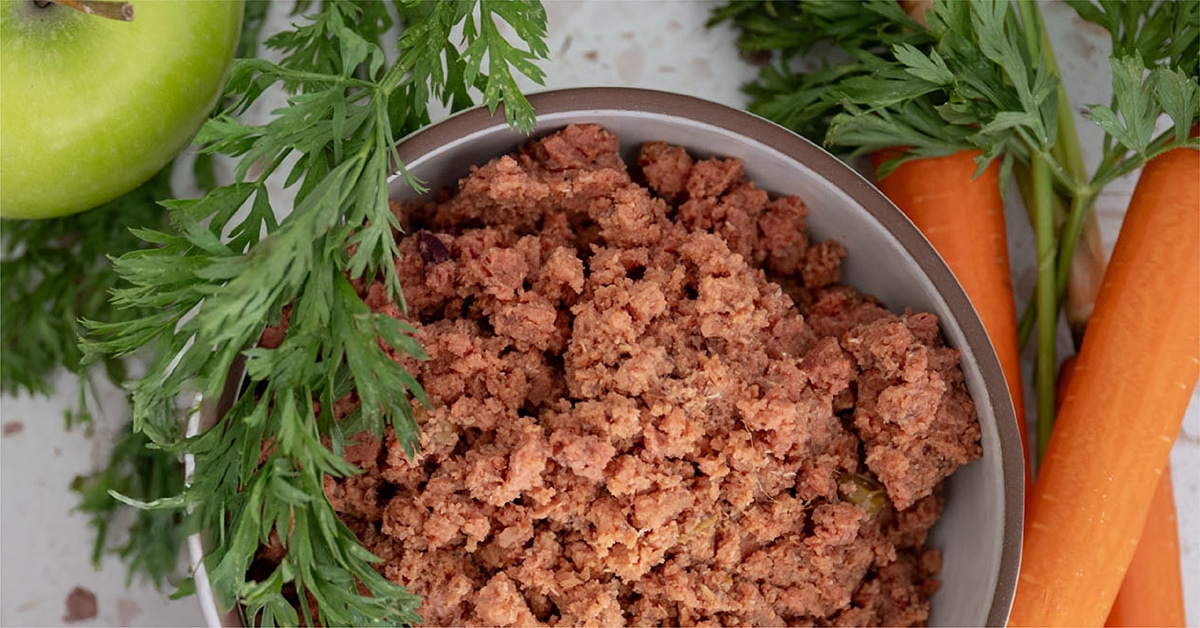 PawCo isn’t just nutritious, it’s also a more sustainable option, too. | VegNews
Another reason to feed your dog plants? Your peace of mind
Dogs aren’t just our companions, they’re part of the family. In 2023, a YouGov poll revealed that 93 percent of Americans who live with companion animals feel this way. On top of this, nearly 40 percent said they think of themselves as a parent to their animal, while around 34 percent said they felt they were their dog’s best friend.
For some, switching to plant-based options brings an added sense of reassurance.
“Customers often say they feel better about what they’re feeding,” says Vazin. “There’s an emotional benefit alongside the physical one. PawCo conversion stories are powerful because they mirror the broader journey of the category itself.”
Many customers report that their dogs have shinier coats, improved energy, and better overall health after switching to PawCo. As one reviewer noted, their dog’s coat became noticeably more “lustrous” within weeks. Others say the transition to fresh, plant-based food has helped address specific concerns, such as nutrient imbalances or digestive issues.
Because of success stories like this, Vazin believes the plant-based dog food category is approaching a tipping point, as more consumers look for healthier and more sustainable options for their companion animals.
“Right now, it’s still a niche,” she says, “but it’s a fast-growing and strategically important one. Plant-based pet food is projected to grow into a multi-billion-dollar global market this decade, driven by sustainability, pet humanization, and better product innovation.”
Thank you to PawCo for partnering with VegNews on this story.
For more plant-based stories like this, read:
JUMP TO ... Latest News | Recipes | Guides | Health | Subscribe

Charlotte is a VegNews editor and writer based in sunny Southsea on England's southern coast.