When Daniel Humm announced that Eleven Madison Park would return to serving animals, I was deeply disappointed. I felt we had lost an ally. Here was a chef who had demonstrated that a restaurant could maintain three Michelin stars while cooking entirely without animals, challenging the long-held belief that great gastronomy must revolve around meat, fish, foie gras, and caviar.
But at the end of September, I came across a photograph published on Eleven Madison Park’s official Instagram account, proudly presenting a dish described as “Black Truffle & Foie Gras Stuffed Chicken, from our current menu.”
“Les bras m’en tombent,” as we say in French. I could hardly believe what I was seeing.
There is an enormous difference between returning animal products to a menu and actively promoting foie gras as an object of desire.
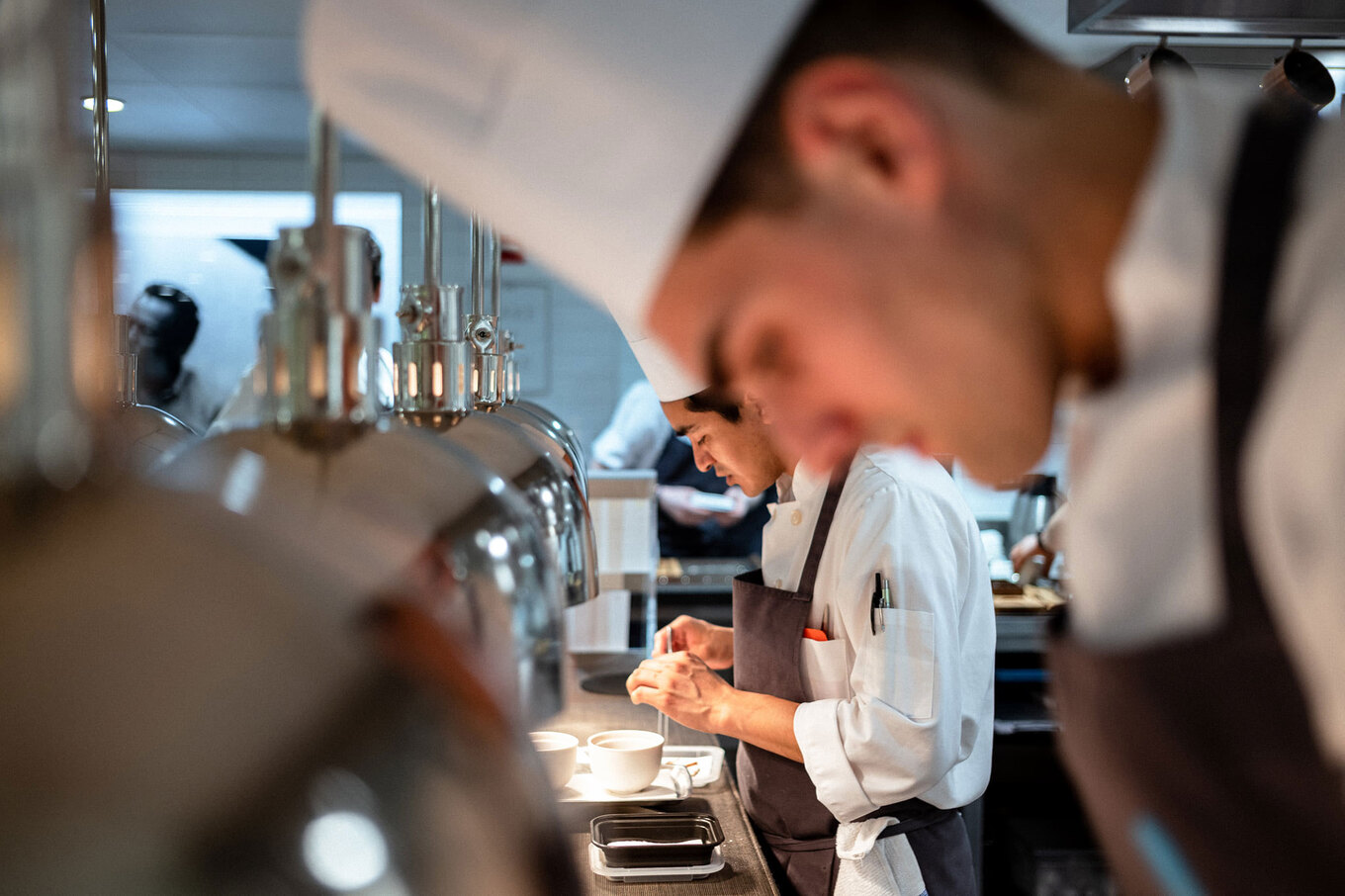 Eleven Madison Park
Why Eleven Madison Park’s reversal on animal products is so disappointing
What makes this particularly difficult to understand is that in July 2024, Daniel Humm himself told Food & Wine: “Caviar, Kobe beef, foie gras is from a different time.” It was an important statement from a chef of his standing, suggesting that gastronomy was finally beginning to reconsider the ingredients that had defined luxury for generations. In September 2023, he had also told TIME: “We’re not saying anti-meat, but we’re saying pro-planet,” arguing that reducing our consumption of animal protein was necessary.
And yet, in October 2026, his new restaurant, HUMM, prominently features a bagel generously filled with caviar on its website, while Eleven Madison Park promotes chicken stuffed with foie gras. The very ingredients he once suggested belonged to another time have become part of the promotional identity of his restaurants.
So what has changed? Has our understanding of animal suffering changed? Have these products suddenly become more ethical? Or have the commercial expectations of fine dining simply proved stronger than the ideas he once championed?
These questions matter because Daniel Humm is not just another chef. He is one of the most influential figures in international gastronomy, and his decisions are watched, studied, and celebrated by chefs, restaurant owners, and food critics around the world.
When Eleven Madison Park became plant-based, it sent an extraordinary message: the highest level of gastronomy could exist without animals. His achievement challenged decades of assumptions about what luxury dining should look like, encouraging others to question their own practices. Now I fear that the opposite message is being sent.
Imagine a young chef beginning to question whether foie gras still belongs on a modern menu, or a head chef trying to convince a restaurant owner that there is another way. What are they supposed to think when Eleven Madison Park proudly advertises foie gras? And how reassuring must this reversal be for those who have never wanted to change, who insist that foie gras is part of our heritage and that luxury dining cannot exist without it?
This is the real danger: not simply that Daniel Humm has returned to serving animals, but that his influence may help legitimize practices that gastronomy should be moving beyond.
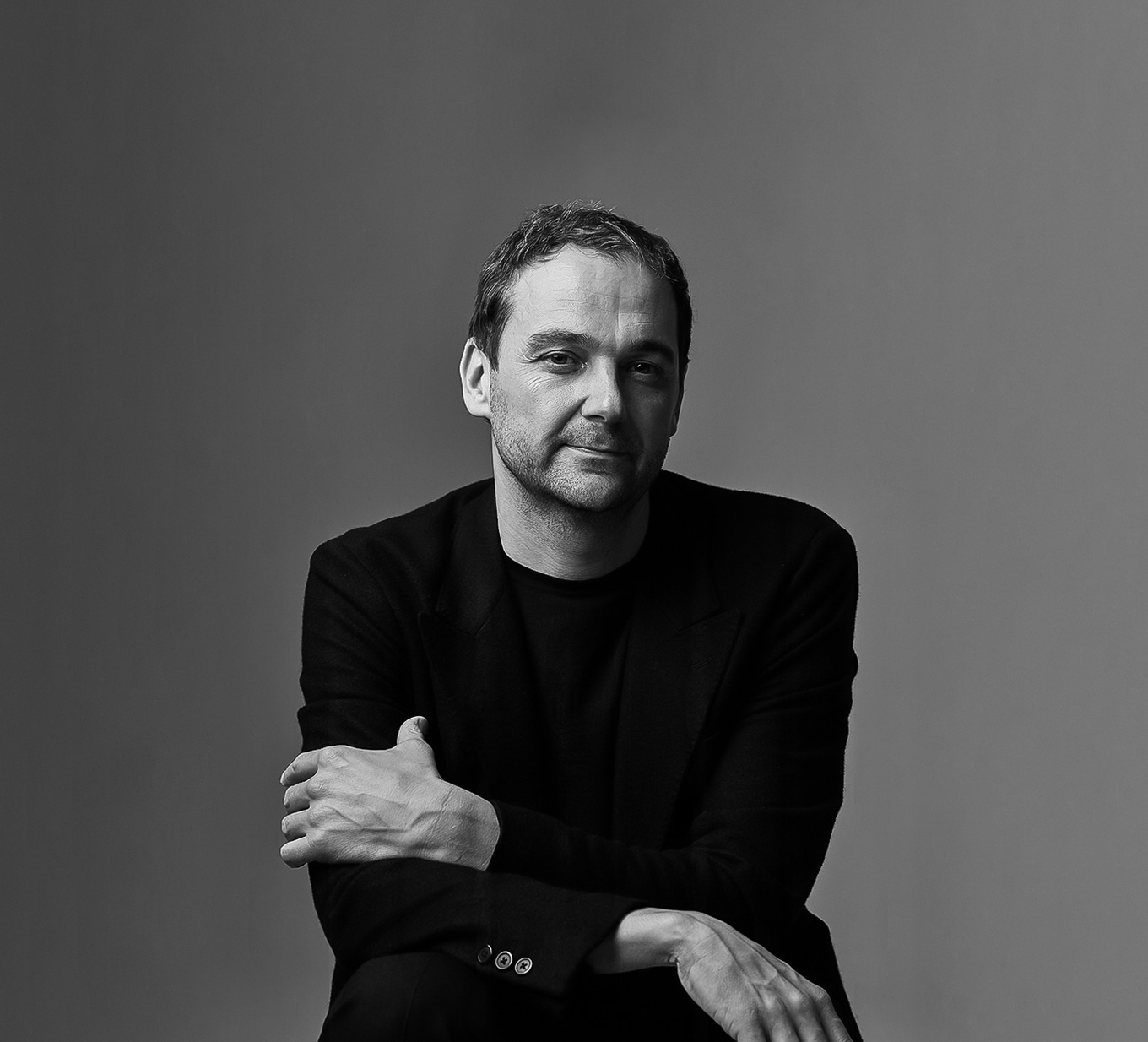 Instagram | Craig McDean
What Daniel Humm’s return to meat means (and doesn’t mean)
Food critics also have a responsibility here. It would be easy to interpret his reversal as evidence that plant-based fine dining has reached its limits, when Eleven Madison Park’s earlier success demonstrated precisely the opposite. A chef changing his menu does not mean that cooking without animals has failed; it means that a chef has made a different choice. Yet the way that choice is celebrated risks reinforcing the idea that gastronomy is incapable of escaping its past.
There is something profoundly contradictory about a profession that celebrates innovation while remaining so attached to ingredients inherited from another era. We praise chefs for reinventing techniques, discovering new textures and challenging culinary conventions, yet when it comes to foie gras, tradition is still so often used as justification.
Why should the suffering involved in producing an ingredient become acceptable simply because generations of chefs have considered it prestigious? Surely a profession that prides itself on creativity should be capable of imagining luxury without cruelty.
I understand that restaurants are businesses, that they face commercial pressures and that Eleven Madison Park continues to offer plant-based cooking. Daniel has argued that bringing animal products back can introduce more guests to vegetable-focused cuisine, and I recognize the reasoning behind that position. But there is a fundamental difference between accommodating diners who want meat and actively using foie gras to promote a restaurant. An advertisement is not neutral: it celebrates a product, creates desire, and gives it legitimacy. When that message comes from a restaurant with Eleven Madison Park’s reputation, it carries considerable authority.
And with influence comes responsibility. The greatest chefs do more than feed their guests; they help define what the next generation considers beautiful, desirable, and acceptable. Daniel Humm once helped demonstrate that the future of fine dining did not have to depend on animals, which makes seeing his restaurants celebrate foie gras and caviar particularly disappointing.
I am disillusioned, but I refuse to believe that gastronomy must remain a prisoner of its traditions.
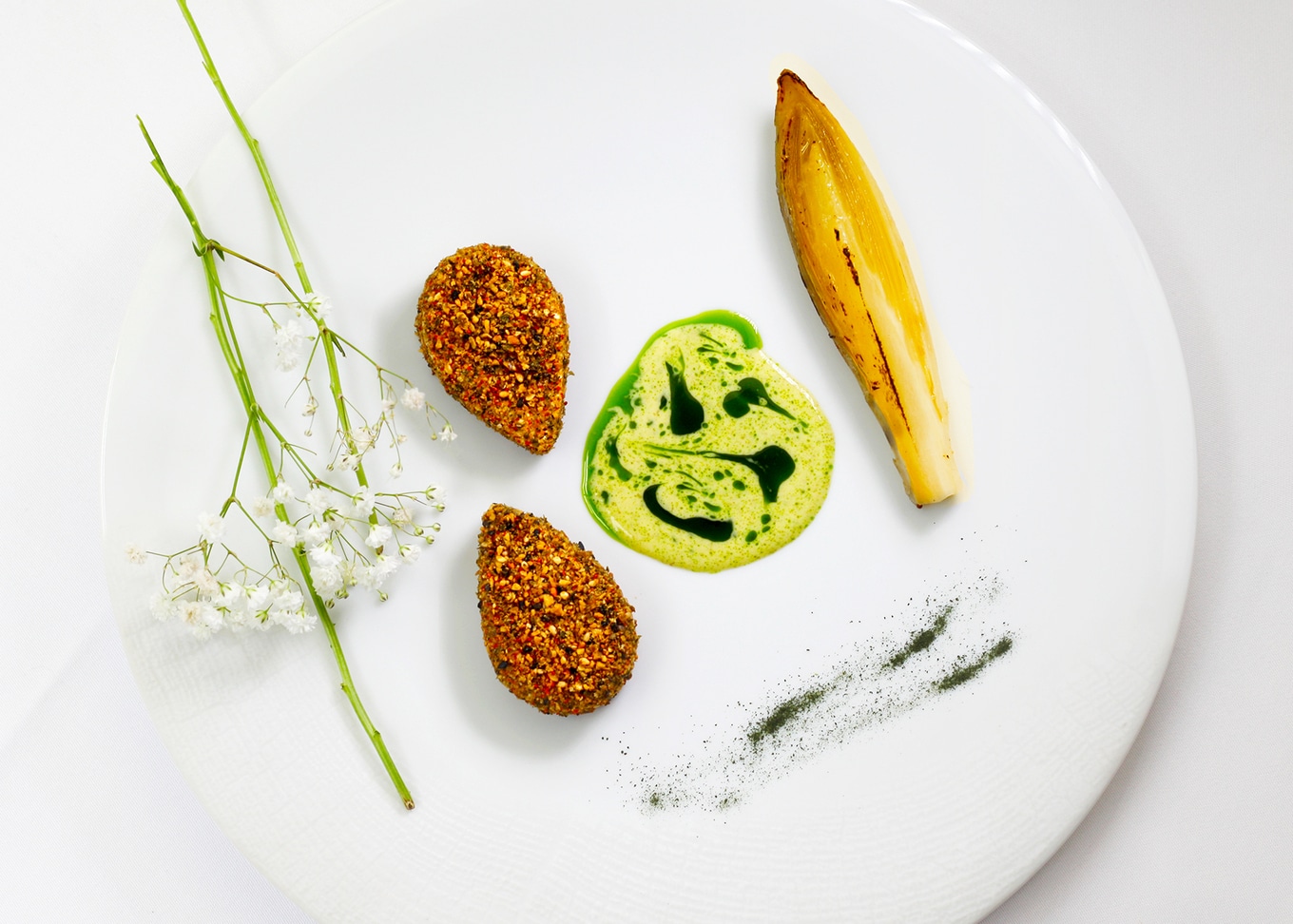 Gauthier Soho
Progress should mean more than inventing new dishes, developing new techniques or finding new ways to impress wealthy customers. It should also mean questioning the consequences of what we put on a plate and recognizing that culinary excellence cannot be measured solely by the pleasure of those eating it.
For the animals, nothing has changed. And for those of us who believe gastronomy can and must progress, the fight continues.
Republished with permission from Chef Alexis Gauthier’s Substack
For more plant-based stories like this, read:
JUMP TO ... Latest News | Recipes | Guides | Health | Subscribe

Alexis Gauthier is a multi-award-winning French chef and owner of the famed fine-dining plant-based restaurant Gauthier Soho.