


Like many Middle Eastern cuisines, Palestinian food has a rich plant-forward history. Extra-virgin olive oil, fresh seasonal vegetables, and spices made with locally sourced herbs and berries are cornerstones of its rich, vibrant, and flavorful dishes. But food is about more than taste. It is also a powerful way to preserve identity, history, and tradition.
And this preservation couldn’t be more vital right now. Israel’s siege in Gaza—where Palestinians are facing a catastrophic humanitarian crisis and what independent human rights organizations and experts call a genocide—is leaving communities ravaged.
On the food front alone, farms, businesses, and foodways have been disrupted and destroyed, with only a reported 1.5 percent of the region’s cropland remaining accessible and undamaged, according to the UN.
By choosing Palestinian foods sourced directly from Palestinian farmers and producers, consumers can help preserve this unique culinary culture for generations to come.
Below, we’ve gathered some of our favorite Palestinian food brands, offering everything from premium olive oil and authentic za’atar to sumac and more.
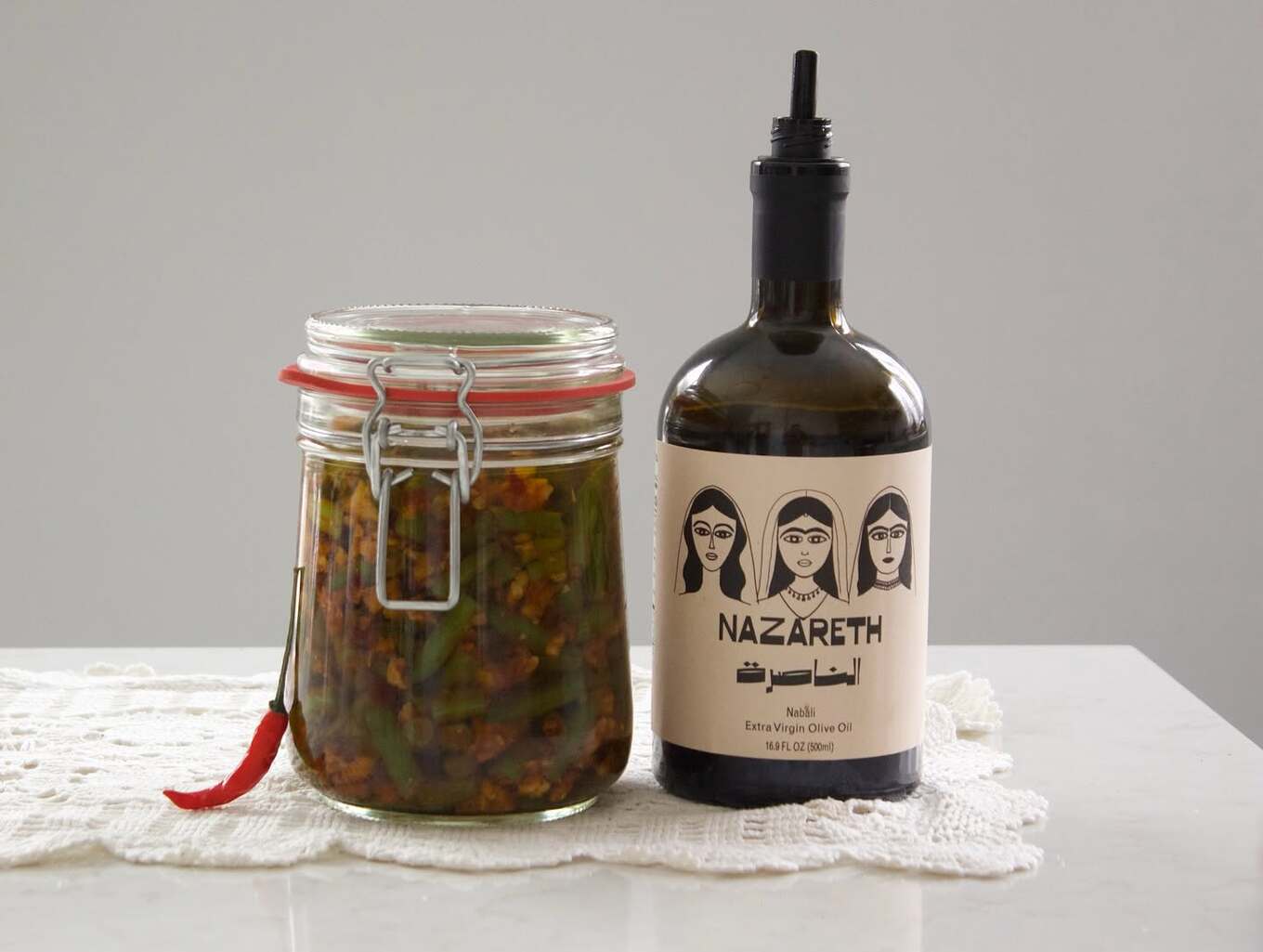 Olive Odyssey
1 Olive Odyssey protects Palestinian harvesting methods
Through its selection of premium organic olive oils, Olive Odyssey is committed to supporting olive farmers across Palestine. In fact, its website reads: “Our mission is simple yet profound: to tell the story of the Palestinian people through the medium of olive oil.”
In 2025, for example, the company collaborated with Shireen Najjar, an olive farmer from Burin and one of the country’s few women farmers. It also partnered with Al-Rahman Oudi, a farmer from the village of Bazariya. Both are committed to preserving traditional Palestinian harvesting and processing methods.
Olive Odyssey also worked with Nassar Darawshi, who produces organic olive oil in Nazareth using rain-fed, hand-picked olives.
Try it in a recipe: Herbed Beans Marbella With Roasted Potatoes
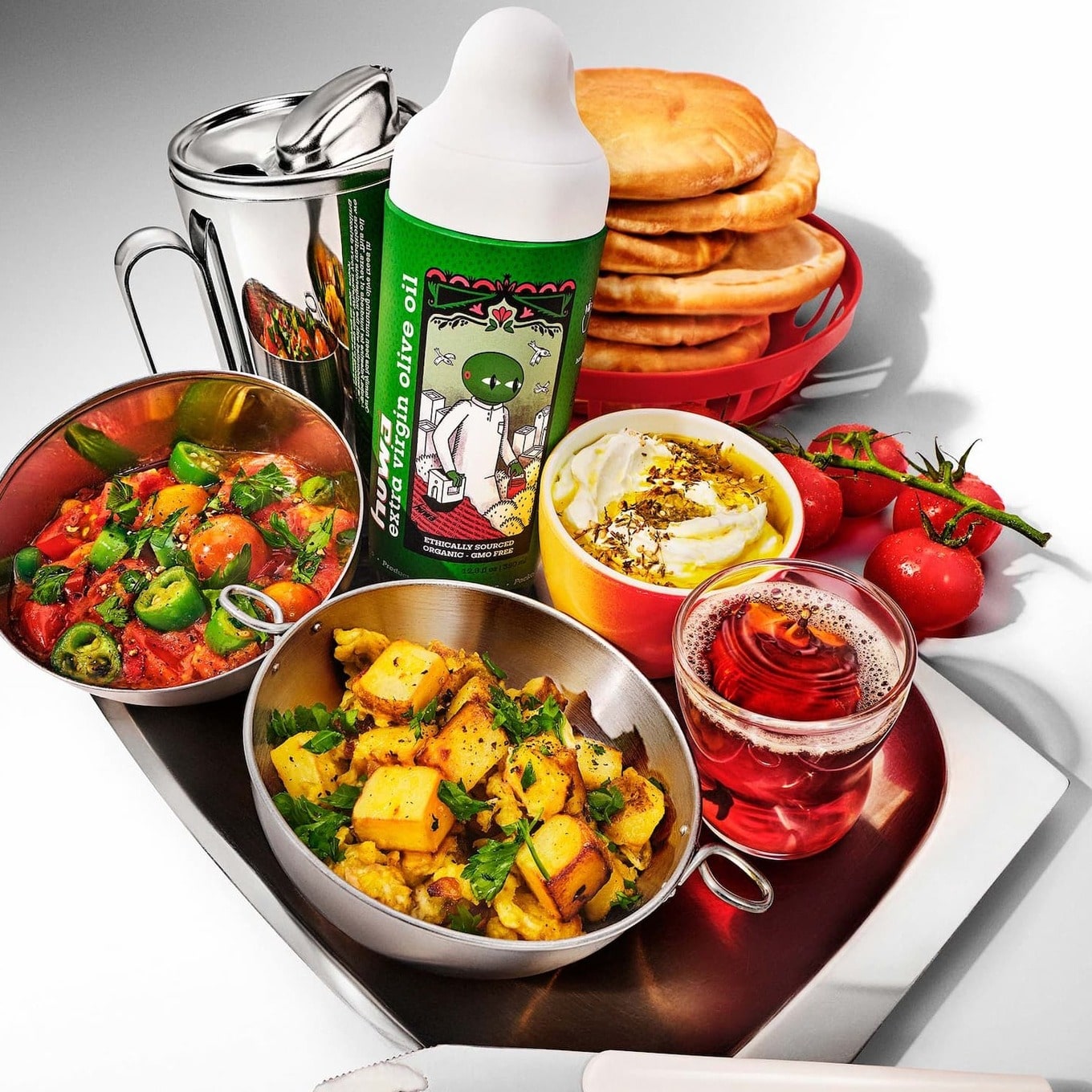 Huwa
Huwa
2 Huwa’s olive oil is cold-pressed, organic, and squeezable
Huwa is also committed to preserving Indigenous olive-harvesting methods in Palestine; its olive oil is organic, cold-pressed, rain-fed, and produced without chemicals. Like Olive Odyssey, the Palestinian brand is dedicated to supporting local farmers and claims to pay its workers three times as much as “Big Oil.”
Another selling point is Huwa’s squeezable packaging, which makes it easy to drizzle its smooth extra-virgin olive oil over salads, pizzas, pasta, and more.
Try it in a recipe: Roasted Potato Zucchini Pizza Topped With Arugula
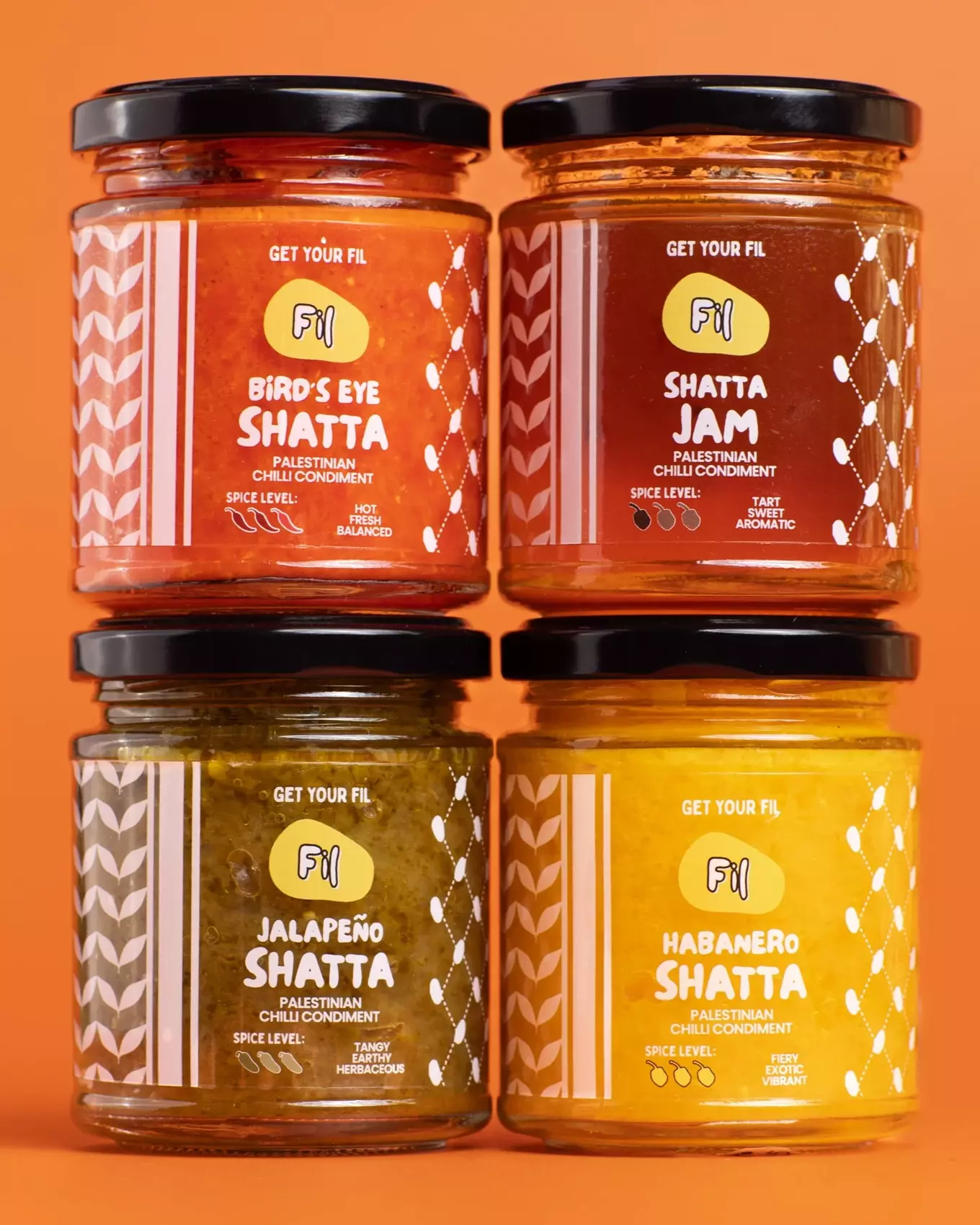 Fil
Fil
3Fil’s traditional shatta is your new go-to hot sauce
If you love hot sauce but have yet to try shatta, let this be your sign. The traditional Palestinian fermented chili sauce, known for its bold, fiery flavor, is made with four simple ingredients: crushed chilis, salt, garlic, and extra-virgin olive oil.
Fil, a UK-based Palestinian-owned brand, offers several takes on the traditional condiment, including Shatta Jam, Habanero Shatta, and Bird’s Eye Shatta.
Try it in a recipe: Charred Mediterranean Falafel Burger
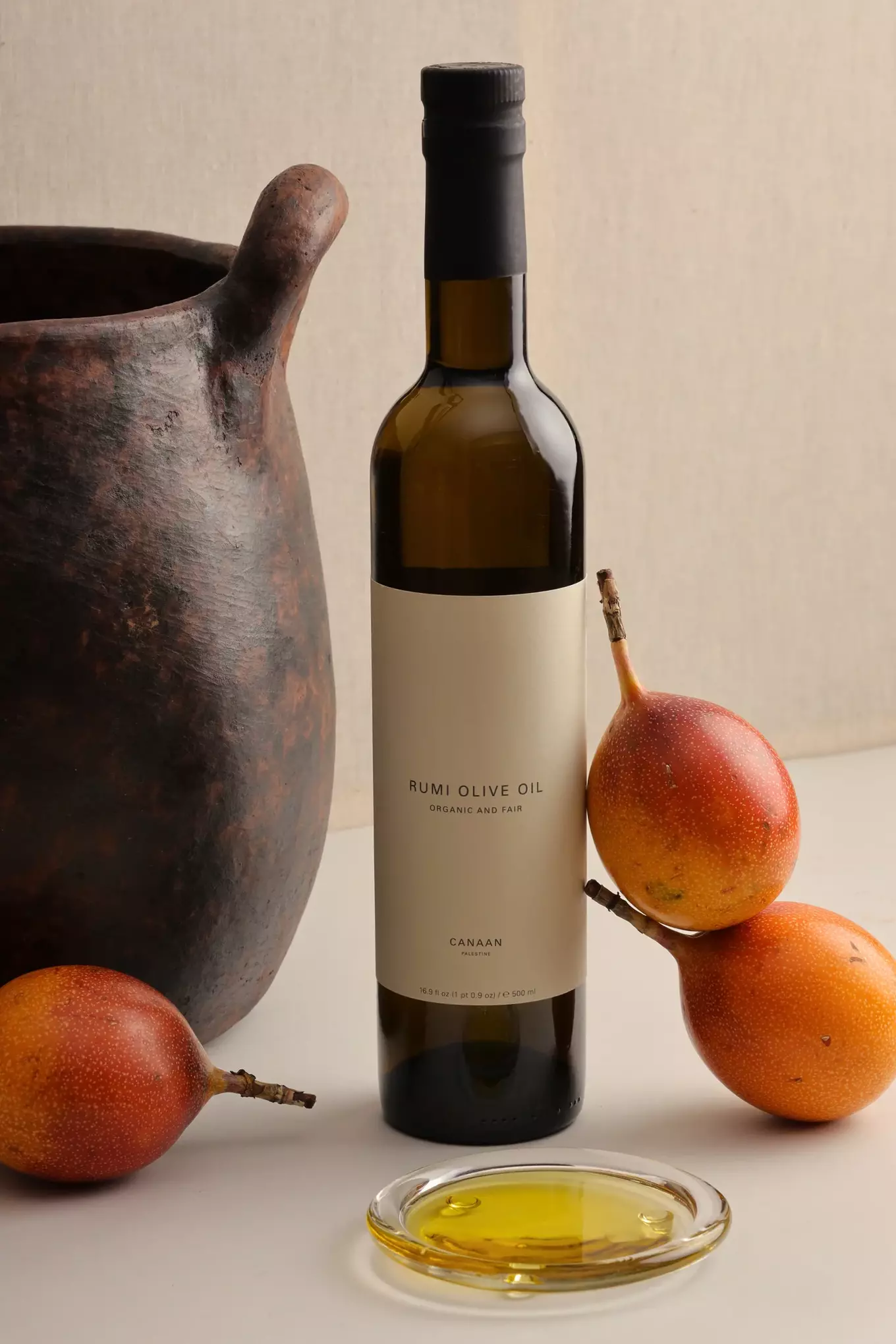 Canaan
4 Canaan is strongly connected to olive oil’s Palestinian heritage
Olive oil has been produced in Palestine for more than 6,000 years, so it’s no surprise that many Palestinian-owned brands are dedicated to preserving this tradition. Nasser Abufarha, originally from Jenin, Palestine, and now based in the US, founded Canaan to help carry that legacy forward.
He describes his vision as “a living system where agriculture becomes a bridge, offering the world not just sustenance, but a model of harmony, resilience, and hope.”
Canaan partners with thousands of farmers across Palestine to produce signature varieties like Jenin Olive Oil, Rumi Olive Oil, and Nabali Olive Oil. The brand also offers pantry staples such as za’atar and freekeh, as well as flavored olive oils and tapenades.
Try it in a recipe: Vegan Shaved Brussels Sprouts With Za’atar, Lemon, and Pine Nuts
 Watany
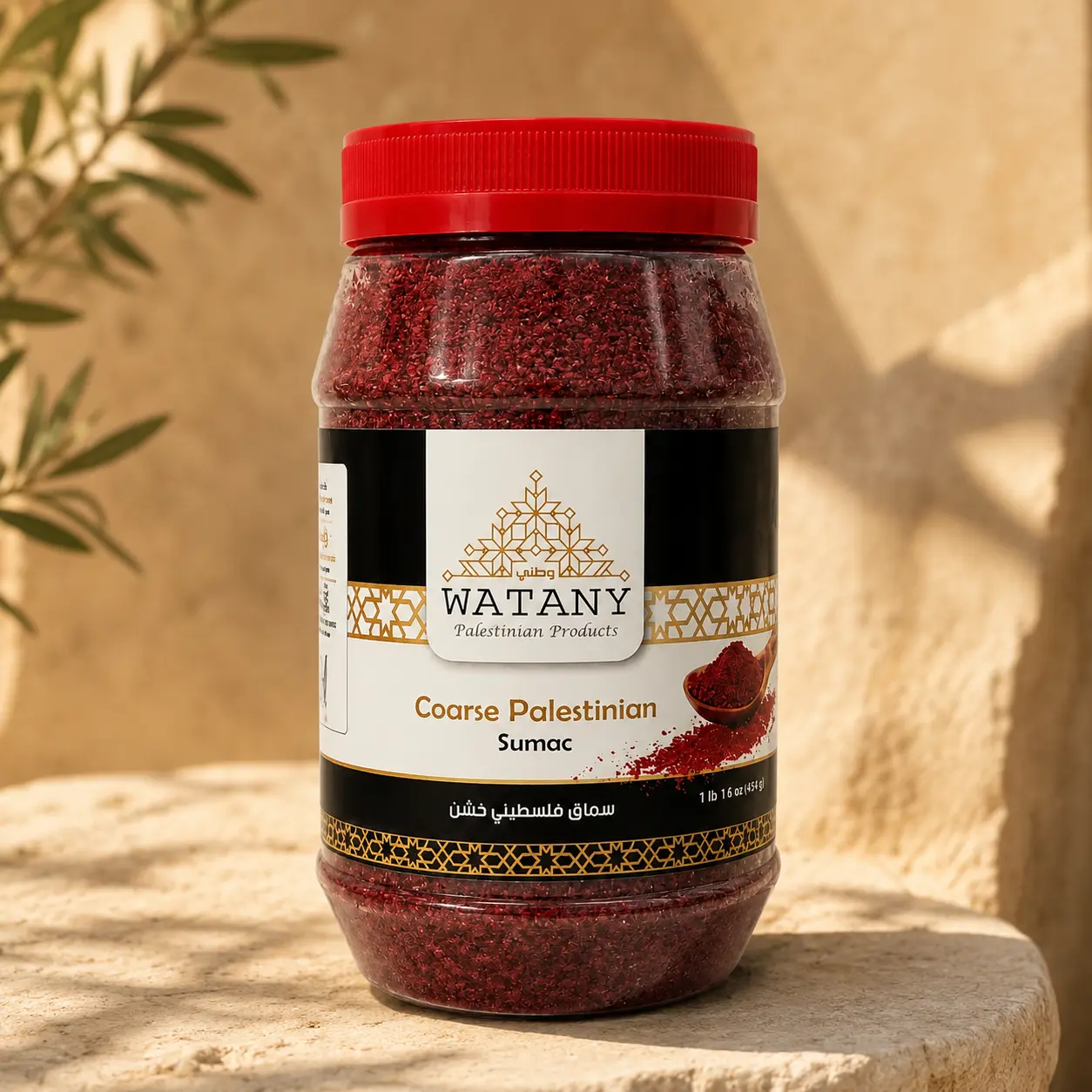
5Watany’s sumac is made with hand-harvested Palestinian berries
Watany, run by the Canada-based Palestinian Jamil family, is on a mission to support Palestinian producers by sourcing goods from Palestine and shipping them to customers across North America.
The company offers a wide range of products, including olive oil, olives, and spices, including sumac. The latter is made from hand-harvested Palestinian berries, dried and ground into a bright red spice with a tangy, citrusy flavor. You can use it in stews, fattoush, dips, and musakhan, a traditional Palestinian roast chicken dish that can also be made plant-based with ingredients like cauliflower or mushrooms.
Try it in a recipe: Glazed Vegan Honeynut Squash With Mint and Feta
 Al’ard
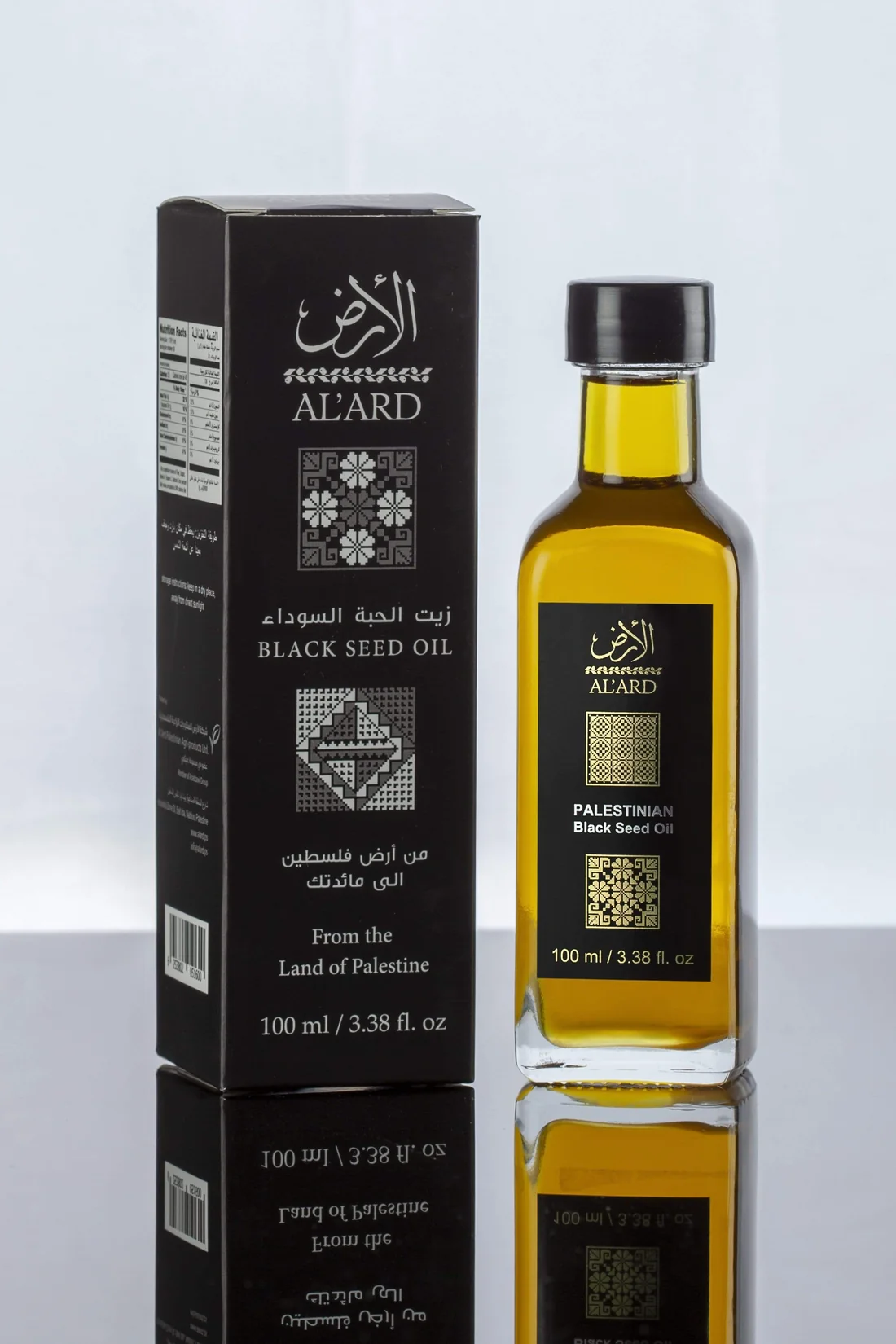
6Al’ard is building a ‘Palestinian ecosystem’
Like Watany, Al’Ard aims to connect Palestinian food traditions with a wider audience by sourcing high-quality products from Palestine and bringing them to global markets. “Today, Al’Ard serves as an anchor for a wider Palestinian ecosystem,” its website states.
The Nablus-based brand specializes in premium, fair-trade olive oil, but it is also known for its za’atar, made with wild thyme and sumac harvested from the hills of Palestine.
Another way to support Palestinian farmers is through Zatoun’s Trees for Palestine initiative. Each sponsorship provides three new olive tree saplings to farmers across Palestine, because, according to the brand, “olive trees are symbols of heritage, rootedness, and resilience.”
Try it in a recipe: Homemade Harissa Sauce
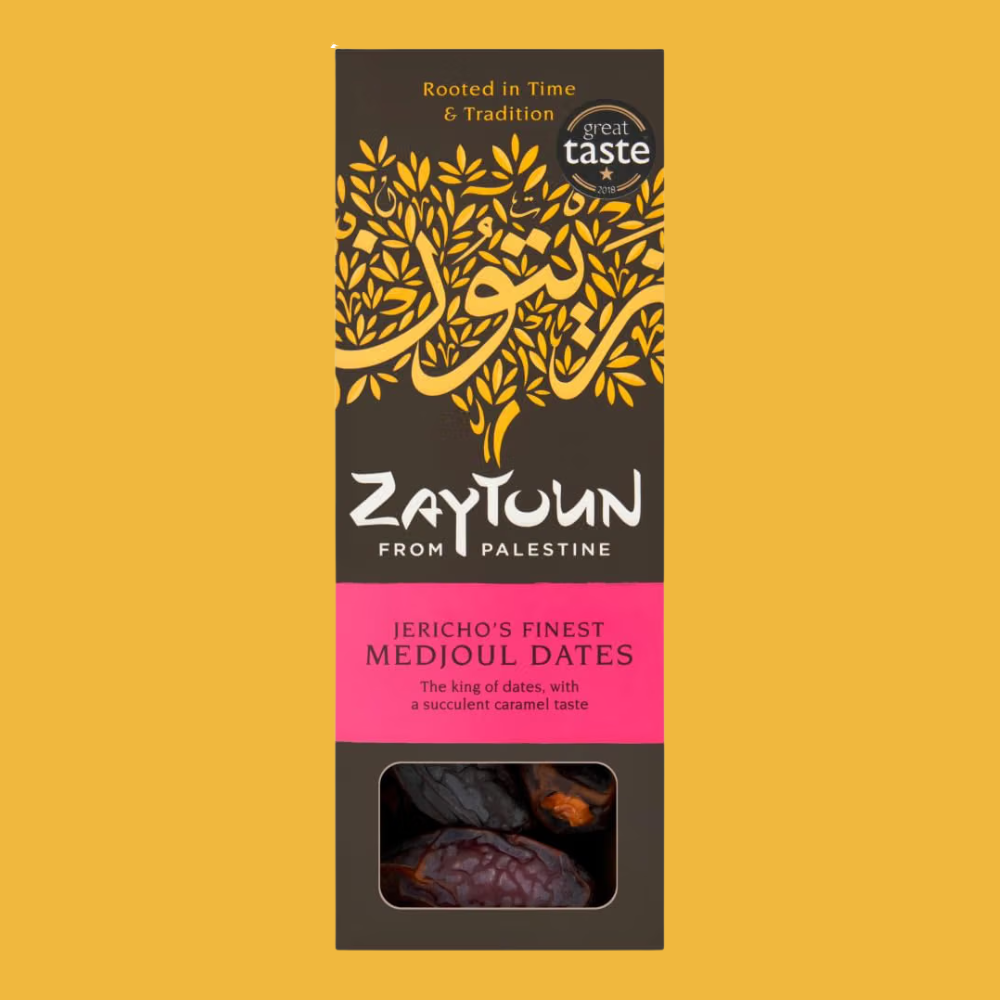
7Zaytoun’s Medjoul dates are award-winning
Since 2004, Zaytoun has supported Palestinian farmers in the West Bank by sourcing products such as olive oil, almonds, za’atar, and Medjoul dates, and connecting them with consumers all over the world.
While all of its products are of premium quality, the Medjoul dates are the star of the show. Grown in the Jordan Valley, the dates are renowned for their rich, caramel-like sweetness and indulgent texture. In fact, in 2018, the brand’s Jericho’s Finest Medjoul Dates even received a Great Taste Award.
Try it in a recipe: Easy Vegan Banoffee Date Caramel Pots
 Hayati
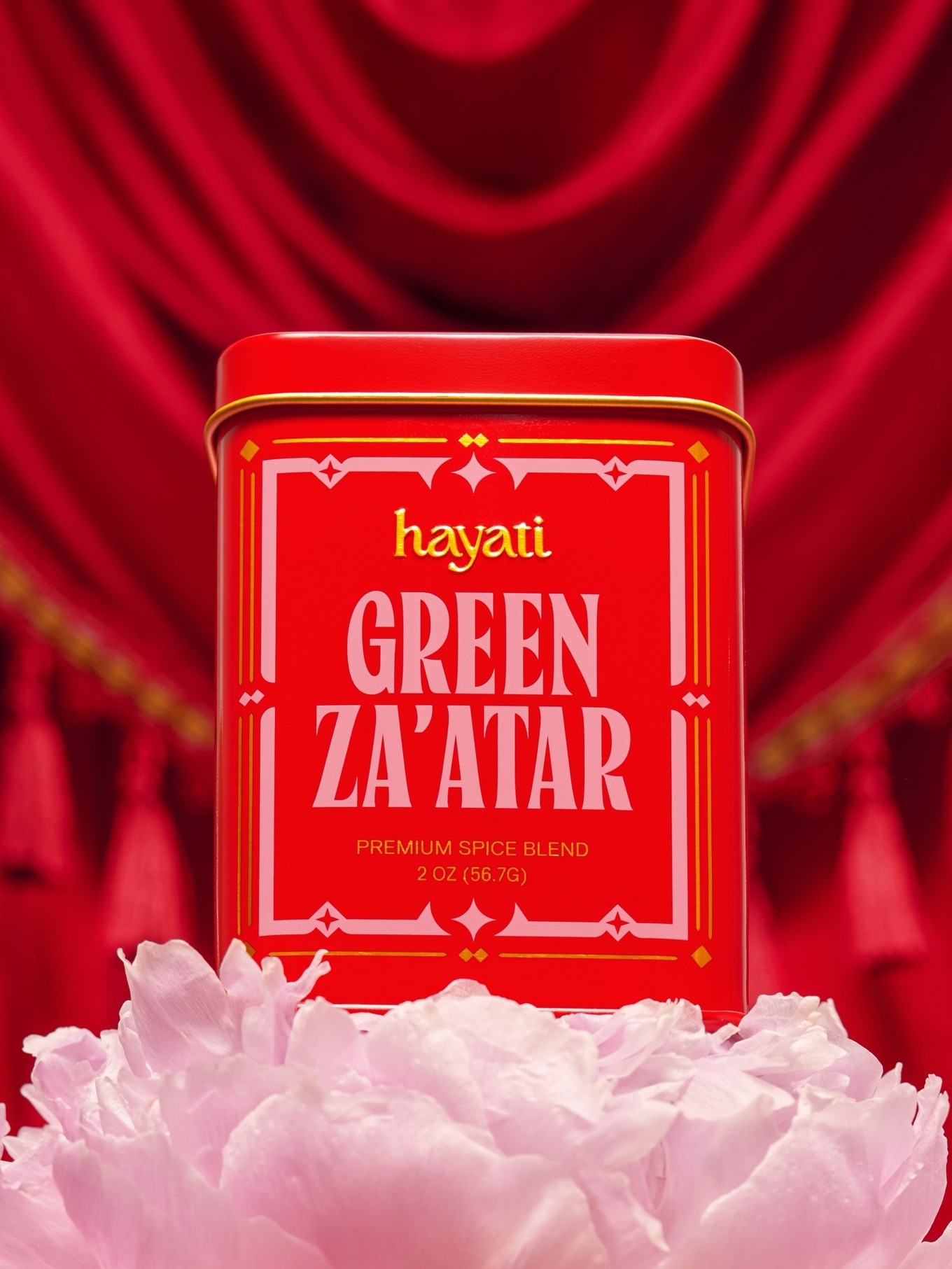
8Hayati’s za’atar is sourced from a spice shop with generations of history
Hayati is dedicated to “celebrating the beauty of the Arab world through food.” Its signature product? Palestinian za’atar.
Founded by Palestinian American Yasmine Borno, Hayati aims to educate North Americans about za’atar’s history and cultural significance, as well as its true, authentic flavor. The brand’s spice blend, renowned for its earthy aroma and bright flavor, is sourced from a spice shop in Yafa, Palestine; the very same one that Borno’s great-grandparents once frequented.
Try it in a recipe: Za’atar-Seared Broccoli Steaks With Toasted Hazelnuts
For more plant-based stories like this, read:
JUMP TO ... Latest News | Recipes | Guides | Health | Subscribe

Charlotte is a VegNews editor and writer based in sunny Southsea on England's southern coast.