


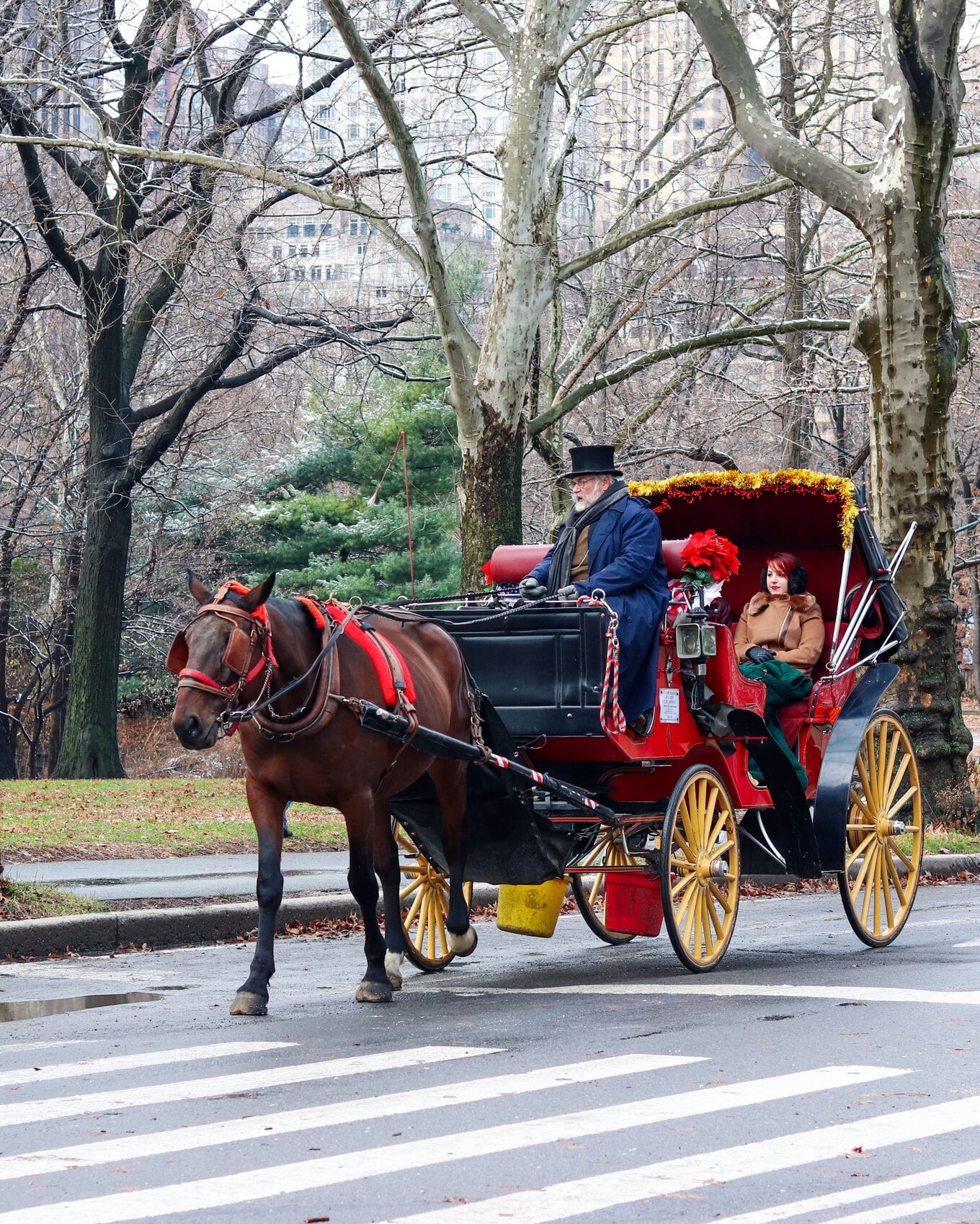
Horse-drawn carriage rides have resumed in Central Park after an 18-year-old tourist was killed when he was thrown from a carriage by a runaway horse. The tragedy has intensified calls to ban the industry for good in New York City, and Mayor Zohran Mamdani has made it clear he’s on board.
A ban makes sense: Horse-free alternatives exist. Travis Barker and Kourtney Kardashian were recently spotted in a pedicab, a popular horse-free alternative for taking in the sights of the city. In Philadelphia, where a ban has just passed on horse carriages, the nonprofit Carriage Horse Freedom offers out e-carriages for hire. They look just like the real deal, only without the animals.
Janet White, the nonprofit’s founder, called Philadelphia’s ban a “moral and civic milestone.” She added that it “reflects who we are today: the humane, forward-looking city we aspire to be.”
So, how much time does the carriage industry in New York realistically have left?
We spoke with Kathleen Schatzmann, strategic legislative affairs manager at the Animal Legal Defense Fund, to find out exactly what happens next.
VegNews: What does the recent tragedy—in which 18-year-old tourist Romanch Mahajan died after falling from a carriage when a horse suddenly bolted—reveal about the inherent risks of the industry?
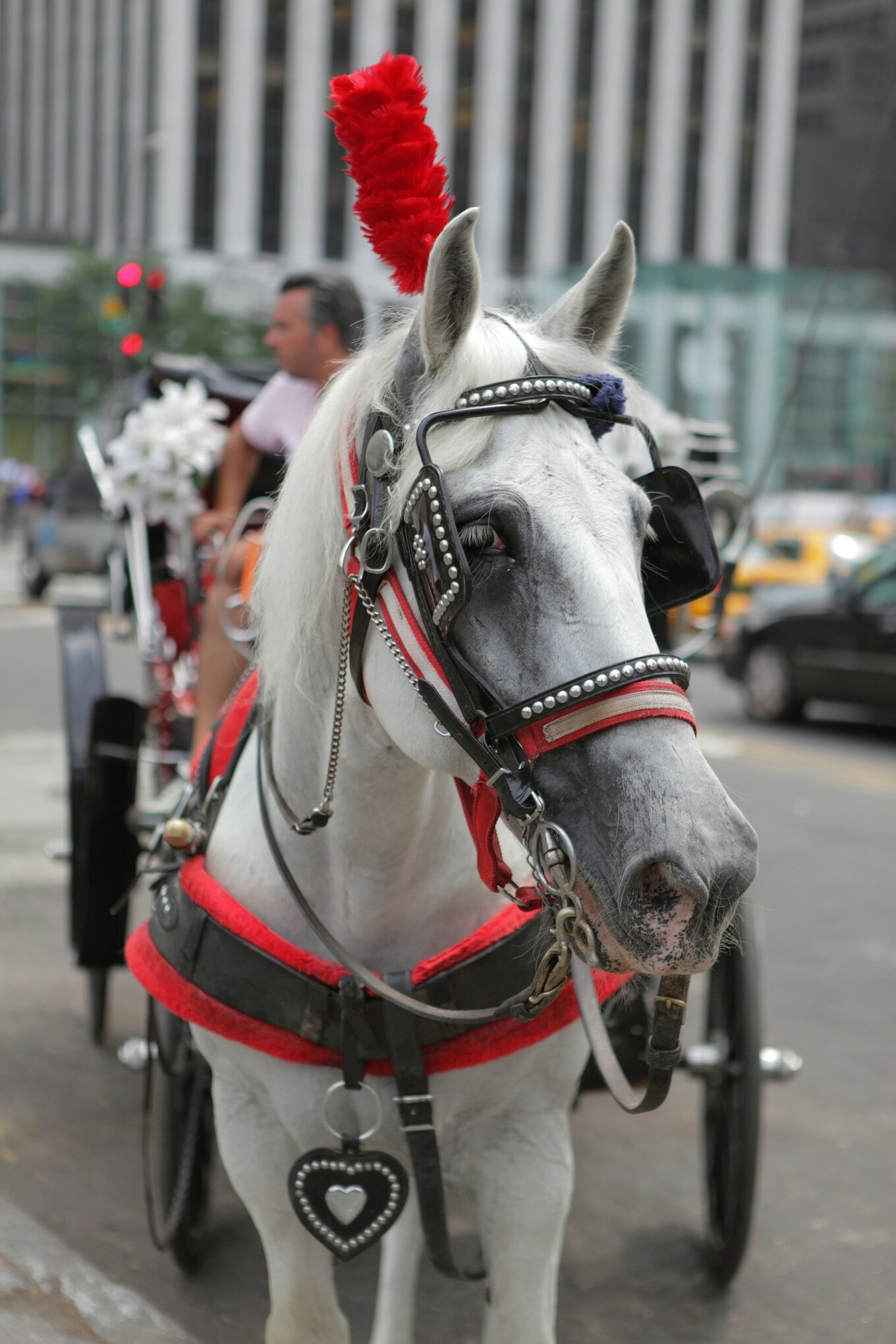
Kathleen Schatzmann: [New York is] one of the world’s busiest urban environments. Horses are fundamentally prey animals that can become startled by traffic, crowds, construction, sirens, and other unpredictable stimuli, creating risks for passengers, pedestrians, cyclists, and drivers alike.
Even well-trained horses can react unpredictably, and no amount of training can eliminate the possibility of fear, distress, or sudden loss of control—meaning the risk can never be reduced to zero.
 Pexels
VN: So from your perspective, this isn’t just about one tragic event, but about a much bigger systemic problem?
KS: Individual incidents may be characterized as isolated events, but they highlight a broader systemic risk that cannot be eliminated through training or regulation.
The days when horse-drawn carriages were a necessity are long gone. Today, horse-drawn carriages have become a source of recurring chaos and preventable safety concerns. It is clear that horse-drawn carriages simply cannot be operated safely and humanely in New York City.
VN: From your perspective, why has it taken so long for meaningful action to be taken? Ryder’s Law, introduced after a horse named Ryder collapsed and died in 2022, still hasn’t been signed into law.
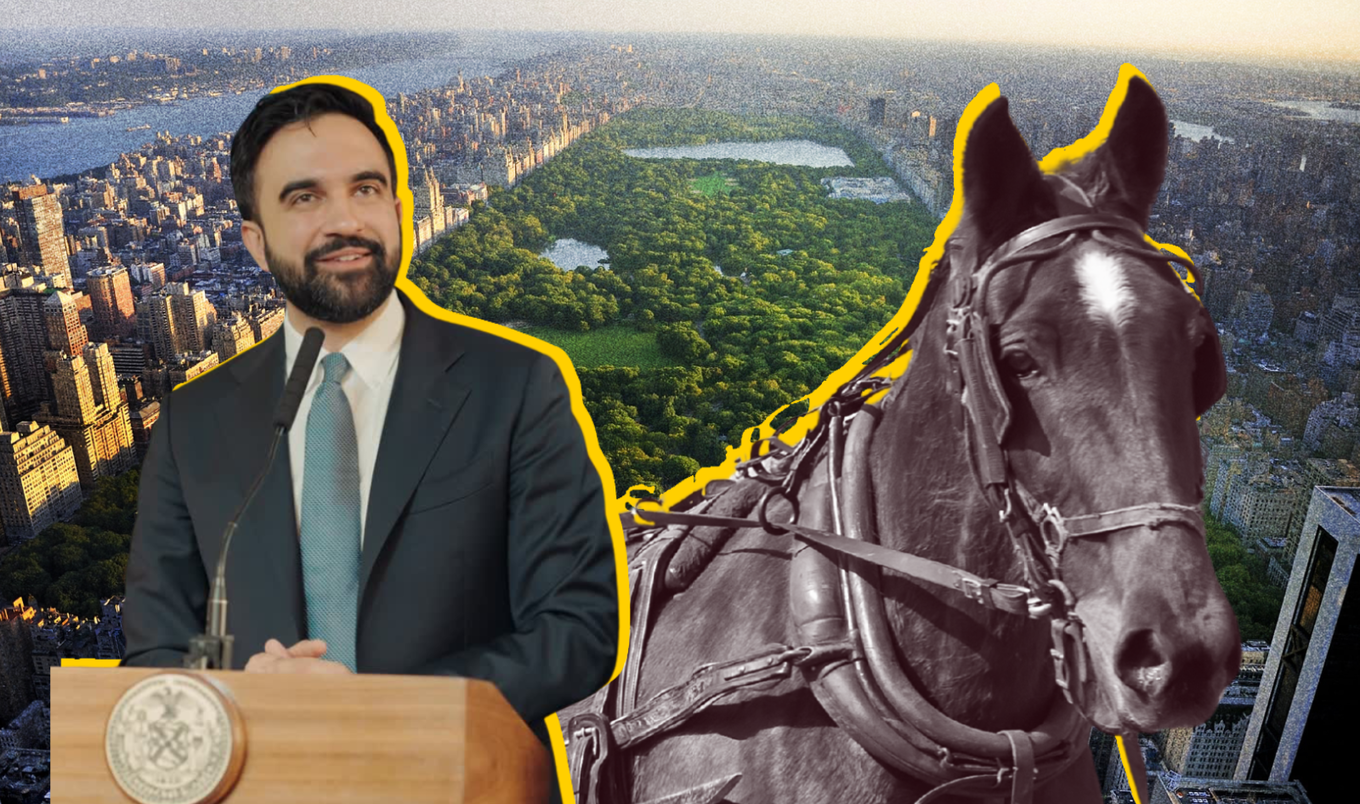
KS: Ryder’s Law (Intro 0943) has taken time to advance due to sustained opposition from the horse-drawn carriage industry, which has long defended its operations on economic, cultural, and tourism grounds.
Policymakers have also had to navigate concerns about workforce transition and the complexity of replacing an established system, all of which is part of the transition plan. These factors have contributed to delays despite growing public support and increased urgency for a transition.
 Instagram | Canva
VN: You mention growing public support. Has there been a noticeable shift in how New Yorkers feel about a ban?
KS: A 2022 poll found that 70 percent of New Yorkers support a ban, reflecting growing concerns about both animal welfare and public safety.
Repeated high-profile incidents involving carriage horses, coupled with the tragic death of a young man following a horse-drawn carriage crash, have intensified concerns about both public safety and animal welfare and increased scrutiny of the industry’s continued operation.
VN: One of the biggest sticking points has always been the livelihoods of carriage drivers. How is that part of the conversation evolving?
KS: There is growing recognition that a responsible transition can protect the livelihoods of carriage drivers and other workers engaged in the horse-drawn carriage industry through workforce development and employment support programs.
Encouragingly, Mayor Mamdani has publicly expressed support for legislative efforts to address the issue, and Speaker Menin has announced that this bill will receive a hearing in July.
 Pexels
VN: Taken together, do those shifts make you feel more optimistic that a ban could actually pass this time?
KS: These developments are positive signs of progress, and we are grateful for their leadership in advancing a thoughtful solution that prioritizes both public safety and worker transition.
Together, strong public support, ongoing safety concerns, and increasing political momentum have created the strongest opportunity for meaningful change.
VN: What do you say to people who think that carriage horses are well cared for?
KS: Over the past several years, there have been multiple high-profile incidents involving carriage horses in New York City, including horses collapsing and dying on city streets from apparent medical emergencies in August 2025 and June 2026, as well as additional horses falling or becoming incapacitated while on duty.
These incidents underscore the inherent vulnerability of horses working amid traffic, crowds, noise, construction, extreme weather, and other unpredictable urban conditions.
VN: Supporters of the industry often point to regular veterinary oversight. In your view, does that meaningfully reduce the risks?
KS: Even with regular veterinary oversight, training, and regulatory requirements, horses can suffer sudden medical events, become frightened, or lose control in ways that place both animal and public safety at risk. The repeated nature of these collapses and emergencies reinforces why so many New Yorkers continue to call for meaningful reform.
 Pexels
VN: Looking ahead to the coming months, what does success look like?
KS: The passage of Ryder’s Law, establishing a clear and responsible pathway to end the horse-drawn carriages in Central Park by 2028, while ensuring that workers are not left behind.
The legislation would direct the Department of Consumer and Worker Protection to administer a workforce development program for drivers and other workers engaged in the horse-drawn carriage industry, supporting their transition into stable, sustainable employment opportunities.
VN: So the goal is a transition that protects both the horses and the people whose livelihoods depend on the industry?
By pairing a phase-out of the industry with meaningful support and resources, the passage of Ryder’s Law would recognize the needs of workers, require the humane disposition of carriage horses, and advance a safer, more humane future for New York City.
For more plant-based stories like this, read:
JUMP TO ... Latest News | Recipes | Guides | Health | Subscribe

Charlotte is a VegNews editor and writer based in sunny Southsea on England's southern coast.