


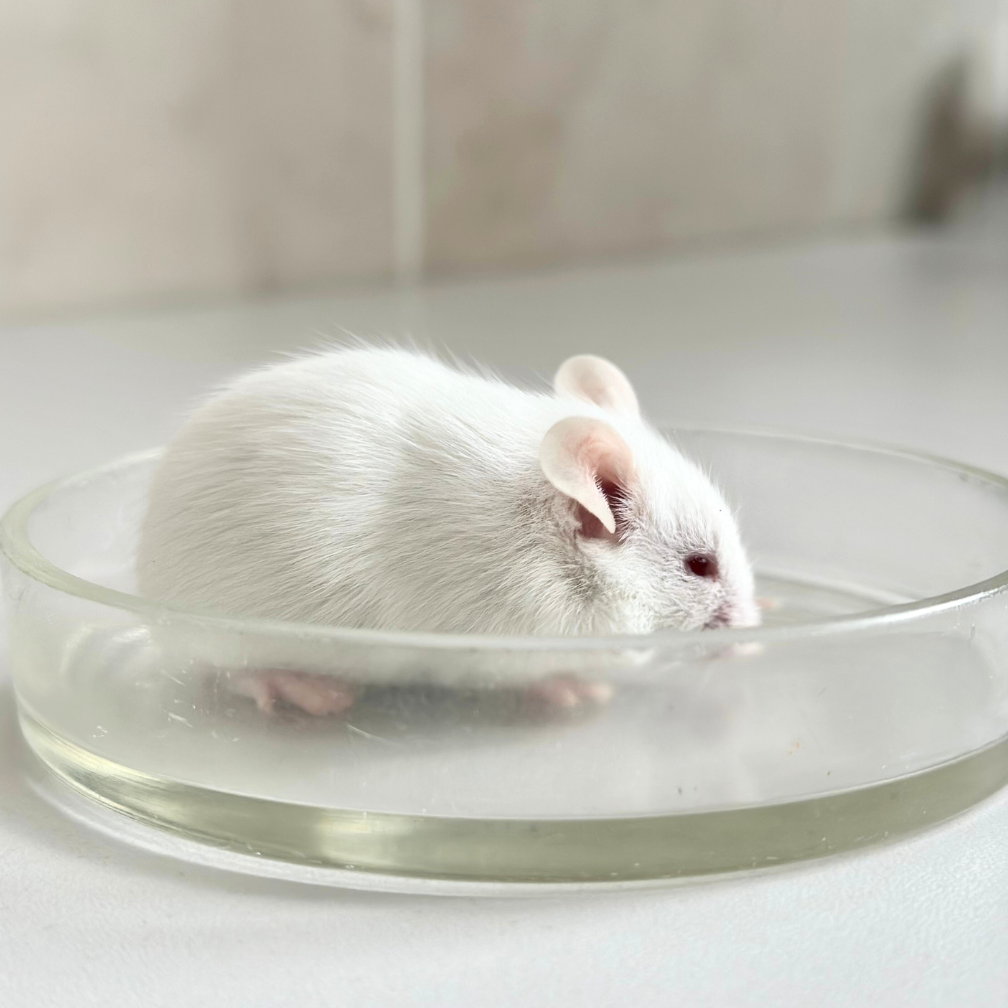
Every year, more than 190 million animals are used for scientific research and testing. To put that in context, that’s more than the entire population of Bangladesh. For decades, activists and scientists around the world have been calling for an end to animal use in research, arguing that far better alternatives now exist, including lab-grown cells, donated human tissue, and advanced computer models—and the UK is listening.
The country’s science minister, Patrick Vallance, has just revealed a brand new roadmap to phase out animal testing—for the most part at least. In the UK, roughly 2.6 million scientific tests use animals every year, but the new roadmap would see this reduced significantly. For now, the roadmap is focusing on tests where reliable, research-backed alternative methods already exist.
 Pexels
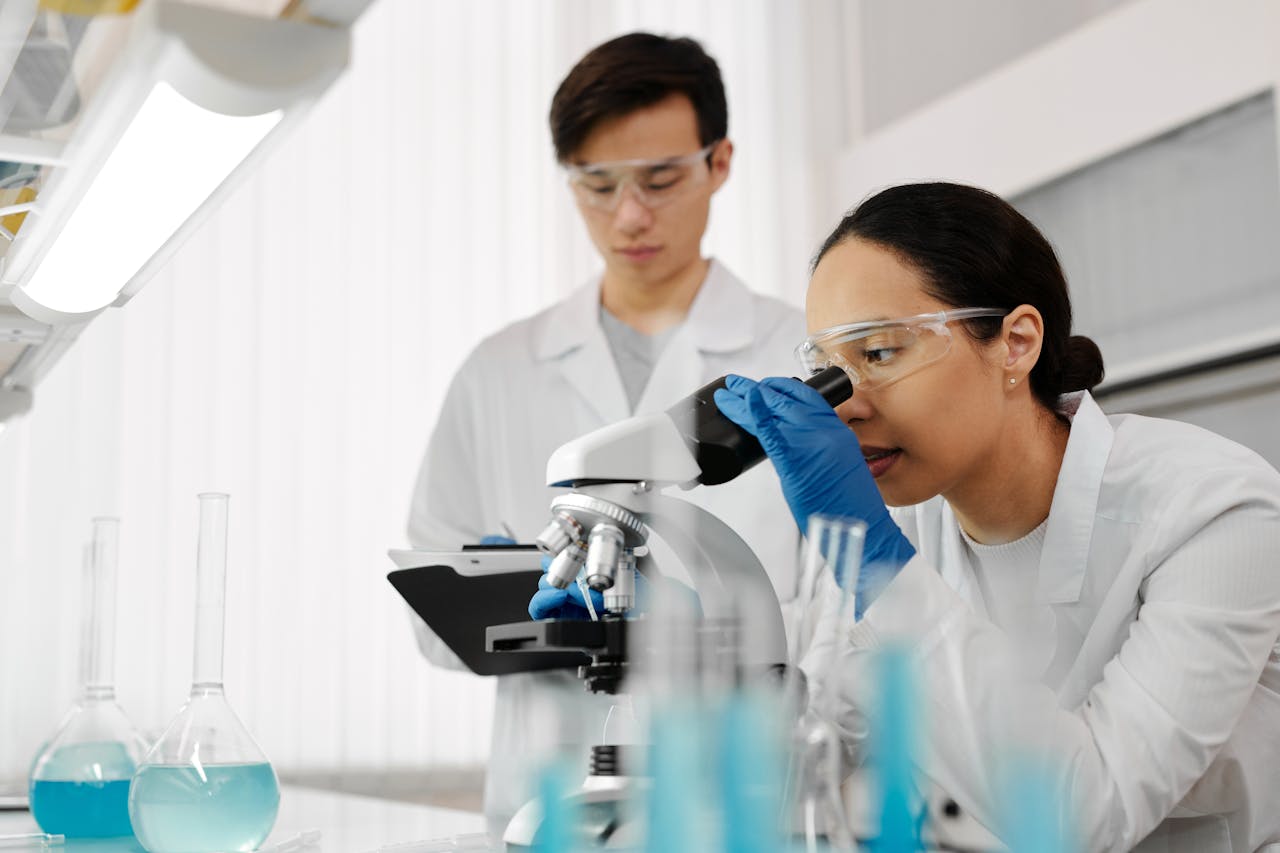
Instead of animals, the new $99 million (about £75 million) strategy will expand the use of organ-on-a-chip technology, which allows researchers to cultivate human cells on a microchip that mimics how real organs function. It will also increase the use of 3D-bio-printed human tissue and make greater use of artificial intelligence to predict how medicines will work in the human body.
A step towards a world without animal testing
Many activists have welcomed Vallance’s announcement, calling it a promising step toward ending animal testing in the UK and beyond. “It is a strong step forward and shows that the government is listening to scientists and the public, to uphold its own promise to work towards phasing out animal experiments,” said Emma Grange, Director of Science and Regulatory Affairs for Cruelty Free International.
“The commitments to funding, regulatory reform, and measurable targets are exactly the kind of leadership we need and mark a serious move towards alleviating the suffering caused by the millions of animal tests which happen every year in this country,” she added.
Her comments were echoed by many experts and activists. Barney Reed of the Royal Society for the Prevention of Cruelty to Animals said that if the strategy is implemented “effectively,” it will create “a good foundation for accelerating the replacement of animals.”
Concerns over the increasing use of AI
However, some experts have urged caution about the increased reliance on artificial intelligence. While AI can be a powerful scientific tool, the data centers that power it produce toxic electronic waste and require significant quantities of electricity and water. According to the UK government, AI could need 6.6 billion cubic meters of water globally by 2027. That’s more than half of all the water the UK uses in a year.
This doesn’t mean the world shouldn’t use AI, experts say, but it does mean we need to be mindful and conduct more research.
Earlier in November, Golestan (Sally) Radwan, computer scientist and Chief Digital Officer at the United Nations Environment Program, said: “There is still much we don’t know about the environmental impact of AI, but some of the data we do have is concerning. We need to make sure the net effect of AI on the planet is positive before we deploy the technology at scale.”
 Canva
Canva
BECOME A VEGNEWS VIP: Get exclusive product deals, freebies, and perks galore!
Still, AI is only one part of the UK’s strategy. The increased use of other alternatives, such as organ-on-a-chip systems and bio-printed human tissue, remains highly significant for efforts to end animal testing.
“Nobody in our country of animal lovers wants to see suffering, and our plan will support work to end animal testing wherever possible and roll out alternatives as soon as it is safe and effective to do so,” said Vallance. “This is a roadmap which will ensure government, businesses, and animal welfare groups can work together to find alternatives to animal testing faster and more effectively.”
For more plant-based stories like this, read:
JUMP TO ... Latest News | Recipes | Guides | Health | Subscribe

Charlotte is a VegNews editor and writer based in sunny Southsea on England's southern coast.