In 2021, in a pretty groundbreaking move for the coffee shop industry, Blue Bottle Coffee announced it would make oat milk the default at its California locations instead of dairy milk. At the time, CEO Karl Strovink told VegNews that the chain wanted to “do its part” to lower emissions.
“It is important for us all to reframe what ‘alternative milk’ is,” he said. “We aim to continually invite and encourage more guests to join us in deliciousness while leading a lower-emissions lifestyle.”
The move was a success, and by 2023, all Blue Bottle Coffee locations were serving oat milk by default.
But now it’s 2026, and things have changed. According to Blue Bottle Coffee, demand for cow’s milk is rising. Its response? Make whole milk the default once more.
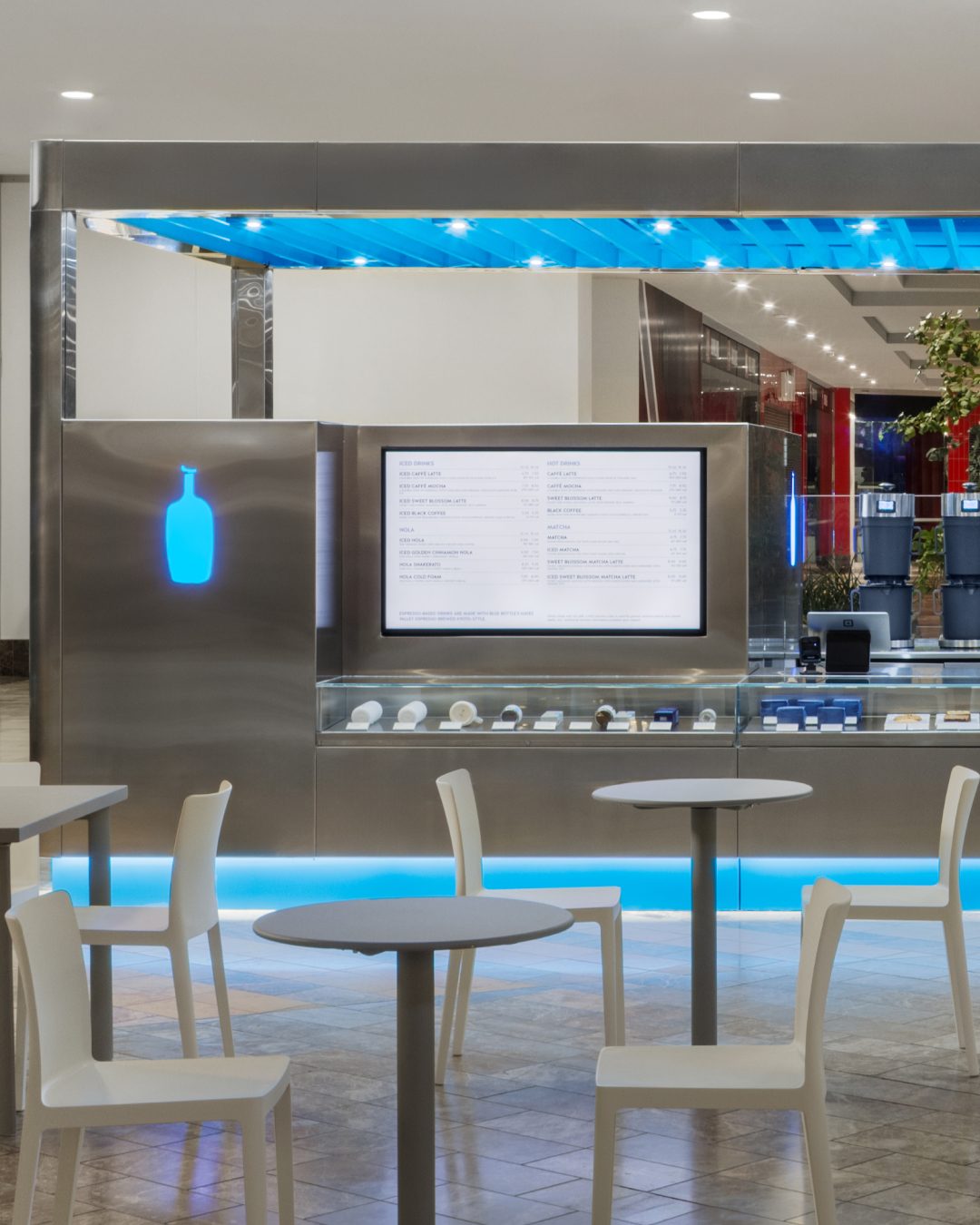 Blue Bottle Coffee
Now, if you order a latte through the app, it will default to cow’s milk. If you order in a store, your barista will ask, “Whole or oat?”
“Hospitality, for us, starts with understanding what each guest wants,” the chain says in a statement. “Guest preferences have evolved since we first introduced oat milk as our default, and today we see strong demand for both dairy and plant-based options. Asking—rather than assuming—helps us get your order right the first time and cuts down on unnecessary remakes.”
Blue Bottle stressed, however, that it remains committed to sustainability.
“This update is specifically about how we confirm milk preference during ordering,” the statement continues. “Not a change to our broader sustainability approach.”
The environmental impact of cow’s milk
The US dairy industry accounts for around 2 percent of the country’s greenhouse gas emissions. For context, that’s close to the impact of global aviation, which accounts for approximately 2.5 percent of global emissions.
Dairy production also contributes to deforestation, land degradation, and water pollution. Just recently, for example, Wisconsin dairy company Central Sands Dairy was ordered to pay $245,000 to settle a case involving manure runoff from its farms that polluted local residents’ drinking water.
Research suggests that dairy-free alternatives are significantly better for the planet than cow’s milk.
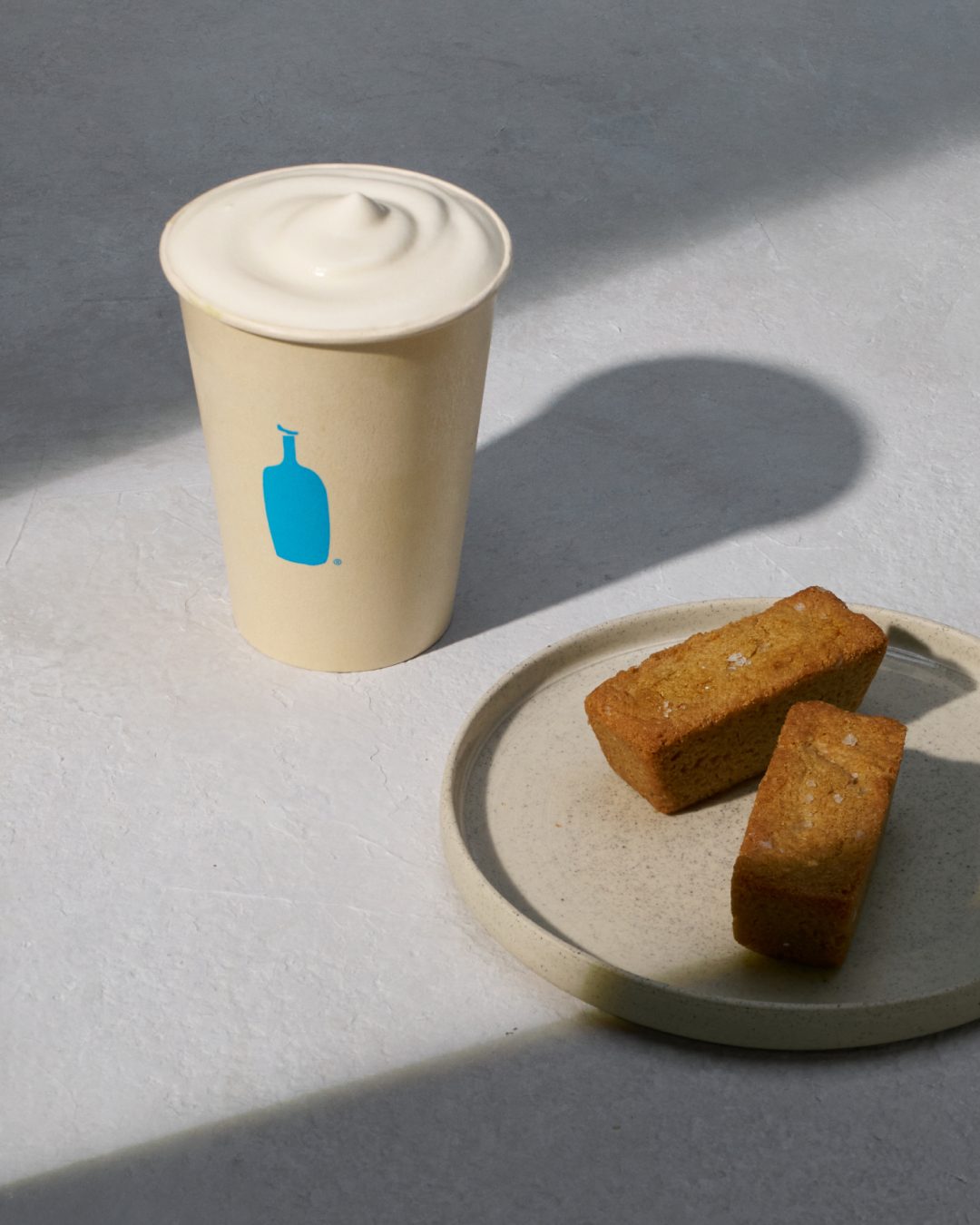 Blue Bottle Coffee
“Cow’s milk has significantly higher impacts than the plant-based alternatives across all metrics,” explains Our World in Data. “It causes around three times as much greenhouse gas emissions; uses around ten times as much land; two to 20 times as much freshwater; and creates much higher levels of eutrophication.”
Five months after Blue Bottle made oat milk the default in 2021, it reported that 75 percent of its milk-based beverages were being made with plant-based milk.
The chain still offers oat milk at no extra cost. However, making dairy the default again is likely to affect its progress toward its broader sustainability goals.
For more plant-based stories like this, read:
JUMP TO ... Latest News | Recipes | Guides | Health | Subscribe

Charlotte is a VegNews editor and writer based in sunny Southsea on England's southern coast.