


Anyone who’s been vegan for a while knows that if there’s anything that’s going to inflame the world’s trolls, it’s soy, especially tofu. From the guy pumping iron at your gym to your uncle who’s newly recovered from his latest cardiac event, everyone’s got an opinion about soy’s supposed harm and these days, it’s taken on a particularly paranoid tone recently with grown men afraid of what a legume could do to their manliness. What did those little beans ever do to anyone, though? Unless you’re allergic, no harm. In the reality-based world, soybeans have been an affordable, nutritious and widely available form of protein for thousands of years but for a few decades now, sensationalistic fear-mongering has been attached to them—despite a growing body of research showing the opposite.
With the rise of the manosphere and their promotion of animal-based diets, and seen through the prism of Secretary of Health and Human Services’s Robert F. Kennedy Jr’s choice to resurrect the retired food pyramid and spin it on its head to emphasize meat, dairy and eggs, we have entered a new Dark Age when it comes to anything that doesn’t resemble their version of a dinner plate from 1955. With that, and the heightened incendiary discourse from the internet’s various citizens who are vying for more eyes in this attention economy, soy is public enemy #1 once again, a useful proxy for everything from multiculturalism to feminism, a neutral substance upon which influencers digging for fresh content can project their disinformation and reel in followers. (Don’t worry, soy’s used to it.)
 Pexels
Of course, animal agribusiness loves any apprehension or ambivalence towards plant-based proteins, as does the hyper-online bro brigade, who seem to think the world is dead-set on feminizing them via soy for indeterminate but definitely conspiratorial reasons that they will eventually figure out.
It’s no surprise to this longtime vegan (class of ‘95, you all!) that the wacky caveman fetishists and their followers would be at it again with their disinformation, hype and clickbait, but given recent dimensions, and their increasingly over-the-top vilification of soy in the context of supposed gender roles, I can’t help wondering if what I have suspected all along—that this intense reaction to a legume is actually rooted in fragile notions about masculinity and sexist attitudes about women—is true.
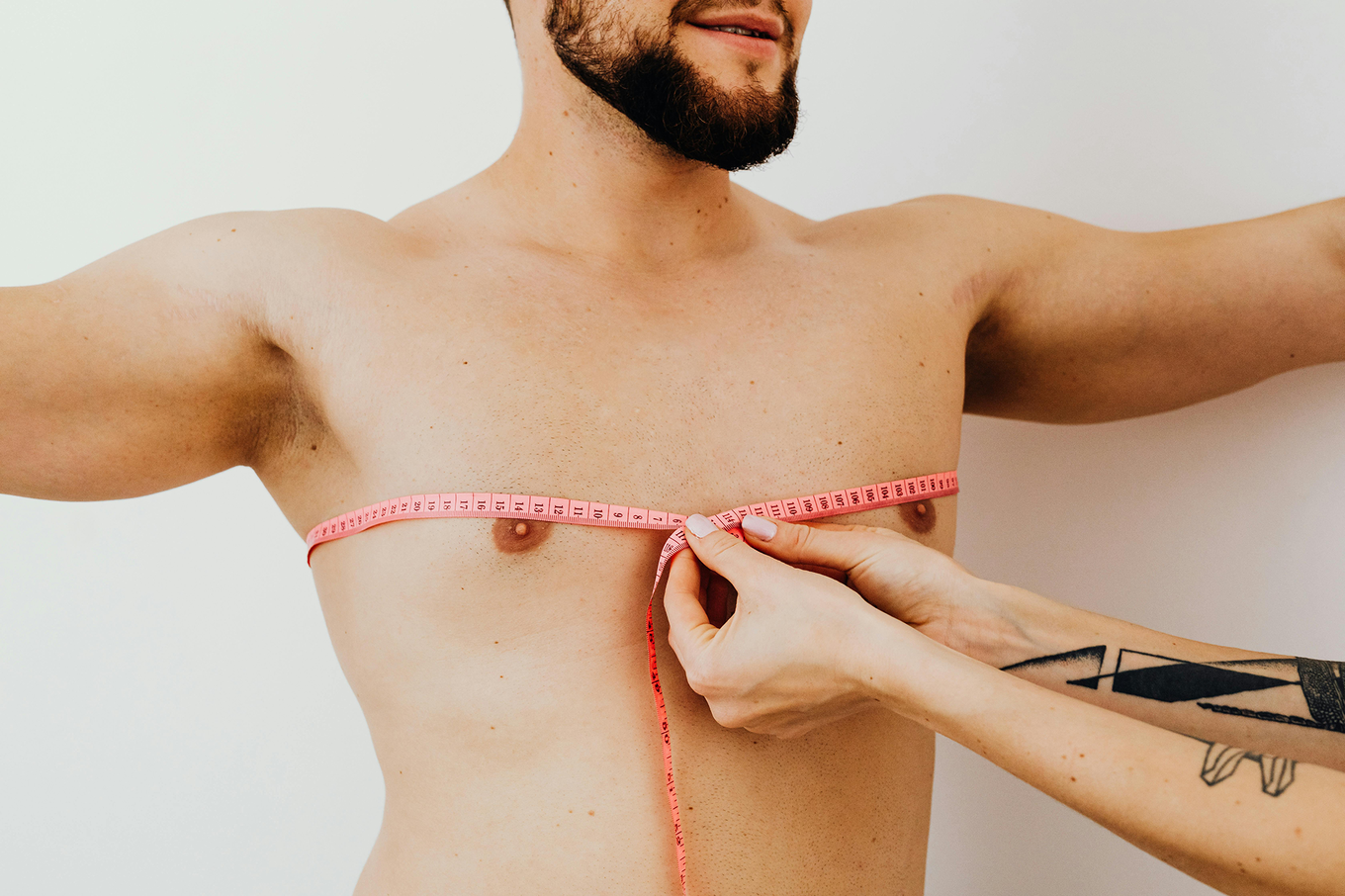
With their renewed demonization, that tired myth of soy causing “man boobs,” is also dutifully trotted out again and again without evidence. The concern over breasty men is clearly not going to go bust any time soon. Though the moral panic is irrational and not backed by any valid scientific research, it is still a fallacy that doesn’t seem to be able to be contained, not by underwire, not by racerback, certainly not by push-up. One could certainly say it’s been abundantly padded, though.
 Pexels
Does soy cause gynecomastia? The truth behind the “man boobs” myth
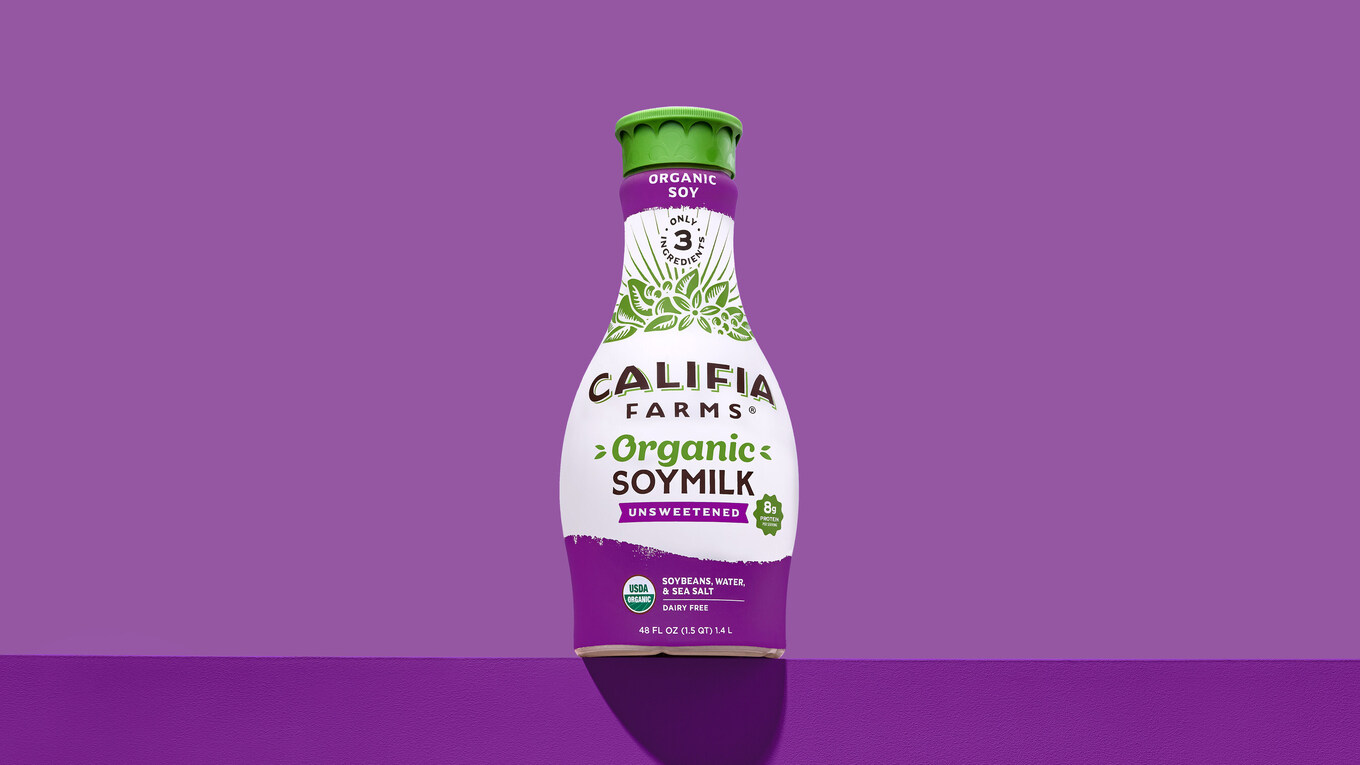
Man boobs, or moobs, or gynecomastia if we’re going to be adults here, refers to an enlargement or swelling of breast tissue in males, creating a physical feature—er, features—normally associated with the female chest region. It’s unclear where this idea of soy contributing to men and boys becoming feminized originated but a case study on a single man published in 2008 in the PubMed database seems to be the source of soy-phobia today: In the paper, the researchers describe a 60-year-old man who consumed three quarts of soymilk each day showing symptoms of gynecomastia. You all, that is 12 cups of soymilk a day, which is, you know, not a normal amount. Even then, lots of things can cause gynecomastia, including weight gain and the drop in testosterone that happens as men age. According to the Charlotte Gynecomastia Center, numerous well-designed studies—meaning they are double-blind, placebo-controlled trials that last weeks or months—have examined the effects of soy protein and isoflavones on male hormone levels and have found that regular soy consumption does not result in any measurable increase in estrogen or decrease in testosterone in men. But, no, let’s take our facts from influencers who are to nutrition advice what flat-earthers are to astronomers.
You can also find this soy hysteria repeated by Weston A. Price Foundation (WAPF) devotees, an organization named after a dentist who died in 1948 and one that promotes consuming copious amounts of unpasteurized dairy and considers fermented cod liver oil a superfood. (Unsurprisingly, they are big fans of Mr. Kennedy.) According to a WAPF co-founder, soy is “more insidious than hemlock,” but lard? You should spread that on as thick as your disinformation.
 Calfia Farms
Why soy doesn’t affect hormones the way you’ve been told
The anti-soy mania often hinges on whether you believe that phytoestrogen—the kind found in plant foods—is synonymous with estrogen, the primary female sex hormone. It’s not. Despite the fact that Asian populations have consumed soy for thousands of years and at a much higher per capita rate than in other cultures, they are not replete with men with bodacious cleavage. Could this be because actual estrogen, as described by Harvard School of Public Health’s Nutrition Source, has a much stronger effect than what is derived from plants? That estrogens and phytoestrogens are not interchangeable?
“For the majority of people, any estrogen-like effect is indiscernible but the benefits of these isoflavones is pretty clear,” says Matt Ruscigno, MPH, RD, and author of Plant-Based Sports Nutrition. “Soy can absolutely be a part of a healthy diet and is the only specific food—as opposed to groupings like ‘vegetables’ —to have an FDA statement recommending its consumption for disease prevention.”
You will find lots of sketchy links about the soybean’s supposed Powerful Feminizing Effects if you choose to go down that rabbit hole, but no published, peer-reviewed research that supports this claim. Given that there is no factual basis behind this anxiety, it does make one wonder if all this unrest about the male breast area could be internalized sexism or transphobia—or maybe a delightful mashup of the two—and it’s especially bizarre considering that the “soy boy” pejorative is intended to be a slur against the guys deemed to be not quite tough enough by adult men who are literally drinking breast milk.
Why dairy contains hormones—and soy doesn’t
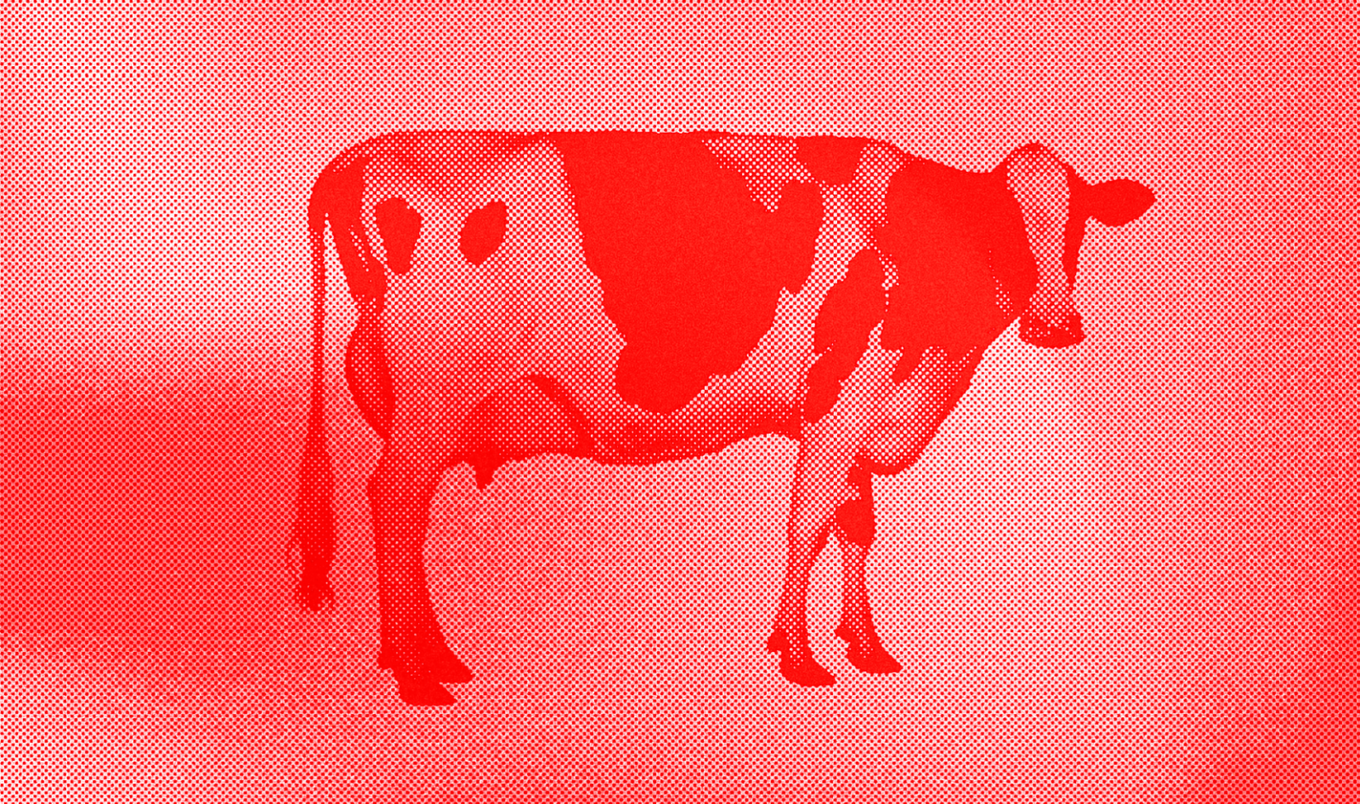
I don’t mean to go tit-for-tat here but it’s interesting that dairy, also an adopted symbol of white supremacy, is the one with both estrogen and progesterone, not soy. Even so-called hormone-free milk still has the mother’s naturally-occurring hormones in it. It is also true that in recent years, the powerful animal agribusiness industries have declared open season on plant-based companies that are making a dent in their market share. Is it any wonder that it’s the perfect storm for creating more unfounded claims about man boobs and fears about masculinity?
“The idea that it would feminize men is an exaggeration crafted purposefully to confuse those who don’t know the science,” says Ruscigno.
To anyone who’s tempted to freak out about a bean’s capacity to cause men to transition without their consent into curvaceous women, I recommend you take a cleansing breath first. Enjoy a nice soy chai latte—maybe make that a decaf. Now spend a few minutes contemplating the vested interests of the stories pushed in front of you from the manosphere: Who benefits from your insecurities, including which industries? What are the implicit messages, biases and bigotries against women and Asian cultures?
Thank you for letting me get that off my chest. Tofu is not your enemy. I stand firm in that. Actually, extra firm. And maybe marinate in that.
For more plant-based stories like this, read:
JUMP TO ... Latest News | Recipes | Guides | Health | Subscribe

Marla Rose is the co-founding partner of Rootiful.