


Research suggests that up to 10 percent of American women between the ages of 25 and 40 suffer from endometriosis. But the number could be even higher, as this gynecological condition is notoriously underdiagnosed.
Endometriosis occurs when tissue similar to the uterine lining grows outside the uterus, and for many people, recognizing the signs—and receiving proper medical attention—takes years. Another long-standing obstacle? A historic lack of research into the disease.
But that is starting to change (albeit slowly). In recent years, several new studies have offered fresh insight into endometriosis and its complexities. One study released in July 2025 found that the condition frequently appears alongside other chronic diseases, including certain cancers and autoimmune disorders. Another study, published a month earlier, suggested that childhood trauma may increase the likelihood of developing endometriosis.
More recently, a study published this month has explored how people with endometriosis may be able to reduce pain through dietary changes. The findings indicate that eliminating or reducing certain foods, including dairy and processed meat, may help alleviate discomfort for some individuals.
The link between diet and endometriosis pain
Conducted by the University of Edinburgh, the study surveyed nearly 2,400 people with endometriosis and found that many experienced relief after modifying their diet.
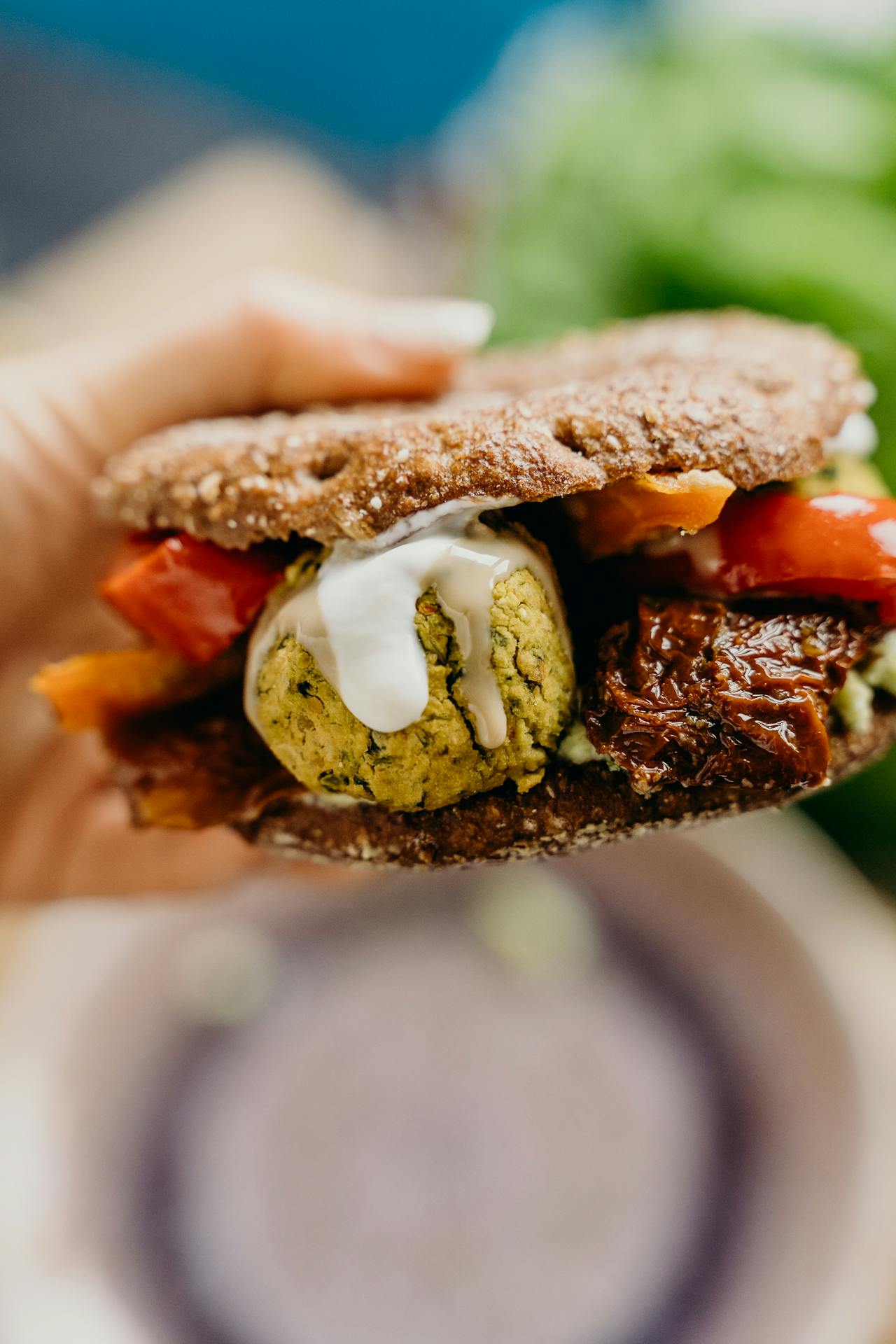
More than half reported improved pain after reducing alcohol intake. Around 45 percent said that eating less gluten helped, and a similar proportion noted improvements after consuming less dairy. Thirty-eight percent reported benefits from reducing processed foods, including processed meats, and nearly 30 percent said they experienced relief when following a plant-forward Mediterranean-style diet.
 Pexels
Other helpful strategies cited included eating less processed sugar, trying a low FODMAP diet, and supplementing with turmeric, magnesium, peppermint, and ginger.
These habits may support symptom relief because they are linked to reducing inflammation—a key factor in endometriosis pain. However, the researchers noted that the findings are based on self-reported data, which can introduce inaccuracies. Still, the results align with previous research.
A 2023 review by the Physicians Committee for Responsible Medicine (PCRM), published in Frontiers in Nutrition, suggested that consuming more than two servings of red meat a day could increase the risk of endometriosis by 56 percent.
 Pexels
BECOME A VEGNEWS VIP: Get exclusive product deals, freebies, and perks galore!
“Eating meat and fatty foods may lead to excess estrogen in the body, which can cause endometriosis pain to flare, while fiber—found only in fruits, vegetables, grains, and beans—may help reduce pain by flushing excess estrogen out of the body,” explained Hana Kahleova, MD, PhD, PCRM’s director of clinical research, at the time.
Leah Tsui, MS, RDN, LDN, a dietitian and nutritionist at Ciba Health, agrees that prioritizing plant-based foods may be helpful. These foods are rich in antioxidants, anti-inflammatory compounds, and essential vitamins.
“What we know from studies so far is that diet may be helpful in the prevention and treatment of endometriosis and pain associated with it,” she told VegNews. “One study that discussed reducing dietary fat and increasing dietary fiber found that it reduced circulating estrogen concentrations, which could be a potential benefit for individuals with endometriosis, as it is an estrogen-dependent disease.”
For more plant-based stories like this, read:
JUMP TO ... Latest News | Recipes | Guides | Health | Subscribe

Charlotte is a VegNews editor and writer based in sunny Southsea on England's southern coast.