


Years ago, Neal Barnard, MD, was working in a hospital morgue when a pathologist handed him something unforgettable: a hardened, clogged coronary artery from a patient who had died of a heart attack. “Feel this,” the pathologist said. It was stiff, like a clay pipe. “That’s bacon, that’s eggs, that’s cholesterol.” For Barnard, that moment was more than an anatomy lesson; it was a turning point. It showed him, viscerally and definitively, how diet choices could kill. And from that point forward, he committed his career to proving how they could also heal.
Barnard is a physician, clinical researcher, and the founding president of the nonprofit Physicians Committee for Responsible Medicine (PCRM)—which celebrated its 40th anniversary in 2025. He is also an adjunct professor of medicine at the George Washington University School of Medicine and a Fellow of the American College of Cardiology.
Barnard has also authored several influential books, including Your Body in Balance, Dr. Neal Barnard’s Program for Reversing Diabetes, and The Get Healthy, Go Vegan Cookbook. His 2024 book, The Power Foods Diet, advocates for a low-fat, fiber-rich diet that revolves around whole foods and offers sustainable, easy-to-follow weight loss advice.
Through decades of work, Barnard has become one of the most powerful voices in preventive medicine and nutrition, changing the way doctors think about diet and how it relates to chronic illness.
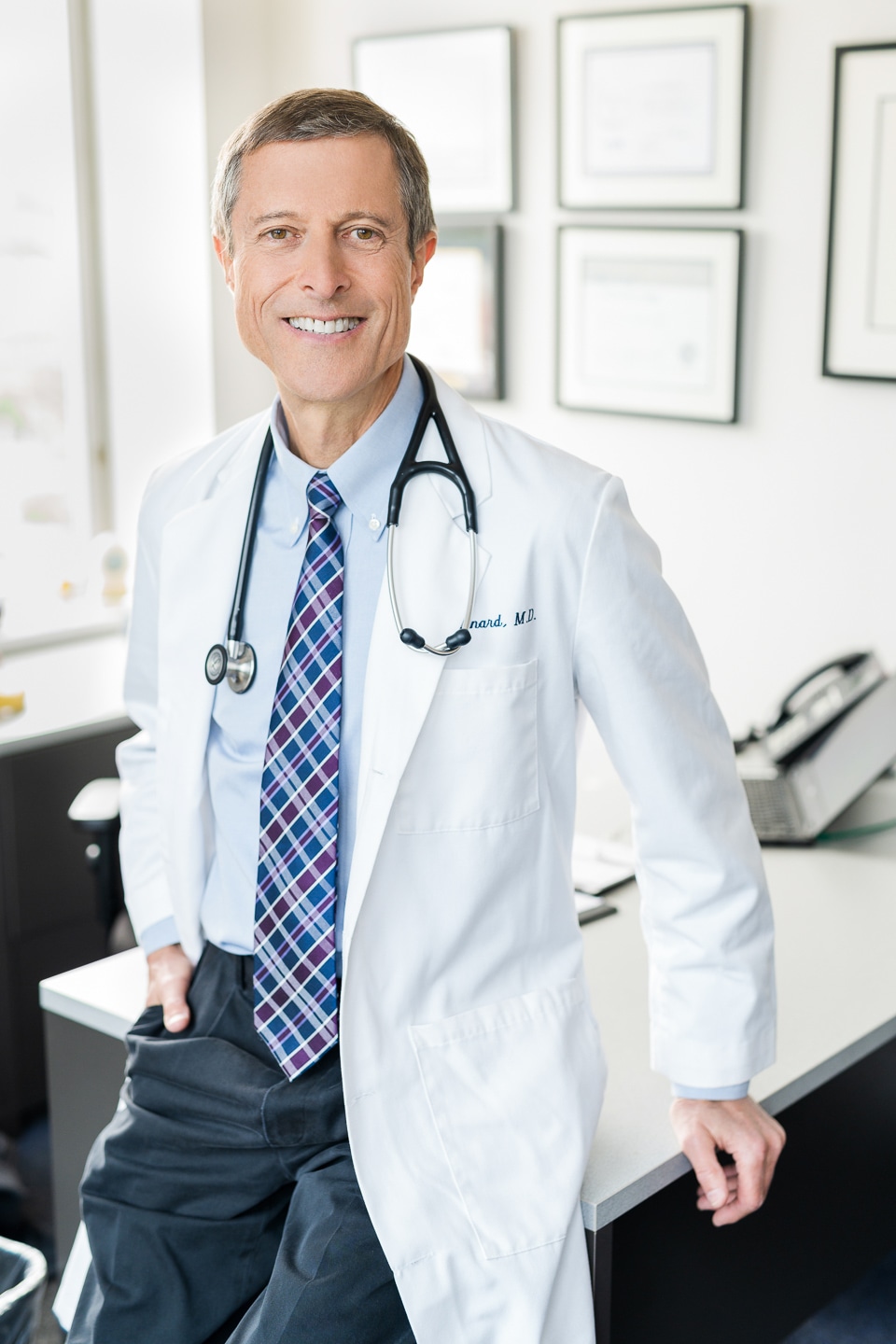 Neal Barnard, MD, is one of the leading voices in preventative medicine. | PCRM
Turning the tables on chronic disease
For years, medical education barely touched on nutrition, even though research suggests a poor diet can be a primary driver of conditions like heart disease, cancer, and type 2 diabetes. Barnard saw a critical gap and filled it with rigorous clinical research.
A pivotal moment came in the early 1990s, when a woman suffering from debilitating menstrual pain called him for a painkiller prescription. He gave it, but also suggested something more unconventional at the time: a low-fat, vegan diet to reduce inflammation and hormone fluctuations.
The results were dramatic. Her symptoms improved so significantly that Barnard partnered with Georgetown University’s OB/GYN department to formally test the approach. That research opened the door to broader inquiries into how diet could affect hormonal and metabolic health.
Soon after, a foundation in Virginia approached Barnard with a dilemma: they received frequent grant requests to study diabetes using rats and mice, but didn’t feel that was the right direction. Barnard agreed. “If I were you, I would study human beings, not rats. And secondly, I would study food,” he said.
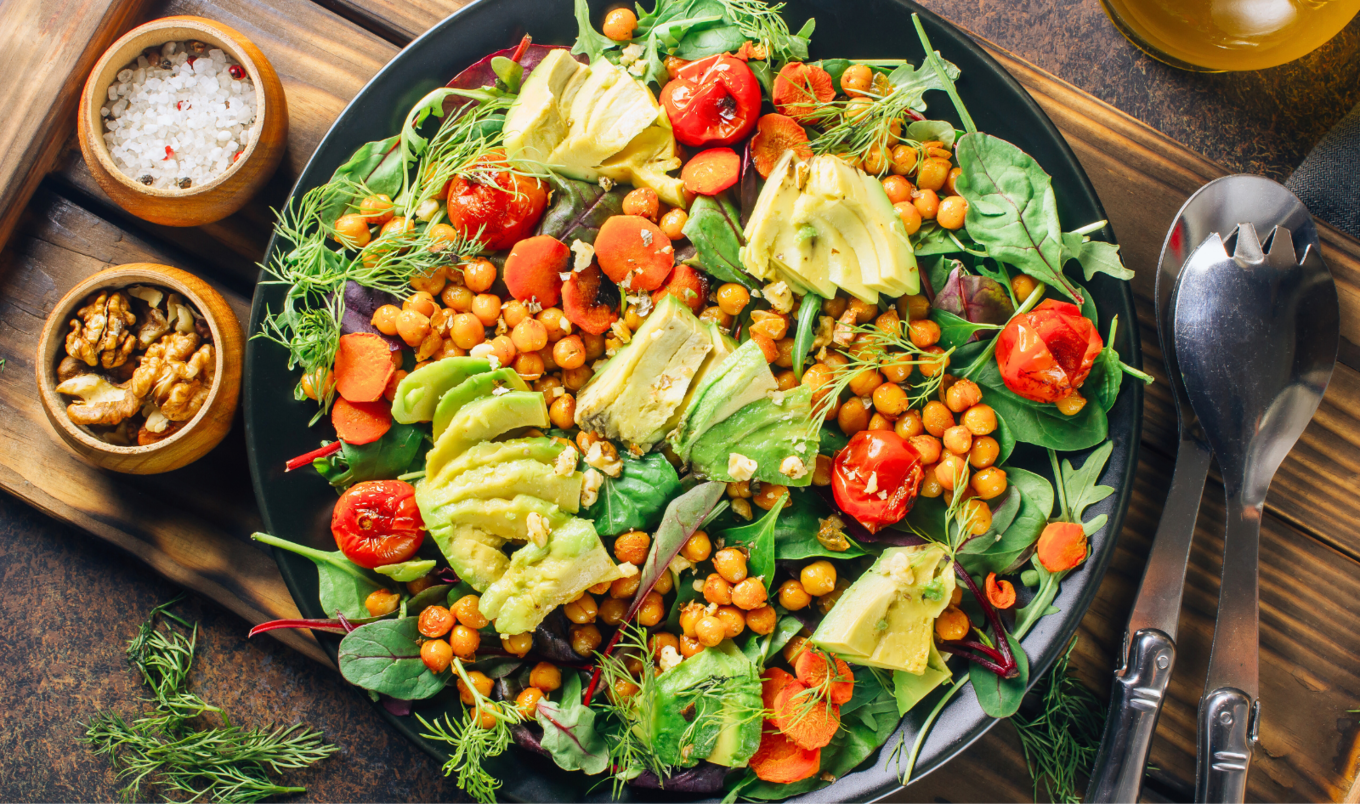 Neal Barnard advocates for a whole food, plant-based diet. | Canva
That conversation led to a pilot study using a low-fat vegan diet to manage type 2 diabetes with no added medications or exercise. The results were so compelling that the National Institutes of Health awarded Barnard’s team a major grant in 2003. Their randomized clinical trial compared a conventional diabetes diet with the low-fat vegan diet, and the vegan diet came out ahead. Participants lowered their A1C three times more effectively, lost more weight, and improved blood sugar without calorie restriction.
One participant in particular made a lasting impression. He had a dangerously high A1C of 9.5, which meant his blood sugar was far above the healthy range doctors aim for, and he feared losing his vision or limbs. But by the end of the study, his diabetes had vanished.
“I closed my office door and paced around for about 10 minutes because diabetes wasn’t supposed to go away,” Barnard recalled. “But it was gone.”
The idea that type 2 diabetes could be reversed was once controversial. Barnard’s book, Dr. Neal Barnard’s Program for Reversing Diabetes, made careful distinctions, clarifying that while people with type 1 diabetes will always require insulin, those with type 2 may experience dramatic improvements or even complete remission through dietary change. The work cited numerous studies and resonated widely, eventually becoming the subject of a television special produced by Detroit Public Television in 2009, which aired thousands of times across the country.
Recognizing that remission is possible for type 2 diabetes, the American College of Lifestyle Medicine recently created a new diagnosis code for use by clinicians to recognize type 2 diabetes remission through lifestyle intervention and other therapies.
 Neal Barnard’s 2024 book ‘The Power Foods Diet’ received international acclaim. | Neal Barnard Instagram
The power of food—and a shift in medicine
What exactly does Barnard recommend people eat? He and PCRM promote a whole-foods, plant-based diet that is low in fat and centered around fruit, vegetables, whole grains, and legumes. This means eliminating animal products, minimizing added oils, and avoiding ultra-processed foods. And it’s an approach that doesn’t involve calorie counting or restrictive rules.
In fact, Barnard’s adamant that while this all may sound like a major lifestyle overhaul, it doesn’t have to be. In practice, choosing healthy, whole foods can be quite simple.
In an interview with Forks Over Knives, he offered suggestions on how to dine out healthfully. “When you’re going to your favorite Italian place, order the minestrone and pasta e fagioli. When your angel hair pasta comes, top it with the arrabiata sauce. At Chinese restaurants, go for the rice dishes, tofu dishes, vegetable dishes, and soups. Eating Japanese? Have the cucumber roll, the asparagus roll, the sweet potato roll, the miso soup, and the edamame. At Mexican restaurants, order the veggie fajitas, bean burritos, or beans and rice.”
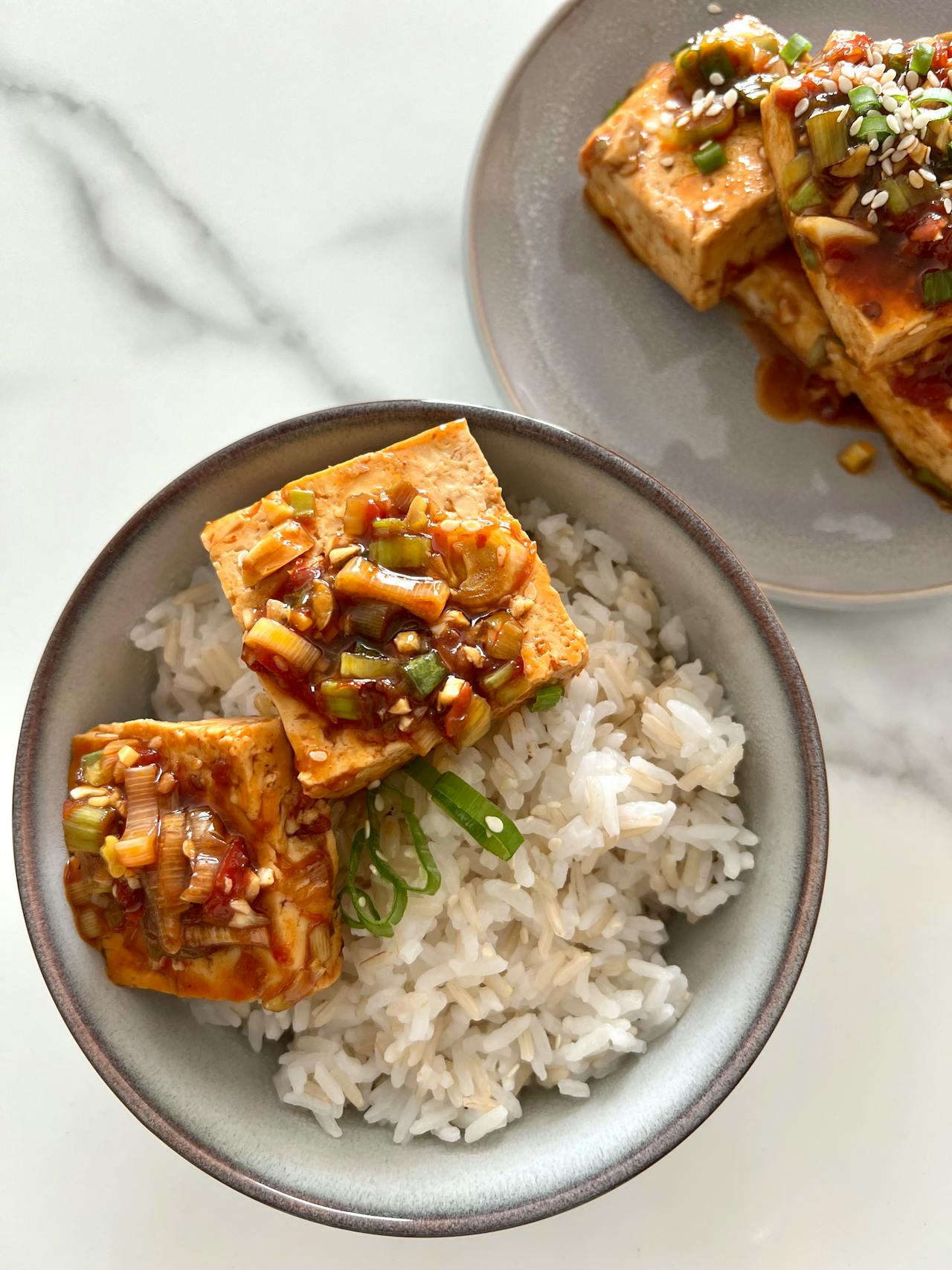 Avoiding ultra-processed foods and animal products is central to Barnard’s approach. | Pexels
Barnard also emphasizes that while exercise is important for overall health, it plays a smaller role in weight loss than most people expect. In contrast, his research suggests that a low-fat, plant-based diet can increase metabolism by about 15 percent over time.
Barnard’s recommended dietary pattern has been studied not only for diabetes, but also for heart disease, cancer risk, and hormonal health. In fact, Barnard recently led a study into menopause after helping another patient overcome severe hot flashes through diet. That experience prompted a clinical trial of 84 women, which showed that a low-fat vegan diet, combined with a half cup of soybeans daily, reduced moderate-to-severe hot flashes by 88 percent.
Now, plant-based nutrition is no longer limited to alternative health circles; it is gaining traction within academic medicine and clinical practice.
“The number one killer of doctors is the same as the number one killer of their patients: heart disease,” Barnard notes. “And cancer and diabetes affect doctors, too.”
Every August, PCRM hosts the International Conference on Nutrition in Medicine in Washington, DC, drawing over a thousand healthcare professionals. Many come for continuing education credits, but then stay for the science. Attendees often leave inspired to make personal and professional changes.
That shift hasn’t always come easily. In the 1980s and ’90s, Barnard faced skepticism and resistance. “People would say, ‘Where do you get your protein?’” he remembers. “Now they say, ‘I know it’s healthy, but I just don’t think I could do it.’” Public perception has moved from doubt to curiosity to growing acceptance. Even grocery store shelves reflect this evolution; soy milk, oat milk, tofu, and meatless options are now standard in small towns across America.
Redefining the research model
Beyond clinical care, Barnard has also pushed to reform how medical research is conducted. Under his leadership, PCRM has long advocated for more ethical, human-relevant models, pressing institutions to move away from outdated animal tests when better alternatives exist.
At the same time, Barnard is acutely aware of how nutrition misinformation, especially online, can cloud public understanding. “There’s always a troublemaker in the back of the room somewhere,” he says, referring to skeptics and social media misinformation. But he doesn’t write them off. “I remind myself that even the skeptics are vulnerable people who are going to get hurt unless they learn there’s a better way to go.”
Skepticism, in his view, is warranted, especially in a health landscape flooded with bold claims and fad diets. That’s exactly why rigorous science is at the center of his work. “People ought to want to see proof,” Barnard says. “So we provide that, as well as the tools to help a person down the path.”
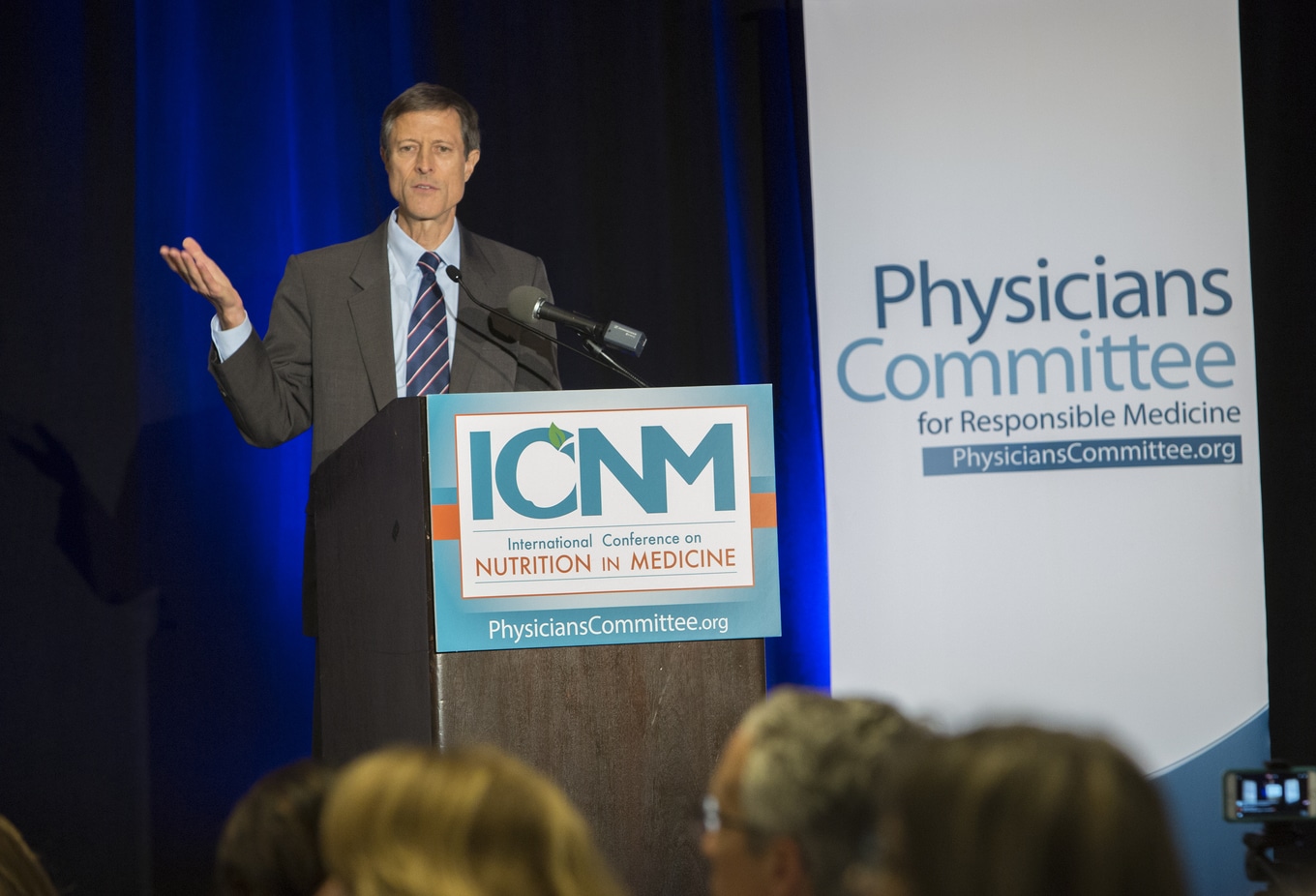 PCRM celebrated its 40th anniversary in 2025. | PCRM
A new paradigm of healing
Barnard’s work has helped thousands of people discover that food can be their most powerful medicine. The model he champions doesn’t promise miracle cures, but it does offer something more profound: a sustainable, evidence-based path to better health. And as research continues to evolve, so does the medical community’s view of what’s possible.
“Our expectations have grown,” he says. “It used to be that you could heal a cut or a broken bone, but not clogged arteries or diabetes. Now we know that the body’s ability to heal is stronger than we imagined. The key is to put the power of food to work.”
For more plant-based stories like this, read:
JUMP TO ... Latest News | Recipes | Guides | Health | Subscribe

Charlotte is a VegNews editor and writer based in sunny Southsea on England's southern coast.
Here at VegNews, we live and breathe the plant-based lifestyle, and only recommend products we feel make our lives amazing. Occasionally, articles may include links where we might earn a small commission, but in no way does this effect the editorial integrity of VegNews.