


Few topics about the vegan diet seem to be as sticky as the debate over whether or not honey is vegan. On one side are the ethics. Honey is an animal product and therefore by definition, not vegan.
jump to THE honey ALTERNATIVES
But some people following a plant-based diet have no objection to consuming honey, maybe because they don’t consider bees animals. If they knew, however, that a worker bee will produce just one-twelfth of a teaspoon of honey in her entire one-month lifetime, and that the honey is food for her colony, perhaps they would reconsider.
What is honey?
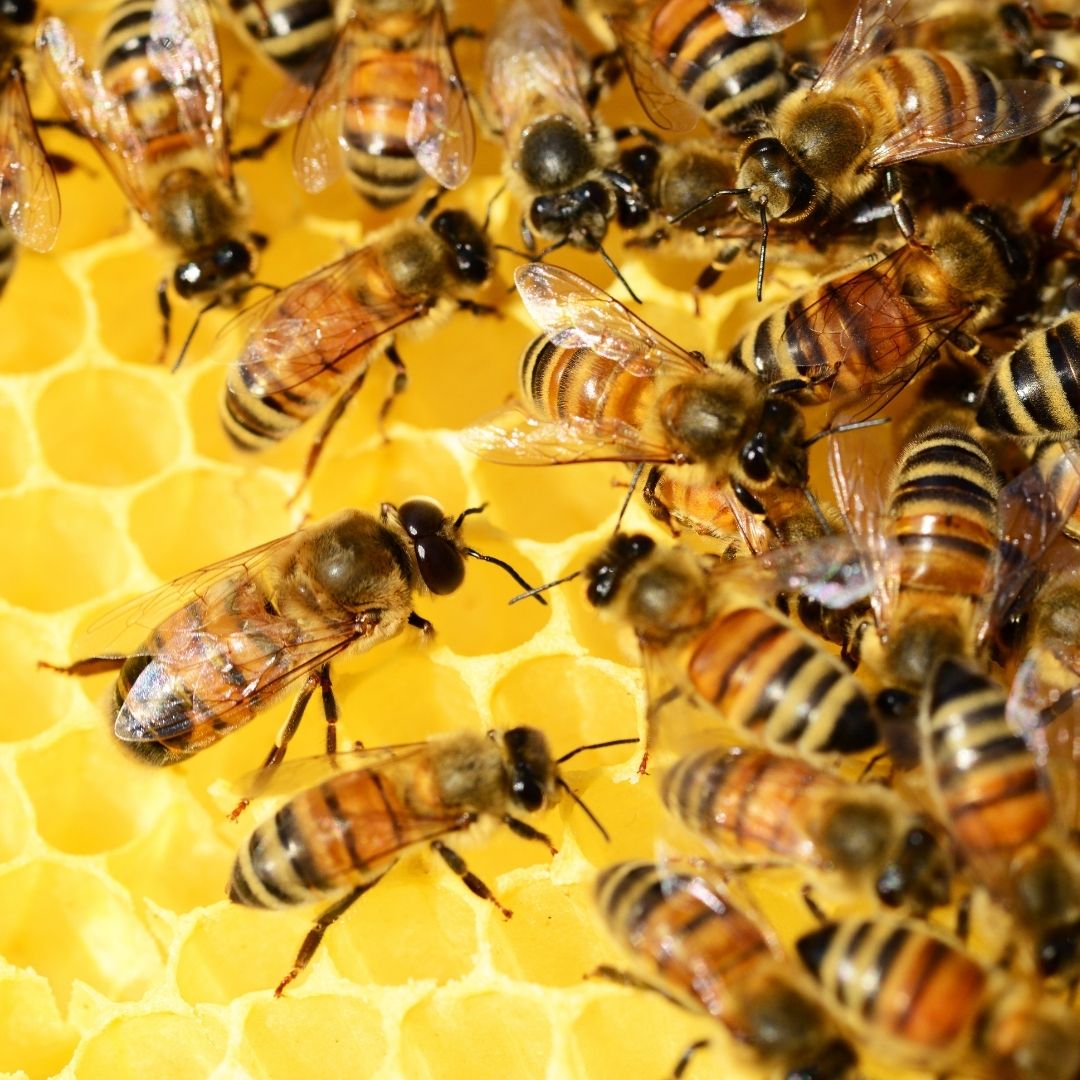
Honey is a thick, sweet, gold- or amber-colored liquid made by female honeybees (the role of the males is to mate with the queen). They fly far from their hive to collect nectar—the sugary juice in the center of flowering plants—and store it in the first chamber of their stomachs. When they have a full load, they fly back to the hive and regurgitate the nectar, which is passed from one worker bee to another through their mouths to reduce the nectar’s water level.
 Canva
Canva
Once the water content drops from its normal 70 to 80 percent down to 18 percent, bacteria and mold cannot grow and the nectar is transformed into honey. The bees then store the honey in hexagon-shaped honeycomb cells made of wax. Honeybees produce honey to feed their offspring and stockpile it for the winter months when flowers are not in bloom.
Honeybee populations
There are about 20,000 species of bees worldwide, an estimated 4,000 of which are native to the United States. Bees are vital to agriculture, pollinating approximately 80 percent of our flowering plants, including about 75 percent of the fruits, vegetables, and nuts, grown in the US.
A major problem that began afflicting North American honeybees in 2006 is colony collapse disorder (CCD), in which adult bees abandon hives, almost at the same time, and eventually die (the phenomenon had been occurring in Europe as early as 1998.) Many studies have linked pesticides to CCD, but scientists have yet to pinpoint exactly what causes it. Among the theories are invasive mites, poor nutrition, and the stress bees suffer from being transported to multiple locations to provide pollination services.
With some 2.8 million honeybee hives in the US, bee farmers worked to improve hive conditions, and some reports suggest that CCD has decreased while others say that colonies are still being lost at a high rate.
One high-tech solution to CCD is artificial intelligence. Developed by a startup called Beewise, BeeHome is an autonomous, solar-powered hive that allows beekeepers to watch and care for bees. The digital hive monitors the bees 24/7, and its AI technology identifies their needs in real-time. BeeHome “comes complete with a beekeeping robot that acts as both medic and guardian to complement the natural intelligence of bees.”
But other bee populations are suffering too, and humanity is largely responsible.
“In North America, it isn’t colony collapse or bee mites or pesticides that are the biggest threat to many of the 4,000 native bee species, it’s the ubiquitous honeybee,” Daniel Rubinoff, professor of entomology at the University of Hawaii, says.
Tremendously adaptable, honeybees can thrive in a wide variety of environments, he says, and can harvest nectar from practically any plant that blooms. Wild bees, on the other hand, are much more particular; they are wonderful pollinators, but each native bee species collects pollen from a narrow set of plants.
“Outcompeted by the hordes of honeybees pouring from hives all across the country, native bees, with their solitary lifestyles and picky eating habits, have been disappearing for decades. Over 20 years of data now indicate that honeybees deliver a range of negative impacts, including direct competition with more effective native pollinators (not just other bees), and indirect effects like pollinating invasive weeds and facilitating their spread.”
Is honey vegan?
In determining whether it’s ethical for humans to consume honey, it is important to understand how the industry operates and what it does to bees.
The commercial honey industry is like the dairy industry in some significant ways. Humans have been exploiting both cows and honeybees for 9,000 years. Like cows, honeybees are not native to North America and were imported to what is now the United States from Europe hundreds of years ago to work as agricultural animals. With the advent of modern agriculture after World War I, beekeepers began expanding their farms into much larger businesses.
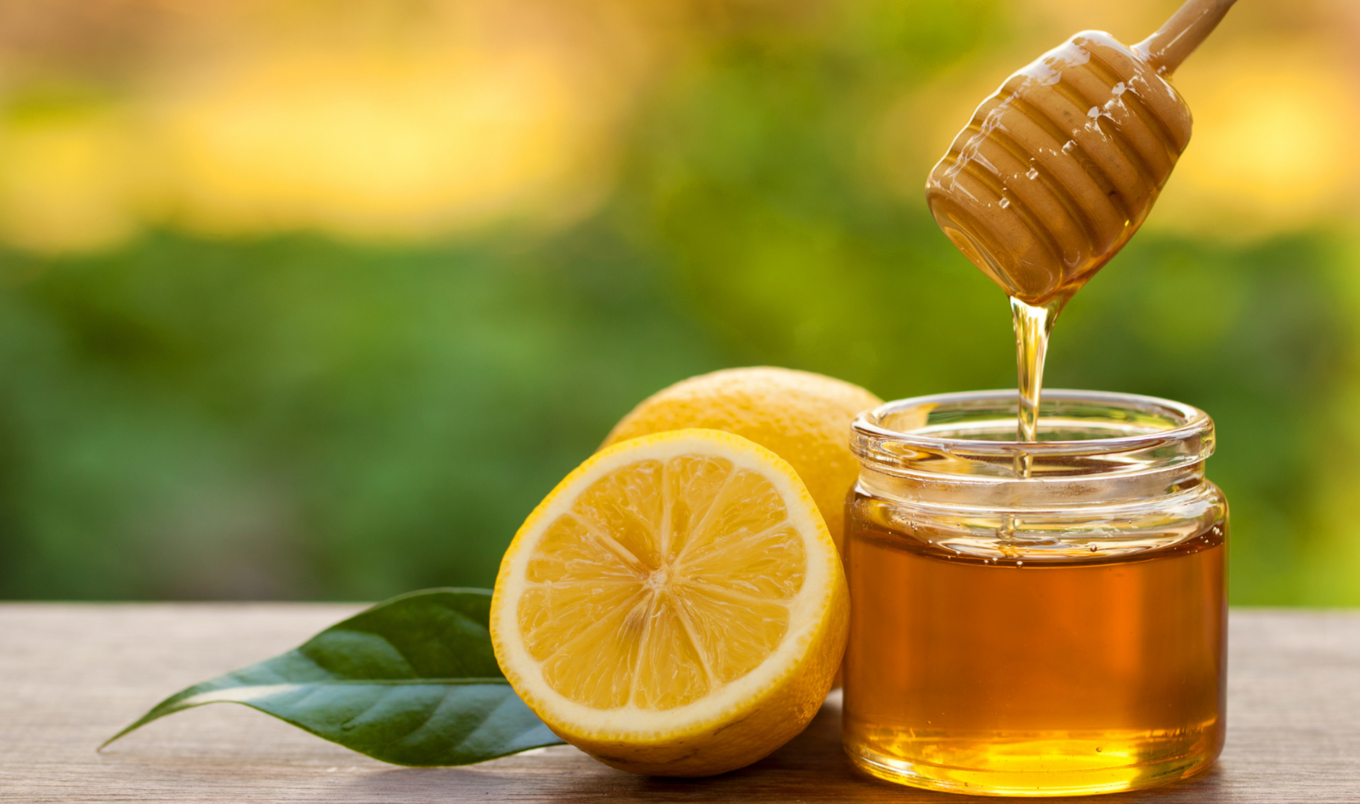
Moreover, honeybees are artificially inseminated, just like cows are, and in the same way that cows and calves are considered “expendable” by dairy farmers, bees are routinely killed before winter because it’s cheaper than feeding them.
Finally, humans profit from the animals in both industries by stealing their food and substituting it with an inferior replacement—in the case of bees, it’s refined sugar or high fructose corn syrup. Artificial feeds are insufficient for the bees’ needs and can have devastating consequences, as they can harm their immune system and cause genetic mutations that lower their natural defenses against pesticides. And because, unlike honey, high fructose corn syrup does not contain the protective enzyme a bee’s body needs to help fight off the toxins found in pesticides, feeding honeybees substitutes has been linked to CCD.
Another consideration is that because of honey’s healing properties, it is sometimes tested on animals, including rabbits, dogs, and rats, all of whom are inflicted with painful injuries before honey is applied to their wounds.
One expert on bee honey is Darko Mandich, who worked in bee honey production for eight years at a large European food company before realizing it was responsible for killing bees.
“Honey is not vegan,” Mandich tells VegNews. “I am not proud of things I did to the bees in my former roles, but I am happy that as an industry insider, I know how to change this outdated industry.”
Mandich is the co-founder of MeliBio, a San Francisco-based startup that makes real honey without bees (see honey alternatives below). MeliBio has since been acquired by the Swiss company FoodYoung Labs.
Is any honey ethical?
One poll found that 20 percent of people who labeled themselves vegan saw no conflict with eating honey. And this raises the question: can any honey really be considered ethical?
Among conscious consumers who seek ethical—or at minimum “least-harm”—products, there is a niche for “ethical” honey. This comes from bee farmers who claim to care more about the welfare of the bees than about maximizing profit. Clearly, this excludes nearly all commercial honey and ignores the inherent injustice of animal exploitation.
Consumers who want “ethical” honey generally buy from “balanced,” “natural,” or “biodynamic” beekeepers. Balanced beekeepers only take honey when there is a surplus. Natural beekeepers create hives that mimic how bees live in the wild, such as in logs. Biodynamic beekeepers consider themselves stewards of bees rather than their keepers and interfere with bee colonies as little as possible.
Commercial bee farmers would have consumers believe that the honey industry provides a critical role in the pollination of crops and the conservation of bee populations. But domesticated (sometimes called “managed”) honeybees do not pollinate as well as their wild cousins, and managing hives does nothing to protect wild pollinators.
“An individual visit by a native bee is actually worth far more than an individual visit by a honeybee,” Bryan Danforth, professor of entomology at Cornell University, said in Scientific American. “Honeybees are more interested in the nectar. They don’t really want the pollen if they can avoid it. The wild, native bees are mostly pollen collectors. They are collecting the pollen to take back to their nests.”
Dr. Danforth adds that managed honeybees often escape the hive and go feral, easily invading and dominating a vast array of ecosystems. “It’s these feral honeybees, especially, that pose a challenge to nearly all native pollinators since honeybees forage throughout the growing season for nectar and pollen from a wide array of flowers, building up vast numbers. When honeybee competition reduces the number and diversity of native pollinators, native plants also can suffer since they may receive less efficient pollination.”
Best vegan alternatives to honey
If you’re looking for an animal-free alternative to honey, check out the products and brands below.
 Mellody
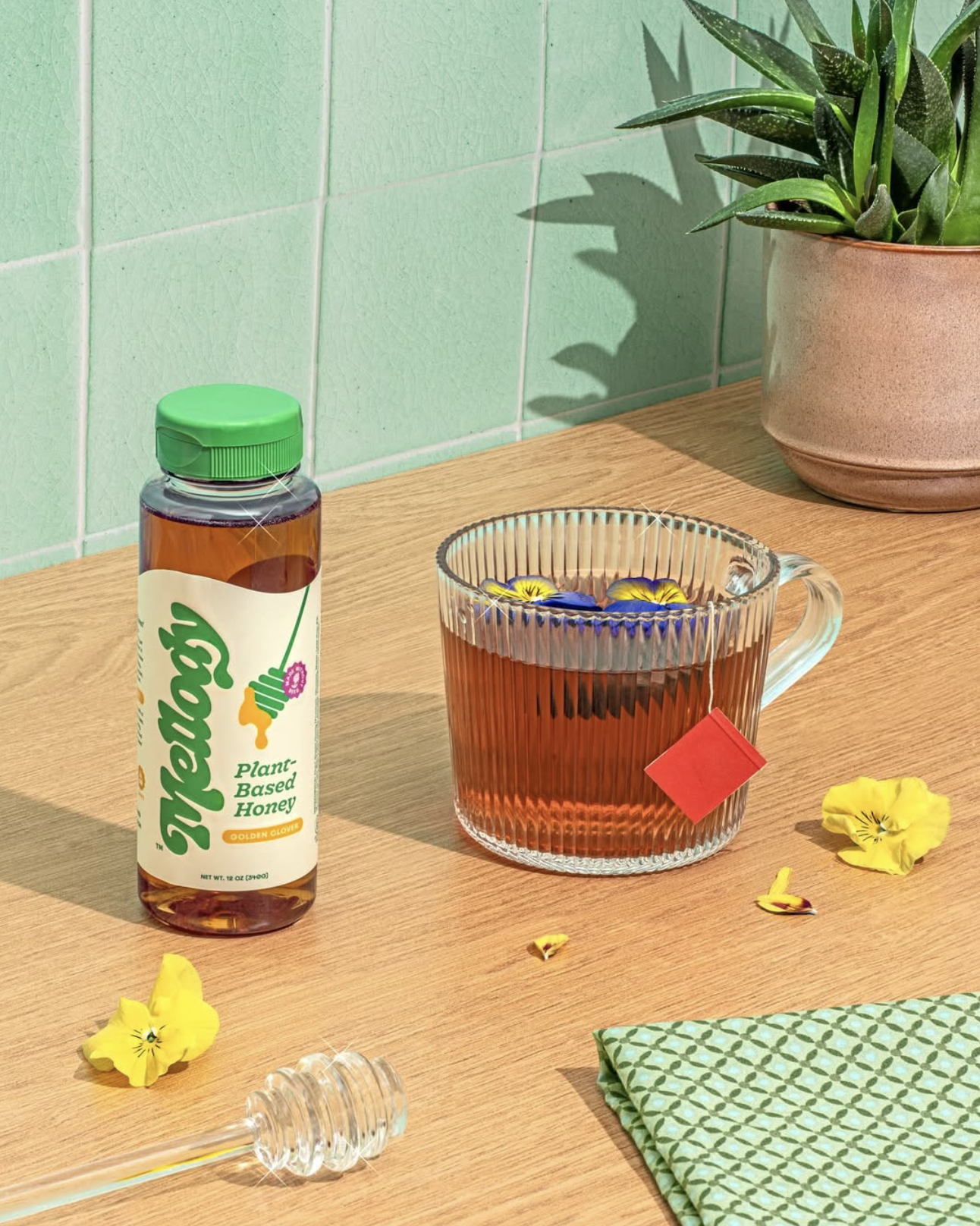
1 Mellody Plant-Based Honey
Using a blend of plant science and microbial fermentation, MeliBio makes genuine honey without exploiting honeybees. The company’s bee-free Mellody product has the same taste, texture, and viscosity as conventional honey.
 Wholesome
2
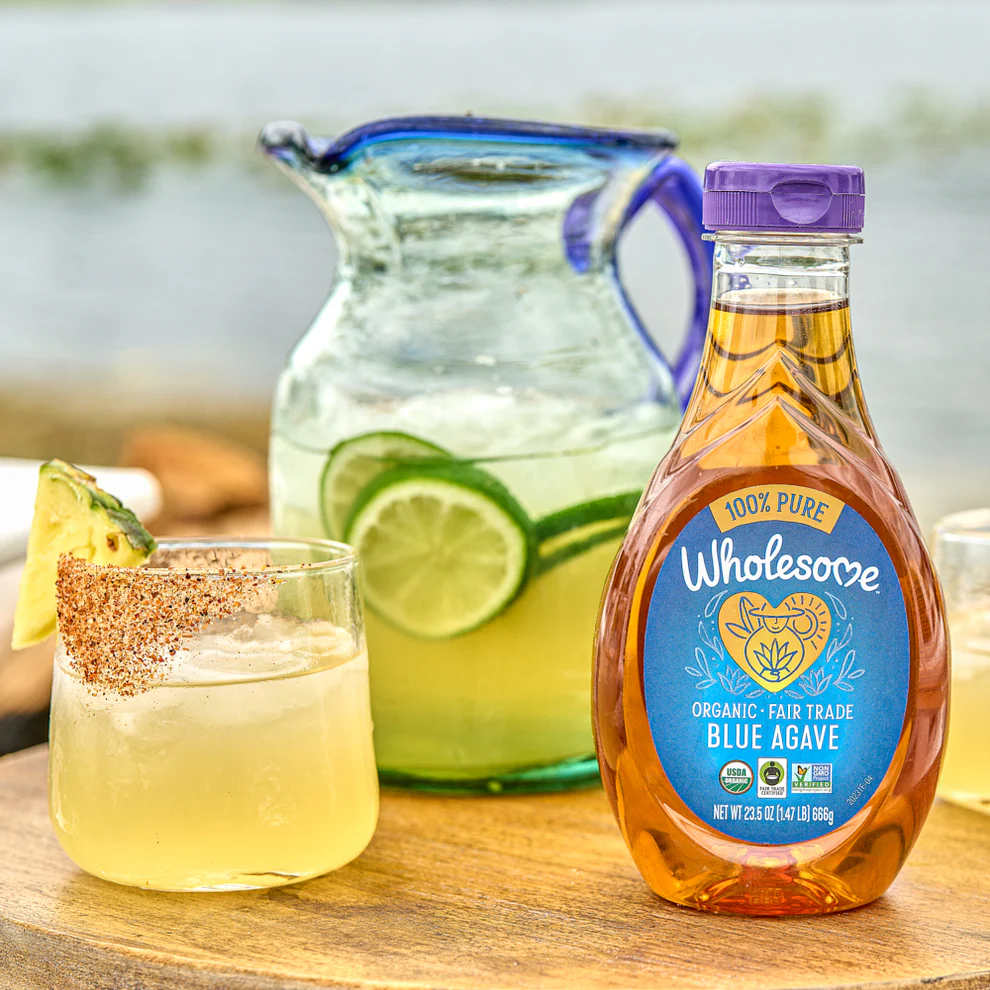
Wholesome Organic Blue Agave
Agave is derived from the agave plant, a succulent native to the Americas, and makes for an excellent substitute for honey, whether it’s added to tea or a recipe. But agave’s popularity has led some farmers to use environmentally taxing production methods, and commercial production can harm endangered bats, making the product less sustainable than other honey options.
Shop Amazon
 Butternut Mountain Farm
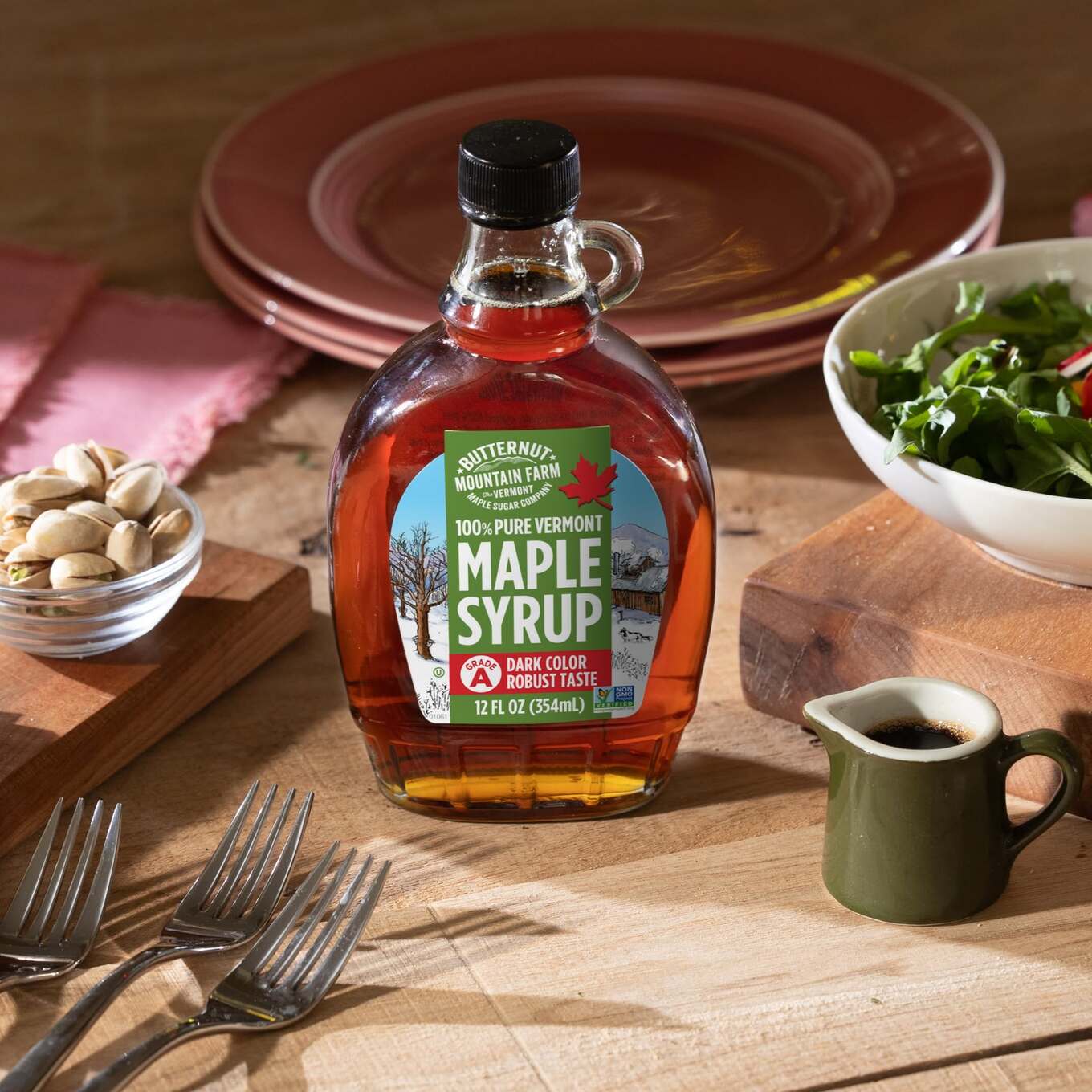
3 Butternut Mountain Farm Vermont Maple Syrup
Like agave, maple syrup is a great one-to-one replacement for honey in recipes and has the same consistency. It’s also reasonably sustainable since properly tapped, well-tended maple trees can yield sap for more than 100 years.
Shop Amazon
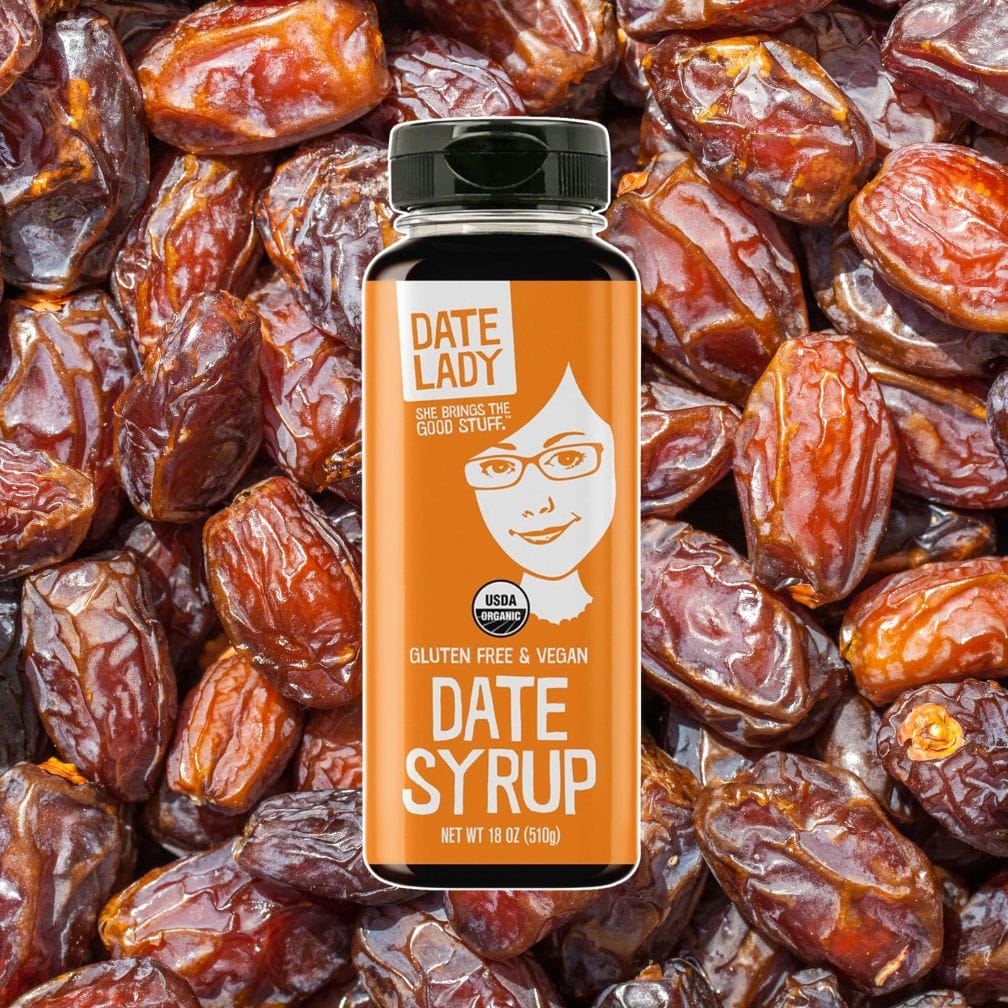
4Date Lady Date Syrup
For the last 14 years, this company has transformed dates into decadent kitchen must-haves, including date syrup. Made from just one ingredient, this date syrup makes for a great honey alternative.
Shop Amazon
 BlenditUp
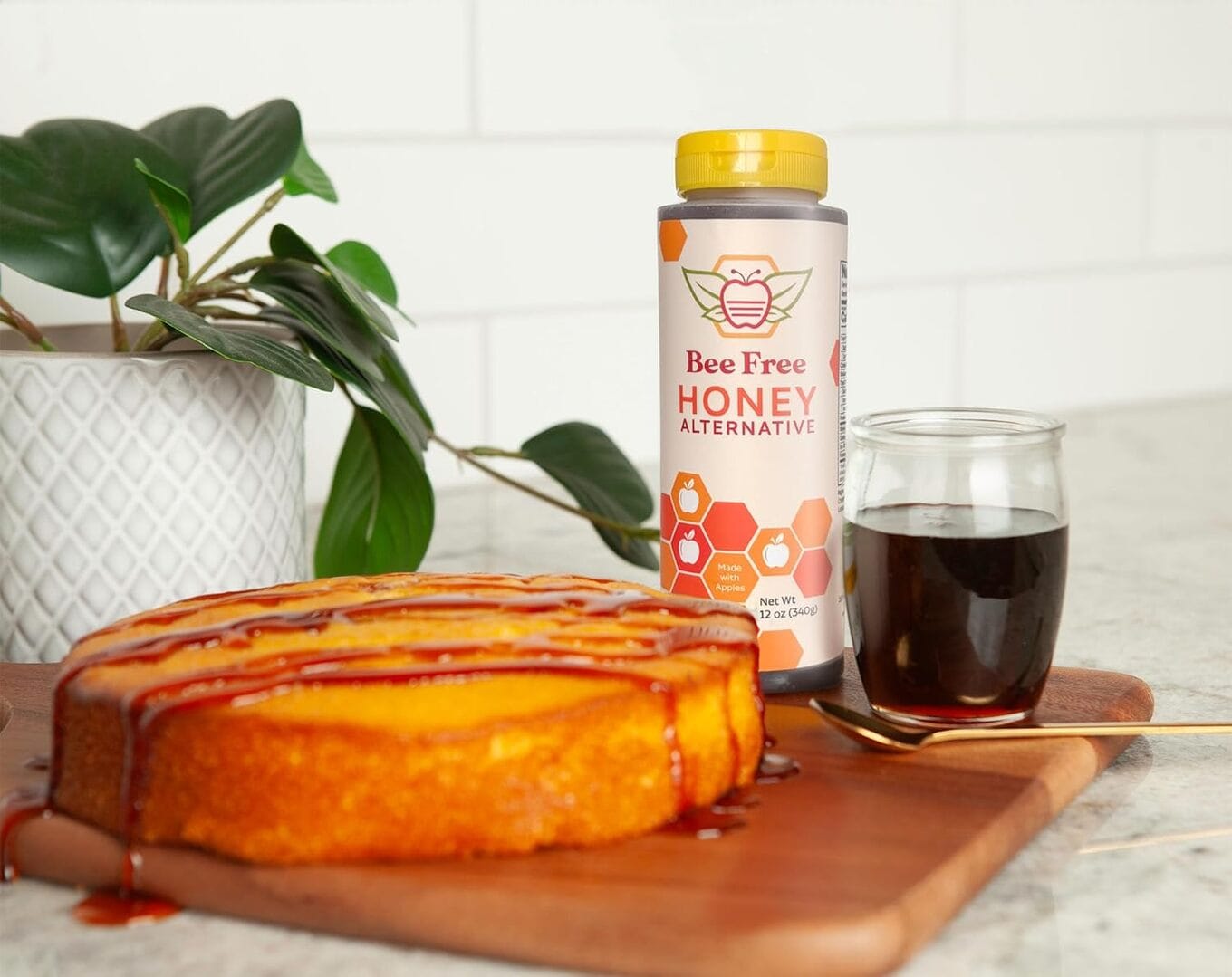
5 Bee Free Honey Alternative
Made from organic apples, BlenditUp’s Bee Free Vegan Honey can be used as a base for smoothies or as a sweetener in place of bee honey, agave, or sugar.
Shop Amazon
 Copra Coconuts
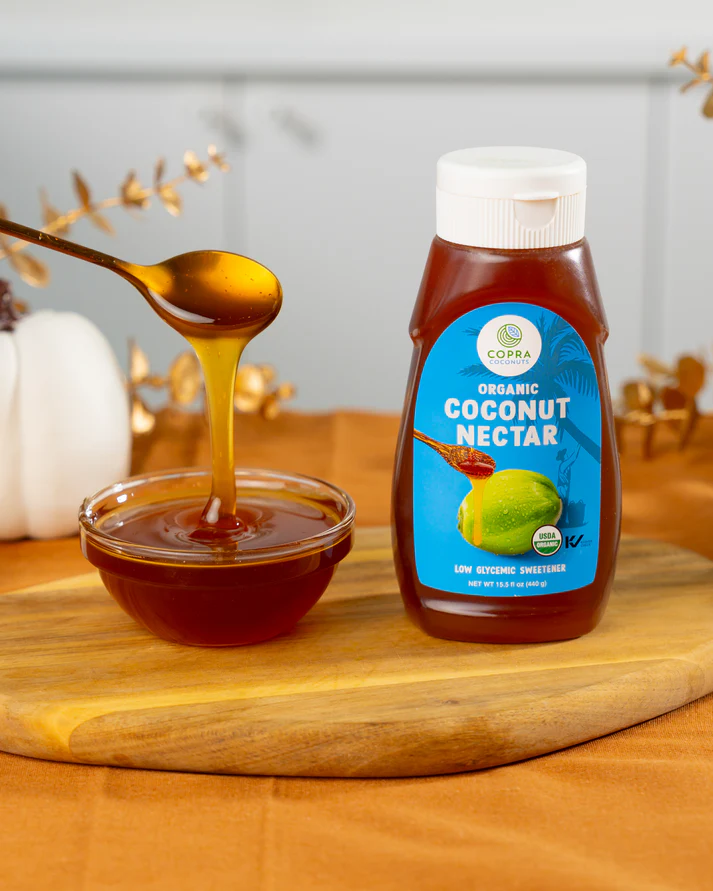
6Copra Coconuts Organic Coconut Nectar
This rich, decadent syrup is made using the sap of Thailand-grown coconut blossom flowers. Use this one-ingredient syrup in place of honey for teas, toast, baked goods, and more.
Shop Amazon
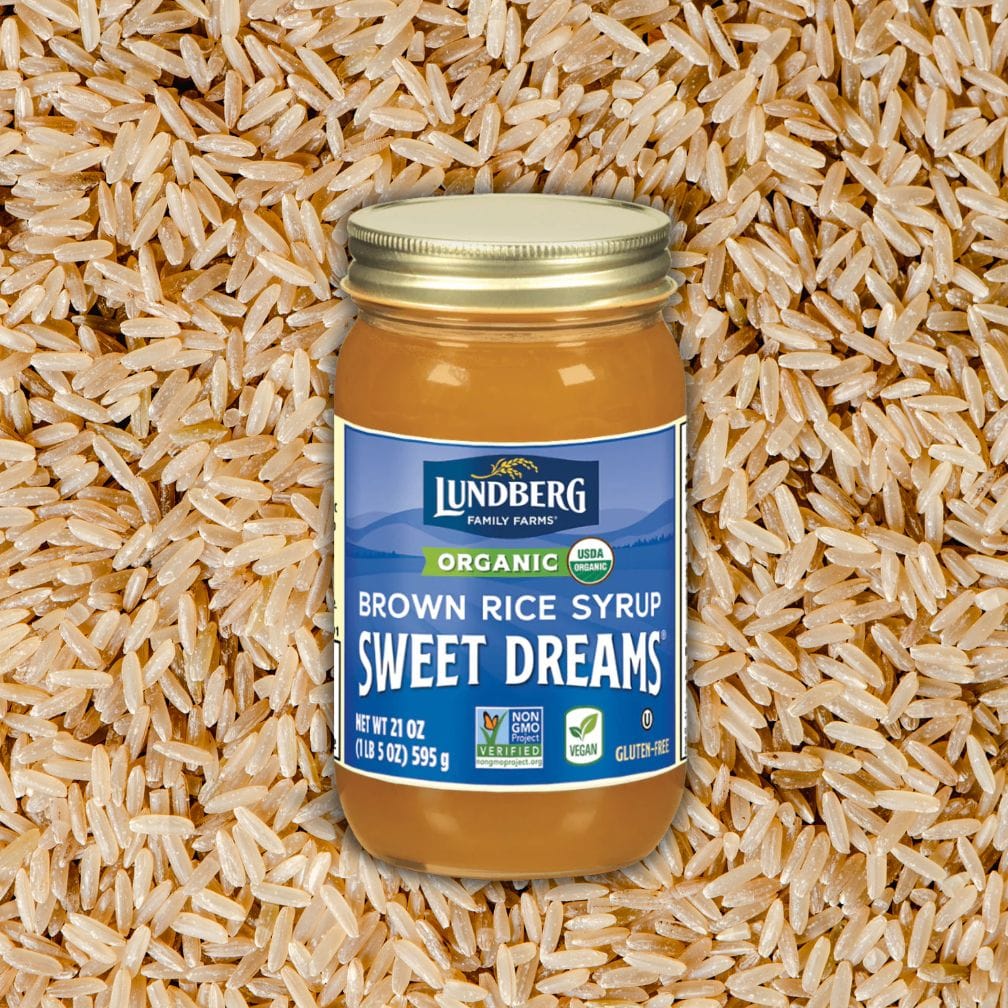 Lundberg Family Farms
7Lundberg Family Farms Organic Brown Rice Syrup
Also known as rice malt syrup or simply rice syrup, this honey alternative is often found in Asian foods and has become popular among consumers looking for a plant-based sweetener.
Shop Amazon
For more plant-based stories like this, read:
JUMP TO ... Latest News | Recipes | Guides | Health | Subscribe

Here at VegNews, we live and breathe the plant-based lifestyle, and only recommend products we feel make our lives amazing. Occasionally, articles may include links where we might earn a small commission, but in no way does this effect the editorial integrity of VegNews.