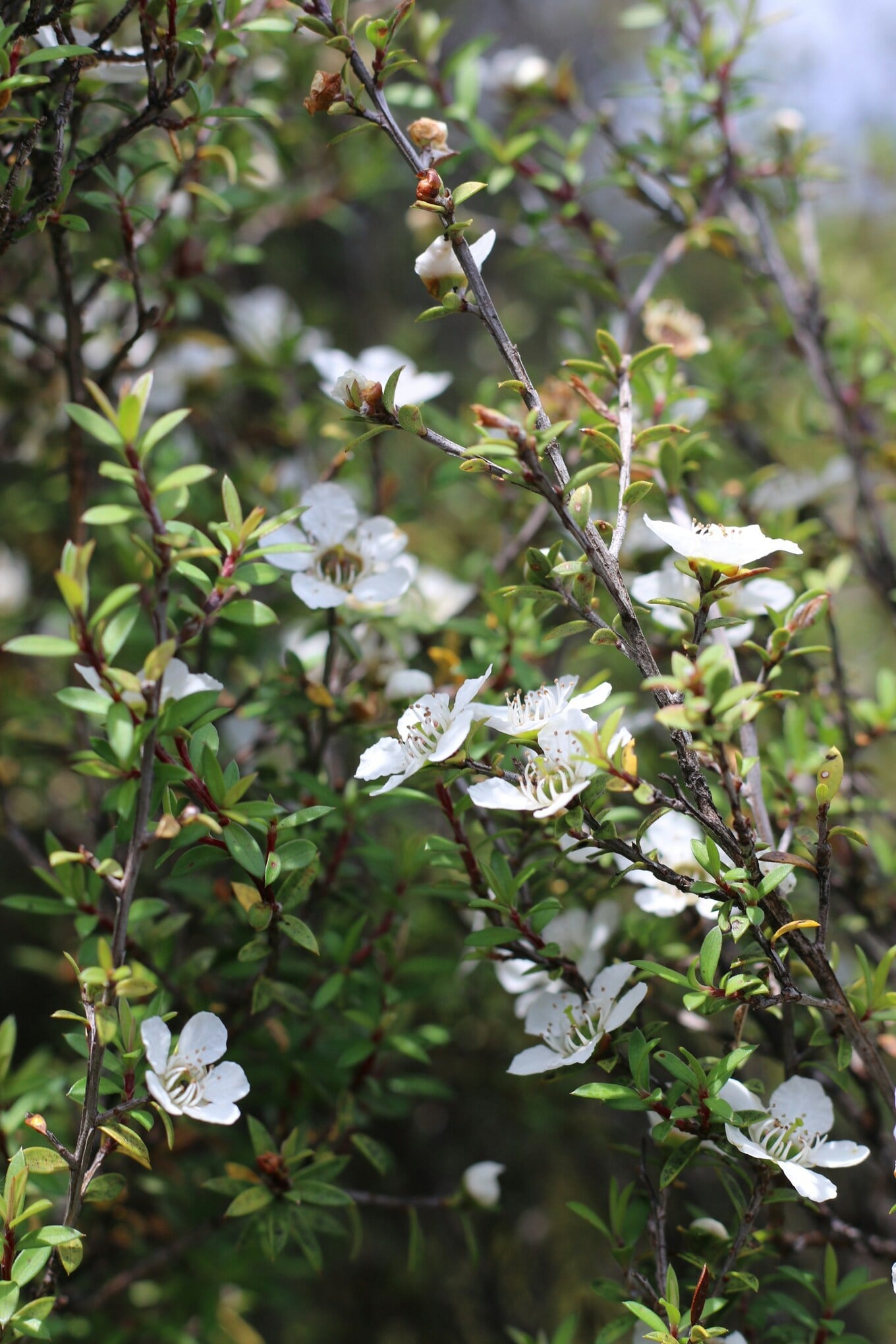
For centuries, the Māori people of New Zealand have looked to the mānuka tree for its healing properties. Whether they were suffering from fever, pain, or a persistent cough, different parts of the tree were used to provide relief. The leaves could ease upset stomachs, while the gum helped calm respiratory problems and soothe burns. The bark, used as a sedative, could reduce feelings of stress and anxiety.
Today, many people reach for mānuka honey, harvested from hives where bees collect nectar from mānuka flowers, to soothe sore throats. In fact, in 2025, the mānuka honey market exceeded $426 million in value.
But there’s a catch to mānuka honey production. While Māori communities traditionally relied on the tree itself, today, we rely on bees. Western honey bees, to be precise, which were first introduced to New Zealand by the English in the 1830s.
 Unsplash
These bees are now threatened by pollution, pesticide use, and disease. Mānuka honey also raises the same ethical questions as other forms of honey production: is it right to exploit animals for profit?
“Honey is made by bees for bees, and their health can be sacrificed when it is harvested by humans,” explains The Vegan Society. “Importantly, harvesting honey does not correlate with The Vegan Society’s definition of veganism, which seeks to exclude not just cruelty, but exploitation.”
Scientists are recreating mānuka honey without bees
But it turns out we might not need bees to recreate some of mānuka honey’s most sought-after properties.
Researchers at Aston University in Birmingham, UK, have suggested that it may be possible to create a vegan honey alternative with similar antimicrobial properties by adding compounds such as methylglyoxal (MGO) and hydrogen peroxide.
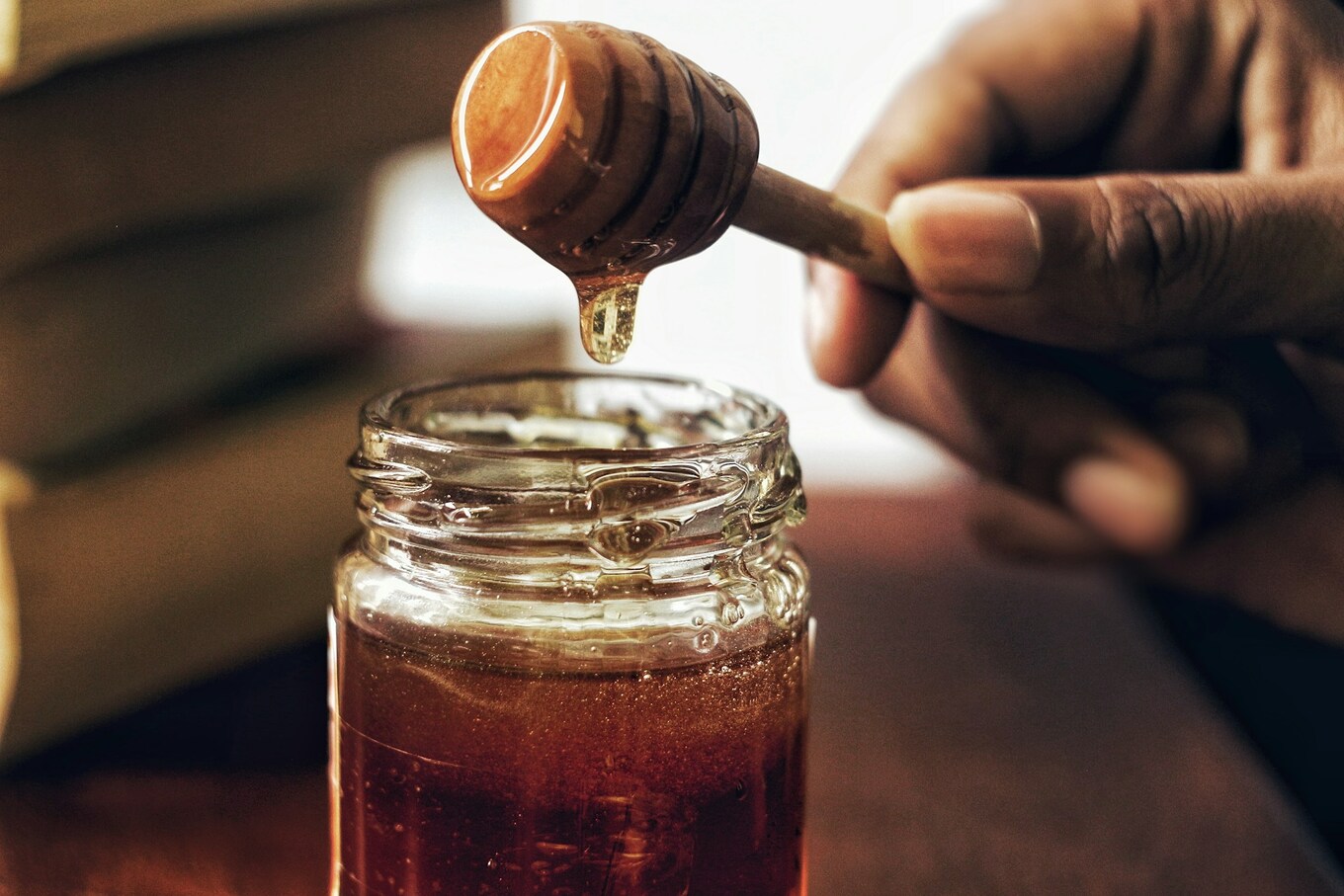
MGO is one of the key compounds that makes mānuka honey so highly sought after. It is found at particularly high levels in mānuka honey and is prized for its potent antibacterial properties.
In fact, research suggests mānuka honey may even be effective against difficult-to-treat bacteria such as Mycobacterium abscessus, which can cause dangerous lung infections in some immunocompromised people.
 Unsplash
It’s easy to understand why Māori communities have long regarded mānuka as a taonga, meaning “treasure.”
In the new research, led by Jonathan Cox, PhD, a senior lecturer in biosciences, scientists found that the bioengineered vegan alternative was also effective against Mycobacterium abscessus in laboratory testing.
Cox and his team will now continue developing new formulas to better understand the antimicrobial components of mānuka honey and how they might be incorporated into vegan alternatives.
“Longer term, this research could help support the development of sustainable honey-inspired antimicrobial products for wound care or other topical applications, without relying on bee-derived ingredients,” said Cox.
“The work also provides insight into how natural honey functions, which may help guide the design of next-generation antimicrobial therapies,” he added.
For more plant-based stories like this, read:
JUMP TO ... Latest News | Recipes | Guides | Health | Subscribe

Charlotte is a VegNews editor and writer based in sunny Southsea on England's southern coast.