


America is obsessed with protein. From TikTok to the grocery store aisles, consumers are in search of high-protein meals, snacks, and even desserts. In fact, approximately 60 percent of Americans are actively looking to increase their protein intake, according to research firm The Hartman Group. And with rising interest in flexitarian diets, consumers are increasingly making room on their plates for plant protein.
In 2020 alone, 28 percent of Americans reported eating more plant protein than the year prior—and it’s easy to see why. Plant protein delivers a host of health benefits: it’s often rich in fiber, which aids in maintaining a healthy gut microbiome, helps digestion, and can even manage blood sugar levels. By contrast, meat consumption has been linked to higher risks of cancer, heart disease, and type 2 diabetes.
Even those focused on building muscle can benefit from trading steak for tofu. Researchers at the University of Illinois Urbana-Champaign found that plant-based diets can support muscle building just as effectively as omnivorous diets, as long as total protein intake is sufficient. But just how much protein is considered sufficient? According to UCLA Health, most adults require between .8 and 1.6 grams of protein for every 2.2 pounds of bodyweight, but those who exercise vigorously will require more of the essential nutrient.
 Impossible Foods
Hot to get your protein without meat
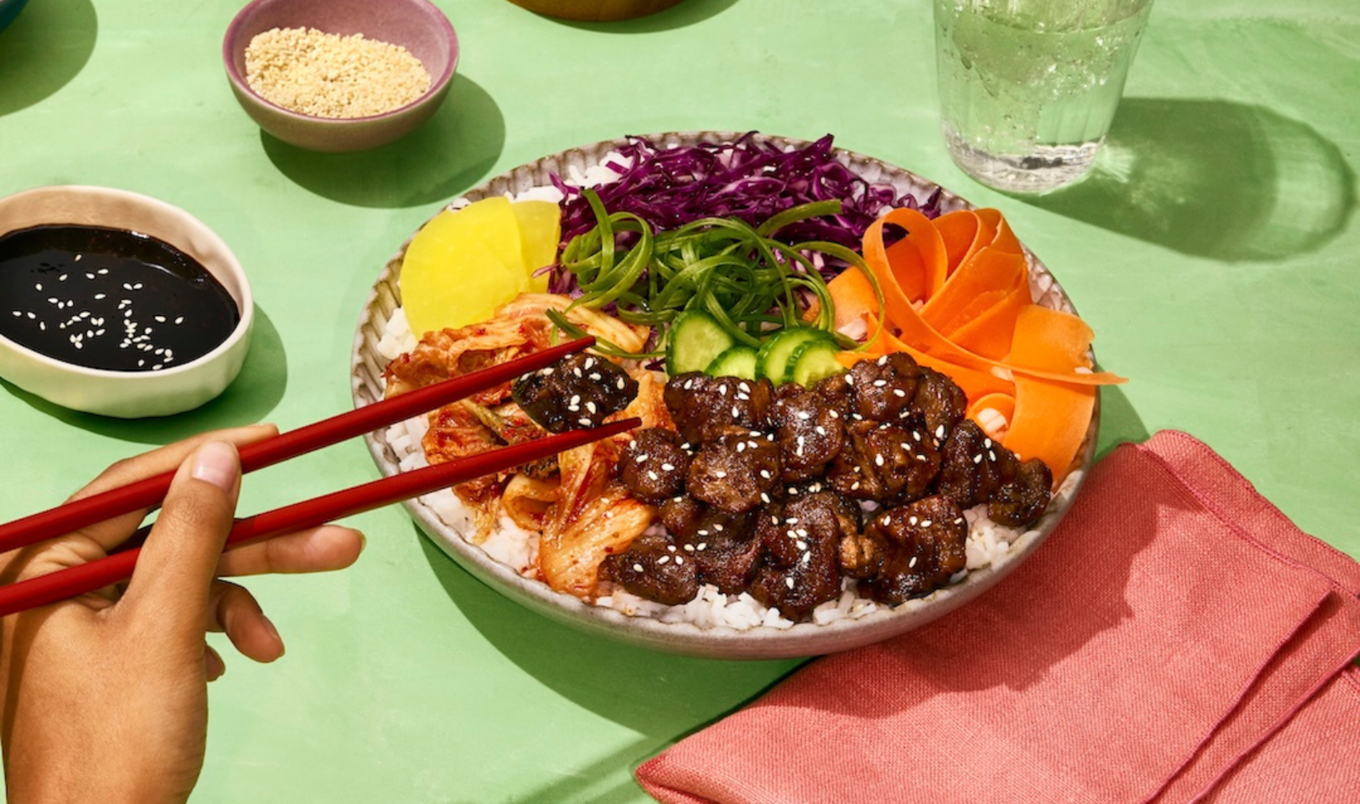
Looking to pack more plant protein into your diet? Tofu and tempeh, both made from soy, are a great place to start. Both are complete proteins, meaning they contain all nine essential amino acids obtained only through food. For something a little beefier, reach for vegan meats such as those made by Impossible Foods, which formulates its products with soy protein isolate. Protein content will range from eight to 19 grams per serving, depending on the product.
Impossible’s competitor, Beyond, skips the soy and instead relies on pea protein—derived from yellow split peas—for its meaty bites, which boast protein content between 11 and 21 grams per serving. In the snack realm, Mezcla protein bars (10 grams of protein each) and Ripple’s dairy-free milks and shakes (between eight and 20 grams) also make use of this plant protein.
Other protein-packed legumes include lentils, chickpeas, and mung beans. Lentils have found their way into an array of chips and puffs, while chickpeas are a favorite in everything from protein powders to pastas to even cereal. As for mung beans, these mighty legumes are the key ingredient in Just Egg, the liquid vegan egg alternative that delivers five grams of protein per serving. More recently, Eat Just—the company behind Just Egg— debuted Just Meat—a super- realistic chicken alternative that packs nearly 48 grams of protein per package.
Whether you reach for vegan meats, pea protein, or mung beans, you’ll always have an answer to “but where do you get your protein?” when you load your plate with plants.
How to up your protein, the plant-based way
Looking to add more protein to your diet? Meat need not apply. Vegan steak tips, new-age protein powders, and even chocolate bars can give you the boost you need—but whole-food, plant-based sources are always a great bet, too. Here are the plant foods boasting the most protein per ½ cup serving.
 Okonomi Kitchen
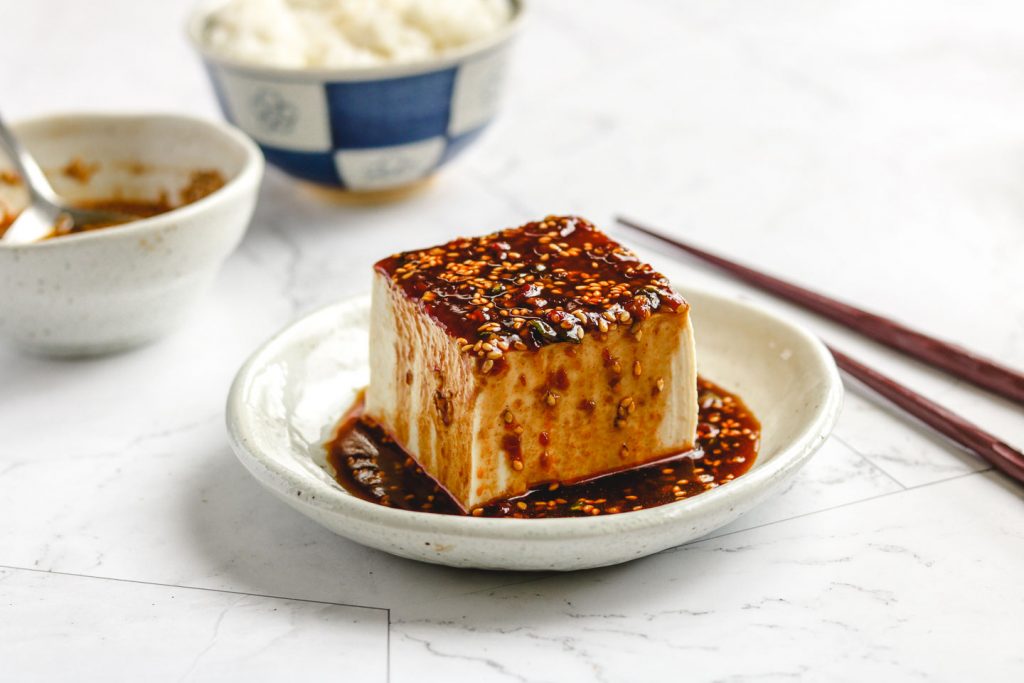
Tofu: 25 grams
 Clare Barboza
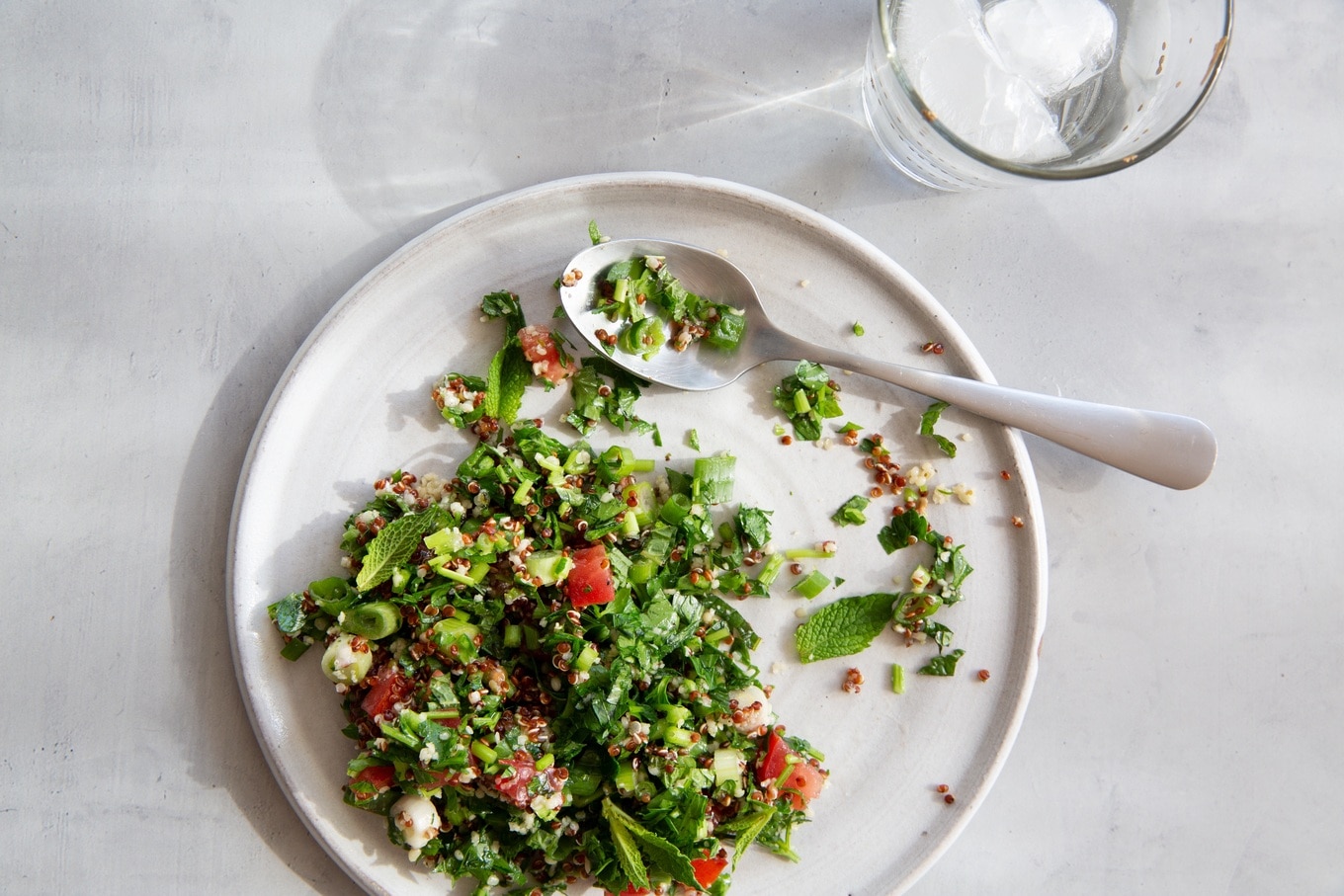
Hemp Seeds: 24 grams
 Adela Srinivasan | Canva
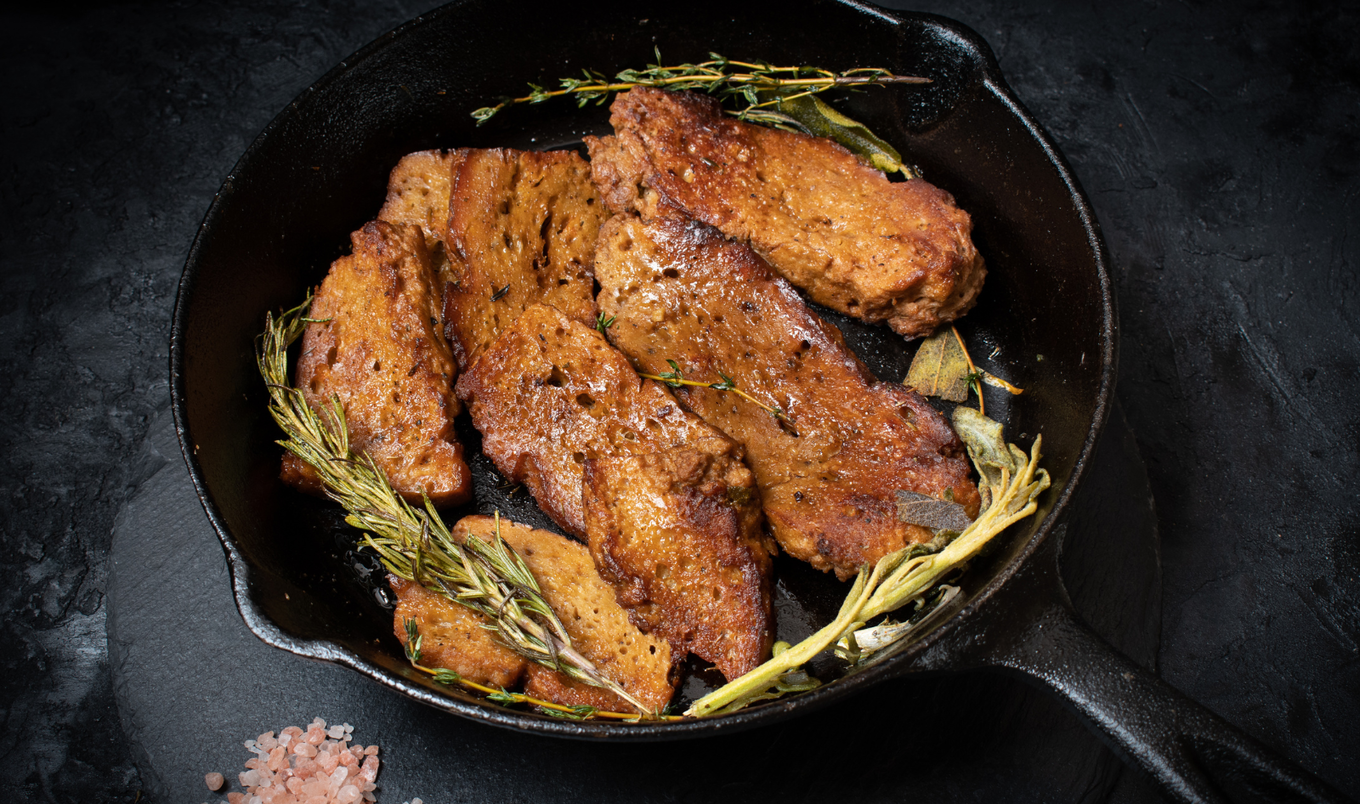
Seitan: 21 grams
 Samuel Joubert
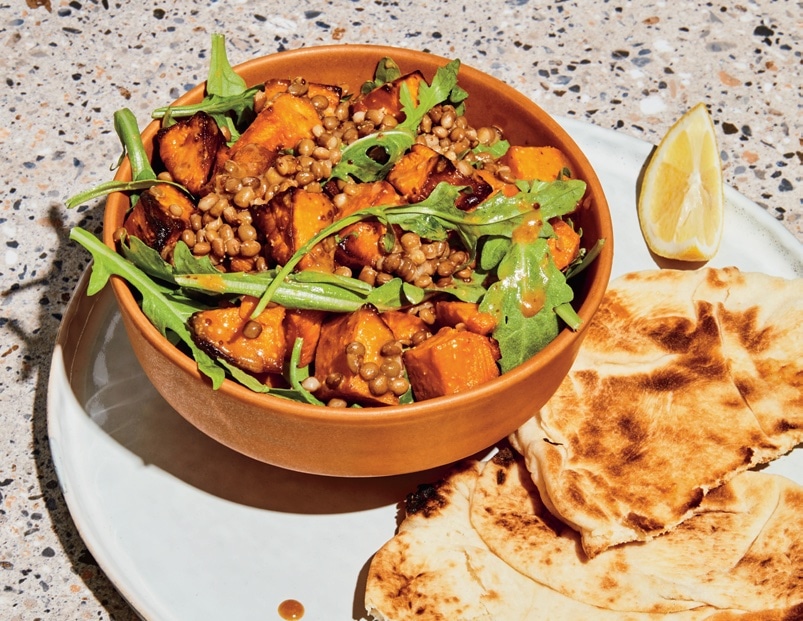
Lentils: 18 grams
 Dane Tashima
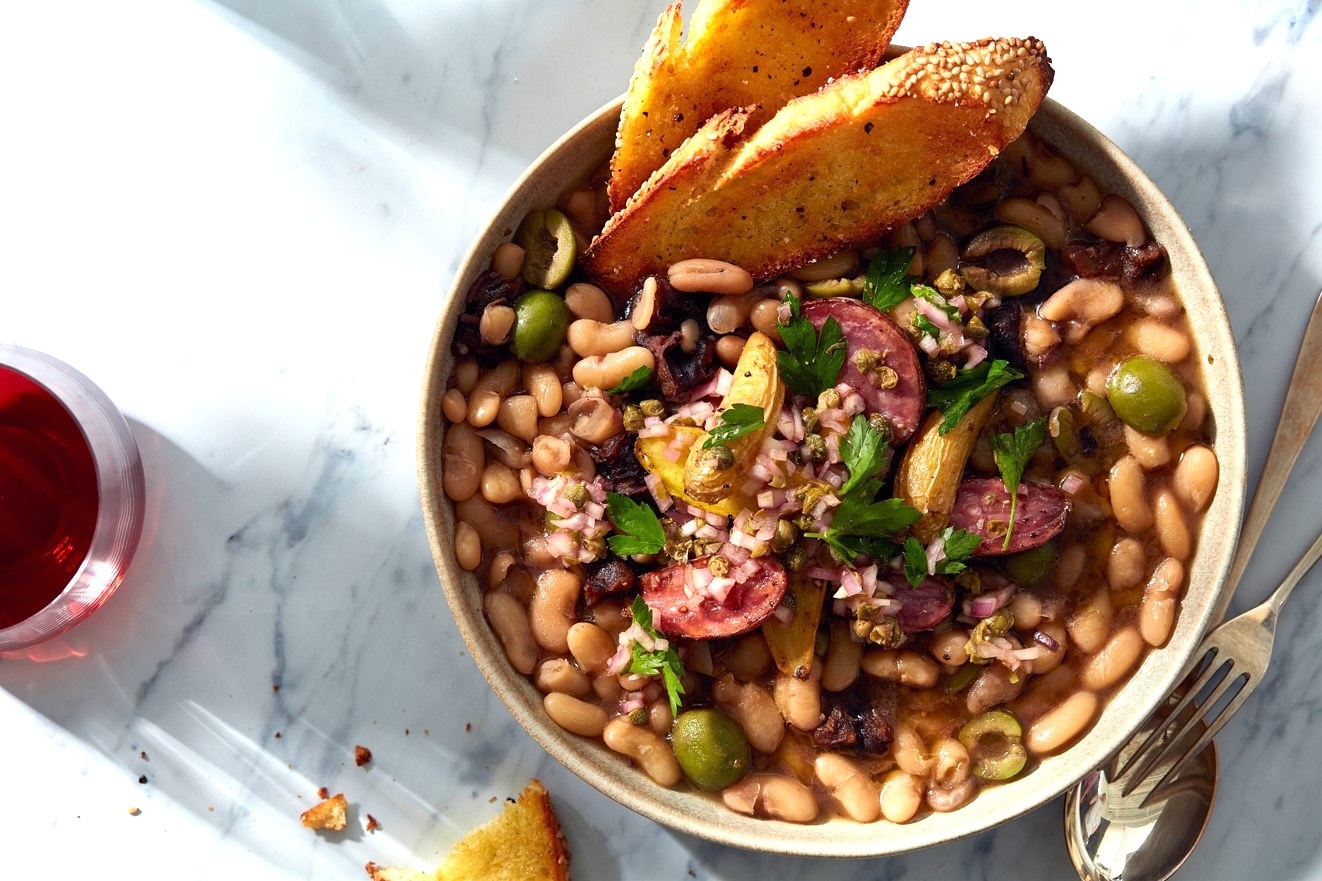
Beans: 14 grams
 ninafirsova | Canva
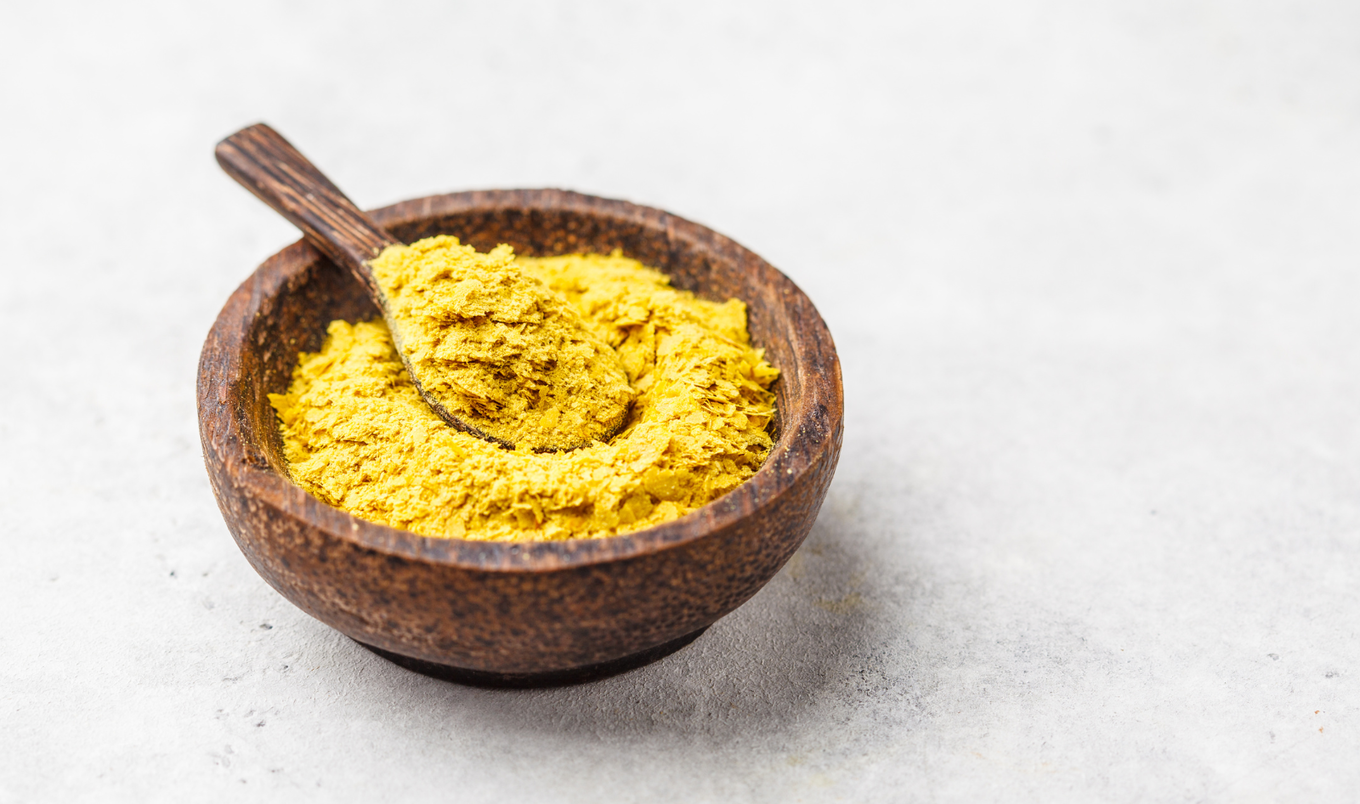
Nutritional Yeast: 8 grams
 Angelina Panaeva | Canva
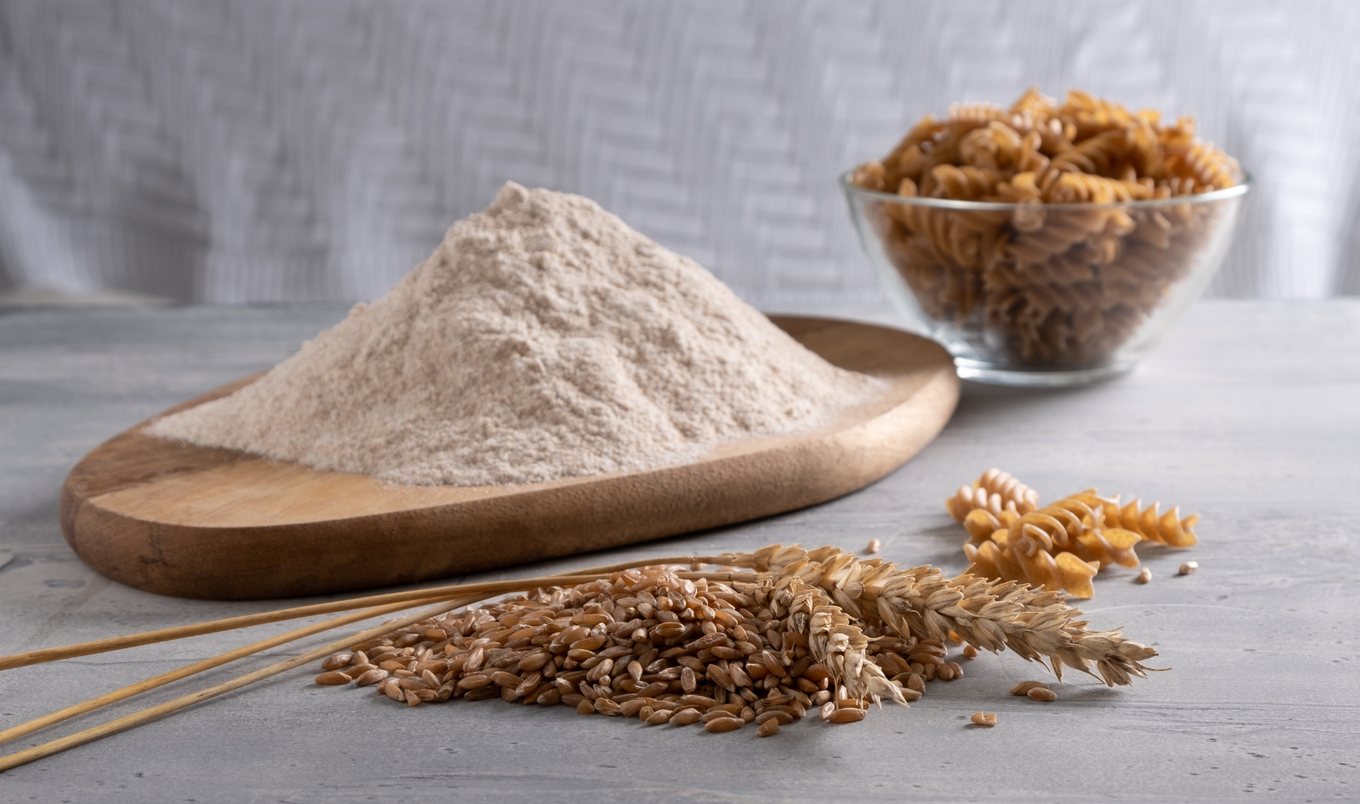
Spelt: 6 grams
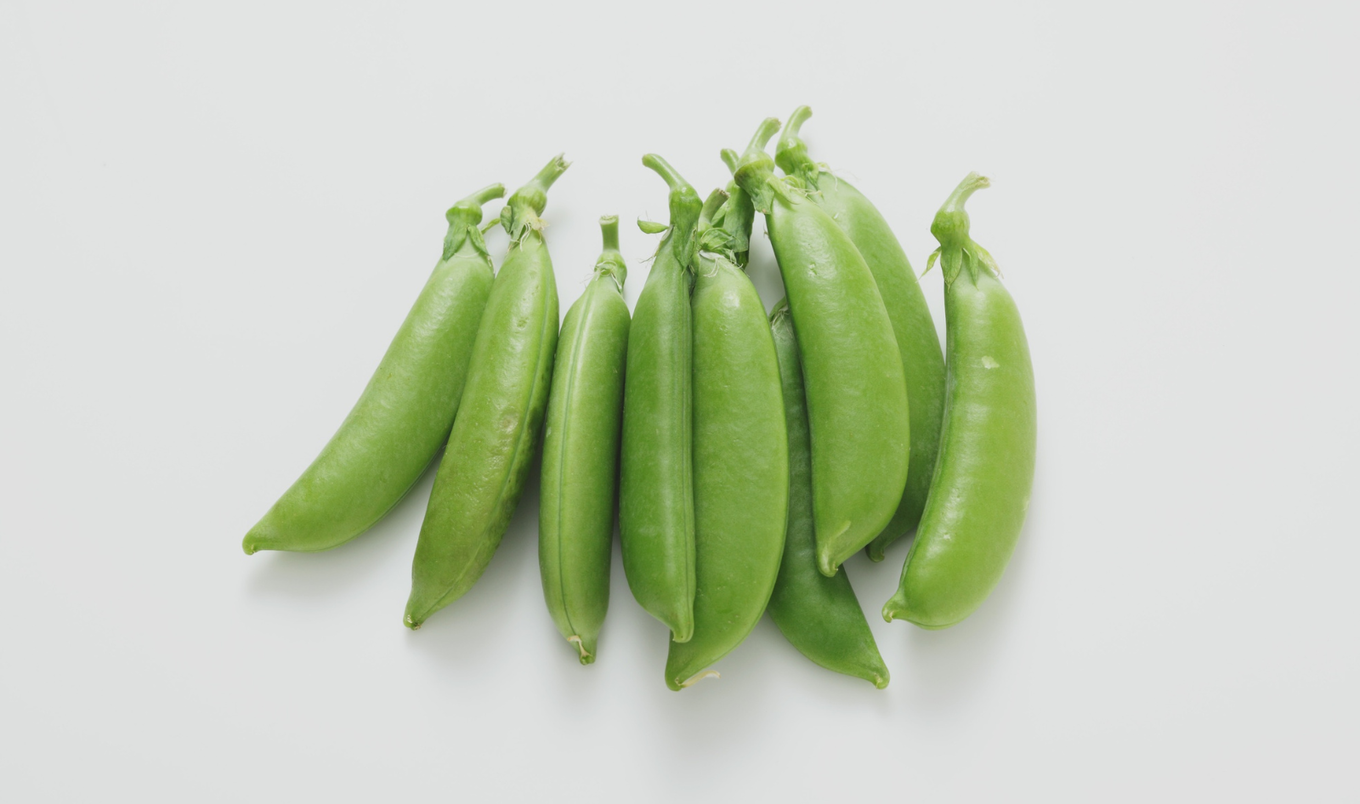 Aflo Images | Canva
Peas: 5 grams
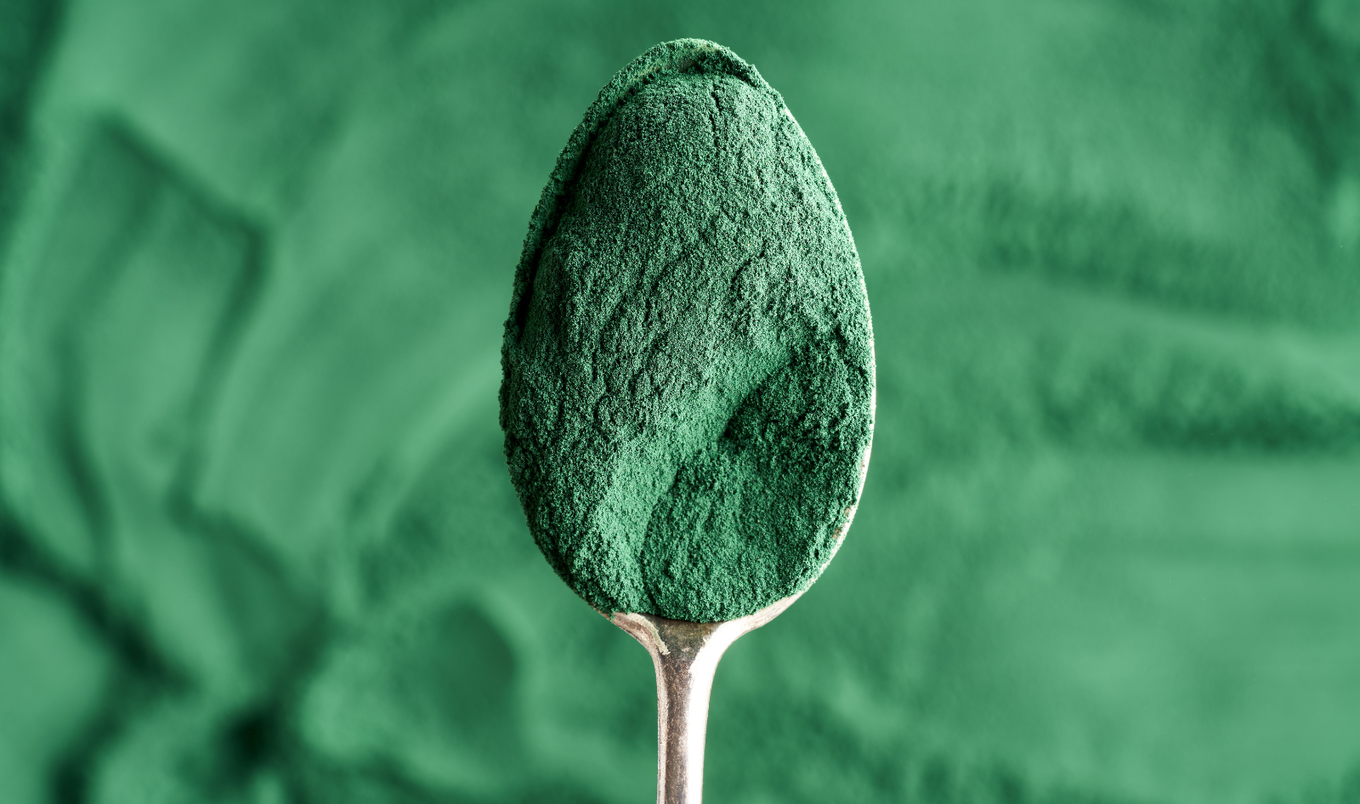 Madeleine Steinbach | Canva
Spirulina: 5 grams
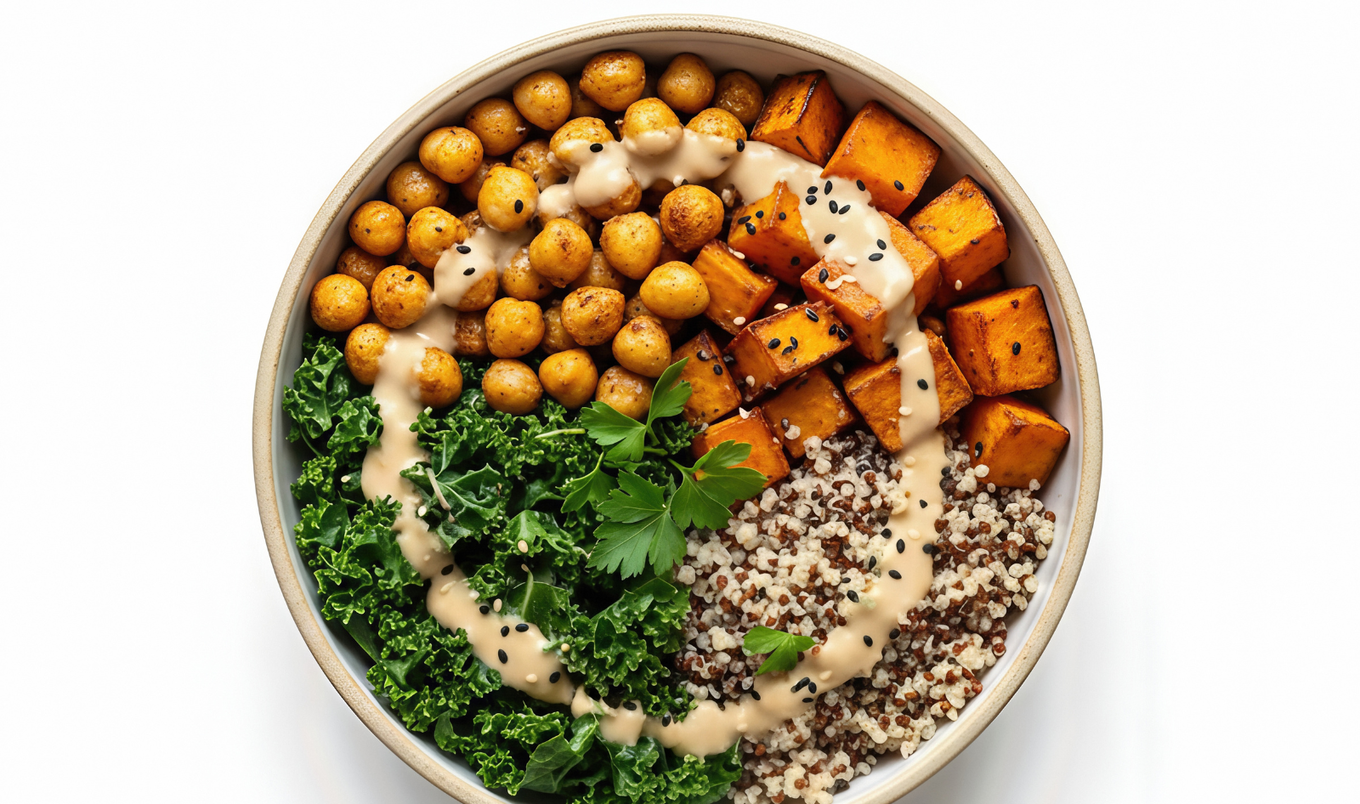 DigitalShop46 | Canva
Quinoa: 4 grams
For more plant-based stories like this, read:
JUMP TO ... Latest News | Recipes | Guides | Health | Subscribe

Jocelyn Martinez is a longtime VegNews editor based in Los Angeles, CA.