


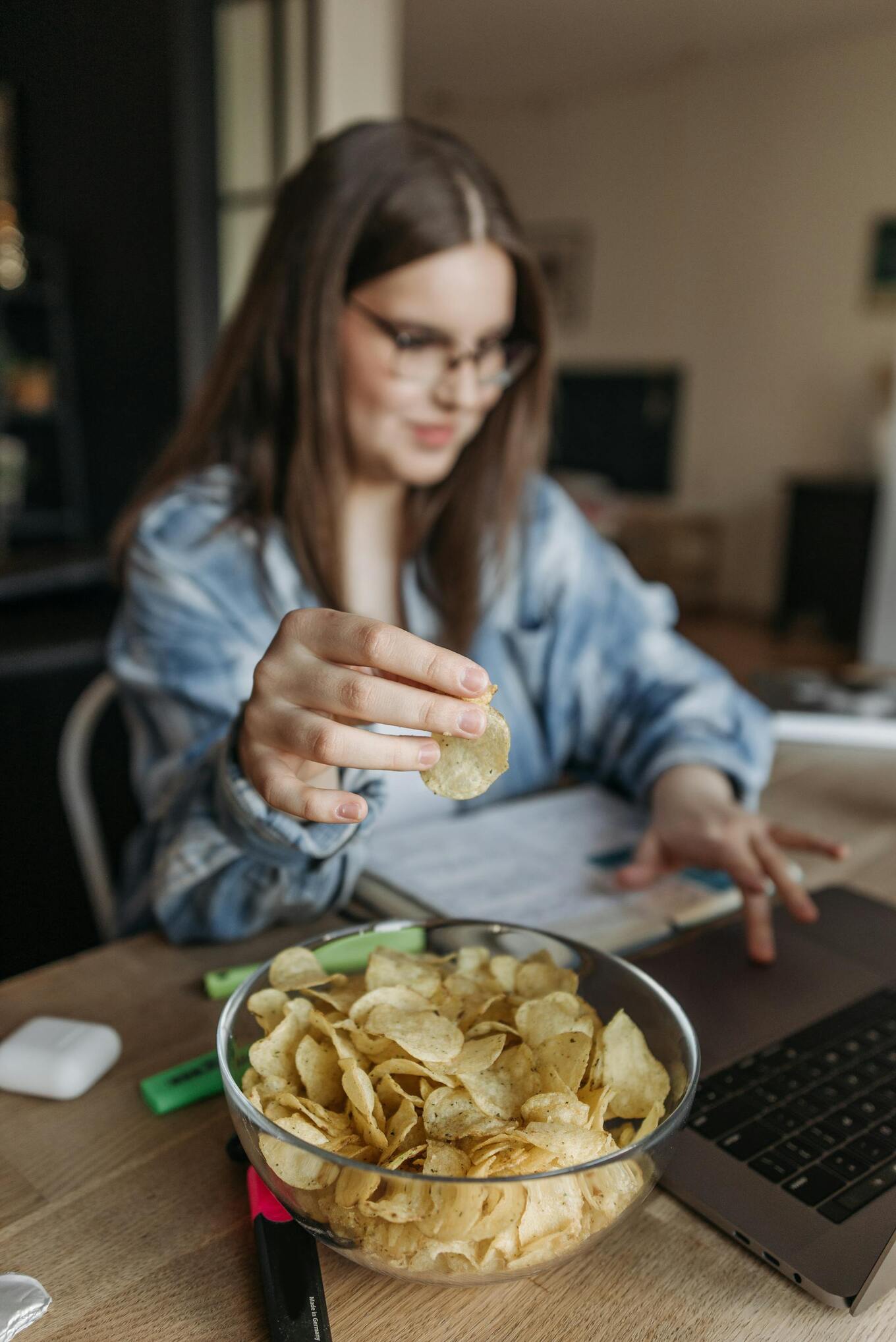
There’s a meme that circulates every now and again on social media that says something like, “Somewhere, someone has eaten the most amount of potato chips ever, and they don’t even know it.” Every time I see it, I send it to my family group chat, and we all have a good laugh about how it’s probably one of us. If we’re getting into specifics, it’s probably me.
I’ll hold my hands up. I’ve been addicted to potato chips, or crisps, as we call them in my English homeland, for as long as I can remember. It’s a habit I almost certainly inherited. My mom grew up in a pub with giant boxes of them stored under the counter, so really, it was inevitable. It’s the crunch, the salt, the way half a bag designed for “sharing” can disappear in five minutes while I become blissfully unaware of anything else going on in my life. It’s just me and this rustling bag of heaven.
 Pexels
I hear what you’re thinking: that doesn’t sound very healthy. I’m the first to admit that, of course, it’s not.
What makes ultra-processed foods so addictive?
Potato chips are a prime example of how ultra-processed foods (UPFs) have been manufactured to make us ignore our fullness cues and keep eating (and eating). They’re usually loaded with sodium, saturated fat, and artificial flavors, all of which work together to achieve a sensation that Tim Spector calls the “bliss point.” In more technical terms, potato chips are hyper-palatable, which basically means they’re very easy to munch on nonstop. You can eat them at a rate that you probably wouldn’t manage with carrot sticks, let’s be honest.
Most of us have never considered potato chips or other UPFs like gummy candy, chocolate bars, and soda to be healthy. But lately, we’ve all realized just how damaging they might be. Study after study has been urging us to cut out UPFs and eat more whole foods, or we risk everything from damaged heart health to cognitive decline. I can confirm that when I cut back, it did help me lose some weight, not as a moral triumph, but simply as a reflection of how much of my diet had quietly become convenience foods.
 Pexels
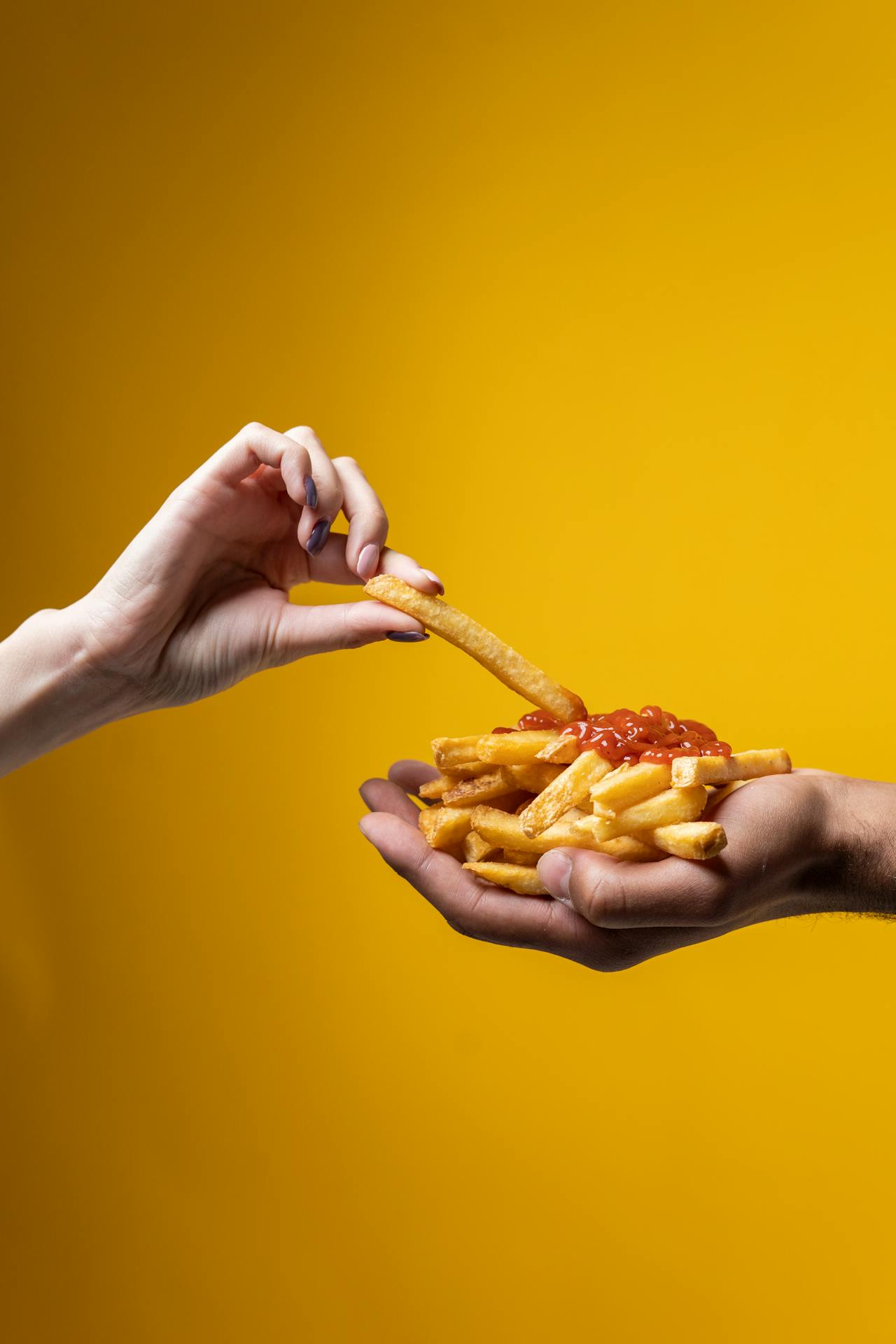
Granted, these foods were vegan. Being animal-free is far from a health halo (French fries are a prime example), but research does suggest that plant-based UPFs may be slightly less damaging than animal-based ones. Still, the fact remains: we need to eat less of them. I, like many people, have got the message loud and clear. We need to favor plant-based whole foods like fruits, grains, vegetables, nuts, and seeds for the good of our health. That’s what the Blue Zoners do, and plenty of them are making it to their 80s, 90s, and even 100s without the many chronic diseases that plague the Western world.
I know all of this, and yet I still eat potato chips, candy, plant-based meat, and many other convenience foods quite regularly—and I’m here to say I think it’s okay if you do, too.
The emotional value of convenience foods
When we boil food down to nutritional value and nothing else, we lose things. We lose pleasure, connection, creativity, and experiences. As humans, food has never just been about health. It’s about comfort, joy, and even stress relief.
Crunching through a bag of potato chips got me through hours of relentless revision for my university degree, and so did looking forward to a late-night chocolate run with my housemates when our dissertations were finally submitted.
 Yan Krukau | Pexels
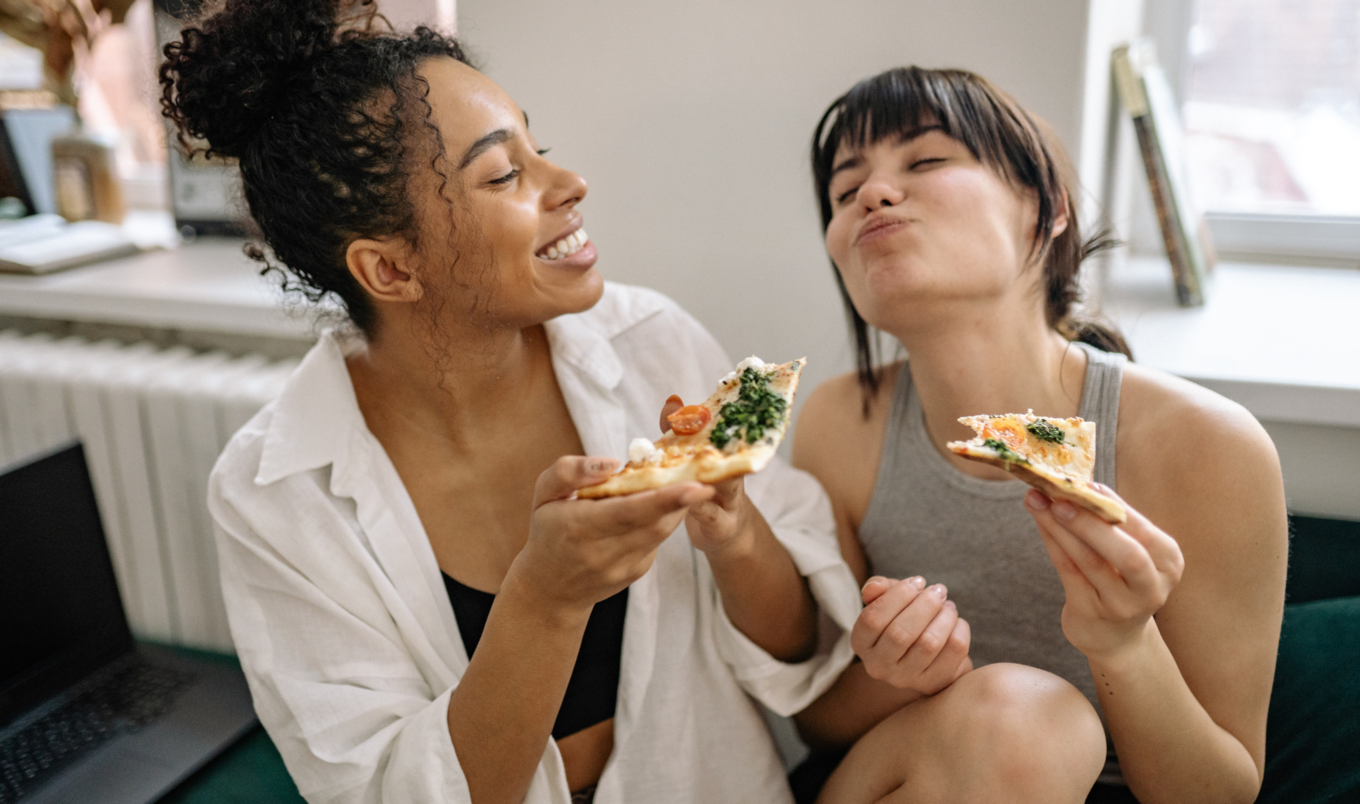
Friday pizza night was a firm favorite with my siblings and me when we were growing up. We would eat it while lounging on the couch in front of our favorite TV shows, and our parents would enjoy a microwaveable curry in the kitchen. We were all relieved that the week of schooling and work was over, and everyone could take a second to relax. Convenience foods allowed us to do that with ease. The stove didn’t need to be on, vegetables didn’t need to be chopped, and pizza and Sainsbury’s heat-and-eat curry satisfied our taste buds and warmed our bellies.
Recently, when I lifted a slice of oven-cooked frozen pizza to my lips as I have always done, from childhood to now, I thought instantly of a new study outlining how UPFs might affect every organ in the body. I hesitated. Then I ate it anyway. Because I believe that fear shouldn’t have a place in our everyday relationship with food. We should be educated and aware of the risks, but there’s a difference between being mindful and being scared. Media reports can easily tip us into the latter, and nuance often gets lost in hard-hitting headlines.
Finding a healthier balance
The truth is, eating UPFs all day, every day, probably isn’t good for us. But not all UPFs are created equally. A can of baked beans is not the same as a bag of Doritos, and yet both fall into the UPF category. A can of beans has fiber, protein, slow-release carbohydrates, antioxidants, and B vitamins. Doritos, on the other hand, give you the bliss point. They’re not the same, but they both have their place.
“It is not necessary to completely avoid ultra-processed foods; rather, their consumption should be limited, and preference should be given to fresh or minimally processed foods,” said WHO scientist Heinz Freisling.
 Pexels
The key is to find a balance, and Sapna Peruvemba, MS, RDN of Health by Sapna, agrees. “Believe it or not, some UPFs can actually play a role in a well-balanced diet. Sometimes we just want a treat. The key is to indulge mindfully,” she says.
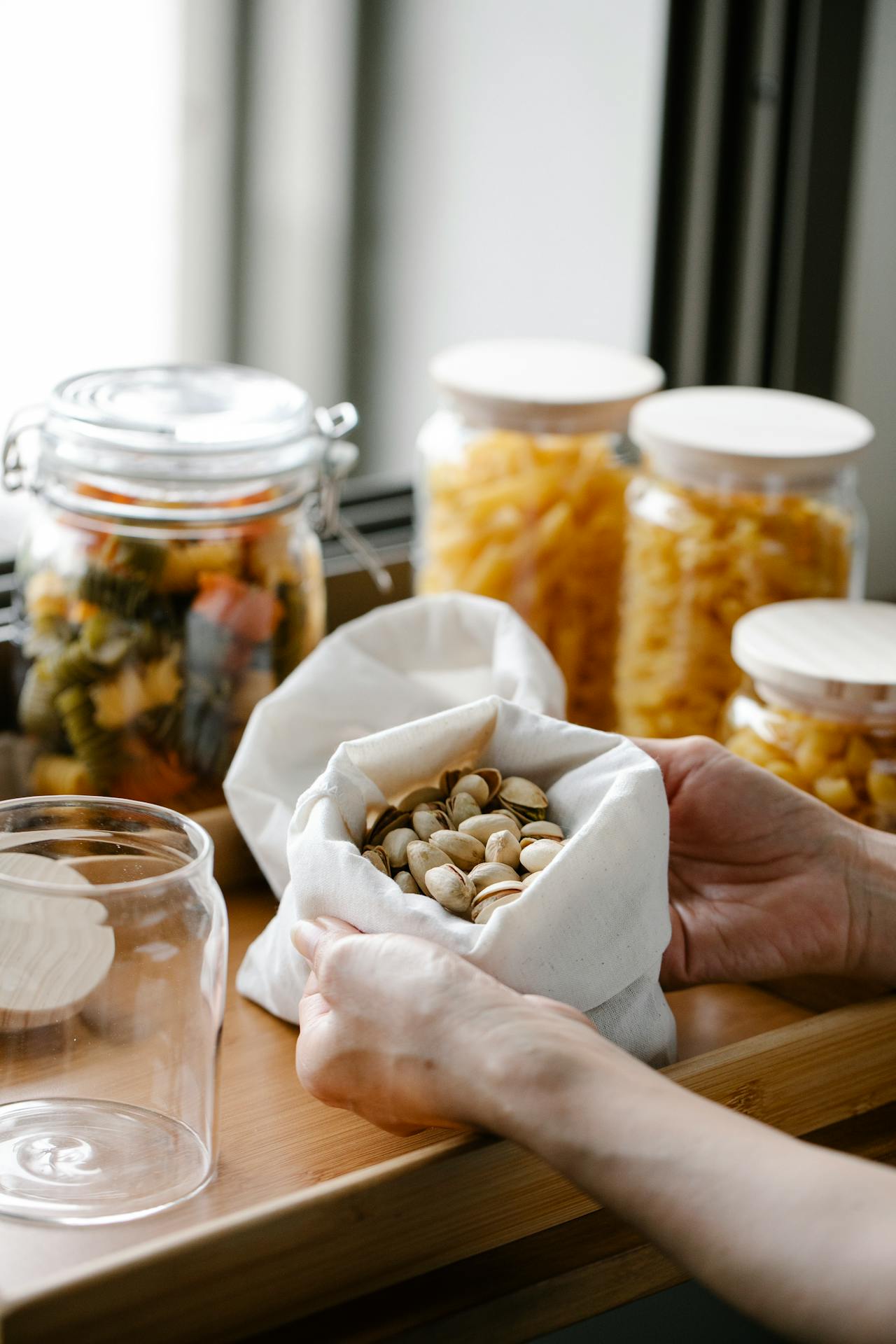
I’m still working on that. I regained some weight when I started up my potato chip habit again. Now, I try to prioritize making my favorite comfort foods with whole foods. Macaroni cheese with a sweet potato and cashew nut sauce, for example, is quicker and easier to whip up than it sounds. Pistachios truly can give me the satisfying crunch I’m after midweek, without the side of saturated fat and hyper-palatability. But that weekend bag of potato chips, and even that Monday night bag with a side of chocolate when the week is off to a rough start, is not going anywhere. Food is about balance, or striving towards it, anyway. Comfort food often brings relief and joy, and it deserves space in our lives. Fear and shame are off the table.
For more plant-based stories like this, read:
JUMP TO ... Latest News | Recipes | Guides | Health | Subscribe

Charlotte is a VegNews editor and writer based in sunny Southsea on England's southern coast.