


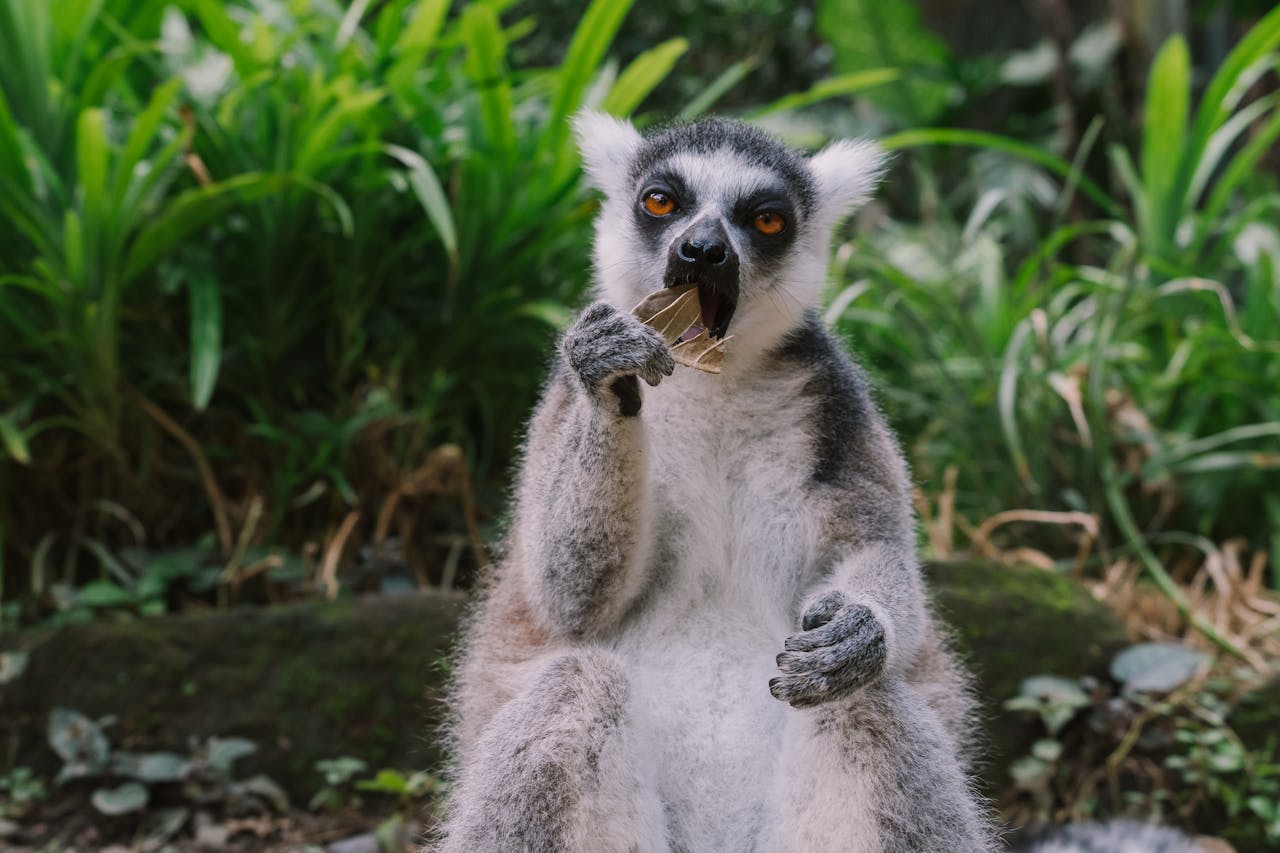
If you want to see a lemur in the wild, there is only one place on Earth to find them: Madagascar. These animals are the world’s oldest living primates. Today, there are more than 100 species on the island country, and research suggests they descend from ancestors that arrived roughly 70 million years ago. But tragically, all of Madagascar’s lemurs are under serious threat.
According to the International Union for Conservation of Nature (IUCN) Red List, 98 percent of lemur species are threatened with extinction. Habitat loss and the exotic pet trade have long played a role, but a new study highlights another significant driver: the bushmeat trade. Over four years, researchers estimated that nearly 13,000 lemurs are consumed in Madagascar each year.
 Pexels
The reasons behind this are complex. Madagascar is currently facing widespread food insecurity, and nearly 40 percent of children are malnourished. Many of the communities most affected by hunger are in rural areas, where some people may turn to hunting wildlife, including lemurs, as a source of sustenance.
However, the new research found that not all lemur consumption is driven by necessity.
Why demand for lemur meat has increased
Anthropologist and conservation biologist Cortni Borgerson, PhD, led a team that interviewed 2,600 people across 17 cities in Madagascar. Their findings revealed that many lemur consumers live in urban centers and are willing to pay a premium for the meat because they believe it offers superior flavor or health benefits.
“Affluent urban consumers desire lemur meat as a luxury food perceived as providing wild-sourced flavor and vitality,” the study notes.
BECOME A VEGNEWS VIP: Get exclusive product deals, freebies, and perks galore!
Researchers also discovered that lemur meat was available (though discreetly) in restaurants in more than a third of the cities they surveyed. Because hunting lemurs is illegal, much of this trade happens out of sight.
Some interviewees described lemur meat as uniquely delicious or valued for perceived medicinal qualities. “Once you eat it, no one wants to stop,” one buyer said.
Another supplier told researchers: “I eat it because I know things like that keep you young.” They added: “That’s what people say in secret in the forest—it keeps you young because of the foods that they eat.”
Concerns about the bushmeat trade in Madagascar aren’t new. In 2016, biologist Kim Reuter told Smithsonian that her research also indicated that many urban residents were eating lemur meat for enjoyment rather than need—and that tourists might contribute to demand as well.
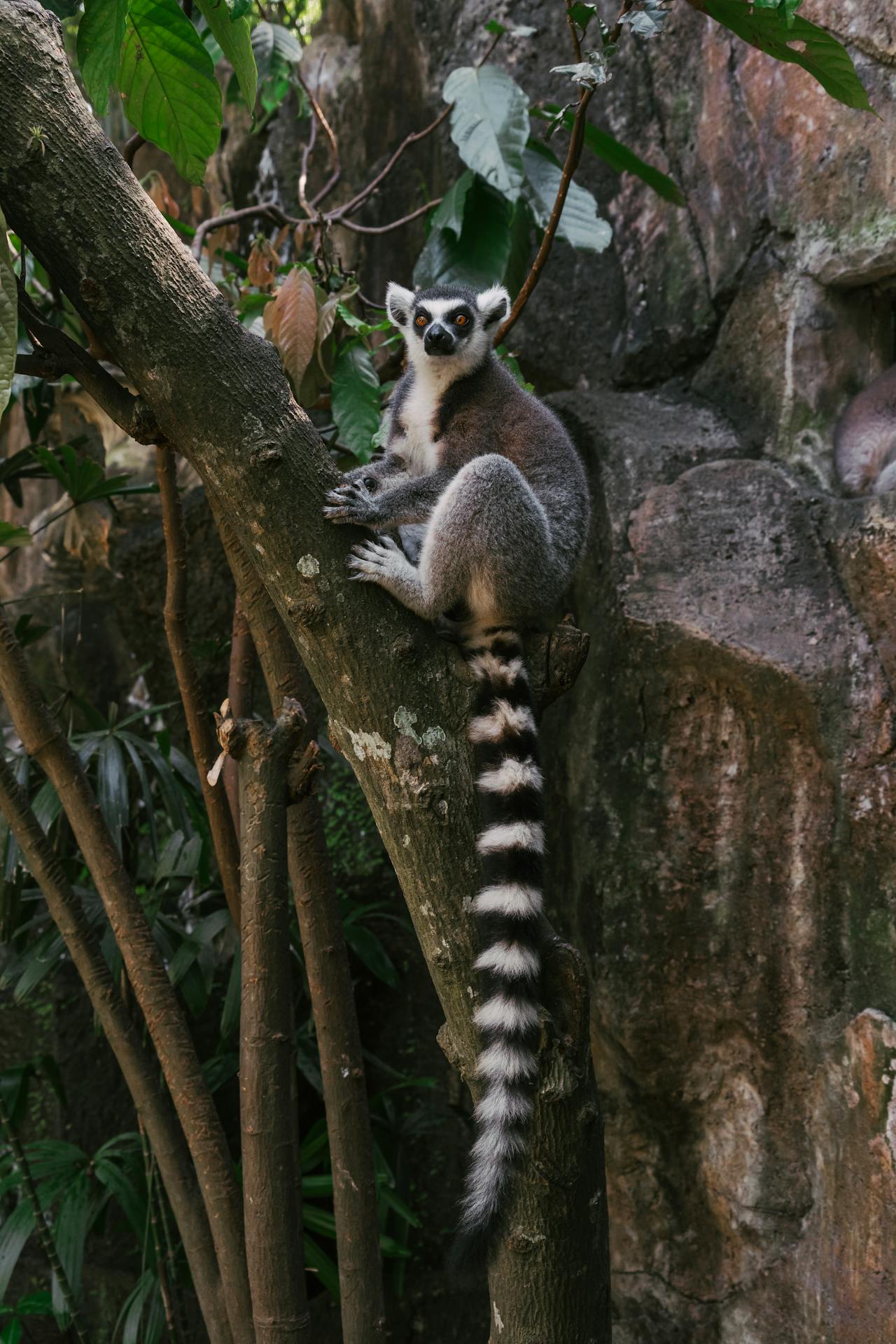
A 2011 study also linked rising consumption in part to globalization, which has influenced long-standing cultural beliefs. Historically, many Malagasy people have revered lemurs, viewing them as ancestral beings. “When you have globalization and outside influences, traditional cultures break down and change faster,” study co-author Julia Jones from Bangor University explained to BBC.
 Pexels
How to protect lemurs from the meat trade
So what can help protect lemurs? The new study suggests several approaches, including strengthening regulations around illegal firearms and launching education campaigns to reduce demand for lemur meat.
Crucially, the researchers emphasize supporting the people currently supplying the trade. Every one of the suppliers interviewed said they did not enjoy selling lemur meat and would reduce or stop their involvement if they had alternative ways to earn a living. “This is a thing you have to hide,” said one supplier. “That’s what I don’t like [about doing it], I still worry. I don’t like it.”
For more plant-based stories like this, read:
JUMP TO ... Latest News | Recipes | Guides | Health | Subscribe

Charlotte is a VegNews editor and writer based in sunny Southsea on England's southern coast.