


Sorry, meat lovers. It turns out you might not be quite as carnivorous as you think—at least not if you live in the Netherlands. A new study has found that meat products on Dutch grocery store shelves often contain a significant amount of plant-based filler ingredients.
According to research by Foodvalley, a Dutch nonprofit advocating for a more sustainable food system, hybrid products—meat blended with plant-based ingredients—are becoming increasingly common in the country.
To reach its findings, the nonprofit analyzed 111 meat products, including burgers, smoked sausages, and minced meat. On average, it found that plant-based content made up just over 10 percent of each product. Some contained far more, exceeding 40 percent plant-based ingredients.
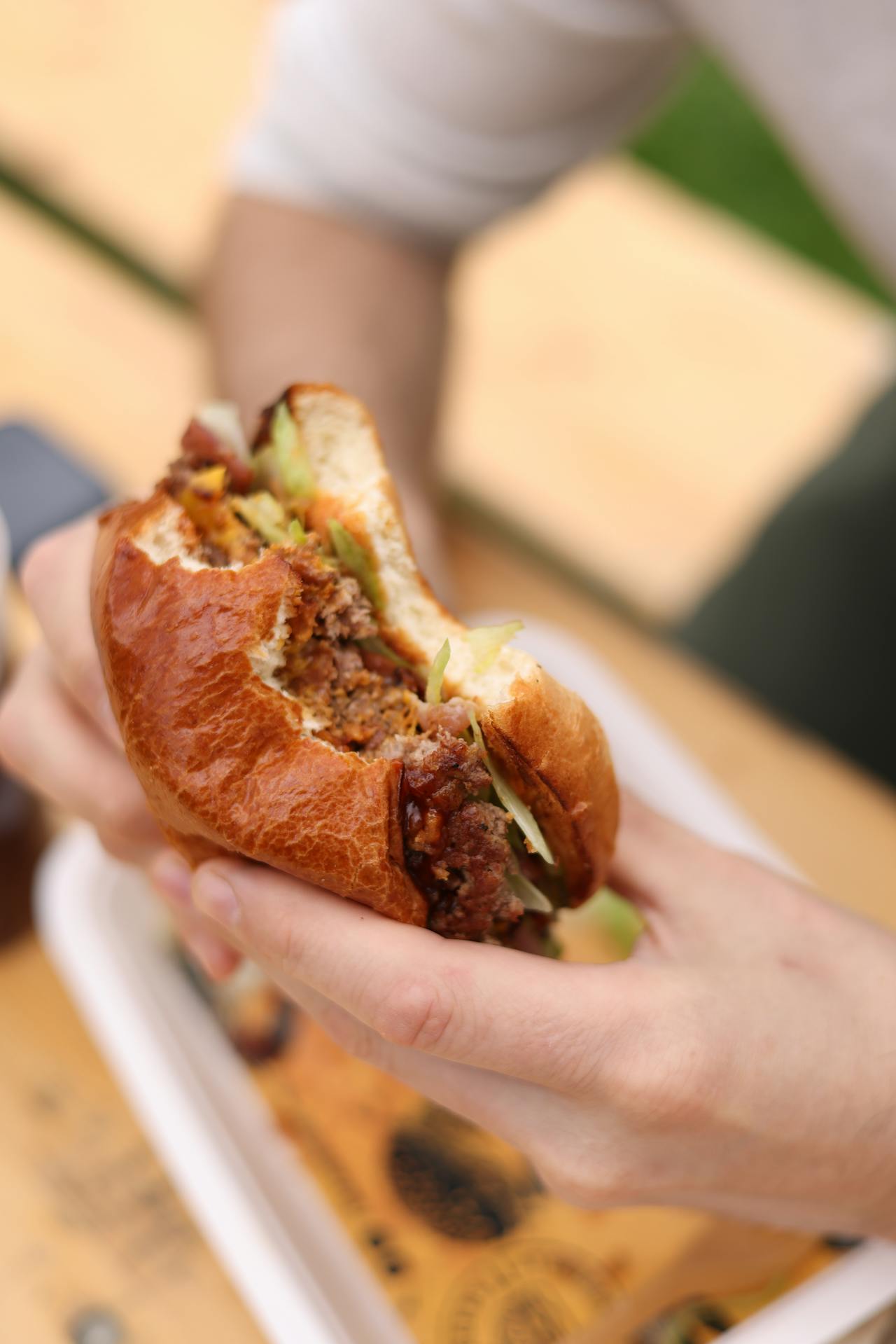 Pexels
Many of the products were enhanced with fava bean protein, but other common fillers included sugar beet fiber, seaweed, vegetables, potatoes, mushrooms, and jackfruit.
This not only helped reduce the cost of the meat—on average, each product was 4.4 percent cheaper than conventional options—but also increased fiber content and reduced saturated fat.
Consumers might not be aware of how many plants they’re actually eating, however, because grocery stores aren’t highlighting these ingredients. In most cases, they’re only visible on the ingredients list on the back of the packaging.
Are hybrid proteins the key to a more sustainable food system?
Hybrid proteins, also known as balanced or blended proteins, are controversial. Some vegans oppose the concept, advocating instead for a full transition to a plant-based food system.
Others take a more pragmatic view. Blending meat with plant-based ingredients could help make plant foods more appealing to a wider group of consumers—supporting both human health and the planet.
 Marnix Klooster | Foodvalley
In 2022, for example, a study from the University of Bonn called for a 75 percent reduction in meat consumption in Western countries for environmental reasons. Hybrid proteins are one potential way to help achieve that shift.
“They allow the food industry to build on the taste and familiarity of animal proteins while incorporating complementary ingredients that improve nutrition, sustainability, and cost,” said Tim Dale, Category Innovation Director at philanthropic impact platform, Food System Innovations, per Foodvalley.
The Dutch nonprofit is a strong advocate for hybrid meat, as well as dairy, egg, and seafood products. It has partnered with Food System Innovations on a new initiative called Balanced Proteins, aimed at accelerating the market.
A fully plant-based food system remains the most sustainable option, but hybrid proteins may help bridge the gap. As Dale told Sentient Media in 2025: “We see balanced proteins as a bridge option, in a way, something that can help transition us to a more sustainable diet, similar to how hybrid cars have helped pave the way for vehicle electrification. We see that this may be a more palatable approach for consumers and for businesses alike.”
According to Foodvalley, balanced dairy proteins are expected to become more common in Dutch grocery stores soon. In fact, around 30 companies in the Netherlands are already focused on developing hybrid proteins.
For more plant-based stories like this, read:
JUMP TO ... Latest News | Recipes | Guides | Health | Subscribe

Charlotte is a VegNews editor and writer based in sunny Southsea on England's southern coast.