


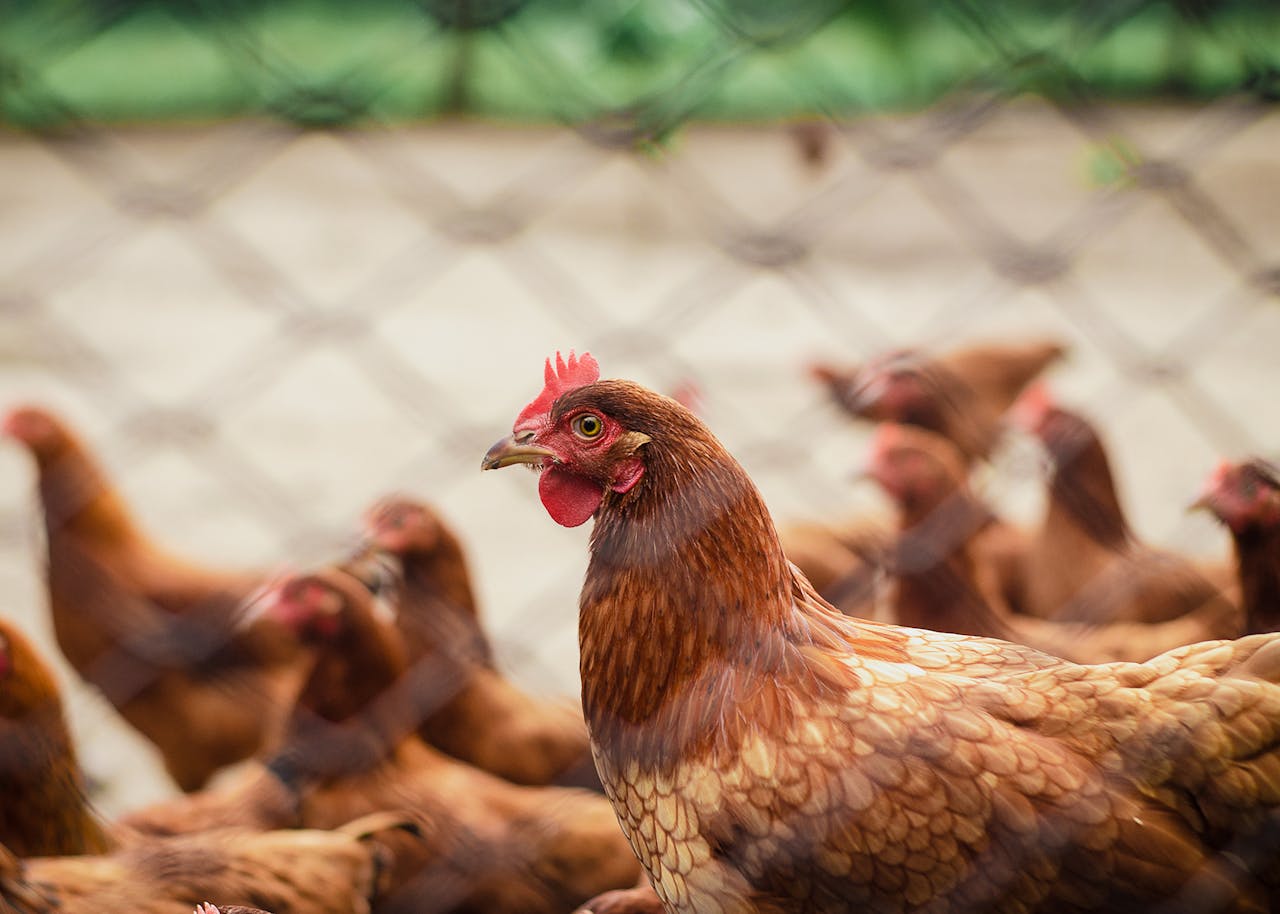
A “Frankenchicken” might sound like a mythical creature, but these birds are very real. It’s not an official term—the meat industry refers to them as fast-growing breeds, often by the breed name Ross 308. The label essentially refers to chickens that have been selectively bred to reach slaughter weight as quickly as possible. In Norway, they’re aptly nicknamed “turbochickens.”
Because of their rapid growth, these birds are prone to serious health issues. They can develop muscular disorders and walking impairments, and some collapse under their own weight. In the US, Canada, the UK, and across Europe, most chickens raised for meat are fast-growing breeds. But some countries are beginning to rethink the model.
Norway has confirmed it will phase out fast-growing chickens entirely. By 2027, the country aims to complete the transition to slower-growing breeds. Animal welfare advocates have praised the “historic” decision; it’s the first country in the world to commit to eliminating fast-growing breeds.
 Pexels
“It’s one of the greatest improvements to animal welfare in history, and it shows that the transition away from fast-growing breeds is possible,” Connor Jackson, CEO of the UK branch of Anima International and founder of Open Cages, told New Food Magazine.
Norway isn’t stopping there. The Nordic nation has also pledged to end chick culling—the practice of killing male chicks (who cannot biologically lay eggs) shortly after hatching—within the egg industry.
The urgent need for better chicken welfare
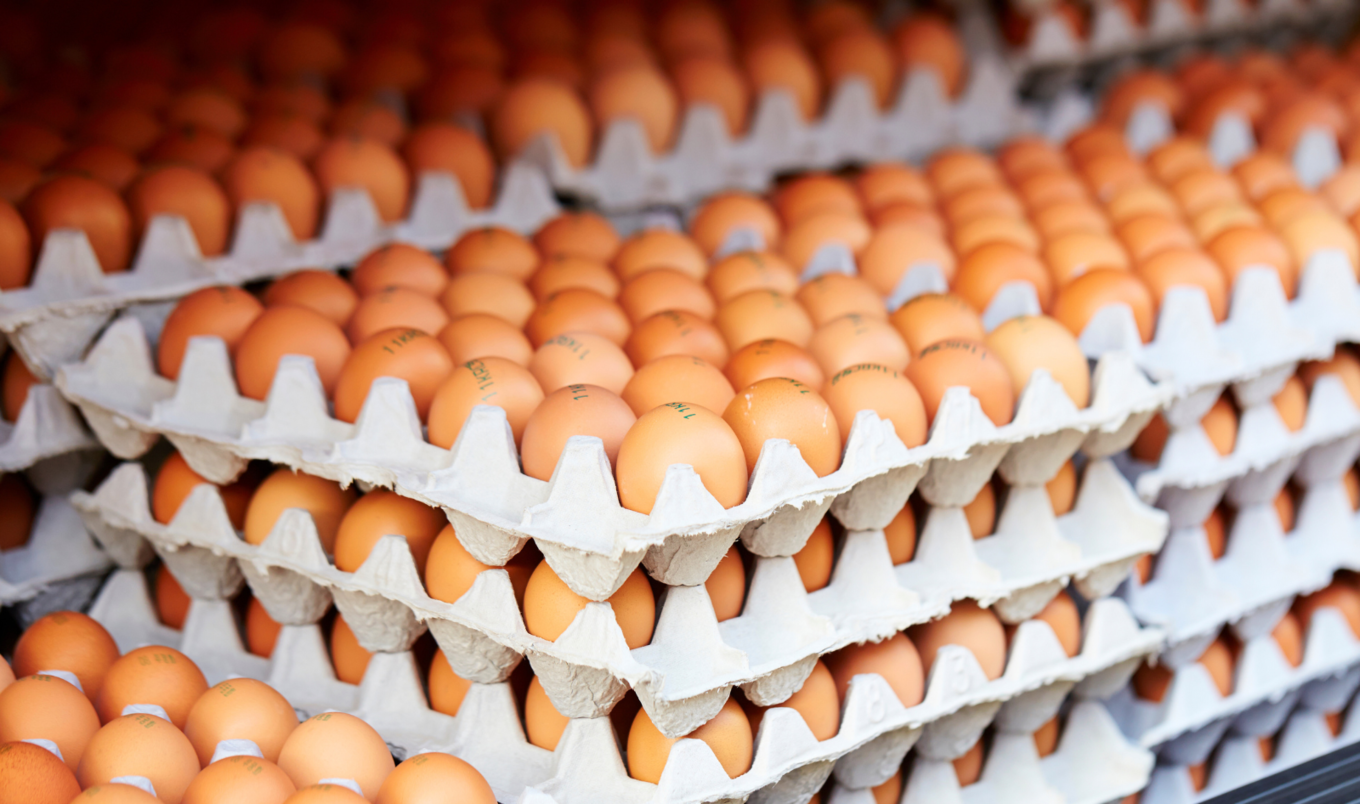
The practice is widespread. In the US, roughly 600 million chicks are hatched for the egg industry each year, and about half are culled. Technology known as in-ovo sexing, which determines the sex of an embryo before it hatches, could replace chick culling, but adoption remains limited.
In a 2025 article for The New York Times, naturalist and author Sy Montgomery, who wrote What the Chicken Knows, urged consumers to advocate for in-ovo sexing technology. Some companies are experimenting with it, she noted, but broader demand is needed.
“Visit your local grocery store; tell the manager you want to spare male chicks from culling — and that you will back your conviction with your dollars,” she wrote. “If you raise chickens at home, call the hatchery where you get your chicks to voice your preference.”
 Getty
Getty
She added: “We need to consider the real cost of eggs not just to our wallets but also to the lives of these thinking, feeling creatures.”
Norway’s move marks a significant step forward for chicken welfare, and advocates hope other countries will follow. For consumers, however, there’s another option: stepping away from the meat and egg industries altogether by choosing plant-based alternatives.
Today, dozens of vegan chicken brands offer nuggets, tenders, wings, and other realistic meaty options. And when egg prices surged in 2025, plant-based companies like Just Egg stepped in to fill the gap. Many consumers discovered that vegan alternatives could hold their own.
“Often, we’re the only egg option in stock, creating an unprecedented awareness opportunity in the plant-based category,” Just Egg CEO Josh Tetrick told VegNews at the time. “I think this is the most important moment for any plant-based product ever. Americans want their morning omelets and scrambled eggs, and we’re here with a reliable, planet-friendly choice.”
For more plant-based stories like this, read:
JUMP TO ... Latest News | Recipes | Guides | Health | Subscribe

Charlotte is a VegNews editor and writer based in sunny Southsea on England's southern coast.