


If you’re feeling under the weather and visit your physician, you expect it to go something like this: explain what’s wrong, leave with a prescription, pick up medication. And if it doesn’t help, repeat the process. This system of reactive modern medicine has saved hundreds of millions of lives, and it’s undeniably essential. But an increasing number of medical professionals are beginning to ask whether some conditions might be better treated, or even prevented, with a more proactive approach.
If you walked into your doctor’s office and they said, “Food is one of the most powerful tools we have to improve your health”—and then suggested a few simple dietary changes—you might be surprised. But this idea is grounded in a growing body of evidence. Research suggests again and again that moving to a plant-focused, whole food diet can lead to meaningful improvements such as lower blood pressure, a more stable weight, and, in some cases, reduced reliance on medication.
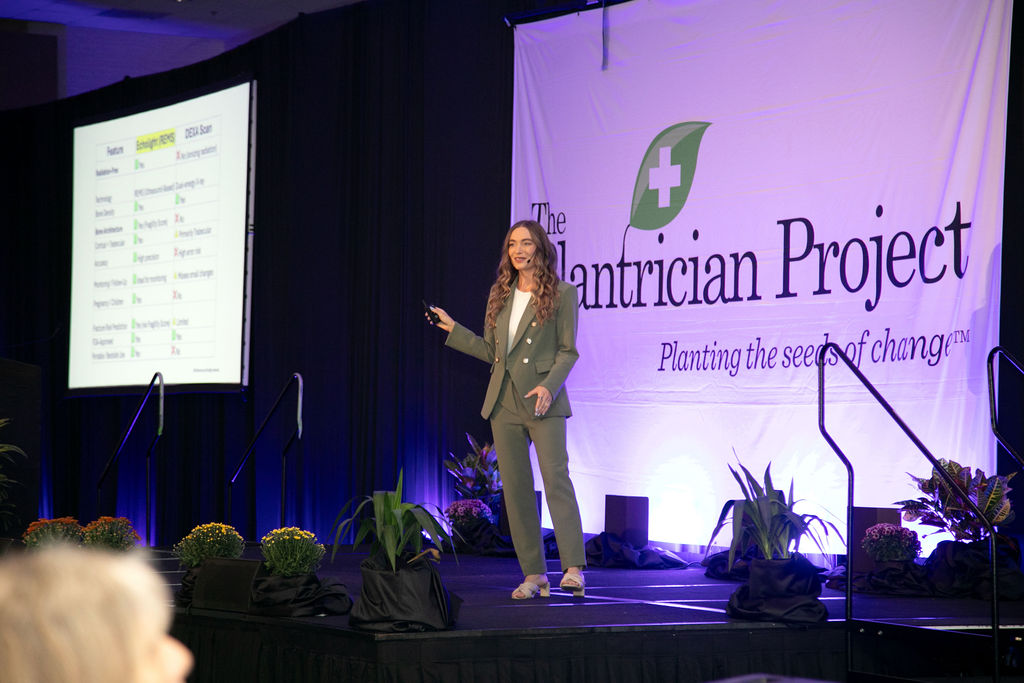 The Power Of The Plate conference is hosted by The Plantrician Project, a nutrition education nonprofit. | Laura Carrasco Photography
If that sounds too good to be true, it’s not. It’s exactly what some patients have experienced under the care of physicians who have shifted their approach after attending a Plantrician Project conference. It’s also what the Plantrician Project, a nutrition education nonprofit for healthcare professionals, hopes to scale at The Power Of The Plate conference in San Diego, CA, next month.
“We are in the midst of a paradigm shift driven by an expanding body of evidence demonstrating that dietary patterns—particularly whole food, plant-based approaches—can prevent, treat, and in some cases, reverse chronic diseases such as cardiovascular disease, type 2 diabetes, and hypertension. This evidence is no longer fringe. It is being published, taught, and increasingly implemented in clinical settings.” —Scott Stoll, MD
The power of the plate
“For decades, nutrition has been underemphasized in medical training due to a combination of structural, cultural, historic, and economic factors,” explains Scott Stoll, MD, co-founder of The Plantrician Project, to VegNews.
“Traditional medical education has largely been built around an acute care model focused on diagnosing and treating disease with pharmaceuticals and procedures,” he continues. “Within that framework, nutrition has often been viewed as secondary or ‘adjunct’ rather than foundational to health.”
Founded in 2013, the annual Power Of The Plate conference aims to change this narrative. And this year, the team hopes it will be bigger and more impactful than ever.
Over four days, the conference brings together leading experts in nutrition, lifestyle medicine, and sustainable food systems. Sessions explore how nutrition can prevent, halt, and even reverse chronic disease, while also offering practical tools and strategies that healthcare professionals can implement in their daily practice.
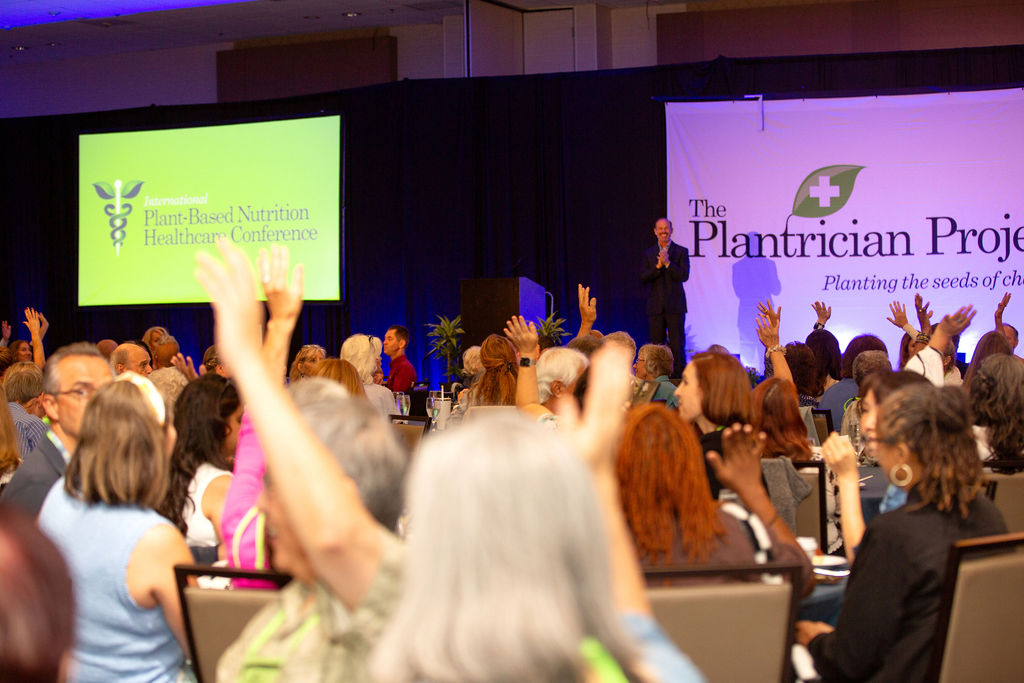 The conference will bring together nutrition experts to explore the role that food can play in the prevention of disease. | Laura Carrasco Photography
“The future of healthcare must move upstream. Nutrition is not a complementary therapy: it is a cornerstone of prevention, disease reversal, and sustainable health systems.”
According to Stoll, one of the most effective resources offered to attendees is the Plantrician Project Quick Start Guide, which provides a “concise, evidence-based framework” for introducing whole-food, plant-based nutrition into clinical care and communicating it clearly. It also includes ready-to-use patient handouts, which feature meal ideas and grocery store guides.
“What changes after a conference like Power Of The Plate is clarity and inspiration,” says Stoll. “Clinicians leave with a stronger understanding that nutrition is not peripheral to care, it is central. They gain practical strategies, confidence in the science, and a renewed sense of purpose in addressing root causes of disease rather than just managing symptoms.”
Adapting to a modern, social media-led world
When the first Plantrician Project conference took place in 2013, social media was growing rapidly but still in its relative infancy. Instagram was just three years old, and TikTok didn’t yet exist in its current form.
Today, social media is a juggernaut that shapes nearly every facet of society, including how people access health information. In April 2026, a study from the Pew Research Center found that around a third of Americans turn to social media for health advice. Among those under 30, that figure rises to more than half
And yet, social media is also rife with misinformation. In 2025, a report from the Freedom Food Alliance and the Rooted Research Collective warned that up to 24 million people may be getting their health advice from unqualified or misleading sources.
 Health enthusiasts and influencers are also encouraged to attend the conference. | Laura Carrasco Photography
This is a key reason why the Power Of the Plate conference isn’t just for clinicians—it also welcomes wellness and health influencers and anyone else who wants to learn more. “The conversations shaping health today are not happening in clinics alone,” says Stoll. “They are happening in kitchens, communities, media, and digital platforms.”
He explains that influencers in the health and wellness space will leave the event with “a stronger evidence-based foundation behind their content,” as well as “the ability to communicate nutrition with greater accuracy and integrity.”
Above all, they’ll gain a “deeper understanding of how food choices connect to chronic disease, sustainability, and global food systems.” Because ultimately, the way we eat doesn’t just affect individual health, it has far-reaching implications for the planet as a whole.
“Being surrounded by clinicians, educators, innovators, and advocates creates a level of energy and alignment that is difficult to replicate elsewhere. Conversations happen between sessions, over meals, and in shared experiences that expand perspective and spark new ideas.”
Human health and planetary health are interconnected
The Plantrician Project describes human health as “the true north” of the Power Of The Plate Conference, but it’s impossible to ignore the broader impact that nutrition-led, whole-food, plant-based diets have on sustainability and the planet. For that reason, the conference will also feature sessions and workshops exploring how dietary choices can benefit environmental health.
Research continues to underscore this connection. In 2021, data from Our World in Data found that a global shift away from animal agriculture toward a plant-based food system could reduce land use by up to 75 percent, while also cutting deforestation, biodiversity loss, and greenhouse gas emissions. In 2022, researchers at Stanford University suggested that phasing out animal agriculture could effectively halt the rise in greenhouse gas emissions for decades. More recently, a November 2025 study published in Frontiers in Nutrition found that switching from a Mediterranean diet to a fully plant-based approach could cut emissions nearly in half.
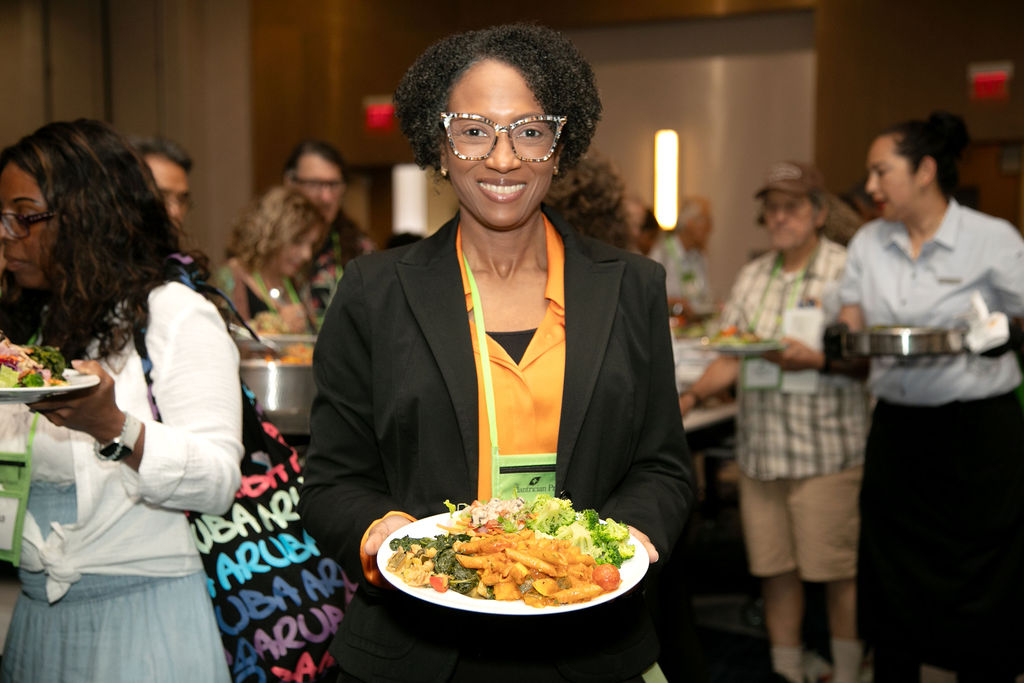
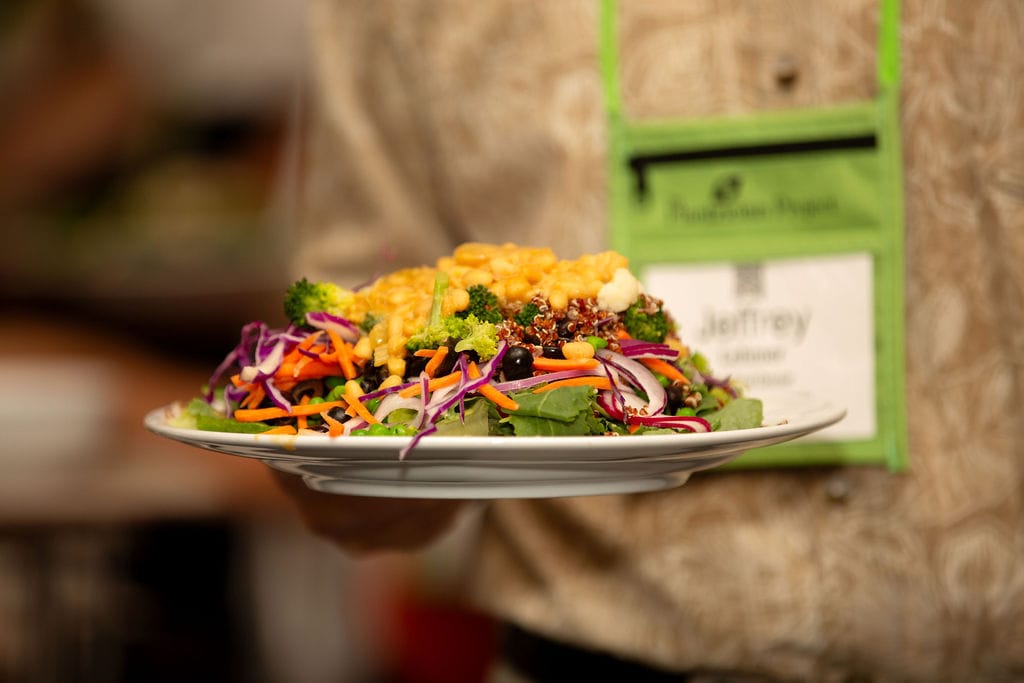 The Power Of The Plate conference will offer nine chef-curated, plant-based meals. | Laura Carrasco Photography
The Power Of The Plate conference aims to bring this science to life. Through food. The event includes nine chef-curated, whole-food, plant-based meals as part of the experience.
“They are not just a perk,” said Stoll. “They are part of the education and help to cultivate connection. Attendees experience firsthand what it looks like to translate the science into something delicious, satisfying, and sustainable in real life.”
Leaving a long-lasting impact
Through food, peer-reviewed research, expert-led sessions, and clinic-ready resources, Power Of The Plate aims to equip healthcare professionals and influencers with practical tools, as well as renewed clarity and purpose. It’s this shift in mindset that ultimately drives lasting impact.
“When clinicians are given credible science and practical tools, they can create measurable change in both clinical outcomes and patient experience,” says Stoll. And he’s seen it happen time and time again.
After one Plantrician Project conference, a primary care physician began integrating conversations about nutrition into routine patient visits, alongside providing simple, informative handouts. As a result, many patients with conditions such as hypertension, type 2 diabetes, and hyperlipidemia reported meaningful improvements, including reduced weight, blood pressure, and blood sugar levels. Some were even able to stop taking certain medications.
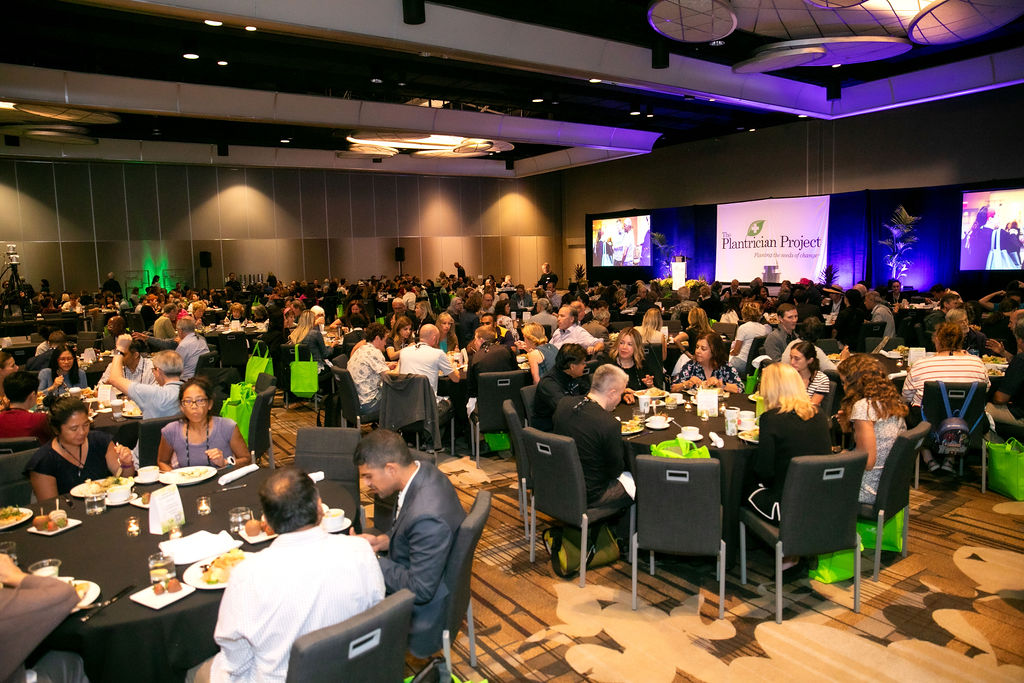 The conference aims to change the way healthcare professionals approach nutrition in a clinical setting. | Laura Carrasco Photography
“What is particularly notable is that this was not a concierge practice or a research setting,” Stoll explains. “This was a standard primary care environment with time constraints and typical reimbursement challenges.”
He adds that “We have seen similar outcomes across clinicians who attend our events. Whether it is a cardiologist implementing plant-powered protocols in cardiac rehab, a dietitian restructuring counseling frameworks, or a health system piloting lifestyle medicine programs.”
How to get involved
If you want to attend The Power Of The Plate conference this May, there are several options. Attendees can purchase an all-access pass—there are different options for healthcare professionals and changemakers—which includes entry to all sessions, conference materials, plant-based meals, and evening networking events. And if you use code VEGNEWS, you’ll save $200.
“In a space where nutrition information is often fragmented, contradictory, or driven by trends, attendees gain direct access to the researchers, clinicians, and thought leaders who are working at the intersection of human health, food systems, and planetary health. It replaces noise with nuance and confidence.”
The event will take place at the Loews Coronado Bay Resort from May 14 to May 17. For those unable to attend in person, a virtual pass offers live access to all sessions (be sure to use code VEGNEWS for the special deal).
“[The] combination of evidence, experience, and community is where the transformation happens,” says Stoll. “Attendees leave not only understanding the power of nutrition, but having lived it.”
Thank you to the Plantrician Project for partnering with VegNews on this story.
For more plant-based stories like this, read:
JUMP TO ... Latest News | Recipes | Guides | Health | Subscribe

Charlotte is a VegNews editor and writer based in sunny Southsea on England's southern coast.