


The average American currently eats more than 270 pounds of meat every single year. To put that in perspective, that’s the equivalent of more than 1,000 burgers or over 6,000 slices of bacon annually. It’s a lot of meat, but the Trump Administration thinks it’s not enough.
Earlier this month, updated Dietary Guidelines for Americans were released alongside a redesigned US Food Pyramid. At the top sat meat and dairy, positioned alongside fruits and vegetables. Toward the bottom were nuts, legumes, and whole grains.
The new guidelines sparked immediate backlash from health experts. Christopher Gardner, a nutrition scientist at Stanford University, warned that encouraging higher consumption of red meat and saturated fat runs counter to “decades and decades of evidence and research.”
 Getty
Getty
Health and Human Services Secretary Robert F. Kennedy Jr., however, framed the shift as a way to end what he called “the war on saturated fats.”
But there’s another issue. Beyond the health concerns, environmental experts say the guidance could carry serious consequences for the planet.
The potentially devastating environmental impact of the new US dietary guidelines
Animal agriculture accounts for around 15 to 20 percent of global greenhouse gas emissions, according to organizations including the FAIRR Initiative. The industry is a major source of methane and nitrous oxide and is a leading driver of deforestation worldwide. Beef production alone is responsible for at least 41 percent of global deforestation.
With more meat consumption, these issues will only get worse, experts say.
“We are seeing millions of acres of forest cut down, and agricultural expansion is the leading driver of that,” Richard Waite, director of agriculture initiatives at the World Resources Institute, told The Guardian. “Adding another 100 million acres to feed the US would place additional strain on the world’s remaining ecosystems.”
“It’s already hard to feed the global population while reducing emissions and stopping deforestation, and a shift in this direction would make the challenge even harder,” he added. “We need to reduce the impact of our food systems urgently, and the US is an important piece of the puzzle in doing that.”
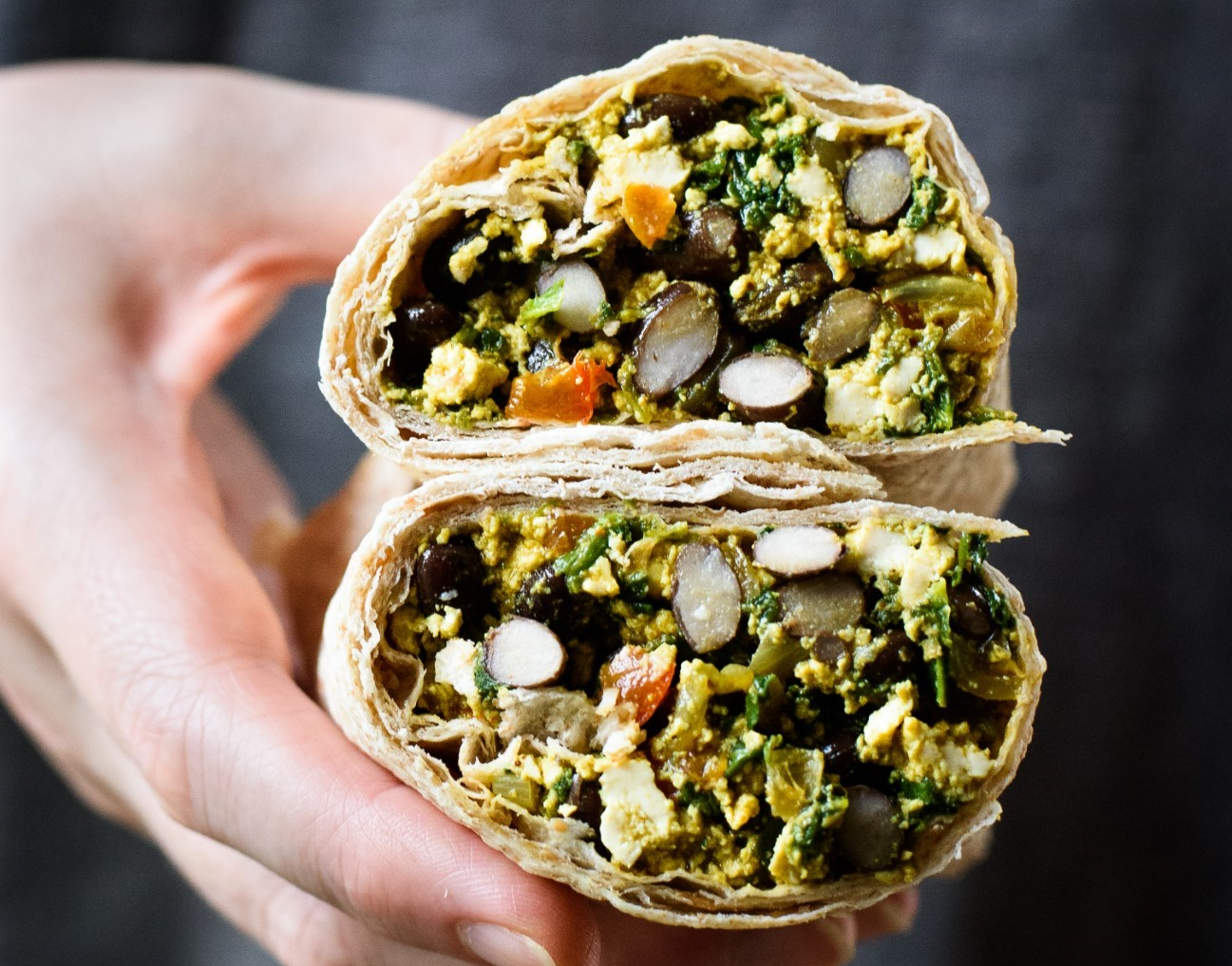
Waite argues that Americans seeking more protein should instead turn to lower-impact plant-based sources such as beans and legumes, the foods now relegated to the bottom of the new pyramid.
Linda Soper-Kolton
BECOME A VEGNEWS VIP: Get exclusive product deals, freebies, and perks galore!
A growing body of research supports that view. A 2025 study published in Frontiers in Nutrition found that switching from a Mediterranean-style diet to a vegan one could cut an individual’s environmental footprint nearly in half.
“We compared diets with the same amount of calories and found that moving from a Mediterranean to a vegan diet generated 46 percent less CO2 while using 33 percent less land and seven percent less water, and also lowered other pollutants linked to global warming,” said study leader Noelia Rodriguez-Martín, PhD, at the University of Granada.
Another 2025 study by the University of Michigan and the University of Minnesota flagged serious environmental concerns about American diets. After analyzing the carbon footprints of more than 3,500 cities in the US, researchers concluded that the country’s meat consumption has a carbon footprint larger than Italy’s entire carbon footprint.
“[Eating more meat] is a big choice we make that has real consequences,” added Waite. “If people want more protein, there are ways to do that via eating plant-based foods without the environmental impacts. We can have our protein and our forests, too.”
For more plant-based stories like this, read:
JUMP TO ... Latest News | Recipes | Guides | Health | Subscribe

Charlotte is a VegNews editor and writer based in sunny Southsea on England's southern coast.