


When Nueva Pescanova revealed its plans for the world’s first octopus farm, many scientists and animal welfare advocates recoiled in horror.
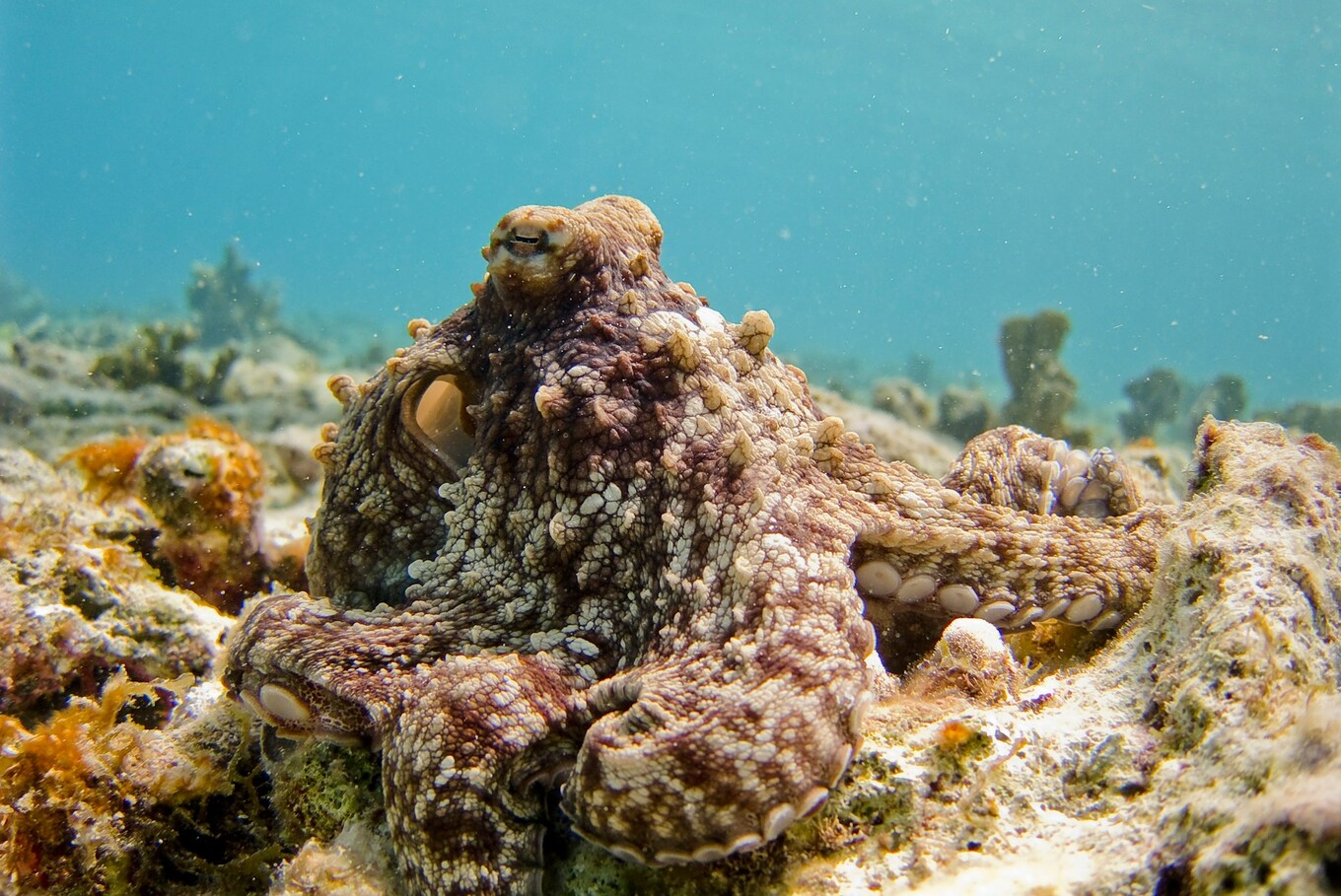
Octopuses are among the world’s most intelligent animals. They can build their own shelters, disguise themselves from predators, and even complete puzzles and unscrew jars. But under the proposed scheme, the Spanish seafood company planned to suppress the natural behaviors of these complex, solitary animals and slaughter them for meat.
Now, following years of criticism from scientists, non-governmental organizations, and animal welfare organizations like Compassion in World Farming, Nueva Pescanova has confirmed it will not proceed with its plans.
The problems with farming octopuses
According to Nueva Pescanova’s plans, the octopuses would have been kept in giant communal tanks on a large farm in Gran Canaria. They would have been fed wild-caught fish, before being slaughtered by the millions in ice-cold water for the food industry.
There were several glaring issues with this plan, according to experts. For one, in confined environments, octopuses may resort to aggressive behavior and even cannibalism. The farm also would have been highly resource-intensive, requiring around 28,000 tonnes of wild-caught fish to keep the operation running.
 Unsplash
“Beyond the serious animal welfare concerns, Nueva Pescanova’s project posed major sustainability and food security concerns,” Elena Lara, PhD, a marine biologist and senior research and policy advisor for Compassion in World Farming, tells VegNews. “This would have added pressure to already stretched fish populations, threatening marine ecosystems and coastal communities who rely on the fish for food.”
In the last six weeks, the Port Authority received 42,000 emails protesting the farm. According to Nueva Pescanova, however, the official reasons for withdrawing its application include extended administrative deadlines and regulatory requirements. Crucially, it has not ruled out making similar applications in the future, albeit not in Gran Canaria.
The fight against octopus farming isn’t over
The focus now, according to Lara, is on ensuring that new proposals from Nueva Pescanova or any other company cannot move forward—not just in Spain but around the world.
Farming octopuses remains an attractive prospect for seafood companies. Demand for octopus meat is high, and currently it is met entirely by wild fisheries. On average, 350,000 tonnes of octopus are pulled from the oceans every year.
In 2024, Lara joined 99 other scientists in publishing an open letter in the journal Science urging the US Congress to outlaw octopus farming altogether. Fortunately, many countries are already taking steps to prevent a farmed octopus industry from taking hold.
“Around the world, policymakers are increasingly taking steps to prevent octopus farming before it becomes established,” says Lara. “In the United States, California and Washington have already enacted bans, while federal legislation and bills in several other states are under consideration. In Latin America, Chile and Mexico have introduced national legislation to prohibit octopus farming, reflecting growing international concern over its animal welfare and environmental impacts.”
 Revo Foods
The case for octopus-free seafood
It’s worth noting that there are also major issues with wild octopus consumption. Nueva Pescanova even cited declining wild octopus populations as part of the justification for its proposal. But many advocates argue that farms are not the answer. Instead, they point to octopus-free alternatives.
While plant-based ingredients like hearts of palm, tofu, konjac, and oyster mushrooms can function as realistic, sustainable vegan seafood alternatives, some companies have taken things further.
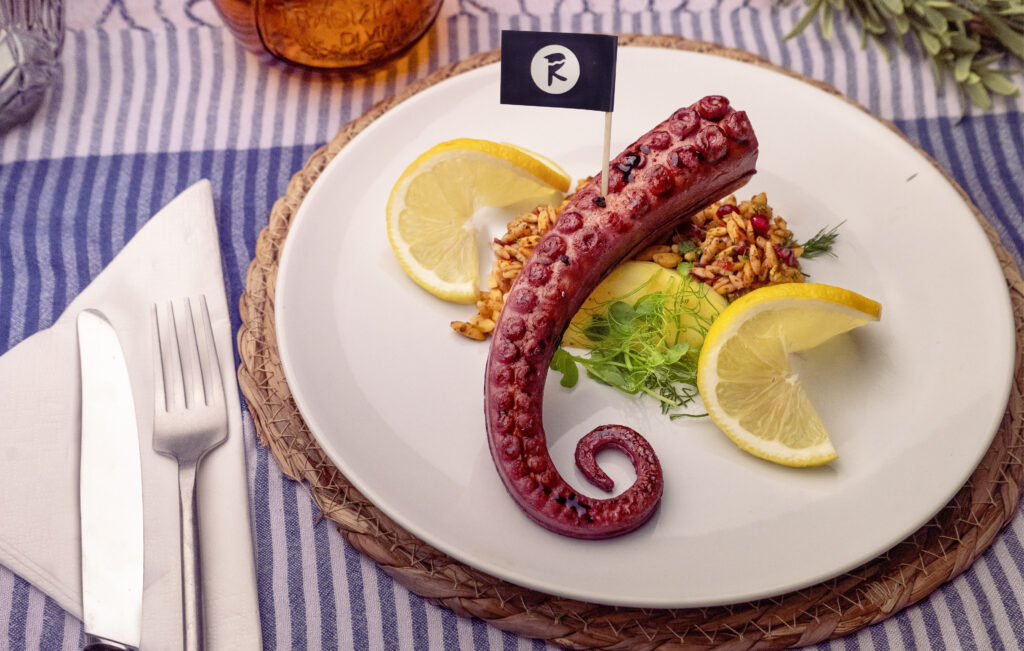
In 2024, Austrian company Revo Foods launched the world’s first vegan, hyper-realistic octopus tentacles, complete with suckers. It’s an innovative—and arguably revolutionary—product for the vegan seafood industry, although some found its lifelike design too confronting.
“The Kraken is here to capture our imagination, but also to spark debate,” said Robin Simsa, PhD, CEO of Revo Foods, back in 2025. “Why does a vegan alternative to octopus bring such controversy, while the farming of highly intelligent octopus does not? The Kraken is super tasty, but also meant to be playful and start a debate about the perception of alternative protein products.”
For more plant-based stories like this, read:
JUMP TO ... Latest News | Recipes | Guides | Health | Subscribe

Charlotte is a VegNews editor and writer based in sunny Southsea on England's southern coast.