


When you think of bamboo, chances are you’re thinking of pandas first, right? Maybe flooring or a sweatshirt made from eco materials, but probably not dinner plates. However, a new academic review has turned that image on its head by suggesting that bamboo shoots might be more than just restaurant garnish or panda fodder—they could be a genuinely health-supporting food.
 Aflo Images | Canva
A systematic review led by researchers at Anglia Ruskin University in the UK explored all published evidence on bamboo consumption, including human clinical trials and laboratory research. Researchers found promising links between eating bamboo shoots and outcomes such as improved blood sugar control, digestive health, and reduced inflammation and oxidative stress.
Published in the journal Advances in Bamboo Science, the review is the first comprehensive academic assessment of bamboo as food. It pulls together data from both human trials and in-vitro studies on human cells to evaluate the fast-growing plant’s nutritional potential.
What the science says about bamboo nutrition
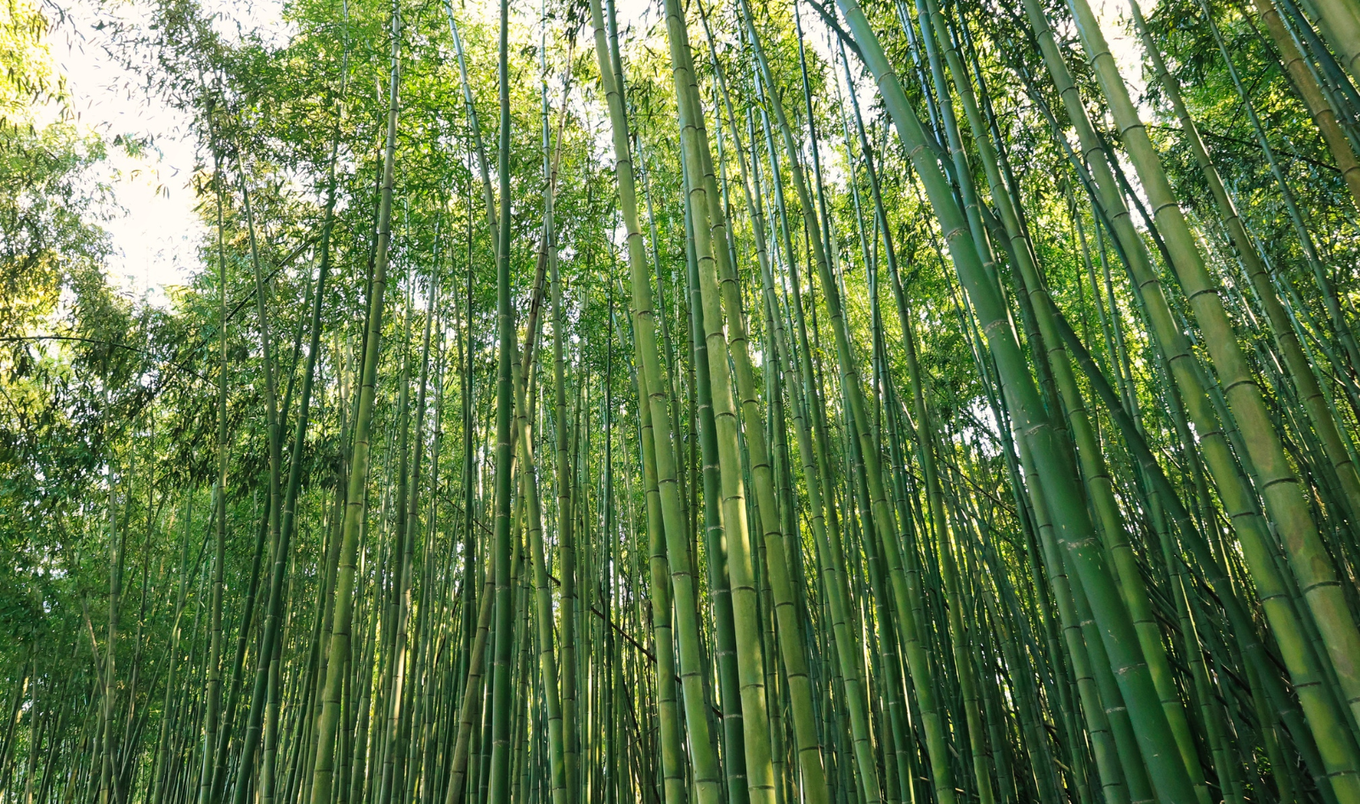
Unlike most common vegetables, bamboo shoots offer a rare mix of plant-based protein, modest levels of dietary fiber, and very low fat content. They also deliver an array of micronutrients, including thiamine, niacin, vitamins A, B6, and E, as well as potassium and selenium. Early results from human research suggest that eating bamboo shoots may help regulate blood sugar—a key factor for metabolic health—and may improve lipid profiles linked to heart disease risk.
 Aflo Images | Canva
Those dietary fiber components—cellulose, hemicellulose, and lignin—appear to support bowel function when incorporated into meals, and several studies have also pointed to increased antioxidant and anti-inflammatory activity following bamboo consumption. Laboratory investigations further reinforce those findings, showing that bamboo extracts can demonstrate strong antioxidant properties and may promote beneficial gut bacteria.
Why researchers are still cautious
For all the enthusiasm around bamboo’s potential, the scientists behind the review are careful not to overstate the evidence. “Our review shows bamboo’s clear promise as a possible ‘superfood’, but there are also gaps in our knowledge,” said Lee Smith, professor of public health at Anglia Ruskin University. “We could only find four studies involving human participants that met our criteria, so additional high-quality human trials are necessary before we can make firm recommendations.”
 Aflo Images | Canva
BECOME A VEGNEWS VIP: Get exclusive product deals, freebies, and perks galore!
That limitation is significant. Out of 16 total studies included in the review, only a small number involved people, and most of the observed health benefits were modest or preliminary. The findings were consistent enough to warrant further investigation, but not yet strong enough to support definitive health claims.
How bamboo is eaten and why preparation matters
Bamboo shoots have been eaten for centuries in traditional cuisines across China, India, and Southeast Asia, prized for their crunchy texture and mild, slightly sweet flavor. But preparation is essential. Raw bamboo shoots can contain naturally occurring cyanogenic glycosides that can release toxic cyanide if consumed without proper processing.
Traditional preparation methods, which typically involve peeling and boiling the shoots thoroughly, neutralize those compounds and make bamboo safe to eat. This step is non-negotiable, researchers emphasize, and remains one of the key considerations if bamboo consumption were to expand more widely.
 Getty
Getty
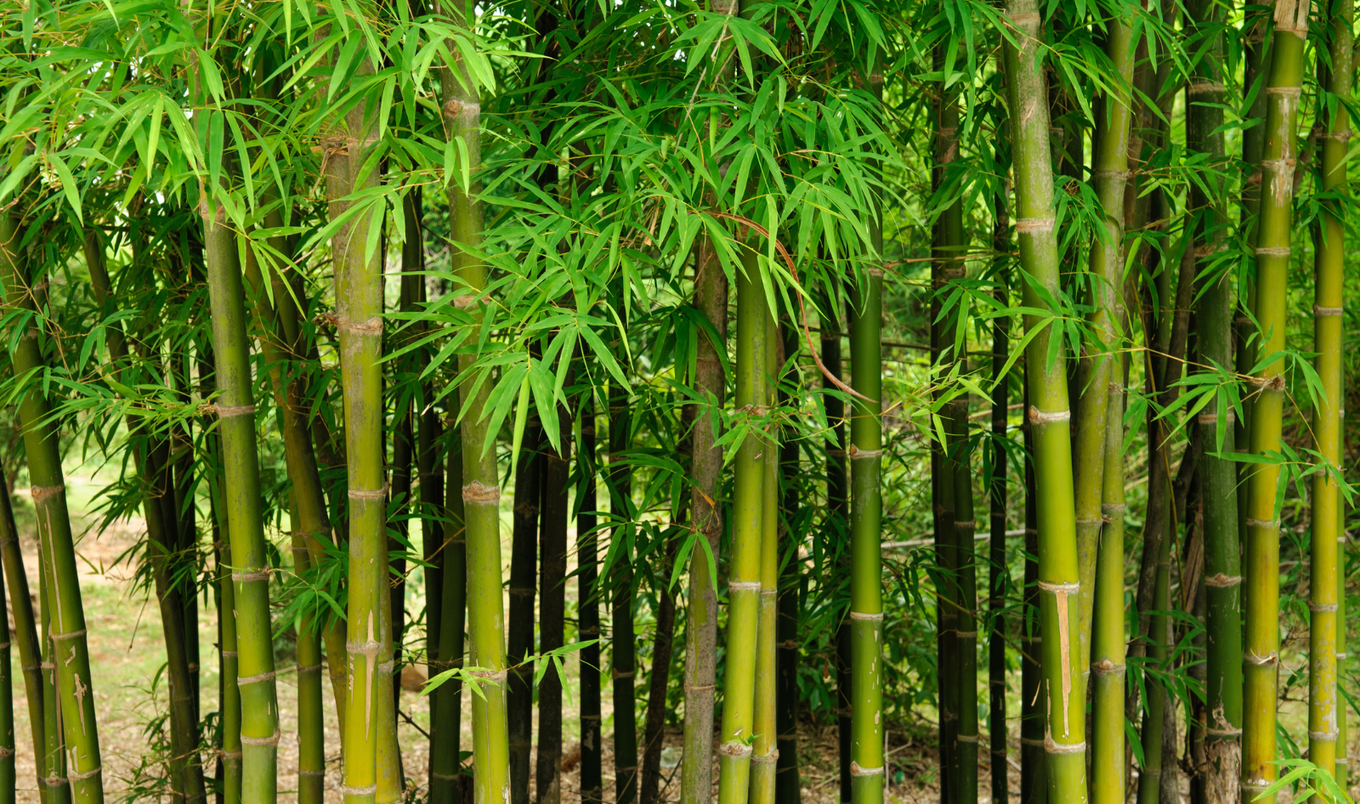
Beyond nutrition, bamboo’s growth habits are also attracting attention. Some species can grow nearly a meter in a single day, and once established, bamboo generally requires less water and fewer chemical inputs than many conventional crops. That combination of speed, resilience, and edible yield has positioned bamboo as a potential low-impact food source worth watching.
With more human research ahead, bamboo may not be a bona fide Erewhon smoothie-worthy superfood just yet, but it does suggest that pandas—between all the naps and bamboo snack breaks—may be onto something the rest of us are only just beginning to catch up to.
For more plant-based stories like this, read:
JUMP TO ... Latest News | Recipes | Guides | Health | Subscribe