


Plant-based and cultivated meat were once hailed as inevitable—but the road to reinvention has been far messier than predicted. In Meat: How the Next Agricultural Revolution Will Transform Humanity’s Favorite Food—and Our Future, Good Food Institute founder Bruce Friedrich pulls back the curtain on the structural, cultural, and market forces slowing progress across the alternative protein sector. The following excerpt offers Friedrich’s insider perspective on why the movement has stumbled—and what still needs to change for the next phase to succeed.
It’s true that consumers have not yet flocked to plant-based meat; that’s because most of the products are not good enough, and all of them cost too much. It’s also true that investments in plant-based and cultivated meat companies have slowed quite a bit. The reasons for that include investor expectations that timelines to commercialization for cultivated meat would be quicker and misunderstanding about what’s required for plant-based meat’s success. All that said, alternative meats are certainly not alone; higher interest rates, inflation, and geopolitical uncertainty have chilled startup investing across all sectors other than AI.
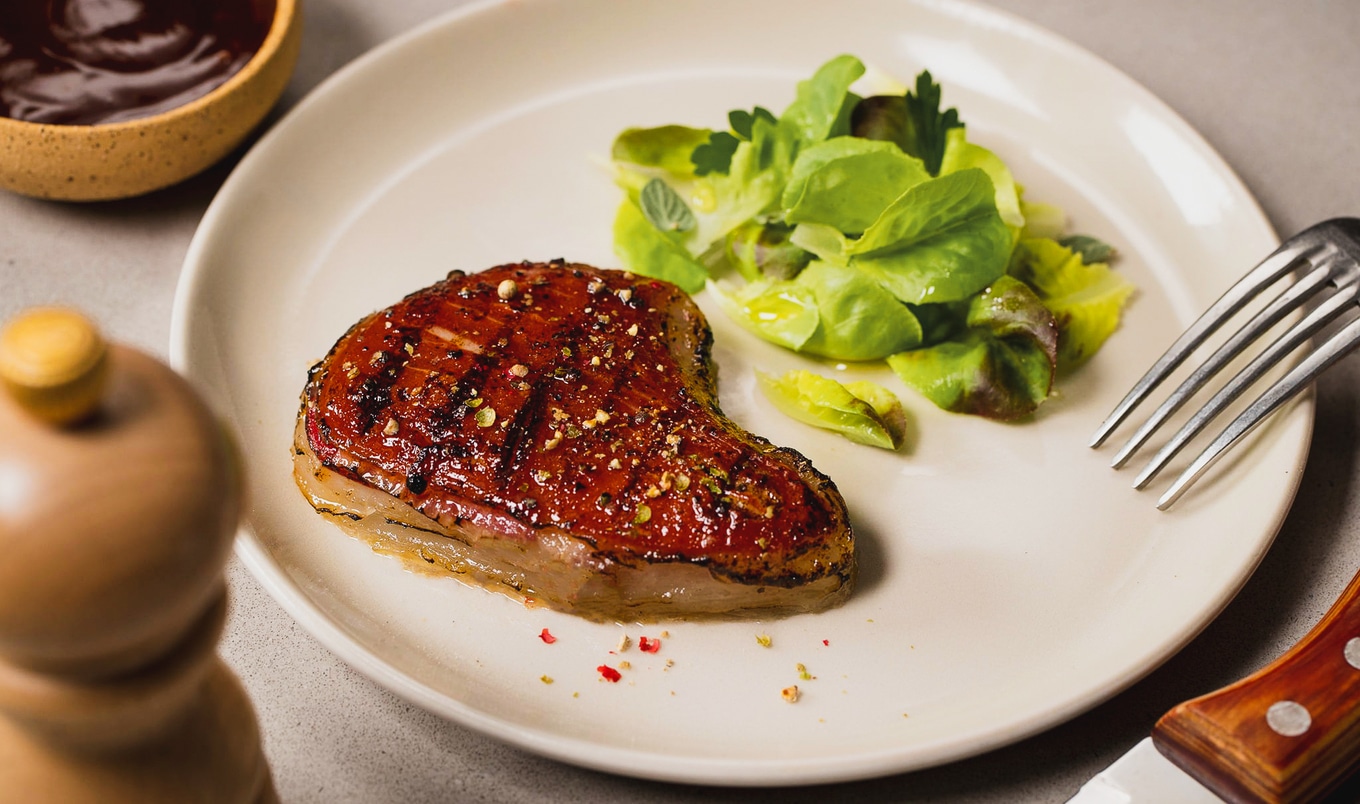 Steakholder Foods
In response to plant-based meat’s flagging sales and the fundraising struggles of both plant-based and cultivated meat, there have been stories in the business press claiming that the theory of change has been tried and failed. That’s wrong.
The plant-based obituaries look like this: plant-based meat was the hot new thing, but now plant-based meat companies are struggling. Sales are down. The products are too expensive, and they don’t taste good enough. Ergo, plant-based meat has been tried and failed.
The cultivated meat obituaries look like this: there was a lot of excitement for cultivated meat between 2019 and 2021. Startups raised $3.1 billion dollars, including from Bill Gates and Richard Branson, as well as Cargill and Tyson Foods. Where’s my cultivated burger?
These articles miss a few important points.
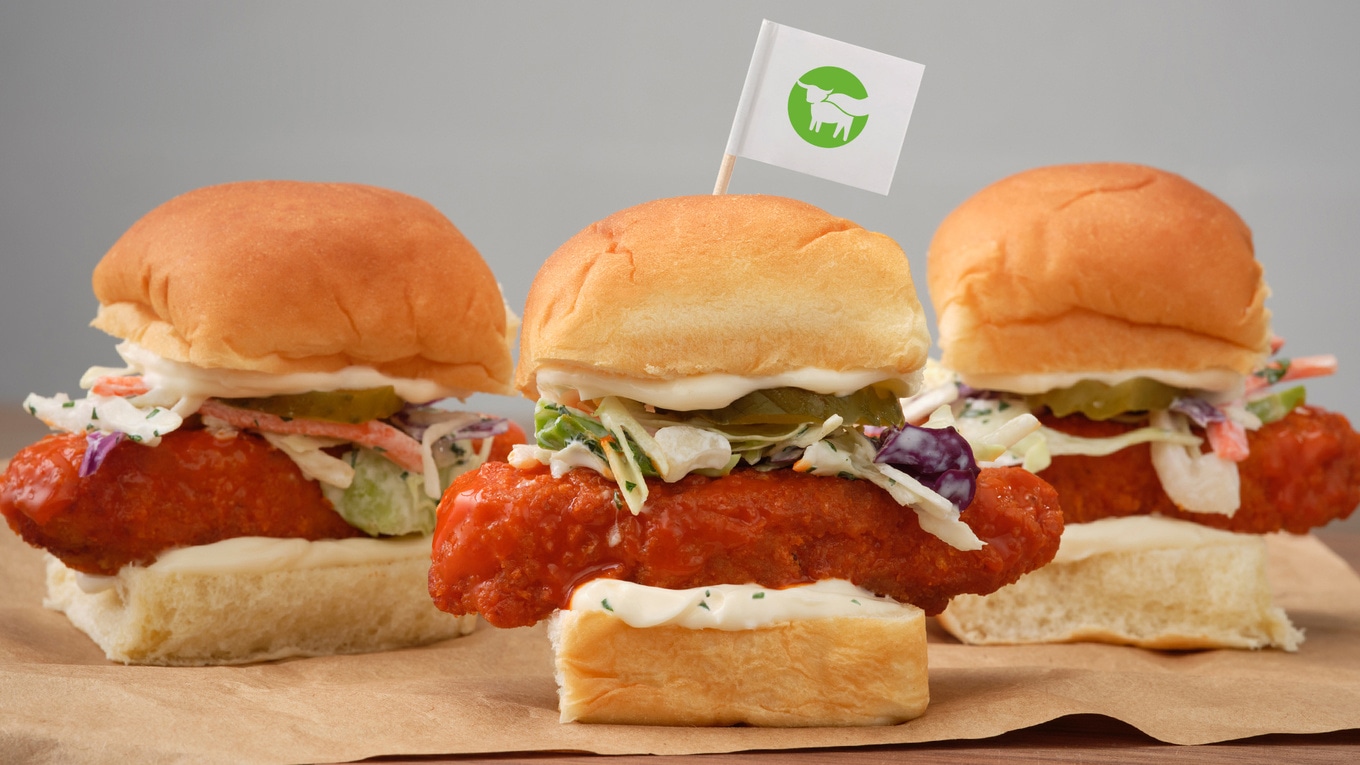 Beyond
First, all of the plant-based meats that consumers enjoy cost a lot more than their conventional counterparts. The nonprofit organization I founded—plant-based and cultivated protein nonprofit The Good Food Institute—ran the numbers and found that plant-based meats cost on average about twice as much as conventional meat in 2025; plant-based chicken has an even steeper cost differential. It’s worse than that, though; the most meat-like plant-based products cost even more. Second, the products also don’t taste good enough yet. When NECTAR (a nonprofit initiative specializing in sensory research on alternative protein products) tested 122 plant-based meats in 2025, 102 out of 122 seriously underperformed, and not a single product achieved taste parity (though six came super-close). Cultivated meat also costs too much, the science is early, and production is just beginning.
And as for that $3.1 billion invested in cultivated meat? It sounds like a lot, until you realize how thinly it’s spread.
That total has funded more than 150 companies worldwide, covering not just R&D but also expensive equipment, rent, production tests, salaries, and more. It’s also not a one-year total; it’s an all-of-time total, encompassing the first investment in October 2015 and extending through June 2025.
To put that number in perspective, consider this: the average cost to bring a single drug to market between 2009 and 2018 was $1.3 billion, and that’s for a pharmaceutical company that already has all the necessary equipment and infrastructure, regulatory systems in place, and so on. That’s more than twice the amount raised by the best-funded cultivated meat company Upside Foods, for all its operations going back to its first investment in 2015. A single EV-battery factory costs between $3.5 and $5.2 billion. That’s more than has been spent on all aspects of cultivated meat in all of history.
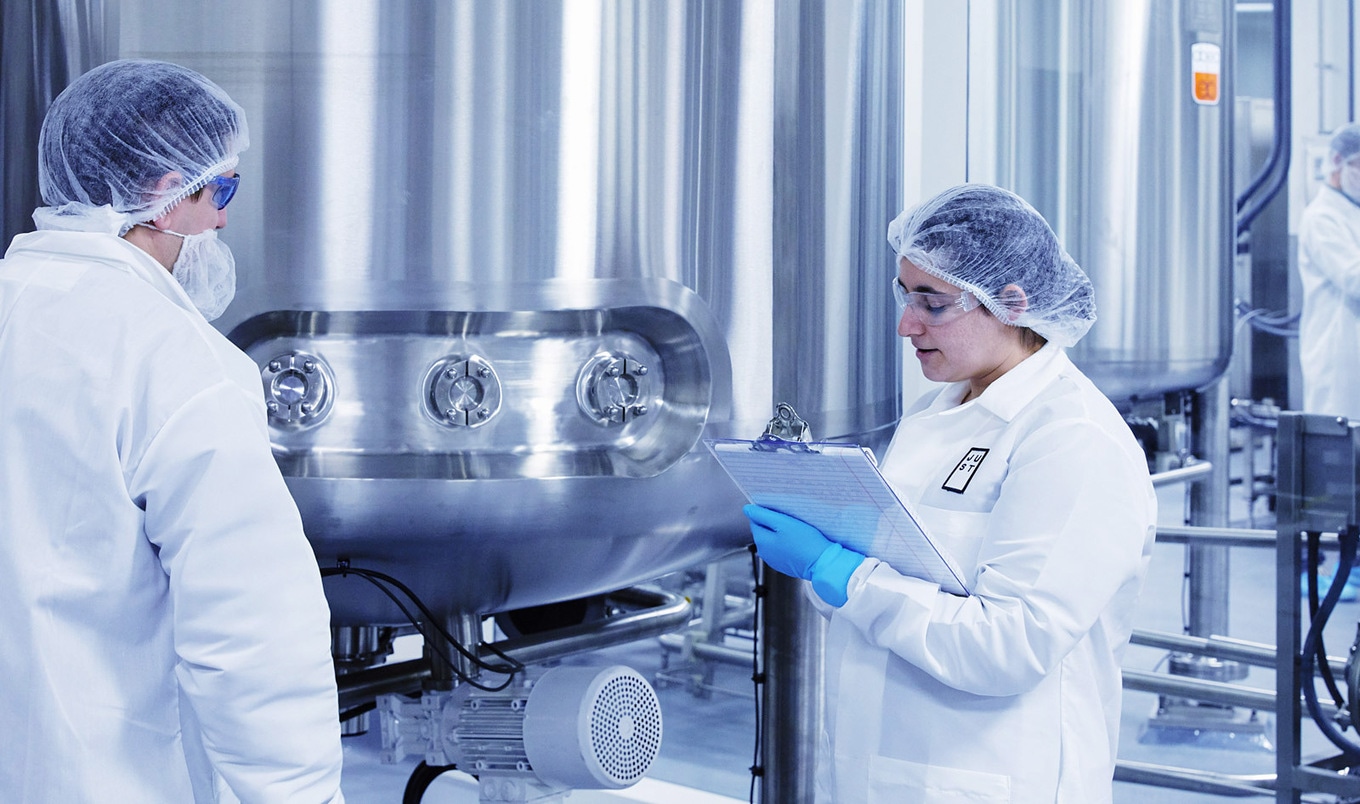 Eat Just
BECOME A VEGNEWS VIP: Get exclusive product deals, freebies, and perks galore!
This expectation that expensive, first-generation products would displace conventional meat within a few years of first prototype would be a lot like asking why cars hadn’t displaced horses in 1890, why computers hadn’t replaced typewriters in 1980, or why EVs hadn’t replaced gas-powered cars in 2010. In each case, the products were too expensive and did not yet satisfy consumers. Innovation and scale were required. Same thing here.
It’s true that some plant-based and cultivated meat companies have struggled and that others have failed outright. News articles about these struggles have sometimes suggested that one company’s struggles can be seen as a proverbial coal mine canary. But again, that misses something important about innovation: most companies fail, and they fail not because of technological challenges but for one of the other 99 reasons that running a company is hard.
The biggest and most obvious challenge is the lack of capital, since without capital, you’re no longer a company—no matter how strong your science. My friend Michael Grunwald jokes in his excellent book about climate and agriculture, We Are Eating the Earth, that at the 2019 Good Food Conference, he worried that someone might write him a check to start an alt meat company while he stood in line for coffee. Just three years later, that funding pool, like much of climate tech and food startup investment, had largely dried up.
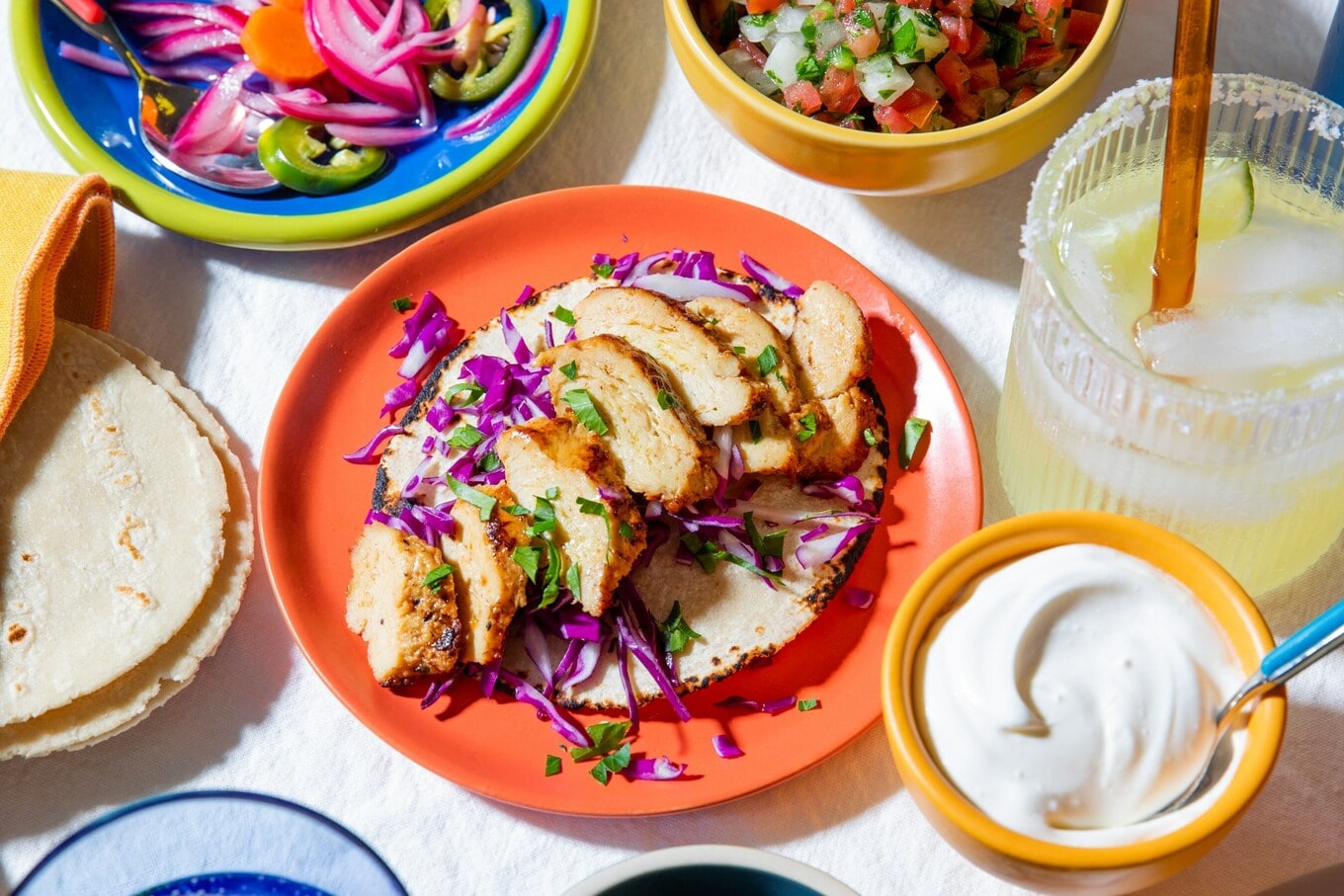 Upside Foods
Another way to fail is to do something that looks like the theory of change but isn’t. Many plant-based startups expected revenue without research. They assumed they could replicate the success of Impossible Foods without spending a dime on research and development. That didn’t work, and most of them failed. That had nothing at all to do with the science of plant-based meat; in fact, it was validation of its necessity.
As some plant-based and cultivated meat companies have run out of money and closed, I’ve seen a few founders suggest that the world simply didn’t want plant-based or cultivated meat. “We built it, and they didn’t come,” said one. But this is, not to put too fine a point on it, nonsense: as of 2025, the world does not yet have a taste- and cost-competitive plant-based or cultivated meat product. The theory of change has not been tried and failed; it has not yet been tried.
Running any company is hard. It’s hard for everyone, of course, but it’s especially tough if your company is launching a brand-new product and is trying to compete with an incumbent that most consumers do not (yet) find wanting.
Find out more about Bruce Friedrich’s new book Meat, which Publishers Weekly put on its list of the 10 best new releases in science, at MeatBook.org.
For more plant-based stories like this, read:
JUMP TO ... Latest News | Recipes | Guides | Health | Subscribe
Here at VegNews, we live and breathe the plant-based lifestyle, and only recommend products we feel make our lives amazing. Occasionally, articles may include links where we might earn a small commission, but in no way does this effect the editorial integrity of VegNews.