


The year is 2018. Del Taco is testing Beyond Meat crumbles in Los Angeles. Wu-Tang Clan is partnering with White Castle to promote a plant-based Impossible Slider. Costco sells one million vegan patties in just 60 days.
Across the Atlantic, the UK’s vegan scene is starting to boom. That same year, the country cemented itself as a global leader in plant-based innovation, with major supermarkets investing heavily in new products. Tesco launched Wicked Kitchen, a ready-meal range developed with vegan chef Derek Sarno, signaling that plant-based food has moved decisively into the mainstream.
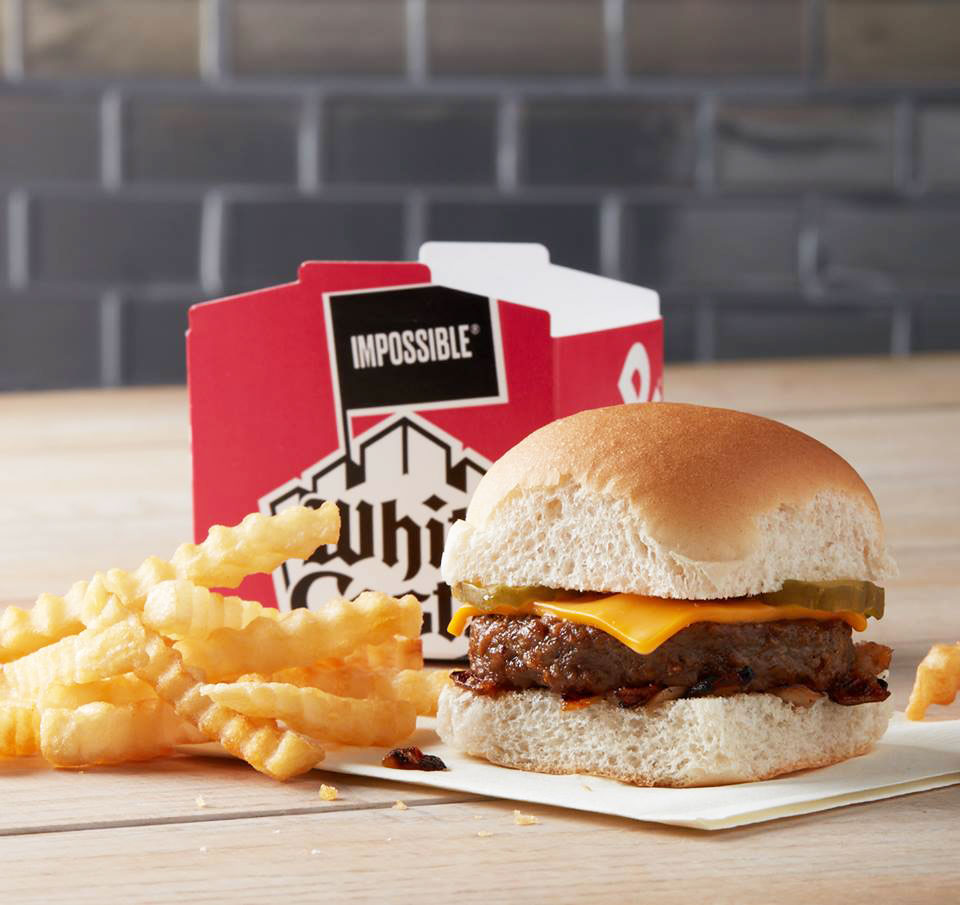 White Castle
2019 built on that momentum. Subway trialed vegan meatballs on both sides of the pond. Domino’s announced vegan cheese for UK customers. Even KFC added a vegan burger to its UK menu and experimented with plant-based nuggets in the US. What a time to be alive. I was working as a vegan news reporter, and it was hard to keep up with the new product launches flooding our Slack channels.
But now, in 2026, the landscape is different. Innovation hasn’t disappeared, but in many cases it has become timid and repetitive. Many of the fast-food brands that once raced to innovate have quietly stepped back from plant-based menus. And those that remain often fall back on the same safe staples.
From bold bets to safe staples
Subway’s latest vegan launch in the UK isn’t a revival of 2019’s vegan meatballs or 2020’s plant-based chicken. No, its new plant-based option for 2026 is smashed falafel.
Falafel? For Veganuary? Groundbreaking.
Subway isn’t alone. Rumor has it that Starbucks has discontinued its Beyond Meat breakfast sandwich in the UK for the second time, leaving a falafel wrap as its main vegan option. In the US, the coffee giant offers a Spicy Falafel Pocket as its primary plant-based choice. Then there’s IKEA, which recently rolled out falafel balls across stores in the US, describing their “aromatic and nutty flavor” as “a beloved favorite all over the world.”
It’s true. Falafel is a stone-cold classic. It’s certainly one of my go-tos. Fresh from a Mediterranean deli, or homemade, stuffed into a warm pita with hummus, thinly sliced tomatoes and cucumber, crunchy onions, a squeeze of lemon, and a generous dollop of tzatziki? That’s a perfect lunch.
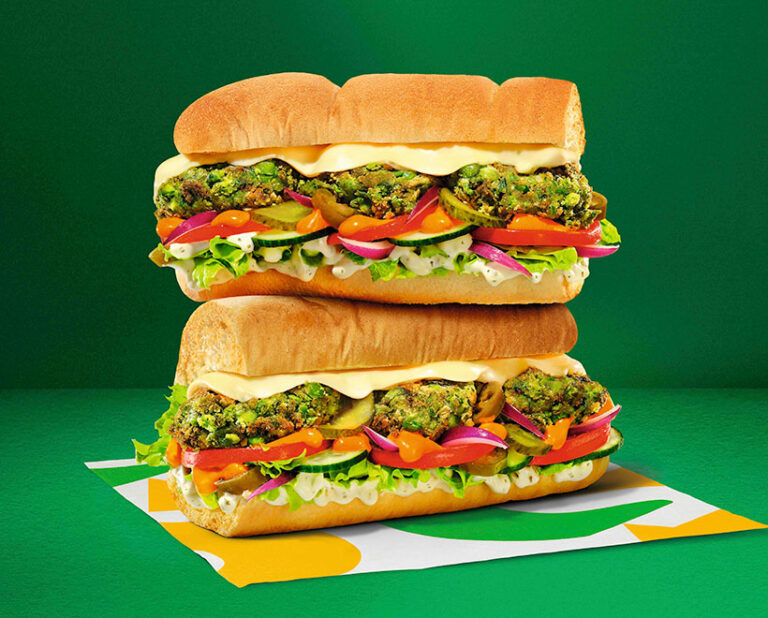 Subway
But it’s not what I want from a fast-food chain.
I was a loyal fan of that Beyond Meat breakfast sandwich; it was the highlight of early mornings and long road trips. Subway’s vegan chicken sandwich, paired with a side of meatless meatballs, was a reliable hangover cure.
Domino’s still has vegan cheese in the UK (sadly not in the US), but of the many plant-based meat toppings it launched over the years, none have survived. Papa John’s UK has fared better, recently partnering with French vegan bacon brand La Vie.
Like many people, when I eat out or head to a fast-food chain, I want a bit of “junk,” for want of a better word. I might be vegan, but I still crave a meaty bite now and again. Thank goodness we still have the McPlant in the UK, where I’m based. It was tested in the US, but ultimately didn’t survive.
Why the change?
The shift in the plant-based landscape can be explained by a few factors. Research suggests the vegan market is plateauing, and that’s actually pretty normal. “The early momentum and breakout years of high growth, followed by market maturation, mean that a reset and rebalancing is a normal trajectory for any new segment,” Angela Flatland, plant-based sales and content director at data analytics platform SPINS, told VegNews recently.
“With fast-paced growth in any category comes a lot of quick innovation to get in on the opportunity. The segment became saturated with products that didn’t hit the mark with consumers,” she explained. “Products that are not hitting that mark with consumers will go away, and that will make room for more thoughtful innovation from brands that are diligently paying attention to the changing needs of consumers.”
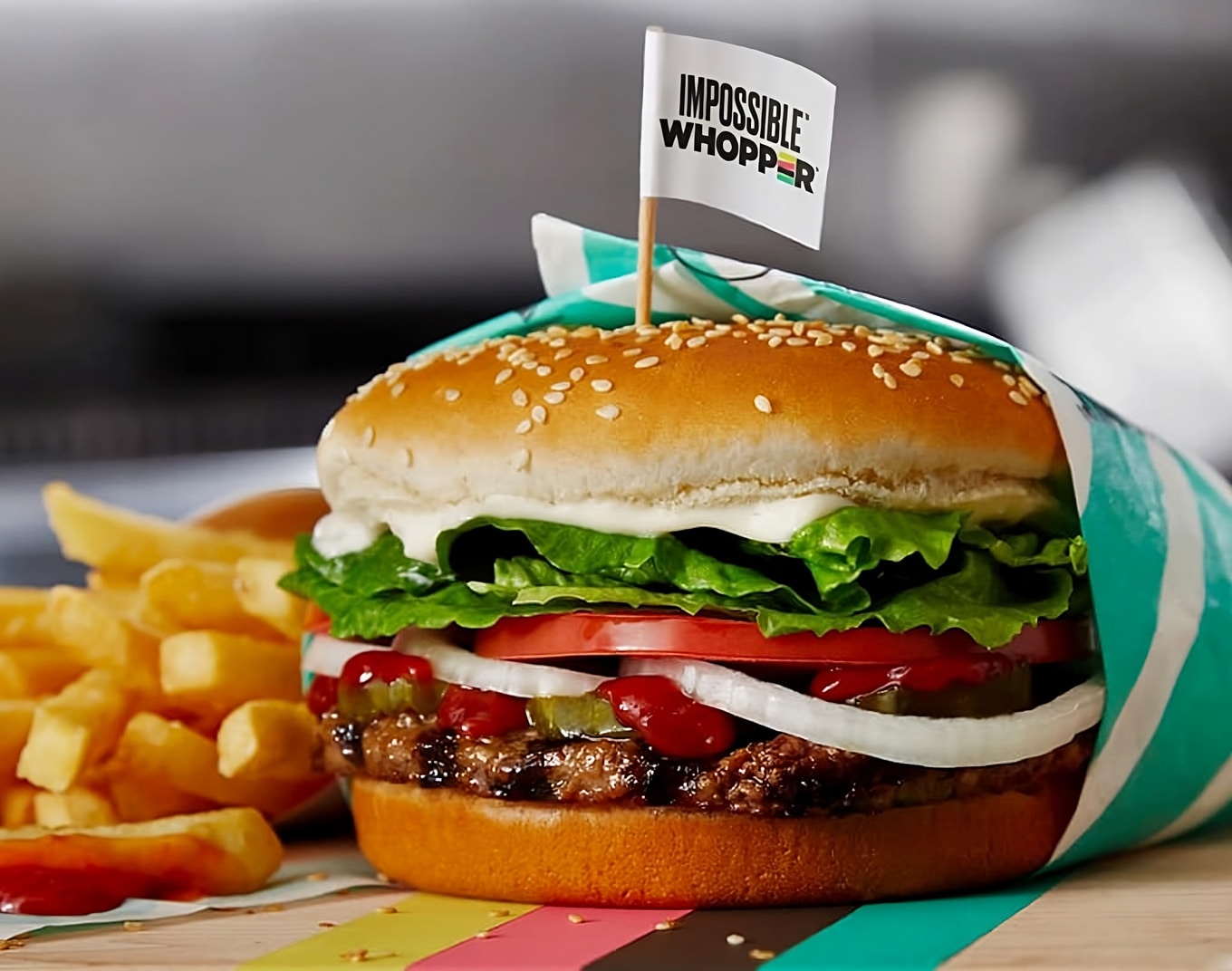 Burger King
That helps explain why some products have stuck around while others have disappeared. Burger King, for example, has offered the Impossible Whopper in the US since 2019, and a vegan Whopper in the UK since 2020, with no indication that it’s going anywhere.
It’s also impossible to ignore the impact of growing concern around ultra-processed foods. Plant-based meat is often singled out, despite a frustrating double standard: the processed animal meat market continues to grow. According to Future Market Insights, the global deli meat market could rise from $95.3 million in 2025 to $144.8 million by 2035.
Perhaps this explains why, when many people choose plant-based options, they want them to come with a health halo. Enter: falafel.
Whole foods, meet innovation
And look, I get it. I, too, am trying to eat more whole foods and less plant-based meat. But that doesn’t mean that the fast-food space can’t feel exciting again. Falafel doesn’t need to disappear, but it shouldn’t be the end of the conversation.
How about tofu chicken, Subway? Seitan balls, IKEA? Starbucks, surely you could create a genuinely great tempeh bacon breakfast sandwich, complete with a chickpea egg.
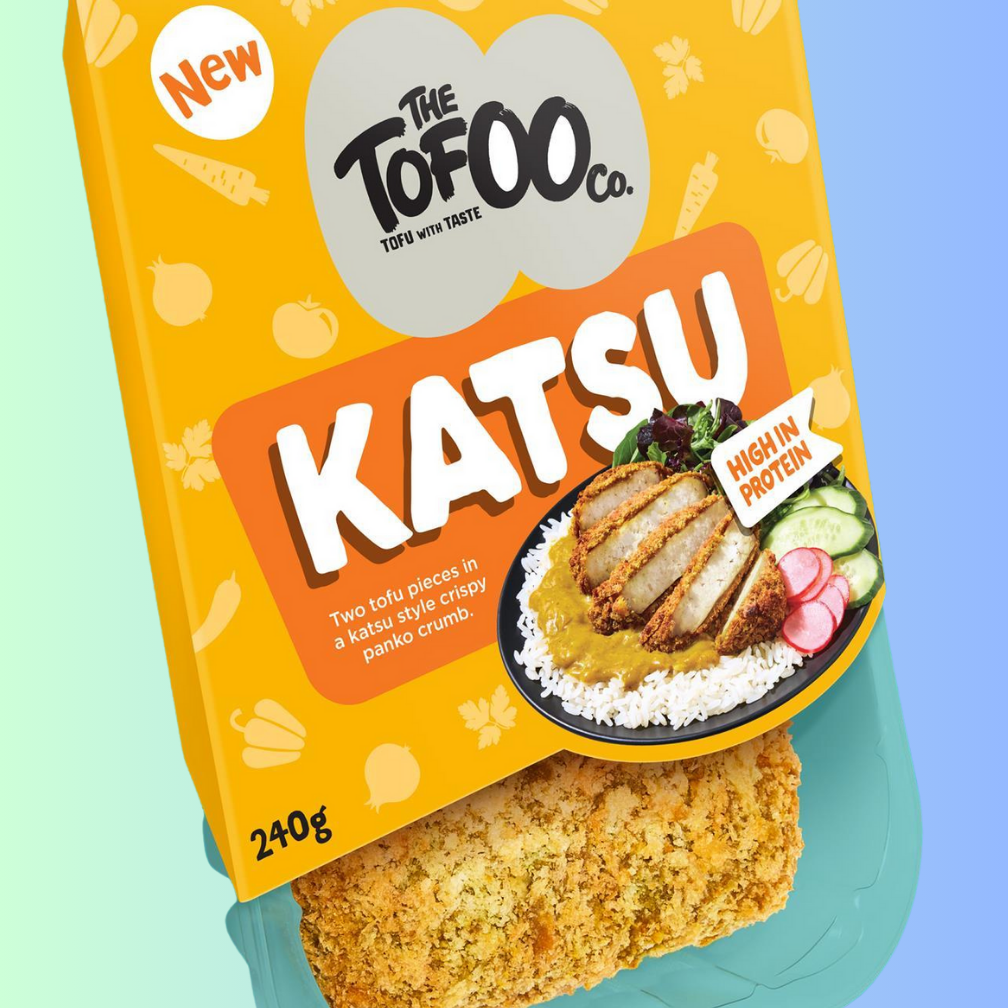
For inspiration, look inside Britain’s grocery stores. A recent trip to Tesco left my fridge stocked with products like Tofoo Seitan (produced in partnership with fast-food favorite Temple of Seitan) and Allplants’ Veggie Tempeh Golden Lentil strips. I was also tempted by THIS Chickpea Tofu, Tofoo’s Katsu Tofu, Quorn’s Chicken Free Slices (a classic), Chicago Town’s barbecue jackfruit pizza, and Squeaky Bean’s Braised Veggie Pie with vegetable mince.
Some of these products would be classed as ultra-processed; others wouldn’t. But all of them demonstrate the same thing: plant-based staples can be transformed into genuinely creative, craveable options that meet public demand without sacrificing innovation.
We still have the rest of 2026 to go. Fast food, you’re up. Don’t play it safe.
For more plant-based stories like this, read:
JUMP TO ... Latest News | Recipes | Guides | Health | Subscribe

Charlotte is a VegNews editor and writer based in sunny Southsea on England's southern coast.