


Back in 2006, when I co-founded Veggie Grill, the term “plant-based” was hardly used, and vegan offerings were extremely sparse. Fast forward a decade, and thanks to passionate advocates, health professionals, and entrepreneurs, plant-based eating was firmly on the rise. Between 2016 and 2021, the US witnessed a cultural and commercial breakthrough: dairy-free milk captured more than 15 percent of the retail dairy aisle, meatless meat sales more than doubled, and brands like Beyond Meat and Oatly went public in blockbuster IPOs. Major restaurant chains rolled out plant-based options nationwide, while nearly every grocery store introduced new dairy- and meat-free sections. Plant-based was going mainstream, and momentum seemed unstoppable.
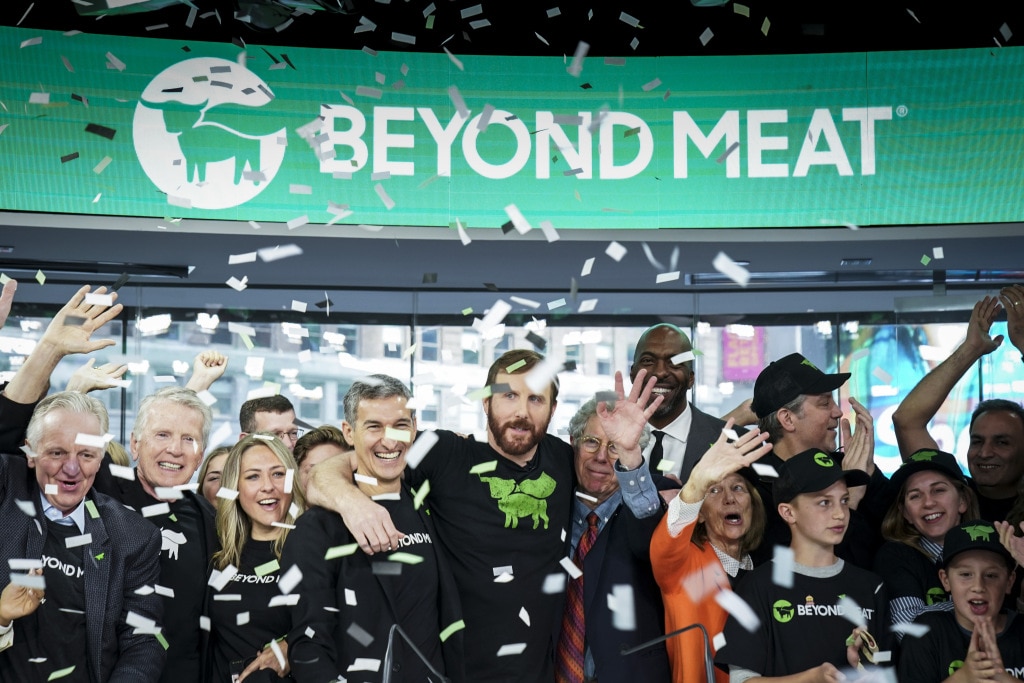 Beyond Meat
So what happened?
In recent years, progress has slowed—and in some cases, reversed. There are several reasons for this, including …
-
The overhyping of “plant-based” as a health cure-all set expectations many products couldn’t meet, leading to disappointment.
-
Industry pushback, with Big Meat funding multi-million-dollar campaigns framing plant-based meat as “ultra-processed,” “artificial,” and “fake” despite many products offering clear nutritional advantages compared to animal meat.
-
Cultural backlash against anything that challenges tradition, painting plant-based food and diets as “woke” rather than a step forward for people and the planet.
-
Market correction, which happens in nearly every promising sector (from dot-coms to solar to electric vehicles) when rapid investment outpaces demand.
These forces have created a period of contraction and consolidation. But we will get past it.
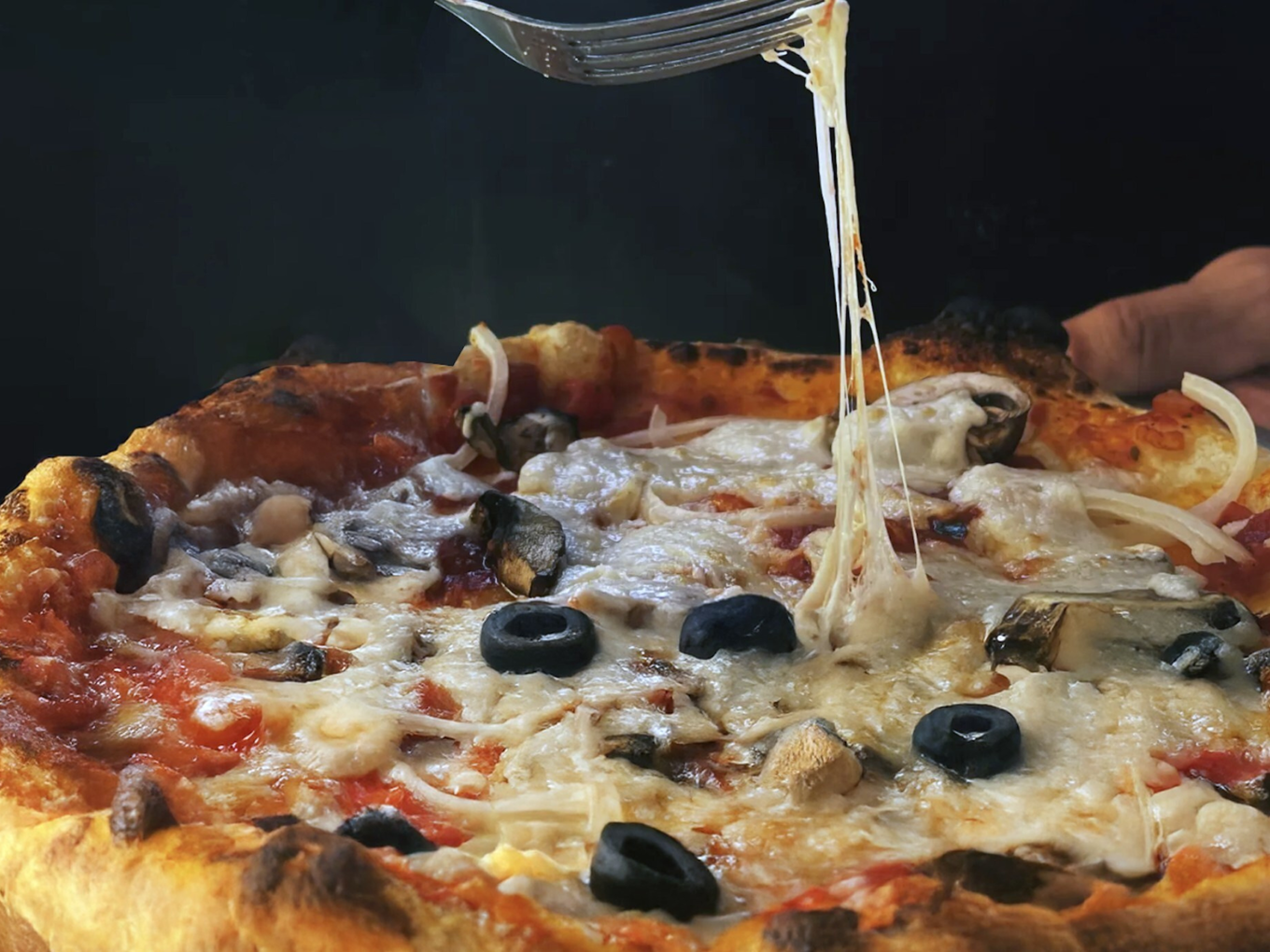 Bettani Farms
Progress continues
Even in this environment, progress continues. Proteins such as lupin, faba, lentils, and mycelium are improving in taste and nutrition. Staples like tofu, tempeh, and beans are finally getting their due recognition. Across the plant-based ecosystem, innovators are proving that better options are possible. Examples include …
-
Berkeley, CA-based Bettani Farms will soon launch a protein-rich, dairy-free cheese that has the same taste, texture, performance, and nutrition of dairy cheese.
-
Beyond Meat is doubling down on clean plant proteins with products like its new Beyond Ground, a four-ingredient blank canvas of a product with 27 grams of protein and 4 grams of fiber that consumers can season in flavor to their liking.
-
Other companies bringing new plant proteins and next-generation products to market include Plantible (a protein from super-sustainable duckweed), PureTure (a clean-label animal-free protein shake), and New Culture (a precision fermented, vegan casein-based cheese).

A new path forward
As plant-based enthusiasts and advocates, how do we help rebuild momentum? The challenge is that when confusion and doubt set in, it’s difficult to change perception and habits. So instead of getting caught up in debates around “vegan,” “plant-based,” and “whole” versus “processed,” my recommendation is to rally around a simple, inclusive call-to-action: Prioritize Plant Protein. Here’s why …
-
It’s familiar and inclusive, and speaks to behavior over identity.
-
It offers nutritional credibility, and is backed by leading health organizations with clear benefits and outcomes.
-
It covers the spectrum from whole foods like beans and tofu to plant proteins like Beyond Ground.
-
It directly counters the idea that we need meat for protein.
Why the phrase “Prioritize Plant Protein”? In case you need a refresher to help sharpen your advocacy, there are countless benefits to plant protein …
-
Plant protein delivers fiber, antioxidants, phytonutrients, and healthier fats that animal protein can’t match, supporting weight management and gut health.
-
Plant protein is linked to reduced markers of chronic inflammation that benefit both physical and cognitive health.
-
Plant protein is associated with lower risk of heart disease, type 2 diabetes, and several cancers.
-
Plant protein supports muscle strength and growth on par with animal protein when intake is matched.
 Different approaches for different people
Let’s be clear: following a fully plant-based diet remains the most powerful way to protect animals and the planet, and advocacy that advances that vision—along with exposing the realities of factory farming—remains a foundational piece of the vegan movement.
But to reach the wider public in today’s noisy and polarized environment, “Prioritize Plant Protein” offers a simple, familiar, and powerful bridge. I invite you to try this approach with your friends, family, and community. Because of people like you—advocates, educators, health professionals, and community leaders—we know change is possible. Together, we can take the next step and make plant protein familiar and foundational in everyday diets.
For more plant-based stories like this, read:
JUMP TO ... Latest News | Recipes | Guides | Health | Subscribe