


If you’re prone to reaching for a doughnut or muffin when the 3pm slump rolls around, two new studies suggest that habit may be doing more than getting you through the afternoon. The new research indicates that the kinds of carbohydrates dominating modern diets may interfere with how full you feel in the moment and how your brain ages over time.
When snack foods quiet your fullness cues
A controlled feeding study from Virginia Tech set out to test a question many people intuitively recognize: why does highly processed food make it easier to keep eating, even when you are no longer hungry? Researchers recruited 27 young adults between the ages of 18 and 25 whose weight had been stable. Participants followed two different diets for two weeks each. One diet derived 81 percent of its calories from ultra-processed foods, while the other contained none. Importantly, the meals were designed to be nutritionally comparable so that processing itself was the variable under examination.
 Canva
Canva
“We very rigorously designed these diets to be matched on 22 characteristics, including macronutrients, fiber, added sugar, energy density, and also many vitamins and minerals,” Brenda Davy, PhD, RDN, a professor in Virginia Tech’s Department of Human Nutrition, Foods, and Exercise, said in a statement. “Previous studies had not matched diets to this extent.”
After each two-week phase, participants ate freely from a breakfast buffet and were later offered snacks, even if they reported no hunger. While total buffet calories did not differ overall, younger participants between 18 and 21 ate more snacks after following the ultra-processed diet. “Our adolescent participants had just consumed more in the buffet meal after the ultra-processed diet. Then, given the opportunity to snack when not hungry, they ate more yet again,” said Alex DiFeliceantonio, PhD, a neuroscientist and co-author of the study.
“Snacking when not hungry is an important predictor of later weight gain in young people, and it seems ultra-processed food exposure increases this tendency in adolescents.”
The study was short by design, but the researchers noted that if this pattern repeats daily, the metabolic consequences add up. As Davy explained, “Although this was a short-term trial, if this increase in caloric intake persists over time, this could lead to weight gain in these young people.”
How common is ultra-processed eating?
That question matters because ultra-processed foods are not a niche indulgence. According to recent findings from the US Centers for Disease Control and Prevention, about 55 percent of calories consumed by people over one year of age in the US now come from ultra-processed foods. Among children and teens, that figure rises to roughly 61 percent.
 Pexels
BECOME A VEGNEWS VIP: Get exclusive product deals, freebies, and perks galore!
These foods often include refined starches, added sugars, emulsifiers, and textures engineered to be easy to eat quickly. The Virginia Tech findings suggest that this combination may make it harder to recognize when you have had enough, particularly during late adolescence and early adulthood, when eating habits often solidify.
What carb quality means for the aging brain
A separate long-term study adds another layer to the story. Researchers from the Universitat Rovira i Virgili and collaborating institutions analyzed dietary data from more than 200,000 adults in the UK who were free of dementia at the start of the study. Published in the International Journal of Epidemiology, the research followed participants for more than 13 years, tracking how the glycemic index of their diets related to cognitive outcomes.
 Pexels
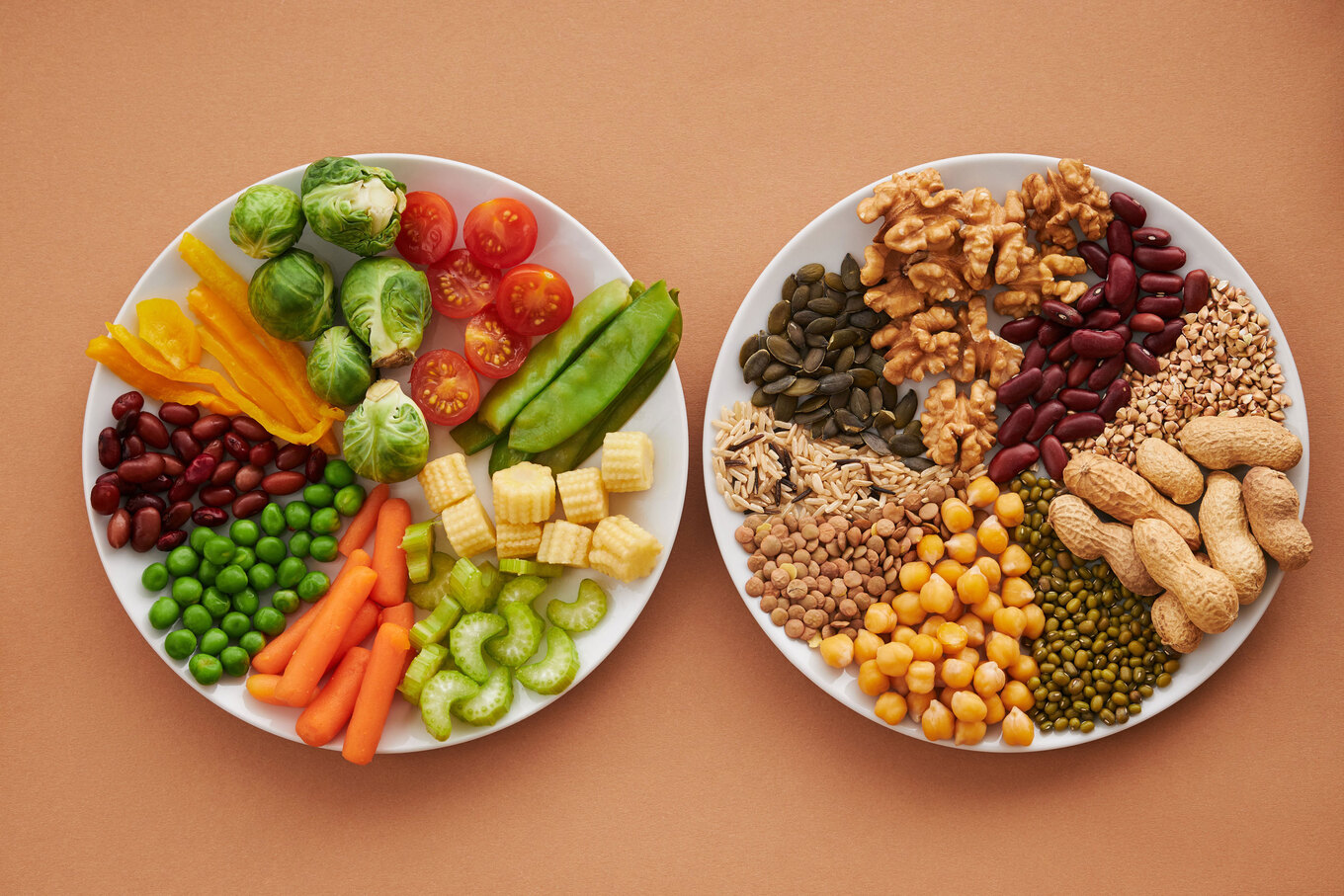
Glycemic index measures how quickly carbohydrates raise blood glucose levels. Diets emphasizing lower glycemic index foods were associated with a 16-percent lower risk of developing Alzheimer’s disease, while higher glycemic index diets were linked to a 14-percent higher risk. Mònica Bulló, the study’s lead author and a professor at the Universitat Rovira i Virgili, said the results indicate that following a diet rich in low-glycemic-index foods, such as fruit, legumes or whole grains, “could decrease the risk of cognitive decline, Alzheimer’s and other types of dementia.”
For more plant-based stories like this, read:
JUMP TO ... Latest News | Recipes | Guides | Health | Subscribe