


San Francisco’s new lawsuit, filed on Tuesday against major food companies including Kraft Heinz, Mondelez, Nestle, Coca-Cola, PepsiCo, and General Mills, wasn’t exactly a shock. Public health researchers have been warning for years that a legal challenge was coming. The science has grown too consistent, the market too consolidated, and the health impacts too visible in the American diet: ultra-processed foods (UPFs) didn’t become ubiquitous because consumers collectively chose them. They became the default because whole, minimally processed foods have never been given the same structural support.
The suit argues that UPFs have become so dominant, so aggressively marketed, and so closely linked with chronic disease that companies must be held accountable for how these products are engineered and sold. It’s an opening move in what increasingly looks like a national food war—not over individual diet choices—but about the structure of a food system built on products that are easy to consume, hard to avoid, and strongly associated with poor health.
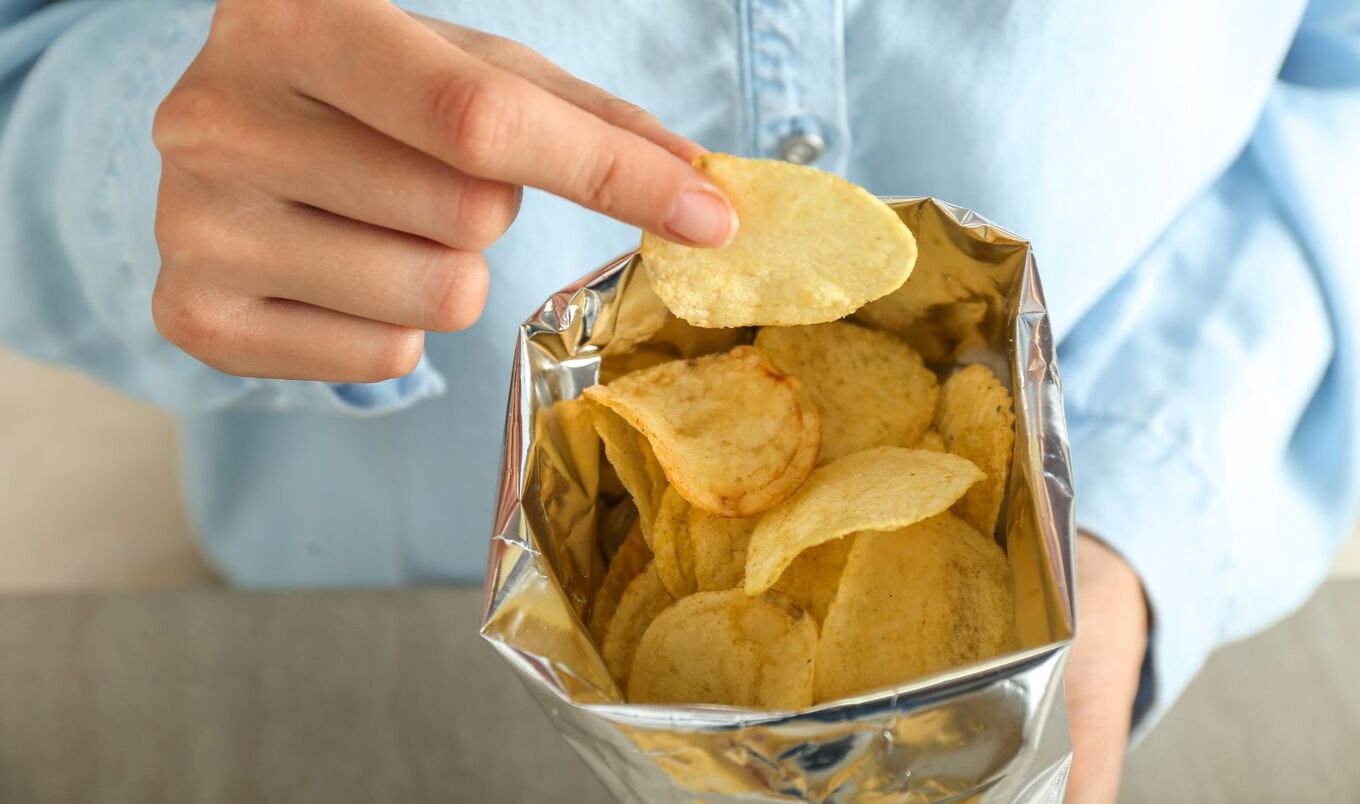 Canva
Canva
New York University food-policy scholar Marion Nestle told The Washington Post the lawsuit is “a first salvo,” adding that if a major city is willing to bring this kind of case, “other communities could be doing this too.”
What ultra-processed actually means
Ultra-processed foods aren’t simply “processed.” According to the NOVA food classification system—used internationally in nutrition research—they are industrial formulations made largely from refined starches, oils, protein isolates, sweeteners, and additives such as emulsifiers, stabilizers, and flavorings. They contain little or none of the whole foods they resemble. Nestle uses corn as an easy example: corn on the cob is a whole food, canned corn is processed, and Doritos are ultra-processed.
These highly manipulated products now dominate American eating patterns. Roughly 70 percent of the American food supply is ultra-processed, and UPFs account for more than half of all calories consumed. Among young people, the proportion rises to about 62 percent.
 Getty
Getty
The lawsuit highlights a pattern that public health researchers know well: UPFs are most prevalent, most affordable, and most heavily marketed in communities with the highest burdens of diet-related disease. In San Francisco, heart disease and diabetes—both connected to diets high in ultra-processed foods—rank among the city’s leading causes of death, with disproportionately higher rates in low-income and minority neighborhoods.
The complaint argues that companies targeted these communities with marketing that downplayed risks while promoting UPFs as everyday staples. This is where the case shifts from a nutritional debate to a systems argument: if the food environment shapes consumption more than willpower does, then harm is not simply the result of “bad choices.” It reflects conditions created—and heavily influenced—by the companies that design, price, and promote the foods most Americans encounter daily.
One of the clearest demonstrations came from recent research that found that participants eating ultra-processed diets consumed about 500 additional calories per day and gained weight, even though both diets contained identical amounts of sugar, fat, salt, and carbohydrates.
And those burdens fall hardest in neighborhoods with the fewest full-service grocery stores, the highest concentration of UPFs in corner markets, and the least access to fresh foods.
San Francisco’s point is straightforward: if this category of food shapes disease patterns at scale, the downstream costs land on cities—hospitalizations, emergency care, disability, and public insurance.
Where have all the vegetables gone?
Ultra-processed foods didn’t rise to dominance in a vacuum. They filled the space left by a national food system where access to fresh, whole foods is uneven at best. According to the US Department of Agriculture’s (USDA) Food Access Research Atlas, about 18.8 million people—roughly 6.1 percent of the US population—live in census tracts considered both low-income and low-access, meaning the nearest full-service grocery store is more than a mile away in urban areas or more than ten miles away in rural ones.
In many of these neighborhoods, corner stores and discount outlets offer shelf-stable snacks, sodas, and processed meals—but few fresh options—and households are significantly more likely to lack a reliable vehicle, making even moderate-distance grocery trips difficult.
 Canva
Canva
The numbers widen when affordability is factored in. The USDA’s 2023 food insecurity report found that 47.4 million Americans lived in households struggling to access enough nutritious food. And in communities disproportionately affected by chronic disease—Black, Latino, and low-income neighborhoods—the overlap between food deserts, food insecurity, and higher exposure to ultra-processed products is consistent across national datasets.
In other words, the foods most associated with better long-term health are systemically harder to reach, while UPFs remain the easiest, cheapest, and most available default. The affordability of processed foods comes by way of subsidies on key ingredients, including corn, soy, and dairy.
Industry pushback
The Consumer Brands Association, representing many defendants, responded that there is “no agreed-upon scientific definition of ultra-processed foods,” arguing that demonizing processed foods broadly misleads consumers.
It is true that NOVA has gray areas. Some fortified cereals, some plant-based alternatives, and certain convenient staples fall into categories that aren’t as clear-cut. But these ambiguities don’t erase the overwhelming weight of evidence around the core UPF category—sugary drinks, packaged snacks, mass-market sweets, engineered ready-to-eat meals—the very products named most explicitly in the lawsuit.
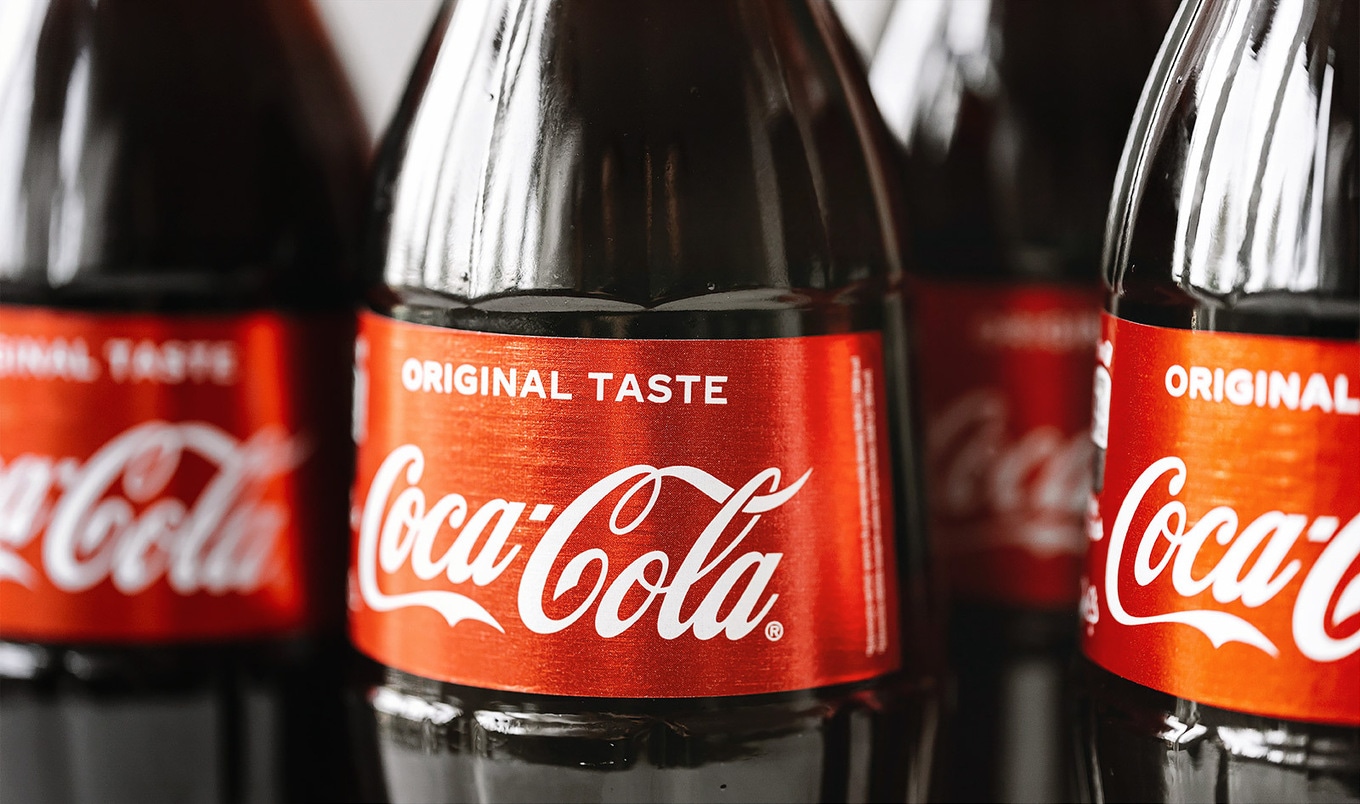 Karolina Grabowska | Pexels
The definitional debate is increasingly functioning as a strategy: if the category is blurry at the edges, companies argue, then regulation—or litigation—is premature. But the health outcomes are not blurry, and the lawsuit focuses on the products with the clearest evidence of harm.
A turning point
California has already moved to regulate UPFs. Earlier this year, Governor Gavin Newsom signed AB 1264, the “Real Food, Healthy Kids Act,” a bill defining ultra-processed foods for state school-meal programs and initiating the removal of the highest-risk products from public school menus.
San Francisco’s lawsuit now brings that momentum into the legal arena. It challenges not only the health claims around UPFs but the underlying assumption that consumers operate with meaningful choice in a system where ultra-processed options are cheaper, more visible, more aggressively marketed, and far more plentiful than minimally processed foods.
 Juan Bautizta | Studio Mexico
BECOME A VEGNEWS VIP: Get exclusive product deals, freebies, and perks galore!
Still, many Americans believe they are individually responsible for navigating that environment. But the lawsuit forces the question as to whether that belief reflects reality—or whether the conditions shaping those choices have been constructed, refined, and defended by the companies whose products dominate the national diet.
Critics often compare UPFs to tobacco, and the similarities are accurate, from how they’re marketed to their health impacts. But when smoking rates declined, the alternative was simply not to smoke—removing cigarettes from daily life didn’t require building an entirely new infrastructure. Ultra-processed foods are different. You can’t scale them back without ensuring that healthier options—fresh produce, whole grains, lean proteins—are genuinely within reach and affordable.
That’s the gap the lawsuit ultimately exposes. The problem isn’t only that UPFs are everywhere; it’s that the foods meant to replace them aren’t.
For more plant-based stories like this, read:
JUMP TO ... Latest News | Recipes | Guides | Health | Subscribe