


When the Cincinnati Zoo welcomed the birth of Fiona the hippo six weeks early, the zoo was quick to let the world know. The 29-pound Fiona was adorable and charming in equal measure, and she had a remarkable story: she was the first premature hippopotamus to be raised by humans. Social media followers of the zoo fawned over every milestone shared, from sharing a pool with her mom to seeing bubbles for the first time. In no time at all, Fiona soared to stardom. For many of the hundreds of thousands of visitors who came to the zoo each year, this sweet, endearing hippo was the main attraction.
There’s no doubt that Fiona’s team cared for her, but her popularity also helped repair some of the damage to the zoo’s public image. The year before Fiona’s birth, the Cincinnati Zoo was in the spotlight for a very different reason: the tragic death of Harambe, a gorilla who was shot and killed after a three-year-old boy entered his enclosure.
But nearly a decade after Harambe’s death, Fiona’s life was also cut short at the Cincinnati Zoo. In November 2026, the zoo announced that she had died after swallowing a visitor’s hat that had accidentally ended up in her enclosure. As with Harambe, people were quick to point fingers—some at the zoo, but many at visitors and their families.
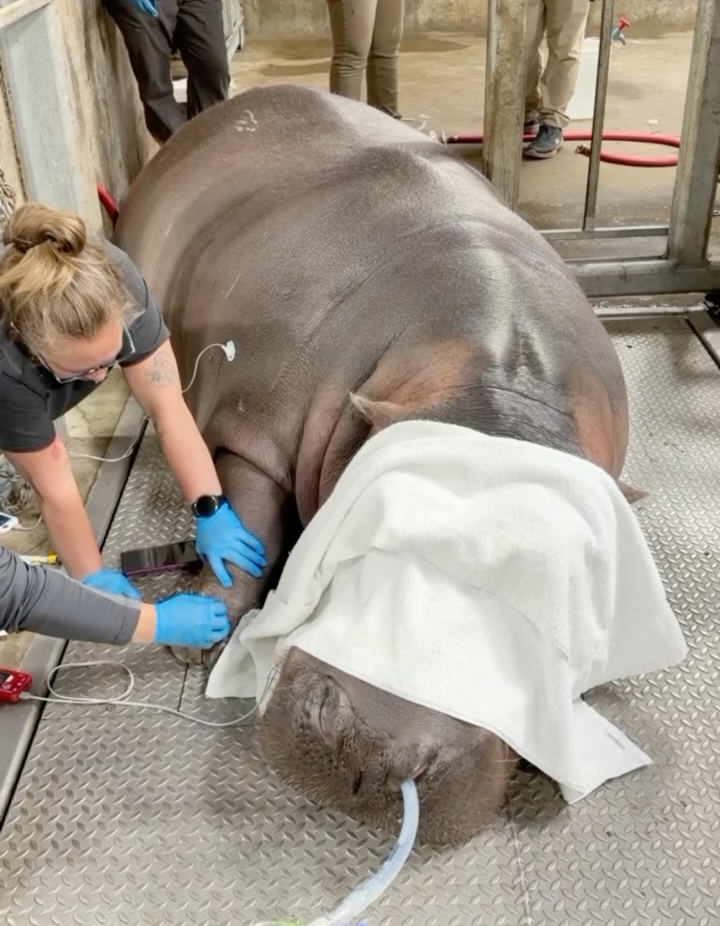 Cincinnati Zoo / Instagram
Fiona the hippo’s death and accountability
“So we’re pressing charges on whoever threw that hat in there, right?” reads one Instagram comment beneath Fiona’s death announcement. “She was such a treasure at the zoo!!” The comment has more than 37,000 likes. Another, with more than 12,000 likes, adds: “I hope the zoo decides to hold the family accountable for this.”
But when we spoke with Suzana Gartner, JD, LLM, an animal protection lawyer and author of A Voice for Animals, she urged a closer look at the system in which animals like Fiona and Harambe live and die. She told VegNews: “Zoos should stop treating wild animals as objects and disposable commodities.”
In essence, Fiona’s death raises wider questions about an industry that relies on captive animals for profit. Behind the public-facing images of individual animals is a multibillion-dollar industry. According to IBISWorld, the US zoo and aquarium industry alone is estimated at nearly $3 billion.
From a commercial perspective, Fiona’s popularity was enormously valuable to the Cincinnati Zoo. According to the Cincinnati Enquirer, the viral hippo helped sell about $500,000 in merchandise before her first birthday.
The conversation about accountability for her death, then, should include the zoo’s responsibilities—not just the actions of individual visitors—as well as the broader workings of the entire industry.
“Fiona’s death was a tragic accident and captured the media’s attention. Her story is in stark contrast to the other wild animals kept in zoos that are not famous and do not receive wide public attention and stories.” — Suzana Gartner, JD, LLM
Captive animals are dying all over the world, and not because of visitor accidents
Like Fiona and Harambe, many animals have died in zoos across the US and around the world. But not because of stray hats or visitors entering enclosures. Many have died as a result of decisions made by zoos themselves.
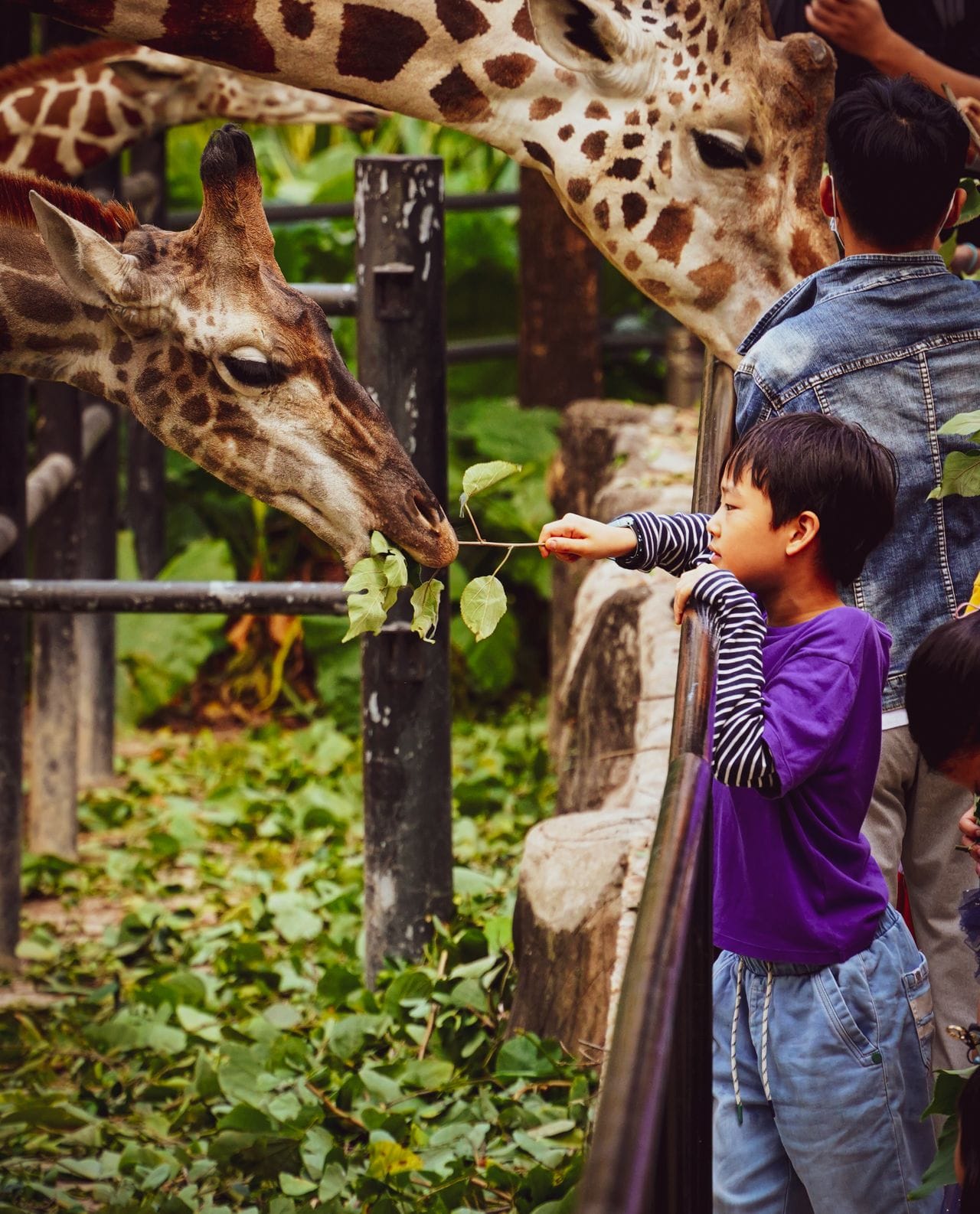
Back in 2014, there was a global outcry when Marius, a young, healthy giraffe, was killed at Copenhagen Zoo in Denmark because his genes were already well represented in the breeding population. Some of his remains were then fed to lions.
In 2025, many were distraught when 12 baboons were euthanized at a zoo in Nuremberg, Germany, because of overcrowding.
“There are many reasons why zoos euthanize healthy animals,” Gartner explained. “They call it culling and justify it for the following reasons: manage surplus populations of animals due to breeding too many, limited space, or even feeding them to other animals.”
 Pexels
Euthanasia stories are not unique—we know that much. But finding out the exact number of captive animals killed around the world every year is difficult, says Gartner, because of a lack of transparency in the industry.
“Sadly, zoos do not have to publish euthanasia statistics,” she noted. “It’s estimated that thousands of healthy captive animals are culled every year.”
“This practice is more common in Europe,” Gartner continued. “In North America, zoos use birth control to manage zoo populations. However, in both Europe and North America, practices are hidden from the public. It is the lack of transparency that allows zoos to operate as a business without accountability.”
It appears, Gartner argues, that zoos cannot truly prioritize animal welfare and protection while simultaneously generating profit. Sometimes the bottom line means deciding which animals live and die; other times, it involves capitalizing on their global virality.
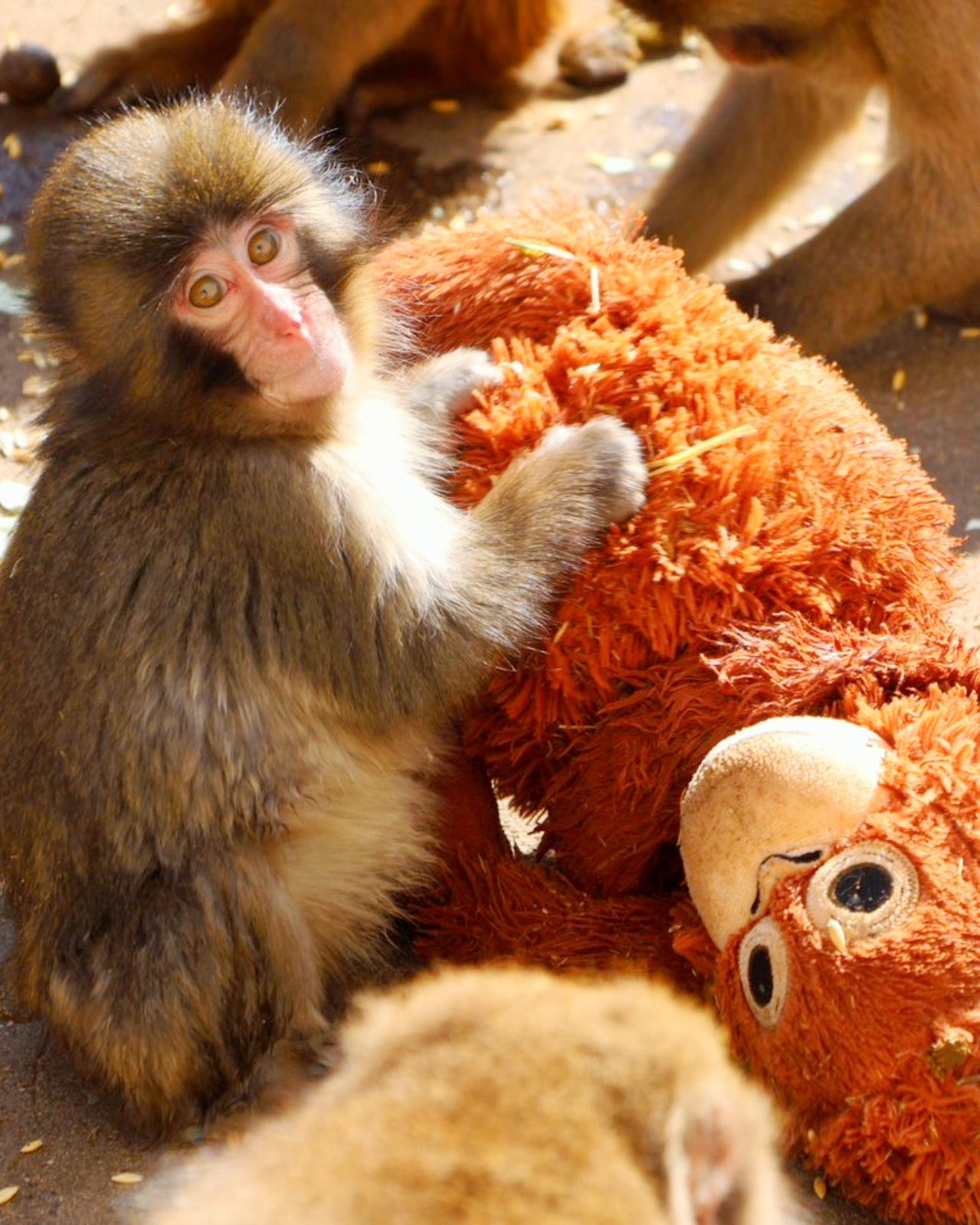 Ichikawa City Zoo / X
Breaking the cycle of captive breeding
Fiona’s social media fame might have surprised the Cincinnati Zoo, but her breeding was intentional. Unlike sanctuaries focused on rescue and rehabilitation, many traditional zoos rely partly on captive breeding to maintain their animal populations and attract visitors.
Fiona is not the only zoo baby to become a social media star. When Punch, a young Japanese macaque, started clinging to a toy orangutan after being rejected by his mother in 2026, the sweet monkey quickly went viral, and he, too, became a major attraction at Japan’s Ichikawa City Zoo in Chiba, near Tokyo.
Again, there is no doubt that Punch’s team cares for him, and so do the millions of people around the world invested in his story. But like Fiona and thousands of other zoo animals, he was born into a system in which animals also have commercial value. That means that decisions about his future will be made within that wider system, where commercial considerations can influence how animals are bred, housed, and managed.
“Zoos should end the cycle of breeding ‘cute’ baby wild animals on display for visitors,” said Gartner. “They are not here for human entertainment.”
Some zoos have chosen a different path, converting to sanctuaries instead. This, Gartner maintains, must be the way forward for the industry—for the sake of all the other Fionas, Punches, Mariuses, and Harambes out there right now.
“When zoos stop using wild animals for profit, the industry can [prioritize] the conservation of wild animal species,” she said. “[They] can give every animal in their care the dignity and compassion they deserve.”
For more plant-based stories like this, read:
JUMP TO ... Latest News | Recipes | Guides | Health | Subscribe

Charlotte is a VegNews editor and writer based in sunny Southsea on England's southern coast.