


When you picture a farm in the rolling green fields of Iowa, you might see an idyllic family tending to the harvest, growing fruit in orchards, and caring for their animals with respect and affection. According to the Faaborg family, life really was like this three decades ago, but then came Big Meat.
In the second half of the 20th century, factory farming started to dominate rural life in the US. Many of the independent, family-led farms that once dotted those rolling green fields in Iowa and across the country are long gone. In their place are thousands of factory farms, or Concentrated Animal Feeding Operations (CAFOs).
In fact, in Iowa alone, there are now more than 15,000 factory farms, many of which are dedicated specifically to raising hogs.
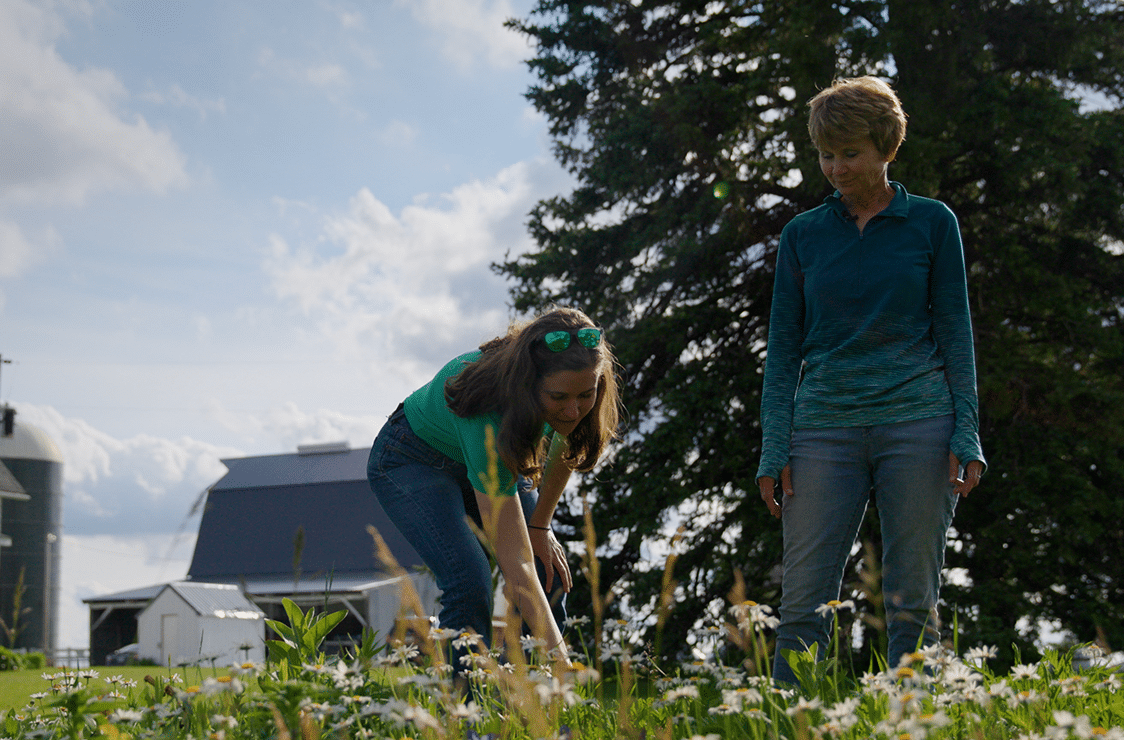
Big Meat tried to sell farmers like the Faaborgs a dream, but the reality was more like a nightmare. Debt, a lack of autonomy, and rising levels of pollution have led some farming families to look for a way out. The Faaborgs went to Mercy For Animals’ Transfarmation Project for help, and now they make a living farming specialty mushrooms.
 The Transfarmation Project
Helping farmers leave factory farms behind
The Transfarmation Project launched in 2019 with the aim of providing American farmers with the resources and financial support they need to transition out of animal agriculture. So far, it has helped seven farms, including the Faaborgs’ facility, adopt a new, more sustainable model.
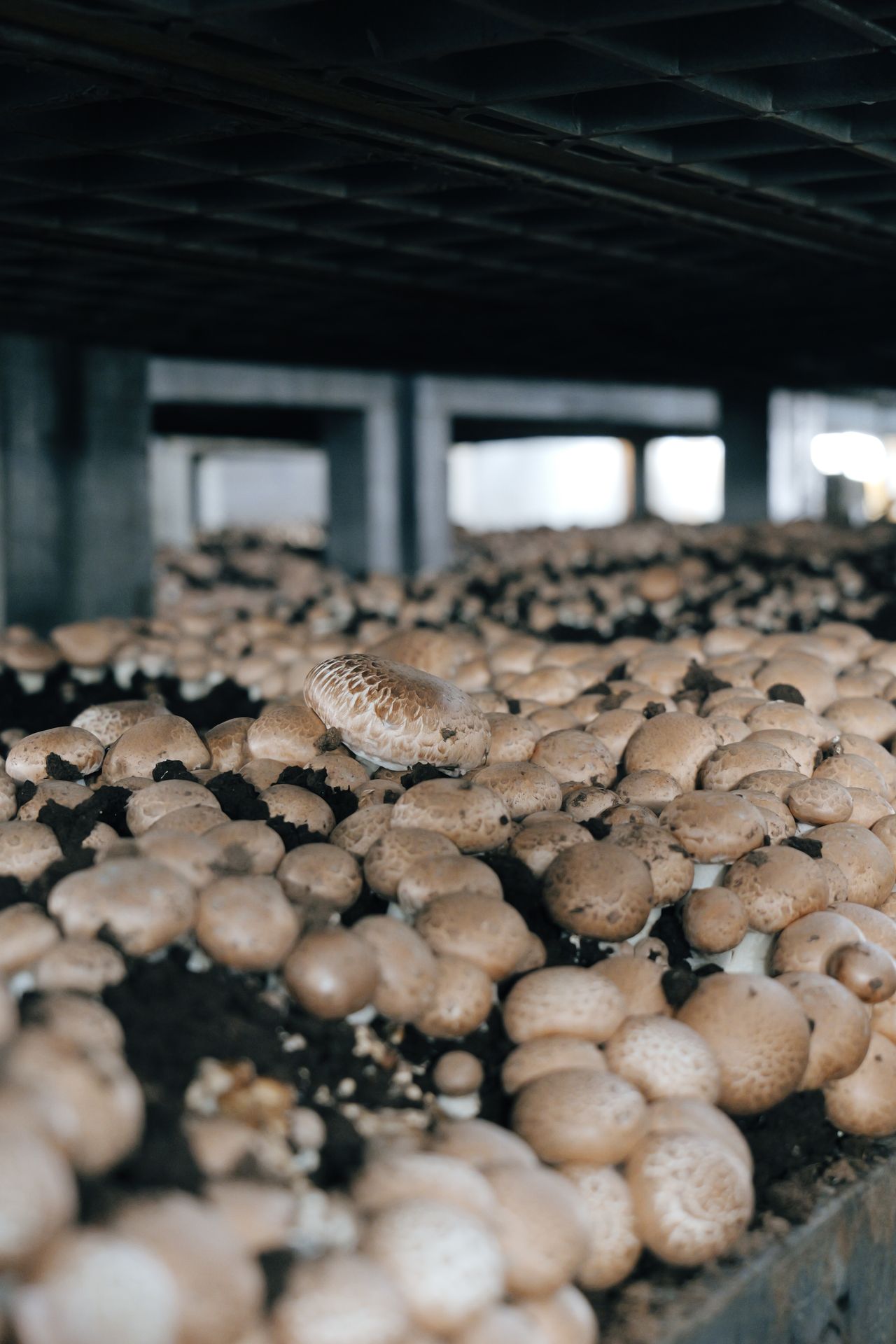
In Texas, for example, the Halley family used to farm chickens for Pilgrim’s Pride, and now they grow hemp. In North Carolina, the Barker family has given up the dairy industry for fruits and vegetables, and the Lim family has swapped its poultry operation—which used to raise 540,000 chickens a year—for mushrooms and other plant crops.
The Faaborgs’ new farm, known as 1100 Farm (in reference to the number of pigs each barn used to house), is now a mushroom farming facility, complete with four grow rooms, a commercial kitchen, a lab space, and a production room, but it’s also a demonstration hub for the Transfarmation Project. This means it will be used for research, host educational events, and to show other farmers the benefits of moving away from the factory farming model.
The Lim’s farm in North Carolina is also used as a demonstration hub by The Transfarmation Project.
 Pexels
“The Faaborg’s story is one of ecological and personal healing,” said Katherine Jernigan, the director of Transfarmation. “On this farm, you will see newly planted trees and pollinator plants. What used to be a cesspool full of hog waste is now a freshwater pond where migratory birds stop by.”
The Faaborg family aims to keep expanding its mushroom-growing capacity, as well as selling mushroom products, like tinctures and coffee. They also have plans for rewilding and even a new bed and breakfast in an old storage silo.
“This hub is a living testament to the fact that we don’t have to tear down our agricultural heritage to build a better future,” said Jernigan. “We just have to plant different seeds.”
For more plant-based stories like this, read:
JUMP TO ... Latest News | Recipes | Guides | Health | Subscribe

Charlotte is a VegNews editor and writer based in sunny Southsea on England's southern coast.