


Robert F. Kennedy Jr. wants Americans to eat more meat and dairy. Earlier this year, the US Health and Human Services Secretary unveiled updated federal dietary guidelines with a clear message: animal protein—including red meat, full-fat dairy, seafood, and eggs—should take center stage on the plate.
Many experts, however, have expressed concern about the potential health implications of this advice. While Kennedy maintains that animal protein is essential for optimal health—and has said he personally follows a carnivore-style diet—nutritionists warn that increasing red meat and full-fat dairy consumption would likely raise saturated fat intake, elevating the risk of chronic diseases such as heart disease. Already, heart disease is the leading cause of death in the US, responsible for roughly one in three deaths.
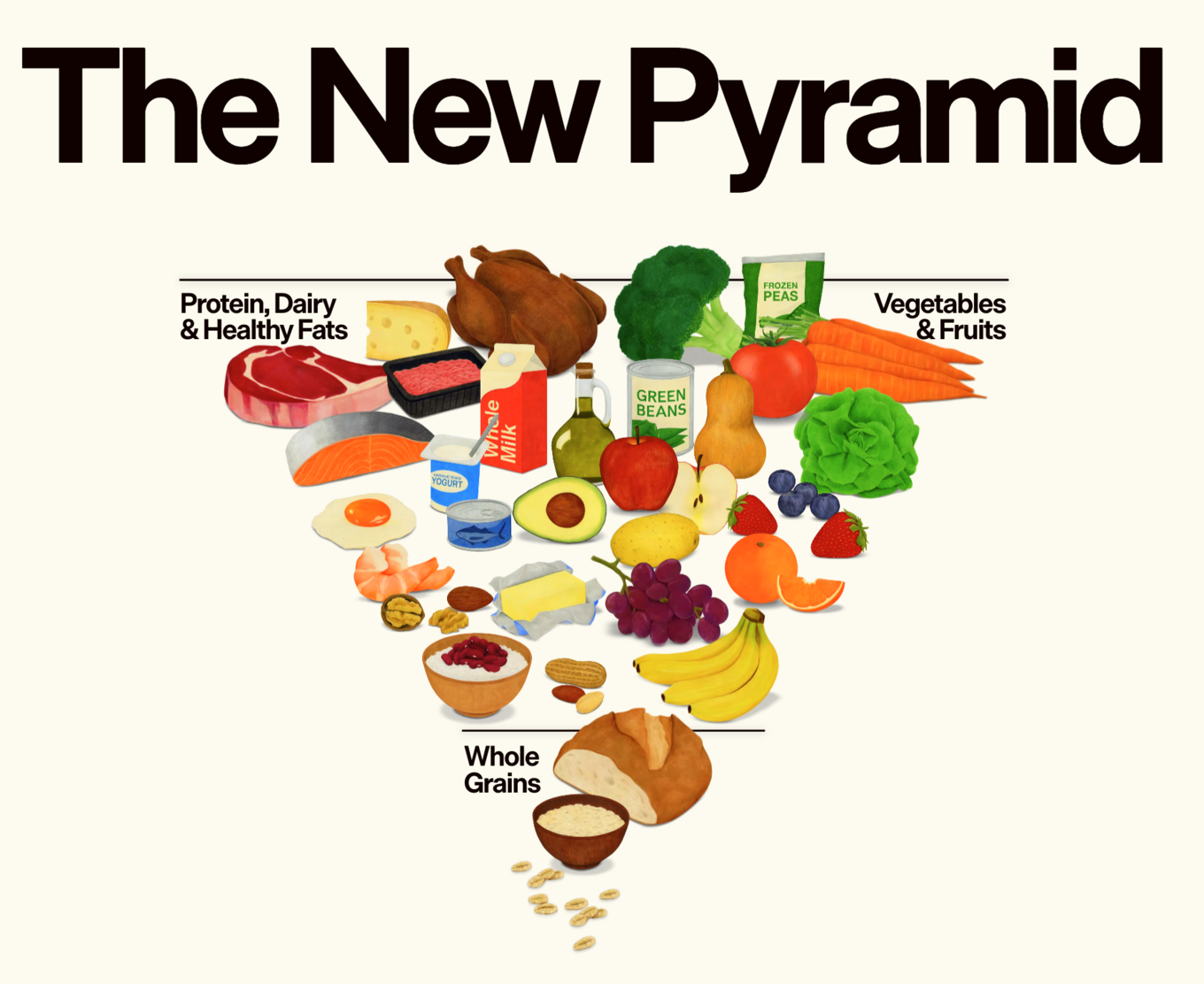
realfood.gov
Beyond public health, encouraging higher meat consumption has another major consequence: environmental impact. Climate scientists caution that animal agriculture already places significant strain on land, water, and the climate, and further expansion would intensify those pressures.
Perhaps the most striking aspect of Kennedy’s new position is how sharply it contrasts with his past. For all his controversies (and there are many), there was a time when the former Democrat and environmental lawyer was a vocal critic of factory farming and its pollution. Two decades ago, he was filing lawsuits against the federal government for shielding large meat corporations from environmental accountability.
It may seem surprising, but Kennedy once made pointed arguments against the factory farming industry. Below are several moments when his views on meat production sounded very different from the message he promotes today.
BECOME A VEGNEWS VIP: Get exclusive product deals, freebies, and perks galore!
1 He backed a meat industry exposé
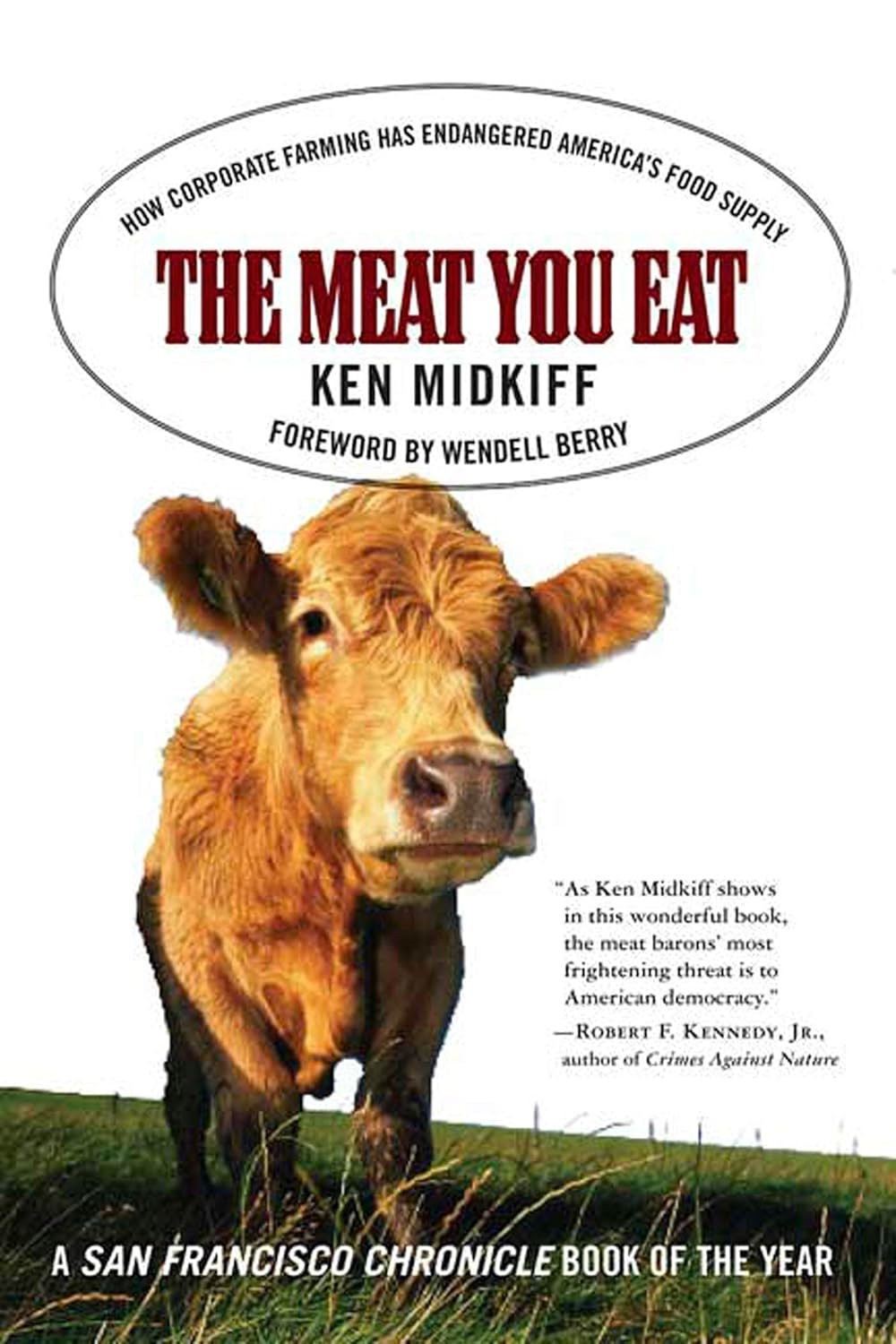
In 2004, Ken Midkiff, a leading expert on sustainable agriculture and director of the Sierra Club Clean Water Campaign, published an exposé of the factory farming industry titled The Meat You Eat: How Corporate Farming Has Endangered America’s Food Supply. In a similar vein to documentaries released more than a decade later—such as What the Health and Cowspiracy—Midkiff’s book sought to lift the veil on the meat industry, detailing how major corporations profit from unsafe, mass-produced products that exploit people, the planet, and animals.
Midkiff didn’t argue against eating meat altogether, but he encouraged consumers to prioritize local, free-range, sustainably produced options. Kennedy himself reviewed the book. In stark contrast to his more meat-forward stance today, he was sharply critical of the factory farming industry.
“The factory meat industry has polluted thousands of miles of America’s rivers, killed billions of fish, pushed tens of thousands of family farmers off their land, sickened and killed thousands of US citizens, and treated millions of farm animals with unspeakable and unnecessary cruelty,” he says. “But, as Ken Midkiff shows in this wonderful book, the meat barons’ most frightening threat is to American democracy.”
 Pexels
2 He condemned hog farming pollution
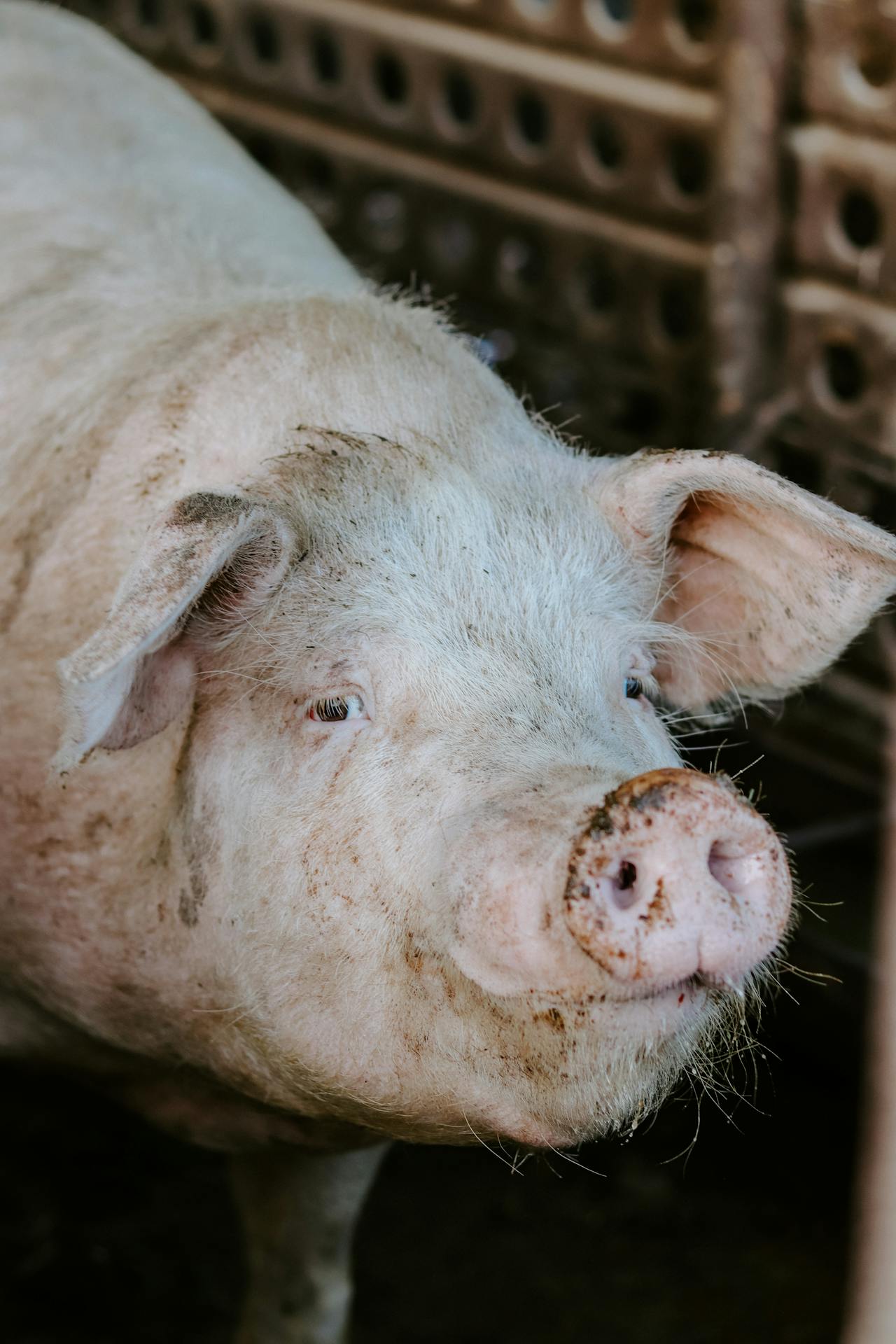
In April 2002, less than a year after the tragic events of September 11, 2001, the US remained on high alert over the threat of terrorism. So when Kennedy—then working as an environmental lawyer, activist, and chair of the Waterkeeper Alliance—claimed that “large-scale hog producers” posed a greater threat to democracy than Osama bin Laden, the comment was met with outrage. According to the Manhattan Institute, one Iowa resident responded: “You have to be a complete wandering idiot to make that statement.”
Kennedy’s comparison was clumsily framed, there’s no doubt, but his broader concern about the environmental consequences of industrial hog farming was grounded in real environmental challenges. More than two decades later, for example, the scale of ammonia pollution linked to North Carolina’s hog operations is so extensive that it can now be detected from space.
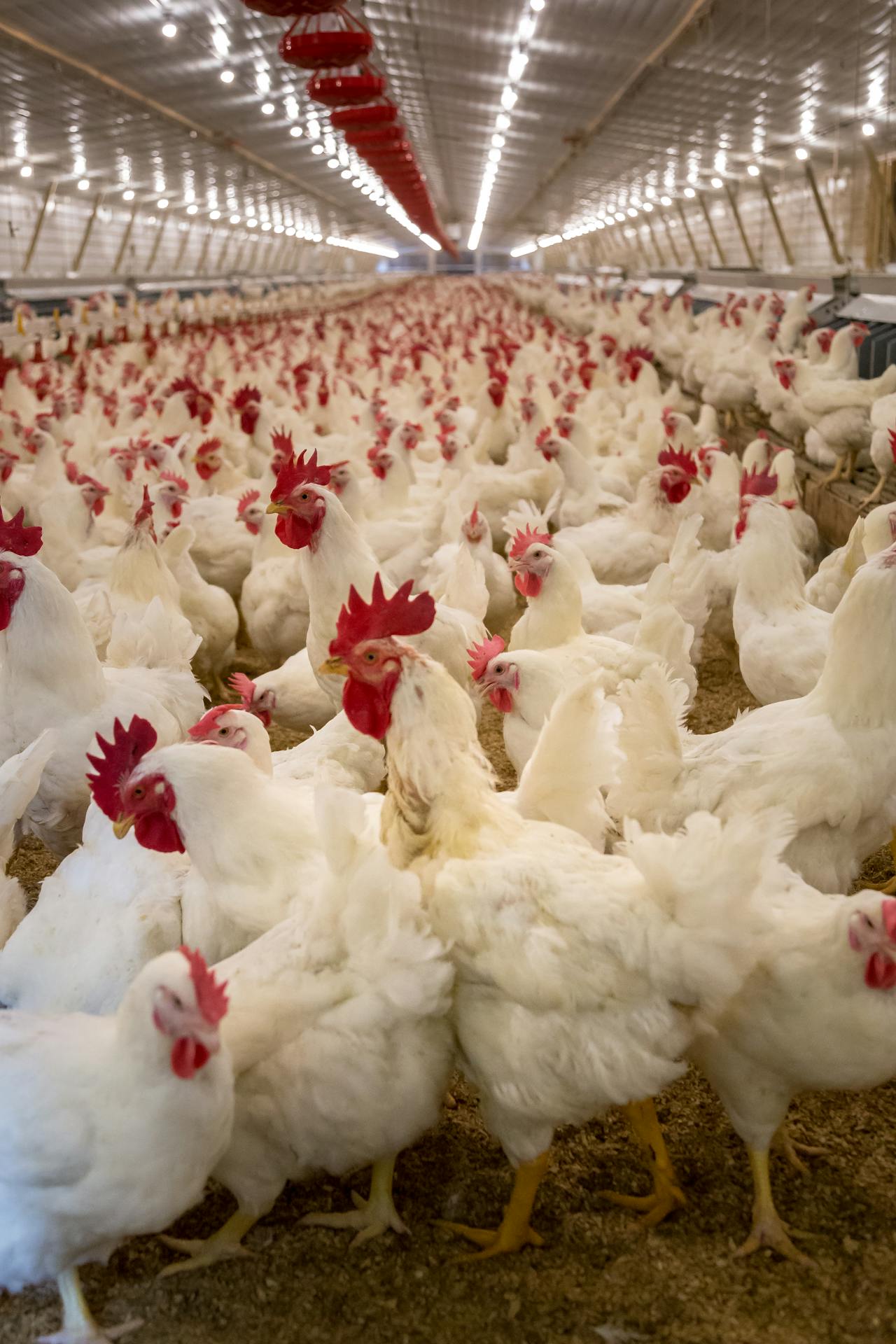
In Iowa, where Kennedy made the remarks, factory farms now produce an estimated 109 billion pounds of animal waste each year, roughly 25 times more waste than that generated by the state’s human population. Much of this waste is stored in lagoons or spread on fields, and when containment systems fail or runoff occurs, it can enter waterways, contributing to significant water pollution.
 Pexels
3 He penned an article for ‘The New York Times’ against factory farming
In 2003, Kennedy teamed up with environmental advocate and former US Environmental Protection Agency (EPA) official Eric Schaeffer to write an opinion piece for The New York Times condemning the factory farming industry.
In the article, the pair highlighted the “enormous amount of pollutants that taint air, land, and water,” as well as links between factory farms, antibiotic-resistant bacteria, and widespread waterway contamination. They also criticized large meat corporations for dictating how animals are “raised, housed and fed” on contract farms while simultaneously disclaiming environmental responsibility and living “far away from the consequences.”
The piece further accused the Bush administration of enabling major meat producers and faulted the EPA for considering agreements that could shield large operators from enforcement under the Clean Air Act.
“No agreement should be signed that does not require companies to clean up their operations when their emissions are too high,” Kennedy and Schaeffer wrote.
 Pexels
4 He sued the government over factory farm pollution
In 2003, in his capacity as president of the Waterkeeper Alliance and as an attorney for the Natural Resources Defense Council (NRDC), Kennedy sued the federal government over rules he argued allowed factory farms to continue polluting waterways.
Together with the Sierra Club, NRDC and Waterkeeper Alliance filed a lawsuit against the EPA challenging a farm pollution rule introduced under the Bush administration. The groups contended that the rule violated the Clean Water Act by effectively shielding factory farms from liability. Under the policy, large-scale animal feeding operations could store millions of gallons of manure in open lagoons and spray the waste onto fields, a practice that critics argue leads to runoff and widespread water contamination.
“We can do better than the Bush administration’s plan,” said Midkiff, who, at the time, was the director of the Sierra Club’s Factory Farm Campaign. “When technology and existing law can keep animal waste out of our rivers, why should Americans have to settle for a plan that allows meat companies to pollute more?”
 Canva
Canva
5 He accused politicians of putting meat industry profits ahead of the environment
In a statement released with the NRDC following the filing of the lawsuit against the EPA, Kennedy accused the Bush administration of prioritizing meat industry profits over environmental protection.
“The Bush administration has once again put corporate profits ahead of environmental protection,” he said. “These new regulations maintain ‘business as usual’ for corporate agriculture, and leave thousands of American communities unprotected against pollution from livestock factories.”
Kennedy’s former actions against the meat industry are a stark contrast to the policies he supports as US Health and Human Services Secretary today.
For more plant-based stories like this, read:
JUMP TO ... Latest News | Recipes | Guides | Health | Subscribe

Charlotte is a VegNews editor and writer based in sunny Southsea on England's southern coast.