


If you follow global food policy even casually, the numbers in a new Faunalytics report land with a jolt. Meat consumption in high-income countries is largely flat, expected to inch up by just one percent over the next decade. But in low- and middle-income countries, the forecast looks very different: a projected 14-percent surge, driven not only by changing diets, but by a powerful mix of financing, infrastructure, and institutional support that has largely stayed out of public view.
That is the central finding of “Globalizing The Factory Farm: International Organizations And The Spread Of Industrial Animal Agriculture,” a new report that takes a closer look at how factory farming expands across the Global South. Rather than pointing the finger at multinational meat companies or consumer demand alone, the research traces how development banks, UN agencies, and philanthropic foundations are actively shaping food systems—often by channeling money, expertise, and public resources toward industrial animal agriculture.
“Our research shows that the expansion of factory farming is not inevitable,” Allison Troy, Research Director at Faunalytics, said in a statement. “Billions of dollars are flowing annually from international organizations intended to end hunger and poverty, but they are often defaulting to industrial animal agriculture as the solution. This approach risks locking developing nations into food systems that increase animal suffering, degrade the environment, and compromise long-term health.”
BECOME A VEGNEWS VIP: Get exclusive product deals, freebies, and perks galore!
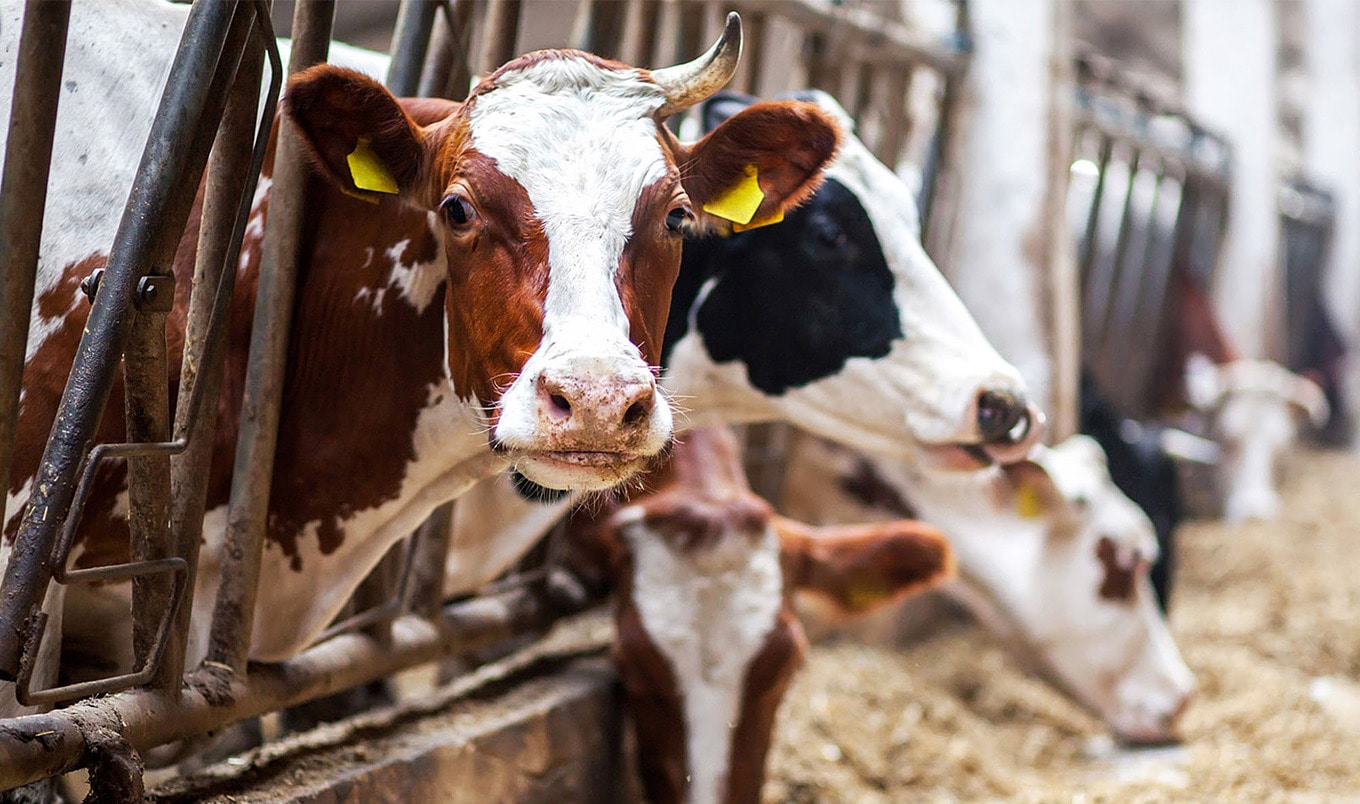 Studio Peace | Adobe Stock
The architecture behind factory farming
One of the report’s most striking findings is how much of this support operates behind the scenes. Direct investments do happen—institutions like the International Finance Corporation have financed large-scale livestock projects—but more often the influence is structural. Favorable loan terms, road construction, electricity access for processing plants, and technical assistance all tilt food systems toward industrial production, even when no check is written directly to a factory farm operator.
Nutrition is often the justification. Organizations focused on reducing hunger and malnutrition frequently frame animal protein as the most efficient solution, a belief reinforced over time by established meat and dairy companies positioning their products as nutritionally essential. As relationships deepen between funders and familiar industry players, alternative approaches—especially plant-based ones—are pushed to the margins before they are seriously considered.
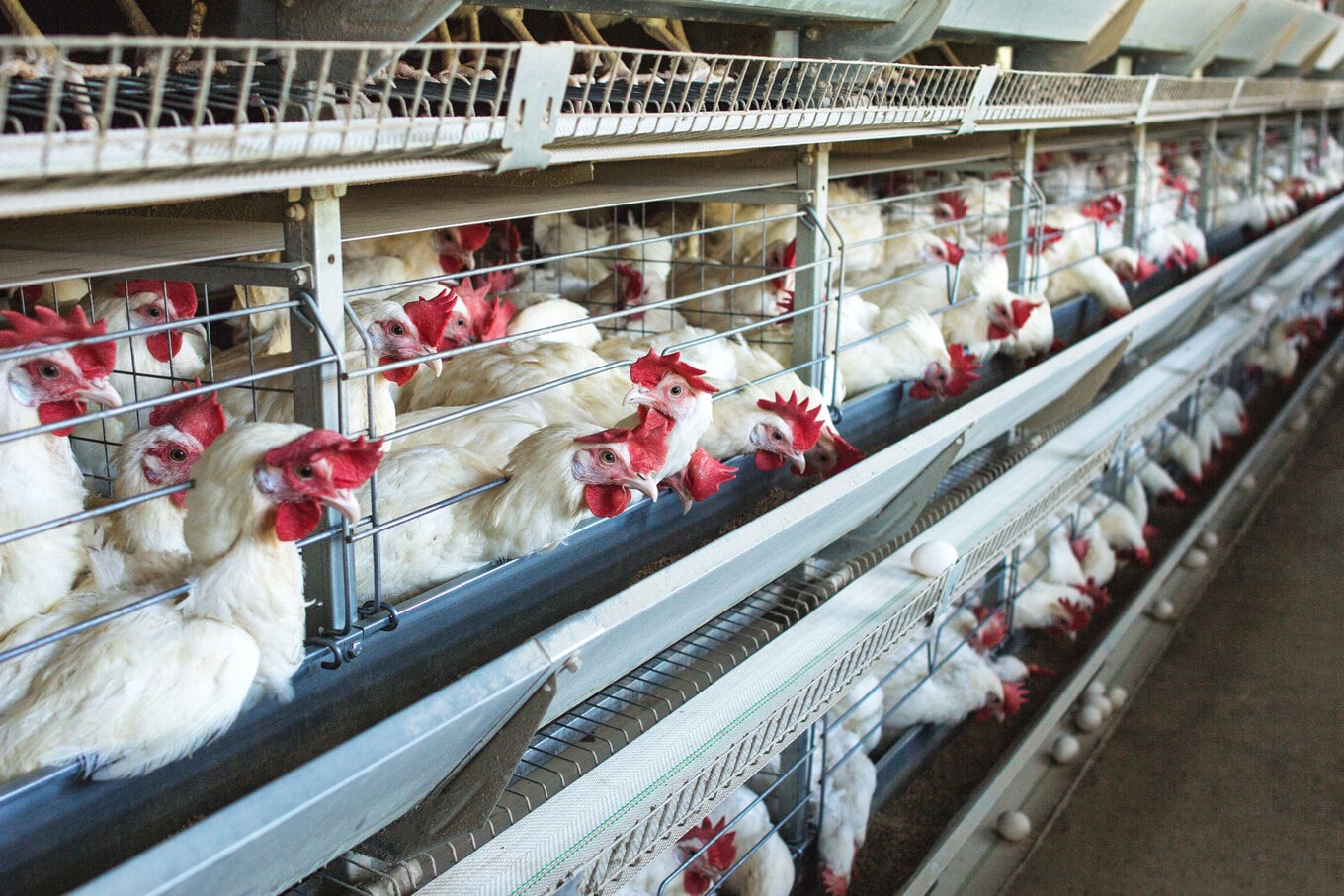 Henadzi Pechan/Getty Images
Rethinking development through food
The report does not argue for abandoning development goals. Instead, it challenges how those goals are pursued. Faunalytics suggests that advocates wanting to slow the spread of factory farming must meet development institutions on their own terms, with a sharper focus on nutrition outcomes, affordability, and economic resilience—not moral arguments alone.
That shift has strategic implications. Decisions are often made at trade summits, financing meetings, and technical forums where animal agriculture lobbyists already have a seat at the table. Without comparable representation, plant-based solutions rarely enter the conversation. The report urges researchers and advocates to use the same economic and nutrition modeling tools favored by development banks to show where legumes, grains, and other plant-based foods can outperform animal products on cost, health, and long-term sustainability.
“The act of defaulting matters,” the report makes clear. Once infrastructure and financing are aligned around factory farming, reversing course becomes far more difficult.By pulling back the curtain on how these choices are made, Faunalytics reframes industrial animal agriculture not as an unavoidable step in development—but as a deliberate outcome shaped by policy, money, and influence.
For more plant-based stories like this, read:
JUMP TO ... Latest News | Recipes | Guides | Health | Subscribe