


A new study from the University of Oxford’s Environmental Change Institute suggests that what we eat could change not only the planet, but also how millions of people make a living. Researchers found that adopting more plant-based diets—whether flexitarian, pescatarian, vegetarian, or vegan—could shrink the global agricultural workforce by as much as 28 percent by 2030. That’s the equivalent of anywhere between 18 million and 106 million full-time jobs.
Published in The Lancet Planetary Health, the research models how dietary shifts might ripple through food systems across 179 countries. Led by Marco Springmann, MS, MSc, PhD, Senior Researcher at Oxford and Professorial Research Fellow at University College London, the study examined what happens when demand for animal-based foods declines and plant-based production rises.
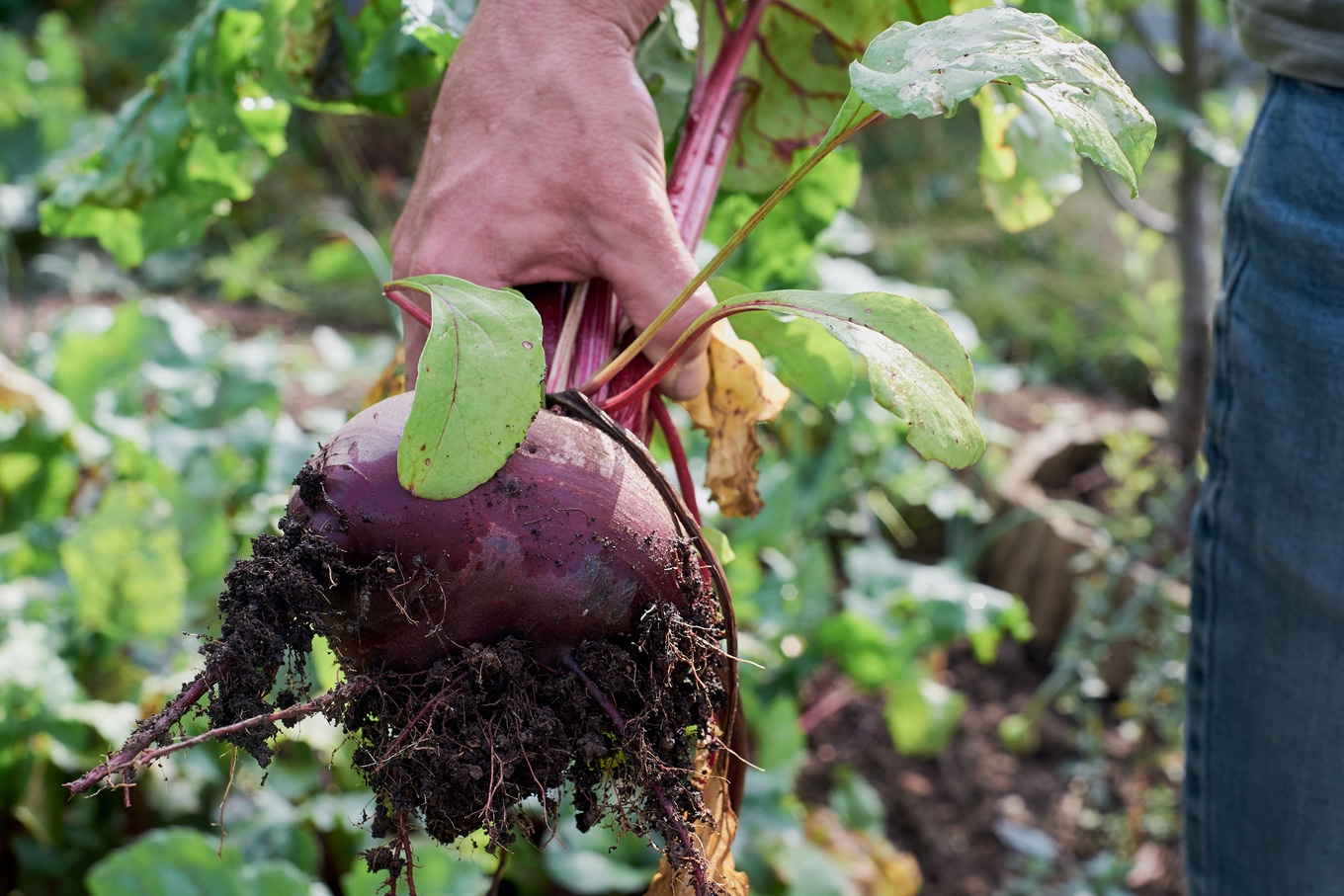 Rasa Kasparaviciene | Unsplash
“Dietary change doesn’t just affect our health and the planet—it also has a big impact on people’s livelihoods,” Springmann said in a statement accompanying the research.
The findings show that as livestock-heavy economies scale down, labor demand will fall sharply in meat and dairy production. At the same time, countries investing in fruits, vegetables, legumes, and nuts could need up to 56 million more workers to meet global demand. Overall, the researchers estimate the economic impact could reach a reduction in agricultural labor costs of between $290 billion and $995 billion per year—roughly 0.2 to 0.6 percent of global GDP.
The economic shake-up behind going plant-based
This is the first study to provide such granular, country-level data on how dietary change could alter agricultural employment. The research team built a global inventory of how many workers are needed for 20 categories of crops and livestock, then paired it with a biophysical food-system model to forecast labor trends under different dietary scenarios.
While those numbers may sound like a boon for efficiency, Springmann’s team stresses the importance of a “just transition” for workers and communities. As nations shift to more sustainable food systems, governments and industries will need to invest in retraining programs, redeployment support, and horticultural development to ensure no one is left behind.
The researchers emphasize that “policy planning and support—including retraining, redeployment and investment in horticulture—will be vital to ensure a fair transition for agricultural workers.”
This kind of transition planning isn’t new to climate policy, but applying it to agriculture highlights how deeply intertwined diets are with livelihoods. In countries where livestock dominates, such as the US, Brazil, and parts of Europe, these shifts could mean fewer jobs in feed production, animal farming, and processing. Meanwhile, lower-income countries focused on crops could see job growth in horticulture—an opportunity that could support economic development and food security if handled well.
From animal farming to fruit harvesting
Globally, agriculture employs more than 27 percent of the world’s workforce, according to the International Labor Organization. But as demand for meat decreases, the makeup of that workforce will look very different. The Oxford study points to a world where fewer people are raising livestock or growing feed crops, and more are cultivating fruits, vegetables, and legumes.
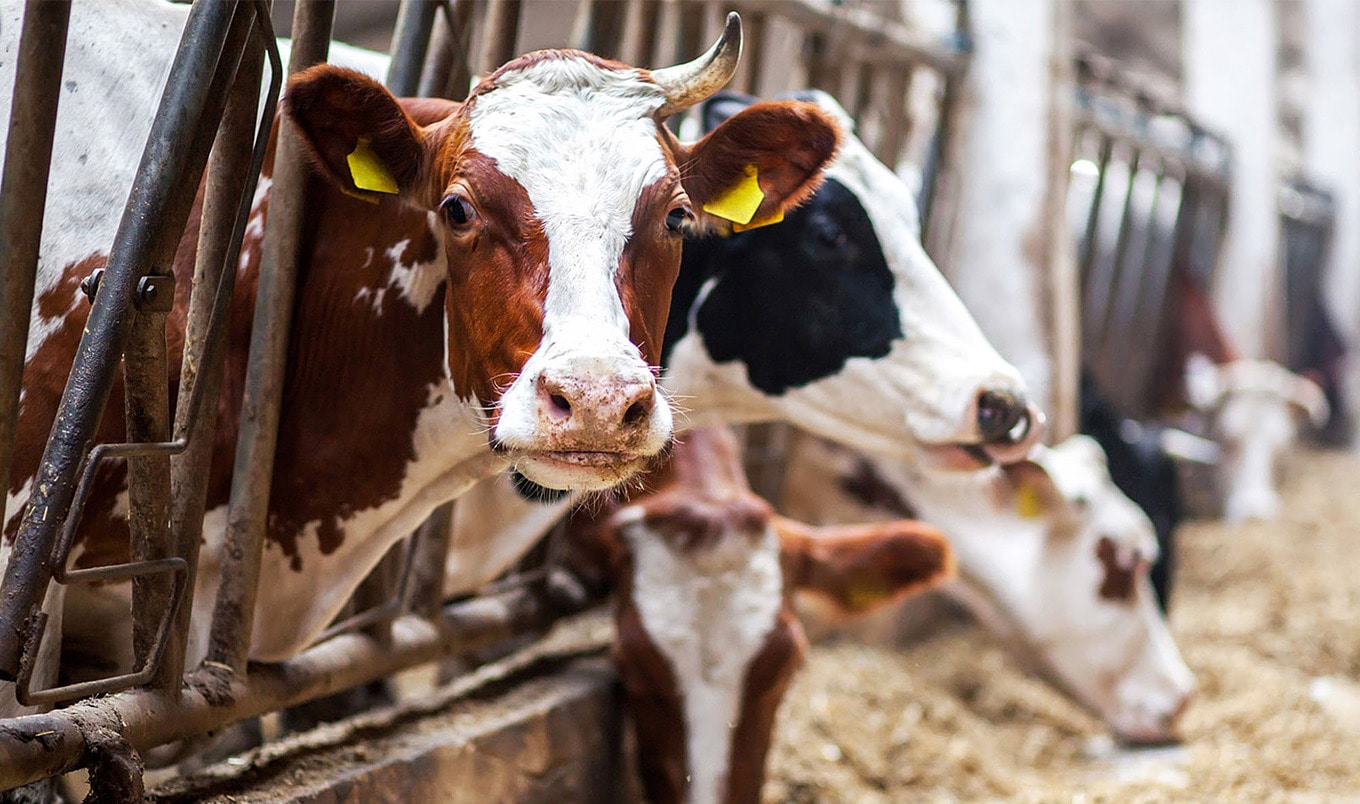 Adobe
Adobe
BECOME A VEGNEWS VIP: Get exclusive product deals, freebies, and perks galore!
That could have environmental payoffs, too. Prior research shows that if the world adopted plant-based diets, farmland use could drop by as much as 75 percent—a land area roughly the size of the US, China, Australia, and the European Union combined. Food systems currently account for nearly 30 percent of global greenhouse gas emissions, so reducing livestock production could ease pressure on ecosystems while freeing up land for reforestation and biodiversity recovery.
Still, the human side of that transition is complex. Jobs tied to animal agriculture won’t disappear overnight, but over the next decade, production trends and consumer preferences are expected to shift steadily toward plant-forward eating. Governments, food companies, and investors will need to prepare for a rebalancing of labor—one that could move millions of people from cattle pastures to vegetable fields. “Moving away from meat-heavy diets reduces the need for labor in animal production but increases demand in horticulture and food services,” Springmann says. “Consistent strategies and political support will be needed to enable just transitions both into and out of agricultural labor.”
For more plant-based stories like this, read:
JUMP TO ... Latest News | Recipes | Guides | Health | Subscribe