


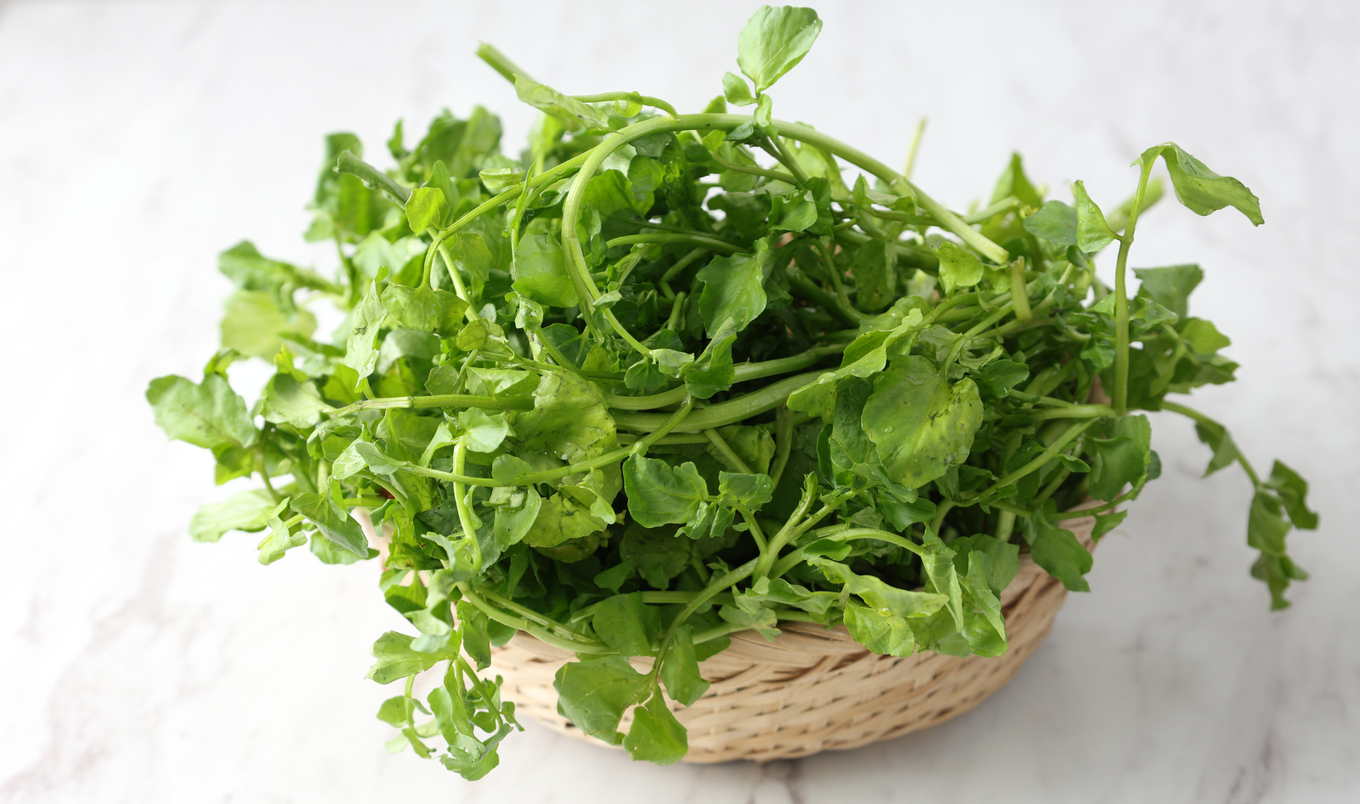
Can you remember the last time you ate watercress, if ever? Could you spot it in the supermarket without asking someone to point it out? For most shoppers, the answer to these questions is probably no. You might recognize it when it’s delicately arranged on a restaurant plate, folded into a composed salad at an upscale spot, but as an everyday vegetable, for most people, watercress barely registers.
That’s what makes its nutritional reputation so striking. According to the Centers for Disease Control and Prevention, watercress ranks as the most nutrient-dense vegetable it has evaluated.
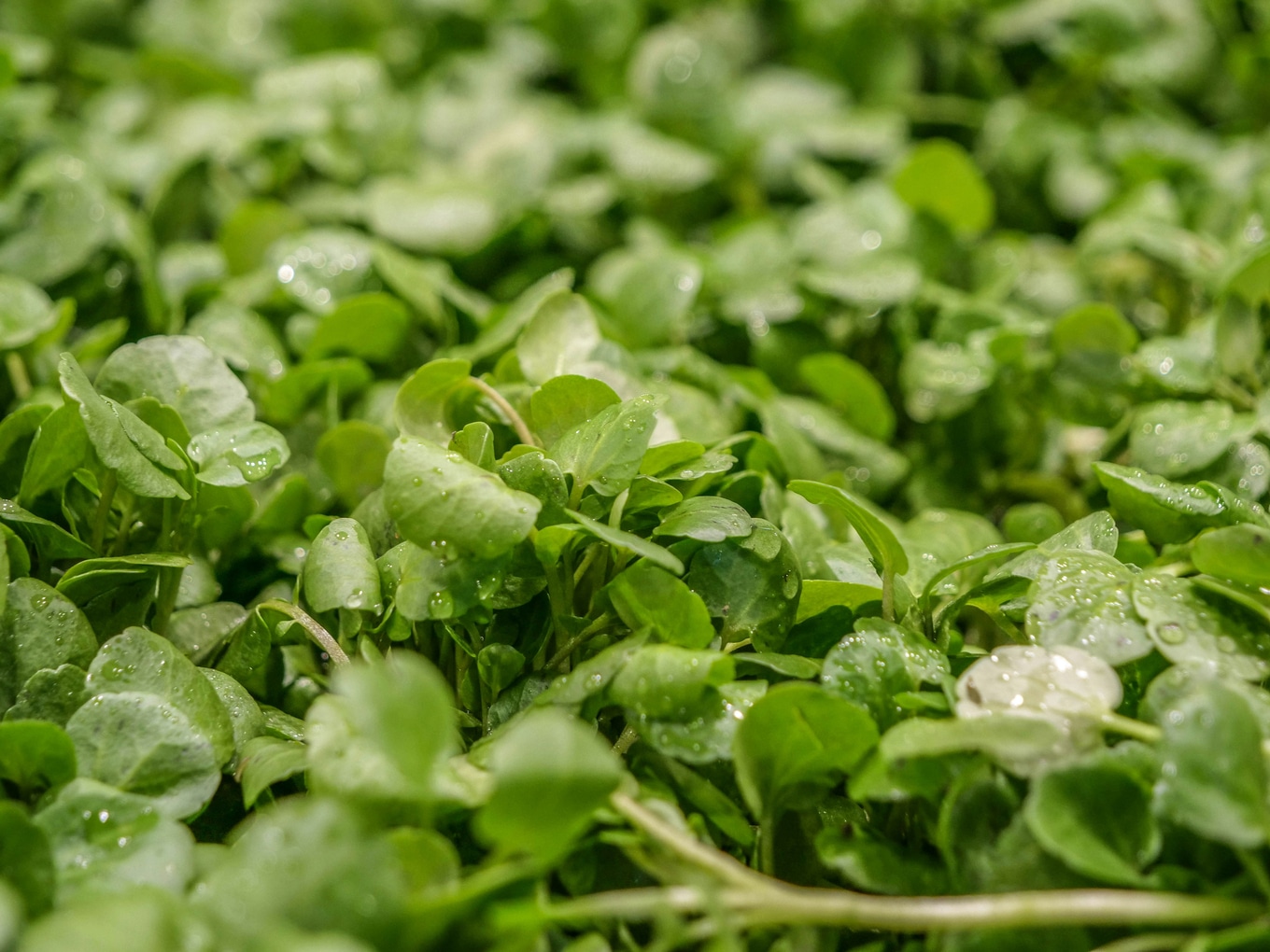
The CDC’s ranking traces back to a peer-reviewed study published in 2014 in Preventing Chronic Disease. Researchers evaluated 41 fruits and vegetables based on how completely they delivered 17 essential nutrients relative to calories. Watercress earned a perfect score of 100, placing it first on the list, ahead of Chinese cabbage, chard, beet greens, and spinach. The agency does not issue annual updates to the ranking, but watercress has remained at the top every time the data is cited or revisited in subsequent nutrition reporting.
If watercress is that good for us, why do so few people eat it? We see other foods near the top often, like spinach and cabbage. Why is watercress so rarely consumed?
BECOME A VEGNEWS VIP: Get exclusive product deals, freebies, and perks galore!
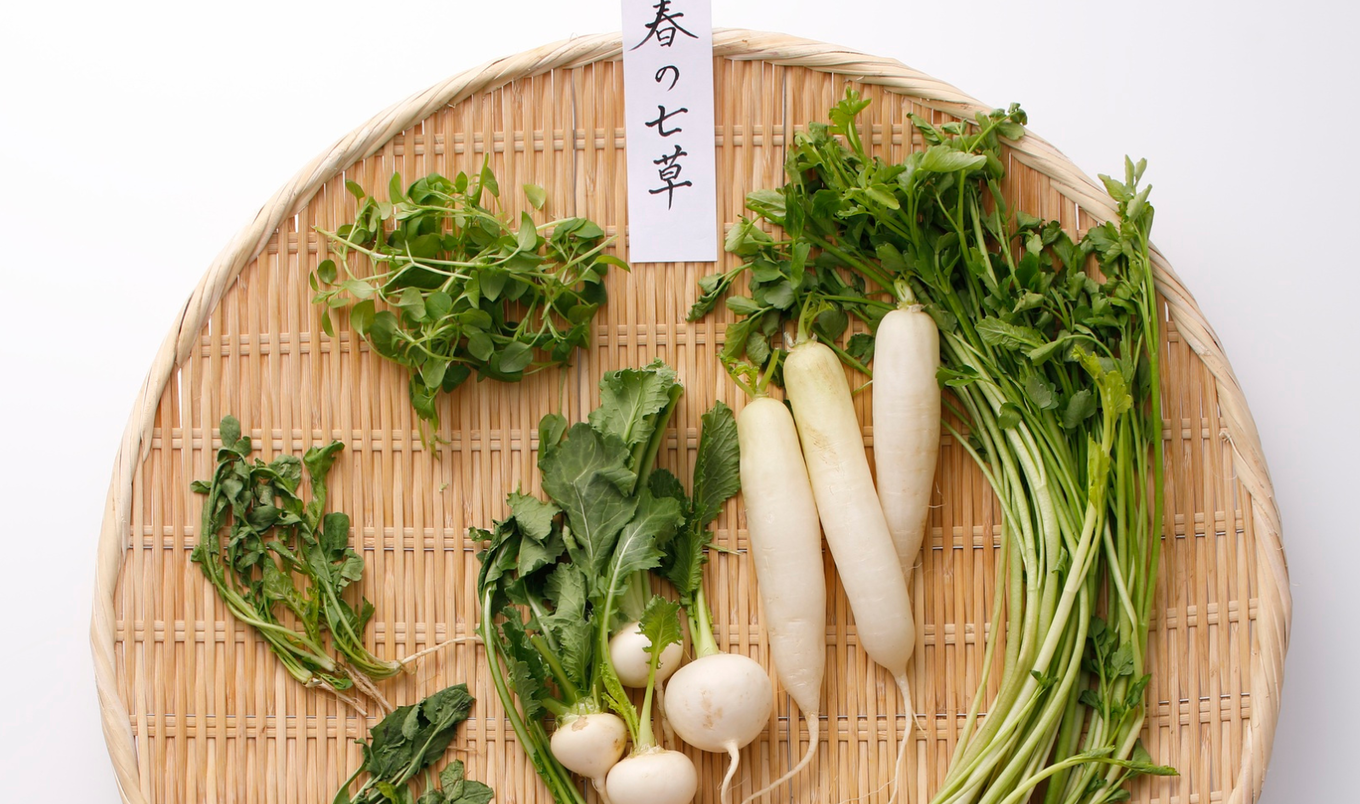 Aflo Images
Why watercress scores so high
“Watercress is often called a nutrient powerhouse because of its dense profile of vitamins, minerals, and antioxidants in a low-calorie package, providing just 4 calories per cup,” Scott Keatley, RD, co-founder of Keatley Medical Nutrition Therapy, told Women’s Health. “It offers impressive amounts of key vitamins and minerals that support overall health.”
One cup of raw watercress delivers more than 100 percent of the daily value for vitamin K, along with meaningful amounts of vitamin C and vitamin A, nutrients associated with bone health, immune function, and vision. The CDC’s scoring system favors foods that provide a broad range of micronutrients without excess calories, which helps explain why leafy greens dominate the top of the list while starchier vegetables land much lower.
From a nutritional standpoint, watercress’s position makes sense. From a cultural standpoint, it does not. Broccoli, carrots, lettuce, and potatoes remain staples in home kitchens and restaurant menus, while watercress is more likely to appear as an accent than a base.
The bigger issue is how few vegetables we rotate through
Watercress’s absence is part of a much larger pattern. According to the CDC, only one in ten adults in the United States meets recommended vegetable intake levels. Even among those who do, variety remains limited. Global nutrition research echoes the same concern. A 2023 review linked to the United Nations found that fruit and vegetable consumption remains low worldwide, with most populations falling short of dietary recommendations.
Increasingly, nutrition scientists argue that the more meaningful metric is not which single vegetable is healthiest, but how many different plants people eat. One of the most widely cited benchmarks comes from microbiome research associated with the American Gut Project, which found that individuals who reported eating more than 30 different plant foods per week had significantly greater gut microbiome diversity than those who ate ten or fewer.
That diversity matters. Researchers at the World Cancer Research Fund link varied plant intake to improved metabolic health, immune regulation, and the production of short-chain fatty acids associated with reduced disease risk. Further analysis found that people who consumed a wider range of plant foods showed different microbial metabolites and fewer antibiotic resistance genes compared with those whose diets were more repetitive.
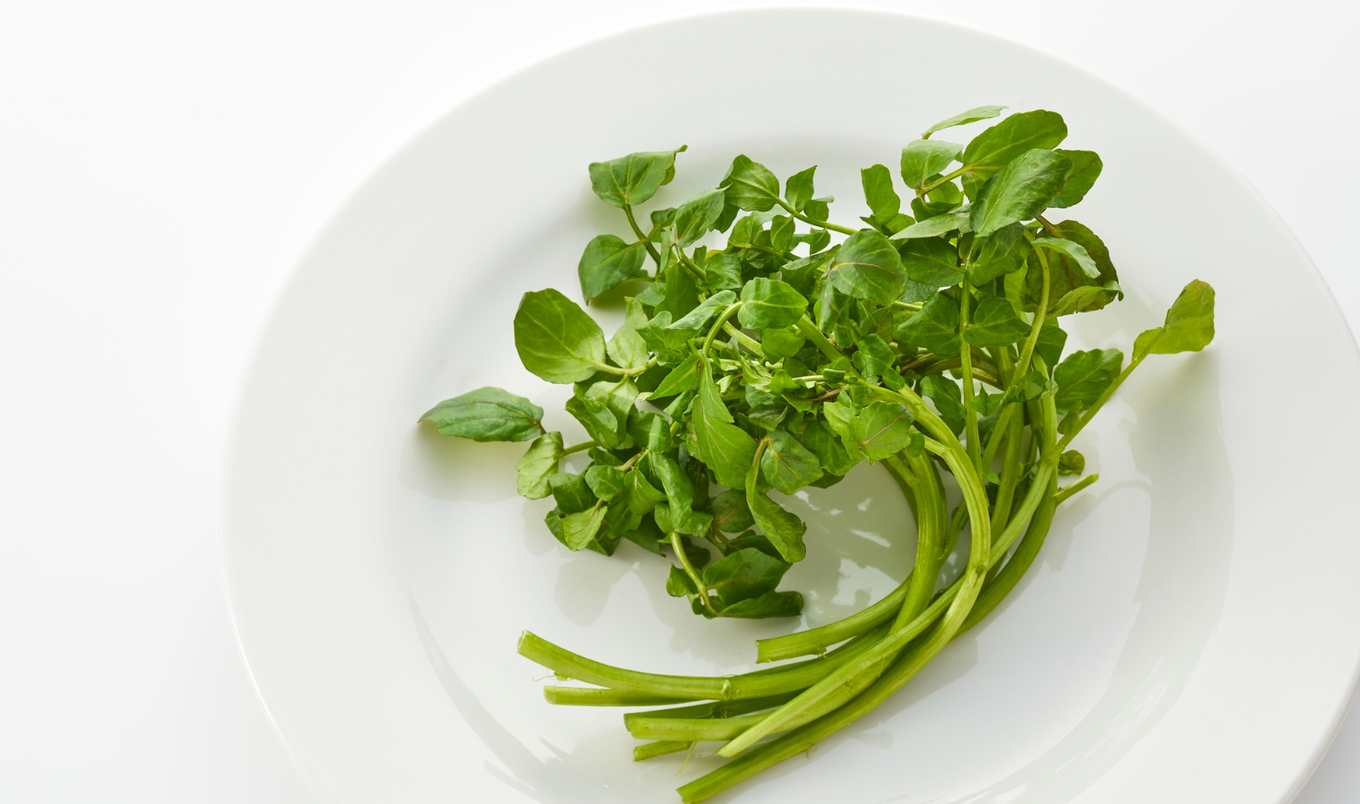 Aflo Images
Why familiar vegetables keep winning
Despite mounting evidence, most diets remain narrow. Research from King’s College London suggests adults typically consume a median of eight different plant foods per day, including grains, oils, and spices, with some people reporting far fewer.
Habit plays a decisive role. Vegetables that feel familiar, affordable, and easy to prepare dominate shopping carts regardless of nutrient density. USDA-linked research shows that cost, convenience, and entrenched eating patterns remain major barriers to expanding fruit and vegetable intake.
Watercress also presents sensory friction. Its peppery bite and delicate texture differ from the mild flavors many consumers expect from leafy greens, making it less approachable without culinary context or recipe familiarity.
Researchers who focus on plant diversity emphasize that variety does not require radical change. Herbs, spices, legumes, nuts, seeds, and whole grains all count toward plant diversity, making the 30-plants-per-week idea more attainable than it initially sounds.
Watercress’ long-standing position atop the CDC’s ranking highlights how much nutritional potential sits outside the small cluster of vegetables most people rely on. Expanding variety, Harvard researchers note, supports fiber intake, micronutrient coverage, and long-term health more effectively than optimizing around any single food. “When comparing the highest and lowest fiber intakes from fruits and vegetables, women with the highest fruit fiber intake had a 12% reduced risk of breast cancer; those with the highest vegetable fiber intake had an 11 percent reduced risk,” they noted.
Keatley says if you’re looking to capitalize on watercress’ benefits, adding about one cup to meals three to four times weekly can provide significant nutrition without adding many calories. “Its peppery bite enhances the sweetness of apples and the nutty crunch, making for a well-rounded, nutrient-packed salad,” he says. “A splash of balsamic vinaigrette or a drizzle of lemon juice adds brightness to balance the flavors.”
For more plant-based stories like this, read:
JUMP TO ... Latest News | Recipes | Guides | Health | Subscribe