

Making a career as a vegan creator has always been an uphill battle. From the early days of bloggers pioneering the vast expanse of the Worldwide Web, to the current era of TikTok influencers, claiming such a title is likely to elicit curiosity at best and outright scorn at worst. Despite the passion, hours of education, and dedication to the craft of developing and testing recipes, photographing and editing food, and learning design and coding, being referred to as a “blogger” still feels like a barely veiled insult.
Having ridden the social media wave for over 20 years now, I still find myself at odds with the industry, mercurial and undefinable as it is.
 Steliana Ardelean | Canva Studio
Creator opportunities aren’t as lavish as they may seem
It’s easy to understand the appeal of such an unconventional path. Opportunities abound if you hit it big, including the promise of free products, lavish comped meals, all-expenses-paid travel, and a paycheck on top of that. Some of the very lucky few have managed to create entire media empires from their platforms, earning upwards of six figures and employing scores of additional hands as support staff. Unfortunately, few ever see such returns on their honest efforts.
Brands are less likely to invest big dollars in just one voice, when they’ve found they can round up many all at once, for an absolute pittance. Third-party platforms are both a help and a hindrance here by connecting “micro-influencers,” newbies, or those with a smaller following, with bigger brands. By facilitating these connections, third-party platforms help creators get paid, but the caveat is brands expect professional work at hobbyist pay. There’s a good reason why most people in the field aren’t full-time creators, and it’s not just about the lack of insurance coverage, overtime benefits, and retirement plans that come with a conventional nine-to-five job.
What hurts even more than being snubbed by the companies we genuinely want to support and share, however, is the public backlash that seems to arise out of nowhere. Where there are content creators, there are trolls not too far behind. No matter how thick your skin, an endless barrage of negative comments starts to weigh heavily on one’s mental health.
Nothing is safe from a virtual sniper attack either. Meat eaters might take offense to the fact that you chose not to include any animals in your work, kicking off a barrage of the same ignorant quips that have been in circulation since the 80’s: “Mmm, bacon,” “I could never go without cheese,” “I’ll have two steaks for every block of tofu you eat,” and “Where’s the protein though?”
You could share a perfectly innocuous recipe video, prepared in an immaculate kitchen, ending with a beautiful finished dish, and some anonymous commenter will make a snide remark about your weight, or your skin color, or your age, or your religion, or truly anything.
As someone who never actually wanted to be in the public eye, and only desired to share my work, having to endure these anonymous trolls is the most demoralizing experience after already pushing myself outside of my comfort zone.
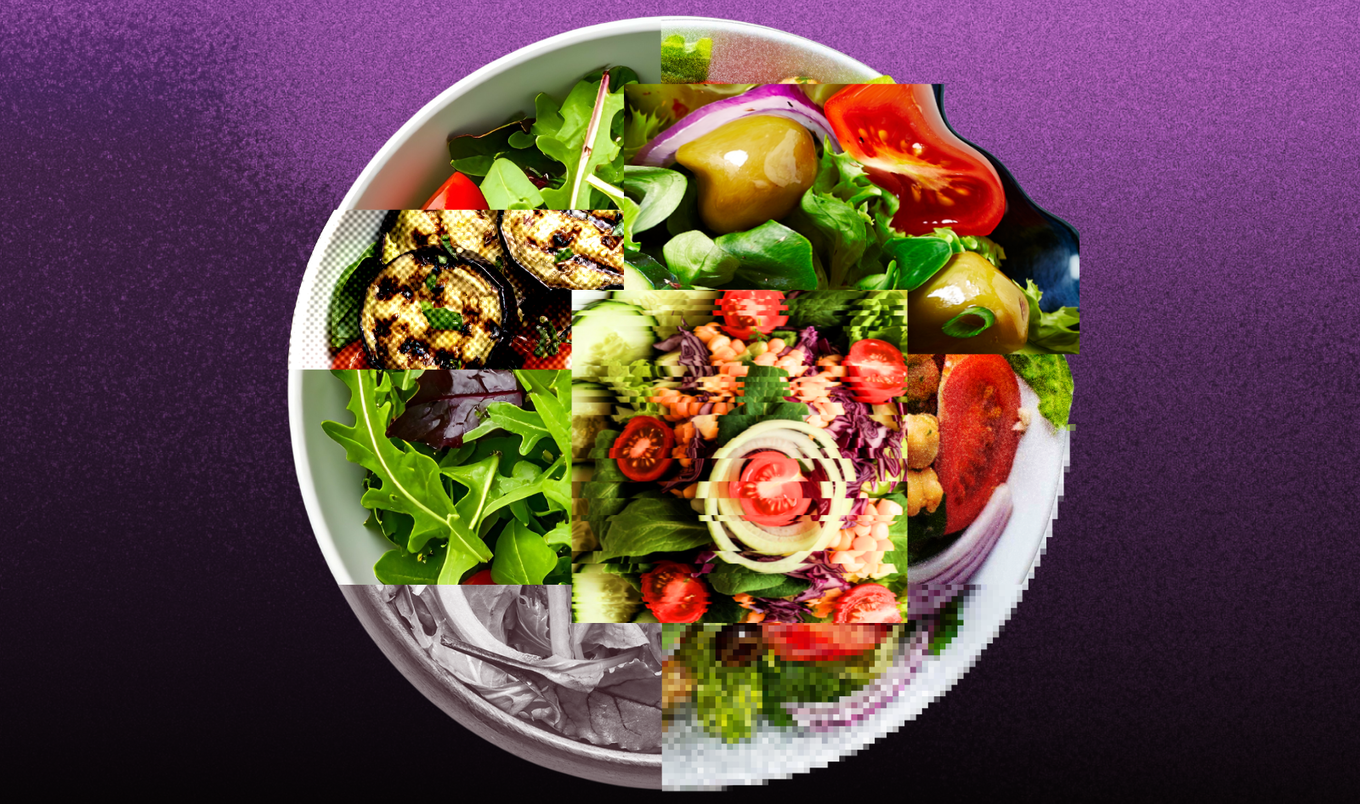 illustration by Richard Bowie, made without the use of AI
AI and the creator economy
As much as I would like to ignore it, it’s impossible to avoid the conversation about AI. As if it wasn’t already hard enough to get a tiny sliver of the advertising budget pie, free AI services are making those servings even slimmer.
What I find infuriating is how objectively terrible those AI efforts are. Is it not obvious that the photos don’t depict anything that could come from the accompanying recipe? Does anyone care that the recipes are untested? AI does not know how to cook. It can only copy in a Frankenstein patchwork of mismatched ingredients and instructions, plagiarized from the very creators it’s attempting to emulate.
As an ethical vegan, the implications are beyond alarming, especially when you factor in the environmental destruction folded into every wanton request. Relinquishing 34 to 68 billion gallons of water per year by the year 2028 feels like an irresponsibly steep price to pay for content of questionable quality.
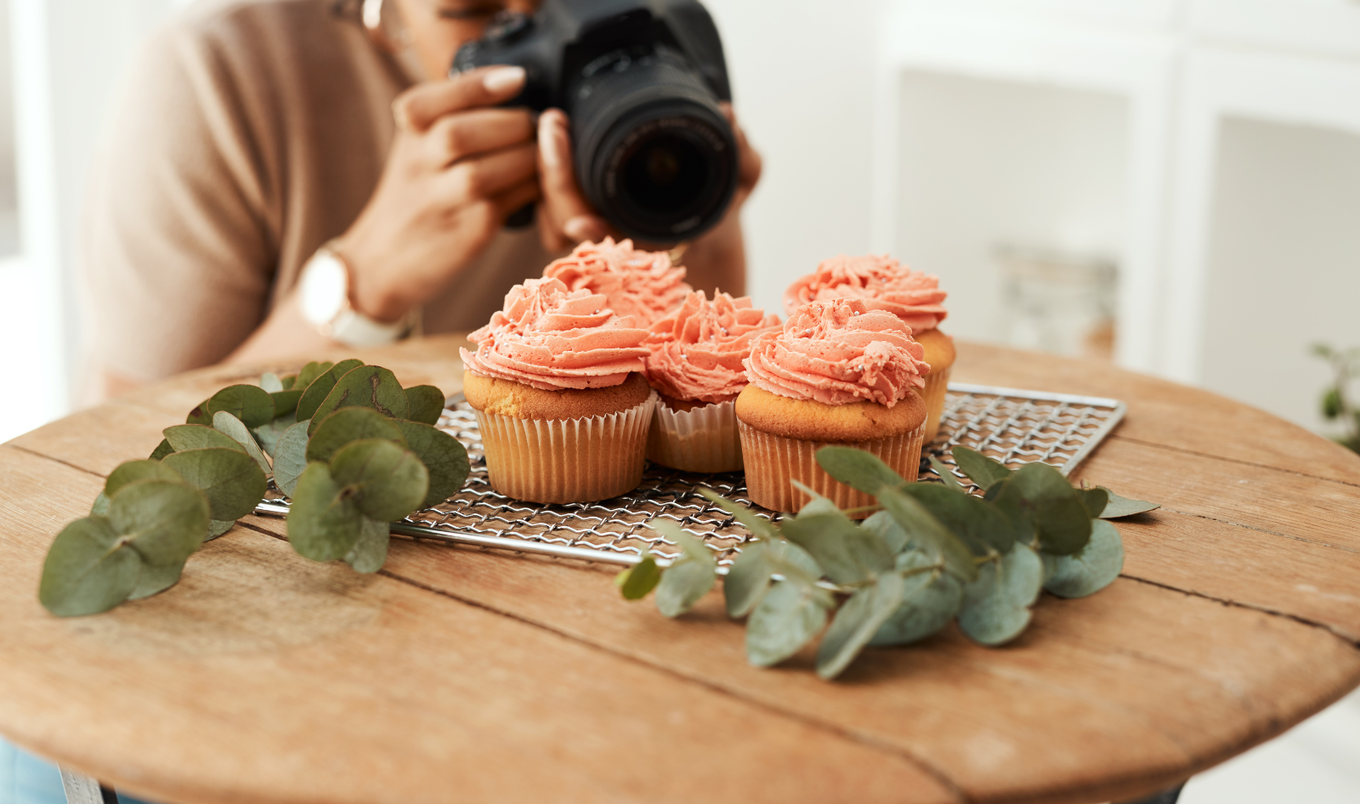 Getty
Getty
Why I continue creating
So, in the face of diminishing returns and seemingly insurmountable obstacles, why continue? Personally, I can’t imagine doing anything else. In a practical sense, I don’t have the temperament or skills to hold down an office job, but more importantly, I still love what I do with every fiber of my being. I would keep working even if I won the lottery. I need to create like I need air to breathe. Perhaps it’s foolish, committing to go down with the ship when it’s already halfway submerged, but it’s never been a choice for me. To those with a better sense of self-preservation, by all means, get into a lifeboat and save yourself.
The creator economy will never be what it once was, but nothing ever stays the same. We can be nostalgic for “the good old days,” fully aware that we’re coloring outside the lines in rosier tints than we ever saw with our own eyes. Adapting, acclimating to the current maddening pace of technology, has always been part of the game.
 Andrei Stoica | Canva Studio
Everyone plays a role in the creator economy
Now more than ever though, I believe that if there is a solution, it’s in people, not machines. If the vegan community wants accessible plant-based recipes that can actually be replicated, diverse representation, or simply entertainment that resonates, everyone is on the hook here. Readers and followers play the biggest role in any creator’s success or failure.
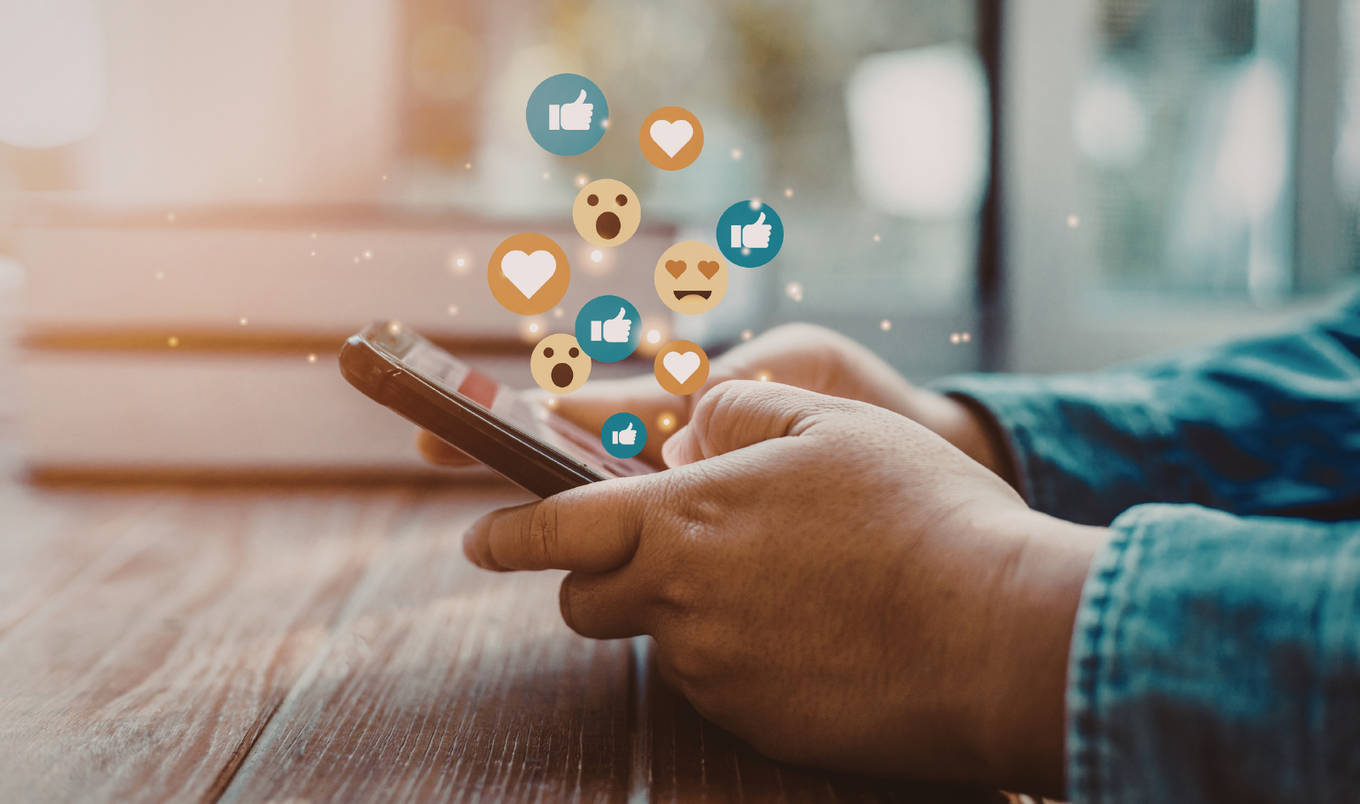
You know the drill: follow, like, comment, repost, and share. It costs nothing and means everything. These interactions prove a creator’s worth, giving them greater visibility, which ultimately provides the ladder to climb out of this downward spiral.
On the flip side, stop giving oxygen to AI-generated content. Attention is a commodity and it too is limited. Use yours wisely. Seek out trusted creators instead of having to wonder at every post, “is this real?” or even worse, “do I care?”
At the end of the day, this has never really been about chasing algorithms, brand deals, or even making a living. Making connections is paramount to all the other noise.
Being a creator has allowed me to make a positive impact through the ripple effect of one person cooking a meal they never thought possible, choosing compassion when it wasn’t convenient, or seeing themselves reflected in a space that once felt closed off. Those moments don’t trend or go viral. They’re real, and they’re lasting in a way no metric can measure.
Maybe the industry will keep shrinking. Maybe the platforms will keep shifting under our feet and crumble away altogether. I can’t say what the future holds, but as long as there are still people looking for something better, be it better food, better art, better human connection, better ways of living, there will be a reason to keep showing up. For now, that has to be enough.
For more plant-based stories like this, read:
JUMP TO ... Latest News | Recipes | Guides | Health | Subscribe