


Vegan celebrity chef Leslie Durso has built a storied career bridging luxury, wellness, and plant-based cuisine. In the last 15 years, she’s helped a number of brands curate dining experiences that are both indulgent and inclusive of all diners, regardless of dietary needs. The Four Seasons Punta Mita in Mexico, for example, has transformed into one of the most vegan-friendly resorts in the world under Durso’s direction.
Durso recently headed to Anaheim, CA for Natural Products Expo West, the world’s largest natural foods trade show. Here, the vegan chef shares her thoughts on emerging trends, hot products, and the fads she’d like to see disappear.
I spent days walking the entire show of Natural Products Expo West 2026, and one thing became clear almost immediately: the natural food industry is in the middle of an identity crisis. Everywhere I turned there were protein sodas, protein candy, and snacks fried in beef tallow, each promising to be the next health breakthrough. But as a vegan chef who has spent years helping people fall in love with real, plant-based food, I couldn’t help wondering if we’re solving the wrong problem.
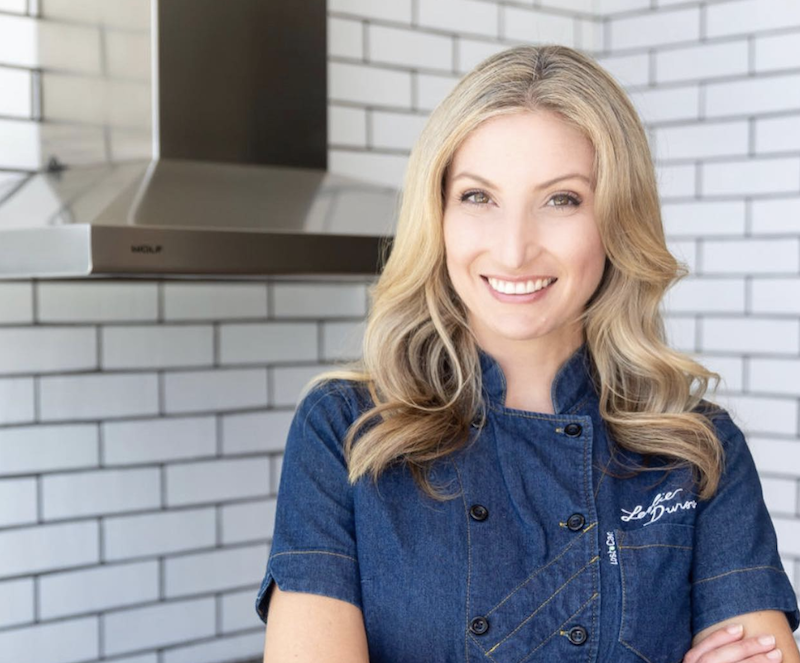 Leslie Durso
Americans don’t actually have a protein deficiency. We have a fiber deficiency and a growing dependence on processed foods wearing wellness labels. After a few days at Expo West, I left both concerned and hopeful about where food is heading next.
The top 5 food trends of 2026, according to celebrity vegan chef Leslie Durso
- Protein in Everything
From beverages to desserts, protein has become the universal functional ingredient. - The “Ancestral Fat” Narrative
Unfortunately, tallow and traditional fats are being reframed as wellness ingredients. - Cleaner Ingredient Lists
More brands are simplifying formulas and reducing additives. Beyond Meat and Just Egg, for example, are just two that are simplifying their ingredients. - Legacy Natural Brands Reimagined
Some of the most exciting updates came from companies that have been in the natural food space for decades. - Real Food is Quietly Winning
The products that impressed me most weren’t the most engineered but instead the most thoughtful.
Vegan brands and products to remember
Among thousands of products, several brands really impressed me.
Edward & Sons
A thoughtful rebrand of one of the pioneers of natural foods, Edward & Sons is honoring its legacy while bringing a fresh look to the brand. Look for the new branding to hit store shelves in the fall.
My favorite products include the new pad see ew noodles made from brown and black rice, miso soup, gluten-free ice cream cones, coconut milk, and jackfruit. Honestly, there is not a product they make that I don’t use.
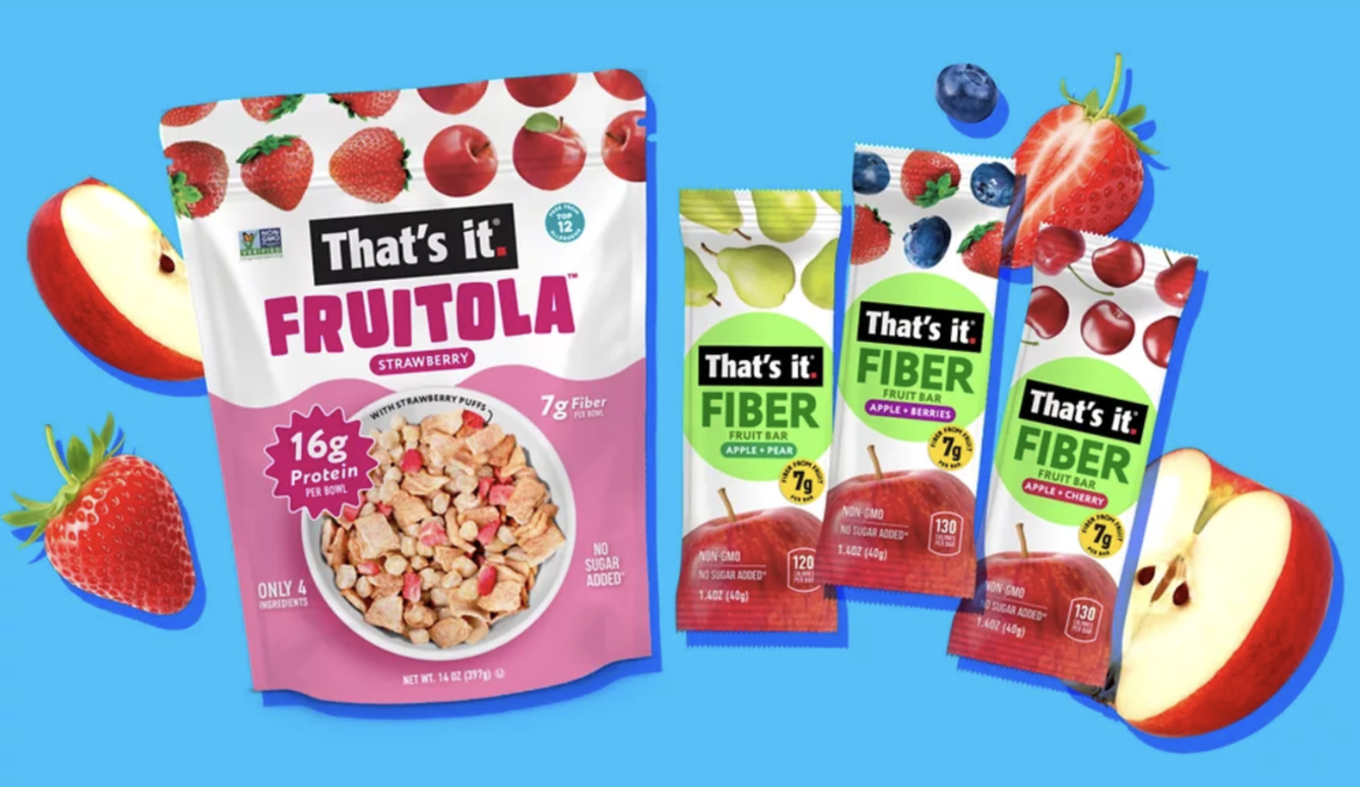 That’s It
That’s It
That’s It makes fruit-based snacks with beautifully simple ingredients, proving that sometimes the best innovation is doing less. At Expo West, the brand launched Fruitola, a clean cereal with lots of flavor.
Seven Sundays
This family-run company prides itself on making better-for-you cereals and granola mindfully crafted without dyes, artificial flavors, or refined sugars. Seven Sundays is launching new oatcakes, continuing their focus on thoughtfully sourced whole grains.
Zico
Zico introduced organic coconut water, a move that brings one of the original coconut water brands back into the natural spotlight.
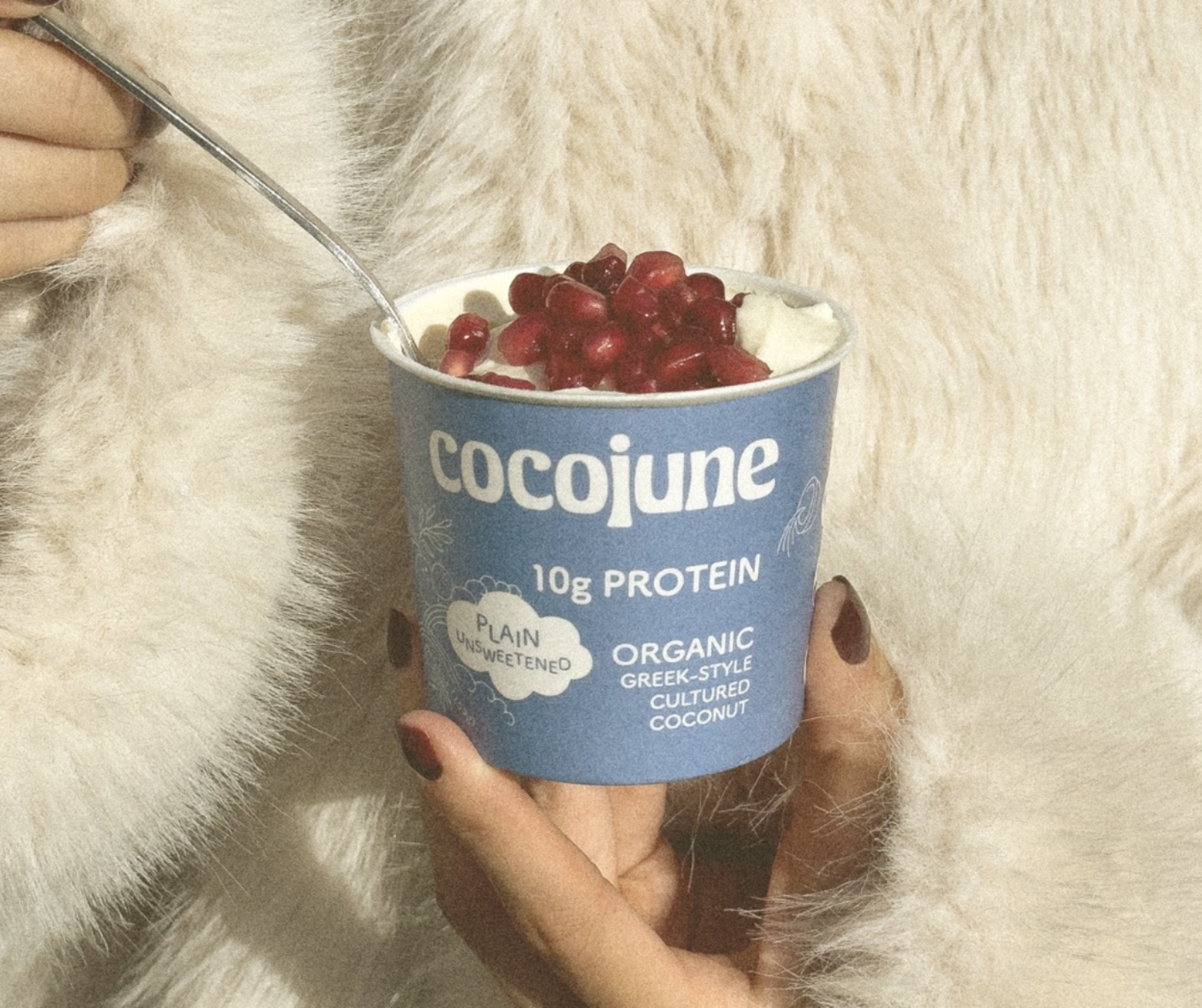 Cocojune
Cocojune
Cocojune was, hands down, some of the best plant-based yogurt at the show. It’s rich, creamy, and incredibly delicious.
Fabalish
Fabalish continues expanding beyond its chef-crafted, allergen-friendly dips and spreads with new French toast bites that are surprisingly addictive. Look out for my Basil Aioli collab with them—it’s back this summer!
BECOME A VEGNEWS VIP: Get exclusive product deals, freebies, and perks galore!
PlantFusion
Best known for its plant-based protein powders and vitamins, PlantFusion is launching a vegan collagen beauty supplement to further the growing beauty-from-within movement.
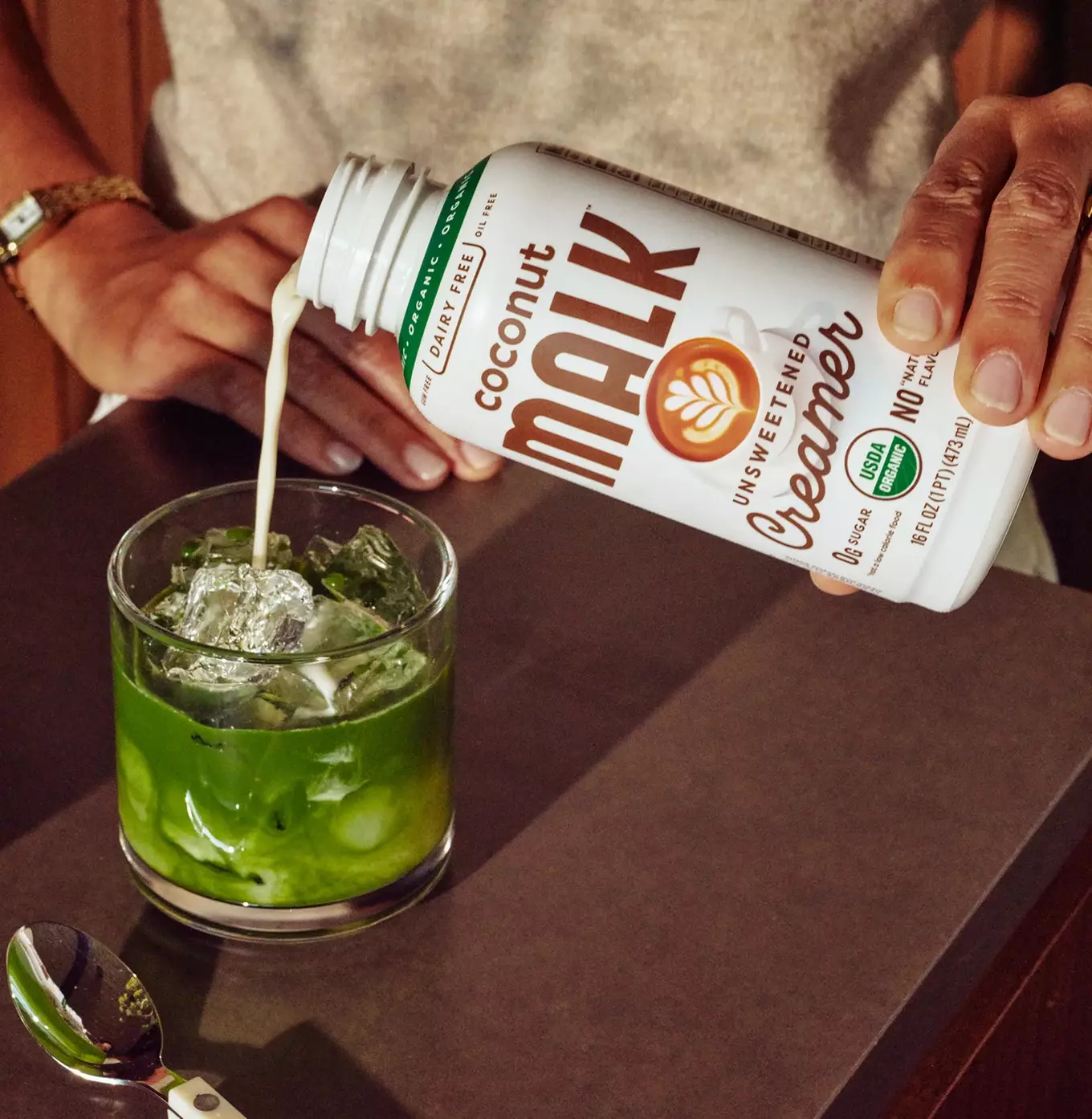 Malk
Malk
Malk
Malk is still leading the way in ultra-clean plant milks with ingredient lists you can actually recognize.
Redmond
Redmond continues its simple ingredient philosophy with mineral-rich salts, seasonings, and electrolytes.
Kokora
Another standout brand focused on nutrition and thoughtful ingredients without unnecessary complexity, Kokora sources ingredients from its organic, regenerative farm in Costa Rica—yet another way the brand prioritizes both human and planetary wellness.
Smart Athlete
For my athletic friends out there who are tired of standard energy gels and goos, the founder of Smart Athlete is a medical doctor and cherry farmer who combined his love of sports, medicine, and the cherry orchards to bring an exceptional product to market.
 King Arthur Baking Company
King Arthur Baking Company
King Arthur Baking Company created a self-feeding sourdough machine called the Sourdough Sidekick. It feeds your starter so you don’t have to! Pre-orders begin March 23 on the King Arthur website.
Addressing the (protein) elephant in the room
Protein dominated the show floor. Protein water, protein sodas, protein coffee, protein desserts, protein snacks, protein candy—the list goes on.
The push is clearly being driven by GLP-1 conversations, fitness culture, and social media diet trends. Brands are responding by adding protein to nearly everything, even foods that never needed it.
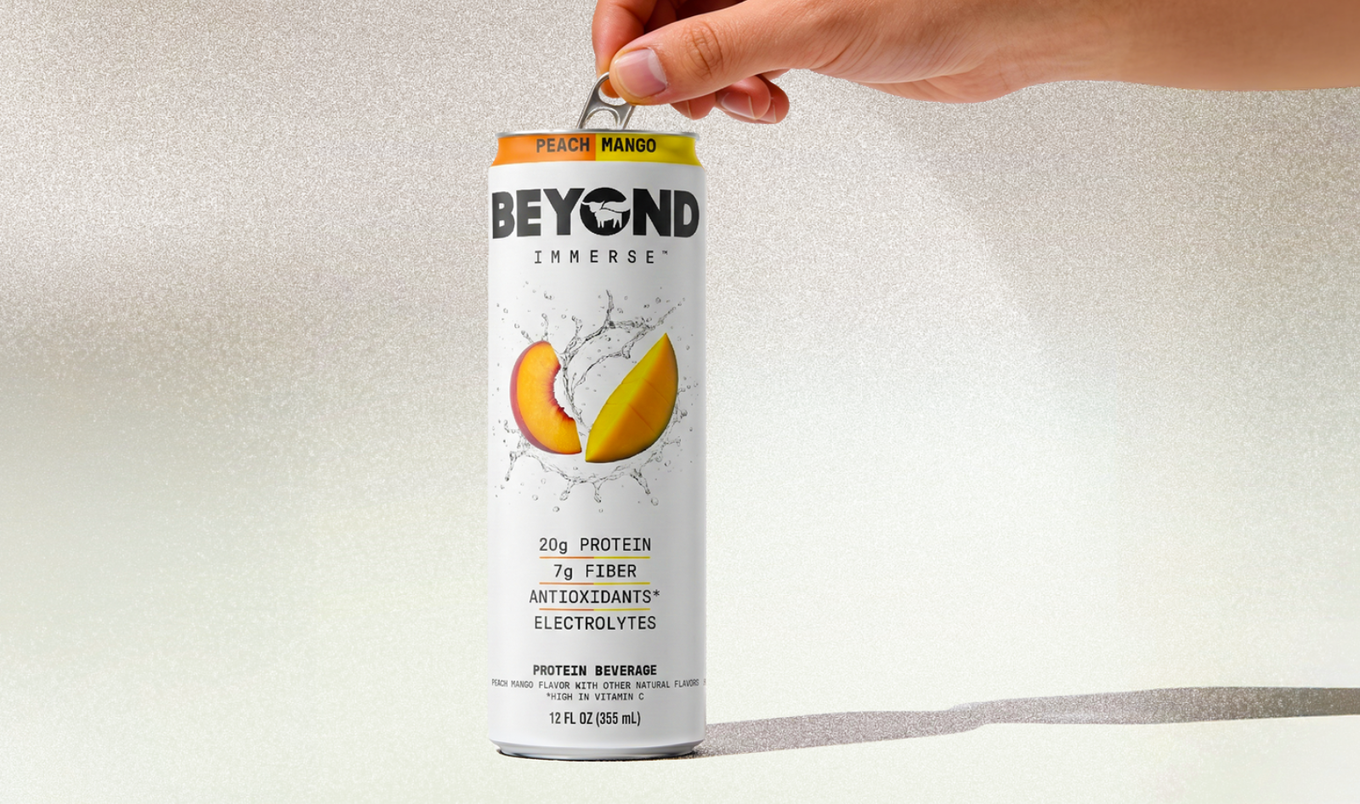 Beyond
Protein is essential, but more isn’t always better. Consistently consuming very high protein levels, especially through ultra-processed products, can come with some downsides including kidney strain from increased nitrogen waste; digestive issues when high protein intake displaces fiber; nutrient imbalance when fruits, vegetables, and legumes get pushed aside; and over consumption of ultra-processed ingredients like isolates, gums, and sweeteners used to deliver protein.
From a plant-forward perspective, the irony is that whole foods like lentils, beans, tofu, nuts, seeds, and whole grains already provide plenty of protein with the added nutritional benefits of fiber, minerals, and phytonutrients.
We don’t necessarily need more protein products—we may just need more real food.
Are we really allowing beef tallow to make a comeback?
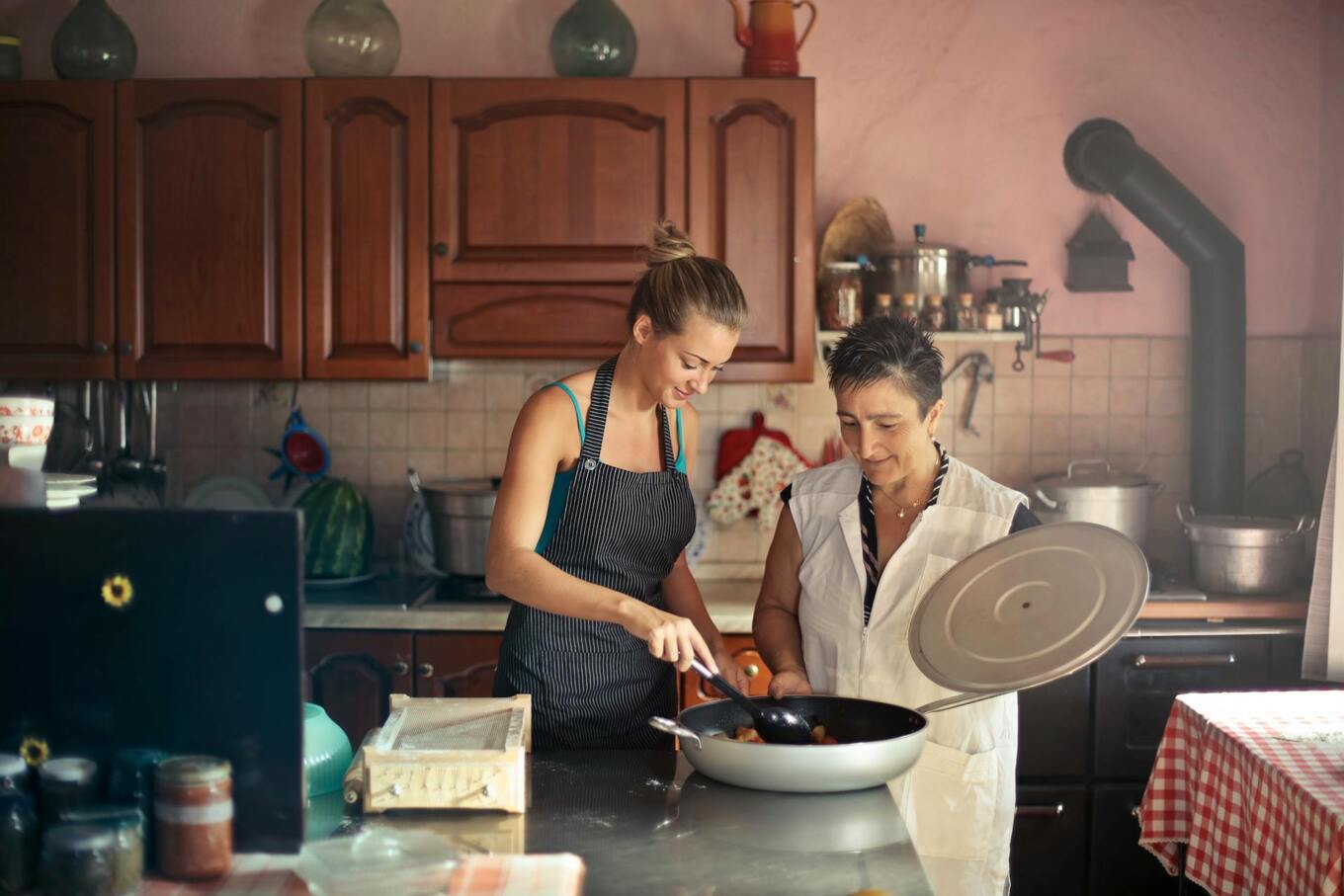
Another trend that surprised me: beef tallow products everywhere. Tallow is being framed as a return to “traditional fats,” but as a vegan chef, it’s hard not to see this as part of a broader nostalgia narrative around animal products.
 Pexels
Beef tallow is extremely high in saturated fat and diets high in saturated fat have long been associated with elevated LDL cholesterol and increased cardiovascular disease risk. It’s also very calorie-dense and, like many animal fats, can accumulate environmental contaminants depending on sourcing.
Tallow is nearly pure fat, providing about 120 calories and 14 grams of fat per tablespoon, which can add up quickly in fried foods.
Using animal fats to rebrand highly processed snack foods as “ancestral wellness foods” deserves more than a little skepticism.
The nutrient we are ignoring: fiber
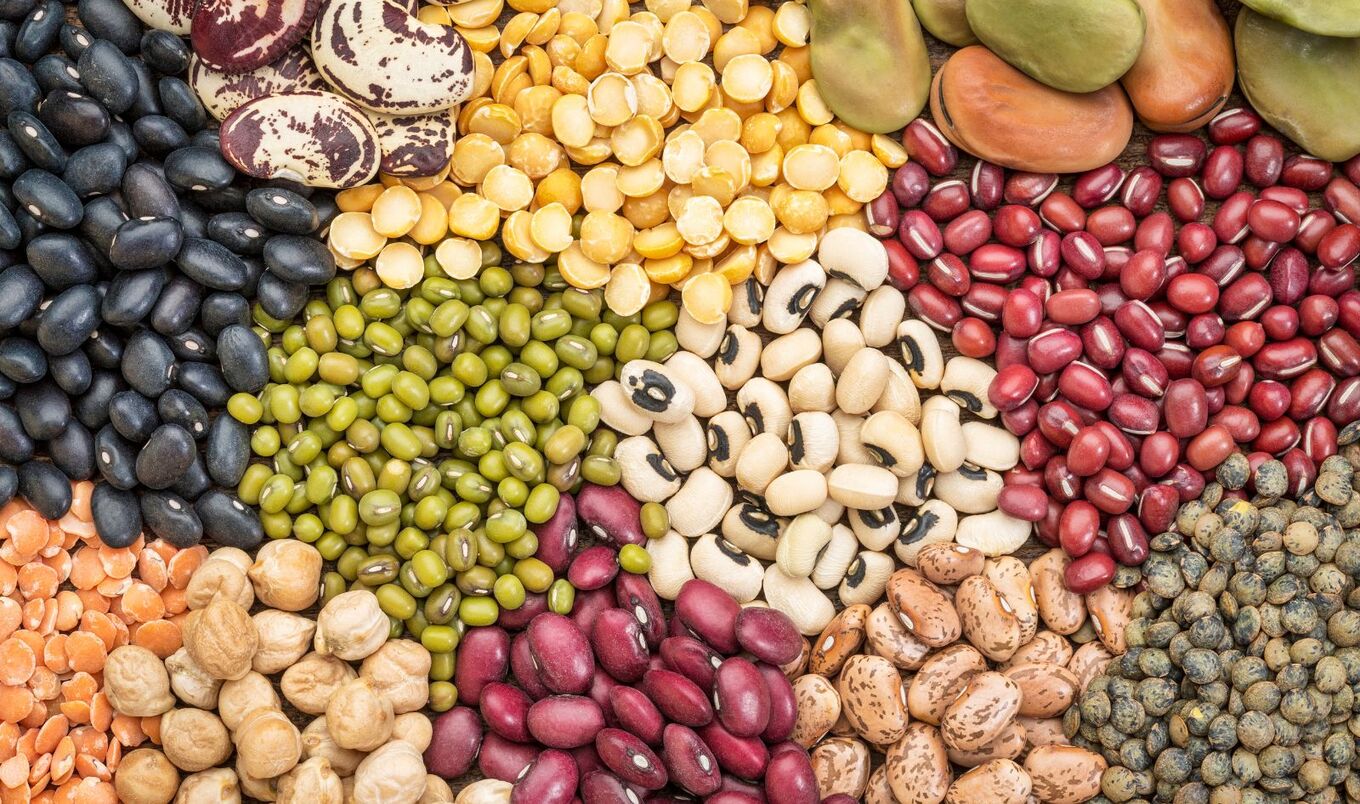
While protein dominated marketing claims, one nutrient was noticeably absent: fiber. Although the average American consumes less than half of the recommended daily intake of fiber, this essential nutrient isn’t given the attention it deserves.
 Getty
Getty
BECOME A VEGNEWS VIP: Get exclusive product deals, freebies, and perks galore!
As a chef working only with plants, fiber is one of the most powerful—and overlooked—tools for health. Fiber supports gut microbiome diversity, blood sugar stability, heart health, and long-term metabolic balance.
And the best fiber sources aren’t powders or isolates, but rather beans, vegetables, fruits, whole grains, and seeds. Ironically, the foods that naturally contain fiber are the same foods that often get pushed aside when protein marketing takes center stage.
The state of “natural” processed foods
One honest takeaway from Expo West: even within the natural food industry, ultra-processed products are multiplying. Cleaner labels are replacing artificial additives, but we’re still seeing many foods built around isolates, concentrates, stabilizers, and flavor systems.
 Getty
Getty
The industry continues chasing the same goal conventional food companies have always chased: maximum convenience and shelf life. As a chef, I understand why convenience matters, but I feel the future of food shouldn’t come at the expense of ingredient integrity.
Why I’m still optimistic
Despite some trends that raised eyebrows, I left Expo West feeling hopeful. There’s a new generation of founders asking better questions: how do we support regenerative agriculture? How do we make plant-forward eating exciting? Can packaged food still encourage whole-food cooking?
The most exciting future for food isn’t protein soda or nostalgia-driven tallow trends, it’s a return to something much simpler: real ingredients, grown well, and prepared with care. And maybe the next big trend we’ll see at Expo West won’t be more protein. Maybe it will be more plants, more fiber, and fewer ingredients overall.
As a vegan chef, that’s a future I’m incredibly excited to be a part of.
For more plant-based stories like this, read:
JUMP TO ... Latest News | Recipes | Guides | Health | Subscribe