


There’s a reason The Bear is set in Chicago. The Windy City is one of the best places in the US for food lovers, serving up everything from next-level, melt-in-your-mouth deep-dish pizza to Michelin-starred fine dining. From small neighborhood restaurants to the streets of Chinatown and Ukrainian Village, exceptional flavor and culinary talent can be found in every corner of the city. It’s no surprise, then, that Chicago has long been considered a top destination for plant-based dining as well.
In June 2025, People for the Ethical Treatment of Animals (PETA) crowned Chicago the best city for vegans in the US, saying it “blew away” the competition with its “plethora of plant-based choices.” The animal rights organization highlighted standout spots like Penelope’s Vegan Taqueria, The Chicago Diner, Kale My Name, and Native Foods for excelling in “animal-friendly cuisine.”
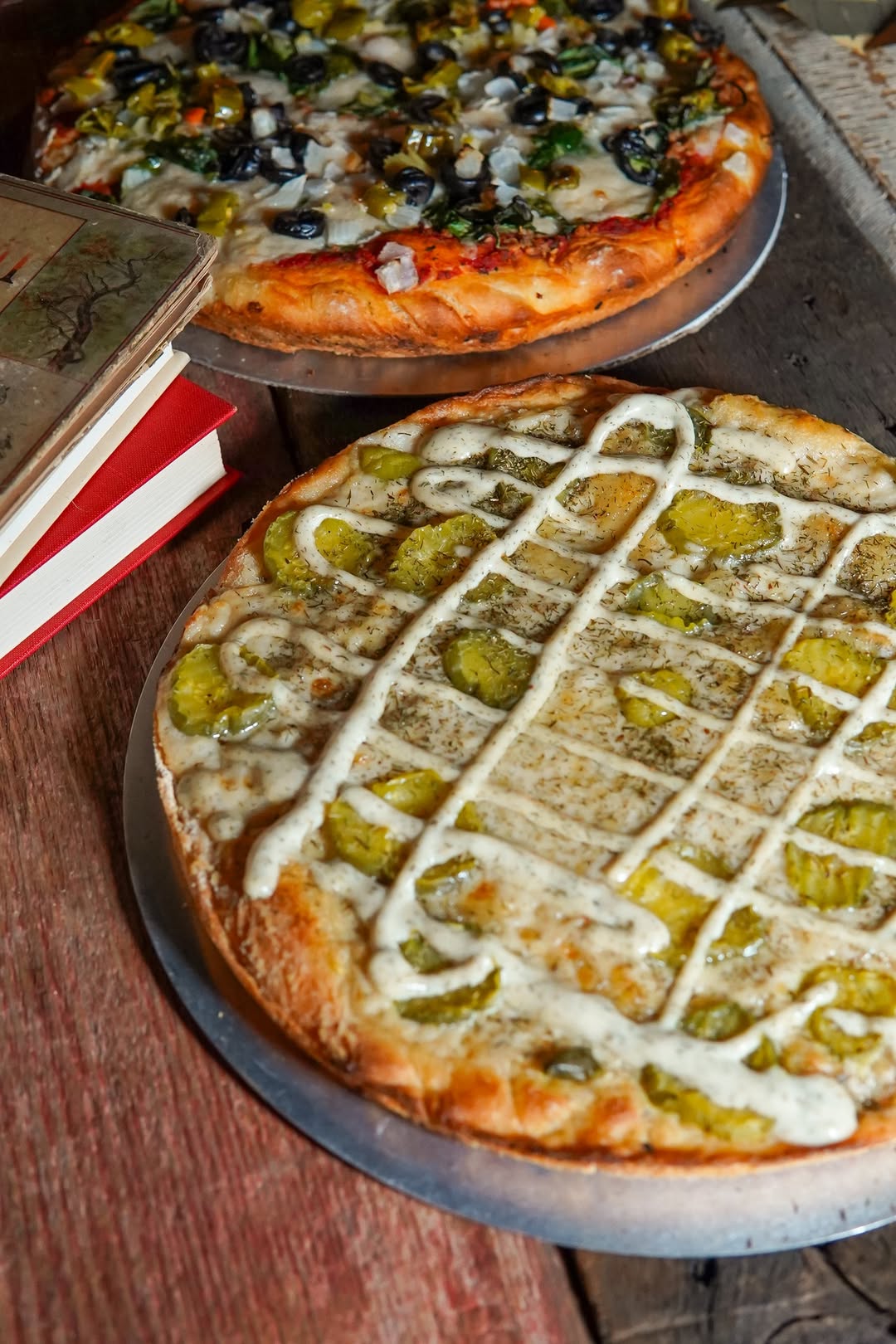 Kitchen 17
But just seven months later, the landscape has shifted dramatically. Since PETA released its rankings, The Chicago Diner’s Logan Square location and Native Foods’ lone Chicago outpost have closed permanently. They’re far from alone. Beloved raw vegan staple Chicago Raw has shuttered, Kitchen 17—famous for its housemade vegan deep-dish pizza—is gone, and The Black Vegan Restaurant is relocating away from the city center. Liberation Kitchen and Chicago Pizza have also closed their doors.
Bloom Plant Based Kitchen has revealed its last day of service will be February 21, 2026—another blow to what was once one of the most vibrant vegan dining scenes in the country. Since announcing its closure, the restaurant has confirmed that a new vegan business run by the same team may be on the horizon.
Why are so many vegan restaurants closing in Chicago?
Chicago isn’t alone. News of vegan restaurant closures around the world has been trickling in since the pandemic. To survive, some eateries—like New York’s Eleven Madison Park, which famously went fully vegan in 2021—have resorted to putting meat back on the menu in an attempt to draw in more diners.
But the situation in Chicago suggests this isn’t necessarily a matter of changing dietary habits. The city’s culinary scene has been caught in a perfect storm for years, and these vegan restaurant casualties are the latest in a long list of lost eateries.
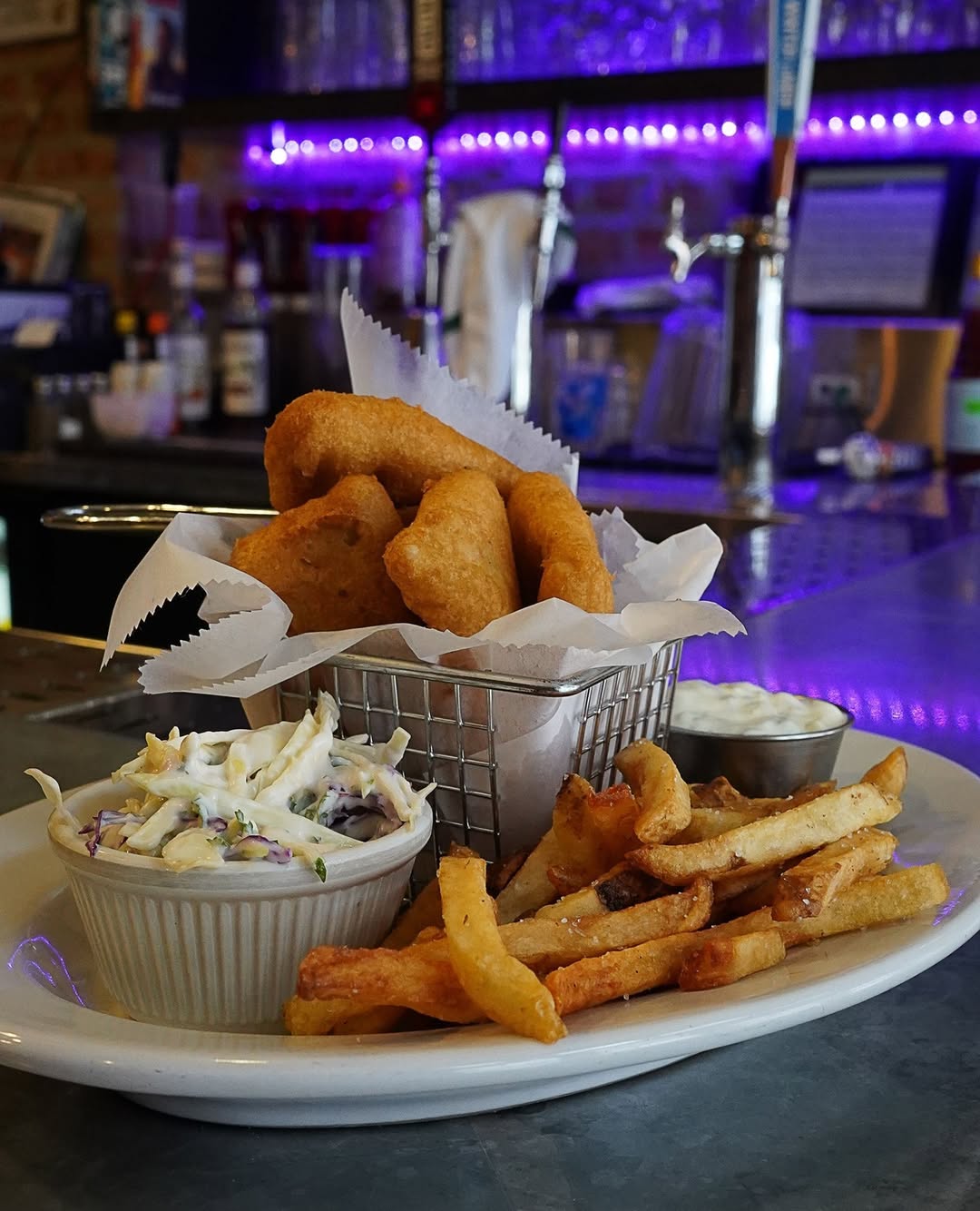 The Chicago Diner
Nemanja Golubovic, founder of Kale My Name, says he is “devastated” by the wave of closures, but argues the problem runs deeper than consumer interest alone. He points to several overlapping pressures: rising costs for ingredients, rent, labor, utilities, and insurance, all hitting as consumers tighten their purse strings. While this pattern has been cited in restaurant closures from the UK to New York, Chicago faces an added challenge tied to its geography.
“Winters are long, foot traffic is seasonal, and people do not typically travel across the city just for food unless it feels truly special,” he explained. “Unlike cities where vegan dining is more centralized, Chicago requires restaurants to give people a reason to make the trip.”
The situation has been building for some time. At the end of 2024, XMarket, Chicago’s first-ever vegan food hall, closed its doors after just one year in operation. “We poured our hearts into creating a space for the vegan community, but the challenges have been real,” a farewell post on XMarket’s Instagram read.
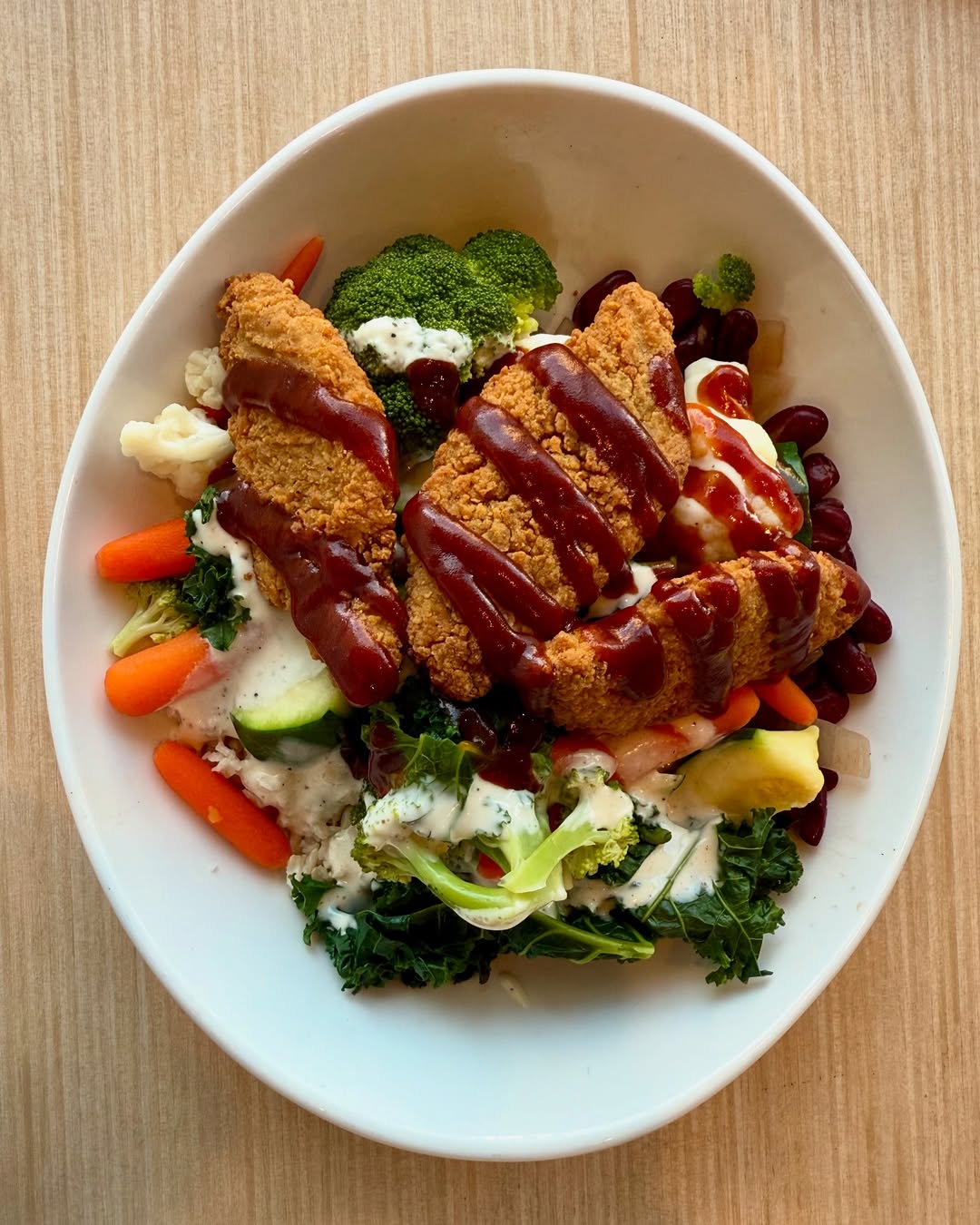 Native Foods
People’s behavior has shifted since the pandemic, too. One of the key reasons Native Foods is shuttering its final Chicago location, for example, is its reliance on weekday lunch crowds and office foot traffic, at a time when far more people are now working from home.
The vegan restaurant industry also faces a distinct set of pressures. Just a few years ago, fully vegan restaurants were often the primary places diners could reliably find plant-based options. Now, smaller independent spots are competing with the convenience of fast-food giants, fast-casual chains, and grocery stores.
“Vegan options are now widely accessible,” Golubovic explained. “That accessibility is a win for animals and the movement, but it also means that choosing a fully vegan restaurant has shifted from being a necessity to more of a conscious experience—or even a luxury—for many diners.”
Then there are the personal pressures that come with simply running a restaurant. Jennie Plasterer, owner of Kitchen 17, said costs were a key factor in her decision to close the beloved spot, but they weren’t the only reason. She also cited an increase in threats of violence toward staff. “We are all just humans doing a trade, [and] most of the people are sweethearts,” she told Block Club Chicago. “But it’s that one percent that sticks in your brain.”
For some restaurants, the pressures extend far beyond balance sheets and staffing challenges. One of the fundamental reasons The Black Vegan Restaurant is relocating to the suburbs, its owners say, is fear within their customer base. Ongoing ICE raids have made many patrons too afraid to travel into the city center at all.
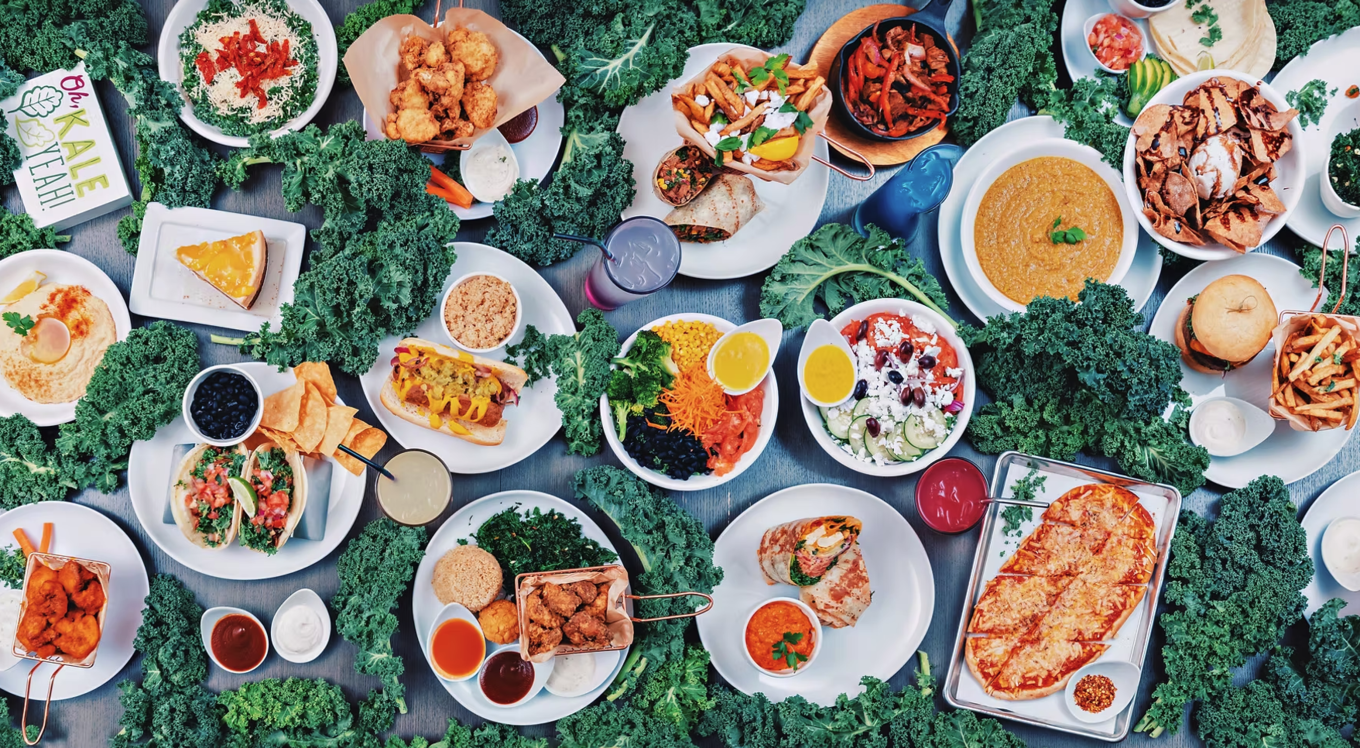 Kale My Name
Hope for the future of Chicago’s vegan restaurant industry
The struggles in Chicago underscore how closely the restaurant industry mirrors society at large. We’re living in a moment when no eatery is truly safe, and vegan restaurants may be more vulnerable than ever. Still, Golubovic isn’t giving up hope. He believes these tumultuous years will ultimately force businesses to adapt and become more resilient. And the picture isn’t entirely bleak: according to HappyCow, Chicago is still home to around 30 fully vegan restaurants.
“I am still optimistic about the future of vegan dining in Chicago. I do believe the landscape is evolving rather than disappearing,” he said. “The restaurants that survive and thrive will be the ones that adapt, build community, and offer something beyond what people can get everywhere else.”
The team behind Bloom echoed a similar sentiment, saying the closure was not an easy decision and that while details are still being worked out, the restaurant is evolving rather than ending. Chef and founder Rodolfo Cuadros said the goal is to create something new that carries Bloom’s spirit forward for the community.
“Veganism itself is not going anywhere,” Golubovic continued. “If anything, it is becoming more normalized. The challenge and opportunity for independent restaurants is finding new ways to stand out in that reality.”
For more plant-based stories like this, read:
JUMP TO ... Latest News | Recipes | Guides | Health | Subscribe

Charlotte is a VegNews editor and writer based in sunny Southsea on England's southern coast.