


Humans have been eating shellfish for thousands of years. In fact, researchers believe that 165,000 years ago, cave-dwellers in South Africa were dining on bowls of crustaceans to survive. Just like their ancestors, people today still love seafood. But for many, it’s not about survival anymore; it’s about indulgence. Reports suggest that, on average, Americans eat one billion pounds of shrimp every year.
But all of this excessive consumption has an impact. Unlike thousands of years ago, shellfish has turned into a big business. And the shrimp industry, in particular, is associated with a number of serious issues, including environmental destruction and poor animal welfare. But there are alternatives available.
While it was once niche, the plant-based seafood market is growing. By 2031, reports suggest it could reach a valuation of $1.3 billion. That means more vegan fish options, but also lots more vegan shrimp. That said, it’s not necessary to wait until 2031 to get your hands on some plant-based shellfish, as there are already plenty of options on the market. If you have the time and patience, you could also make vegan shrimp at home using simple plant-based ingredients.
We’ve rounded up some of our top vegan shrimp brands and recipes, but first, let’s take a closer look at the problems with the conventional shrimp industry.
What’s wrong with conventional shrimp?
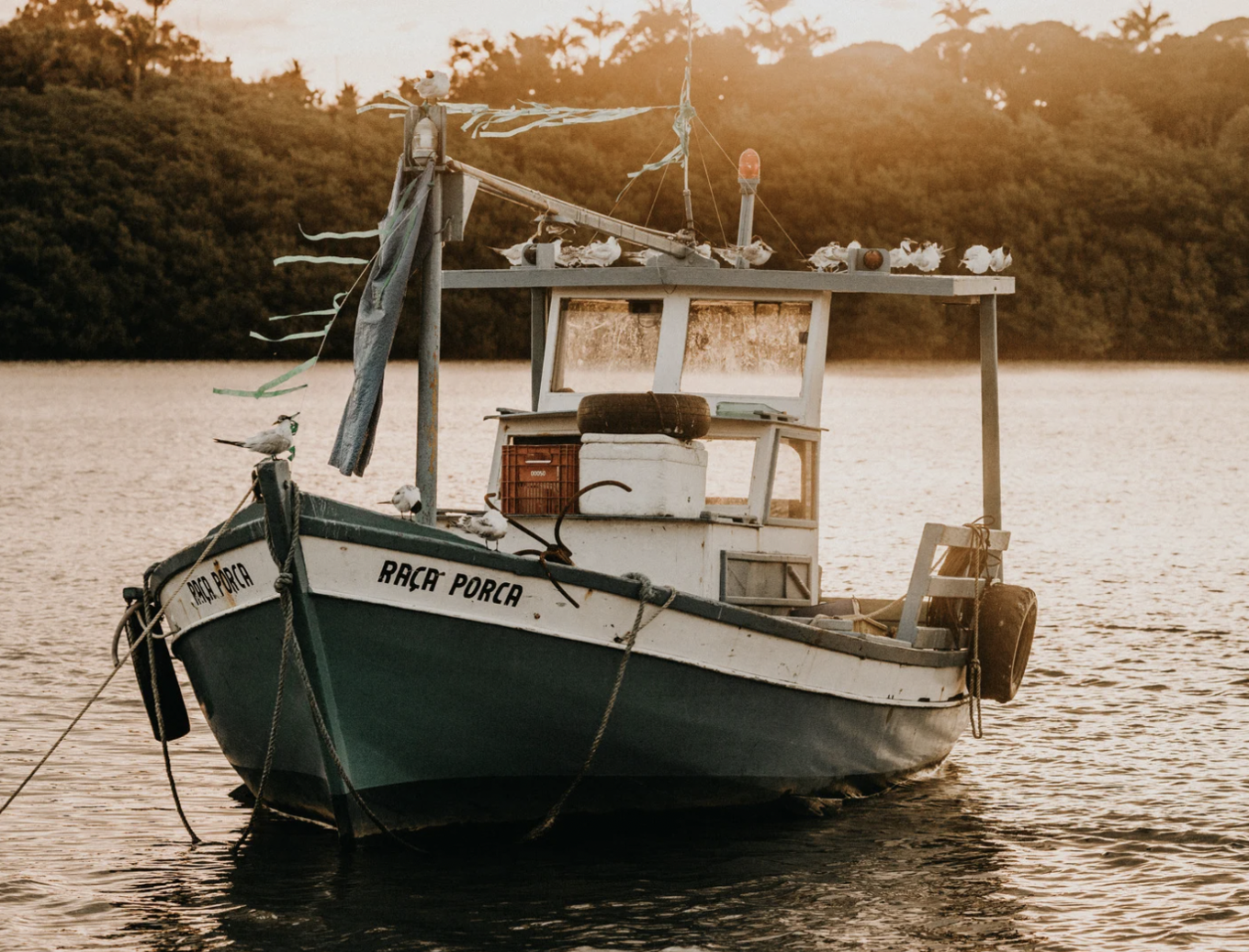
It’s not just the US that loves to eat shrimp. Shellfish is also loved in the UK (where it’s more likely to be referred to as prawn, despite the fact that it is technically a different species). It’s also enjoyed across Europe, particularly in the south. Japan and China (the world’s largest seafood consumers) are also two massive markets for shrimp.
 Canva
Canva
But, alongside China, some of the biggest producers of shrimp are India, Ecuador, Thailand, Indonesia, Bangladesh, and Vietnam. The US, Japan, and the European Union are three of the top importers. But all of this comes at a high environmental cost.
Mangrove destruction
Over the last 30 years or so, shrimp farming in Vietnam has driven the loss of most of its mangrove forests (semi-aquatic trees that grow in coastal water). In Thailand, research suggests that from 1975 to 2004, around 50 to 65 percent of mangroves were lost to shrimp farming.
This is a major problem because, as highly efficient carbon sinks, mangroves are essential in the fight against the climate crisis.
In fact, some research suggests they are better at sequestering carbon than rainforests, as they can store carbon in their roots for potentially thousands of years.
But, due to shrimp farming, other forms of agriculture, and the timber industry, the world has already lost 35 percent of mangroves.
The process of clearing mangroves also emits significant amounts of carbon dioxide—more than that of the entire country of Myanmar, according to one study. Plus, further research suggests that because of this impact, eating one kilogram of shrimp could result in four times the greenhouse gas emissions of the same amount of beef.
Turtle bycatch
Most of the shrimp on the market (around 90 percent in the US) come from farms in Asia or Central America, but, while it is in decline, wild shrimp fishing remains a substantial industry. In 2019, for example, Georgia fishers caught more than 2.6 million pounds of shrimp. But this kind of shrimping also comes with its own set of environmental problems.
 Getty
Getty
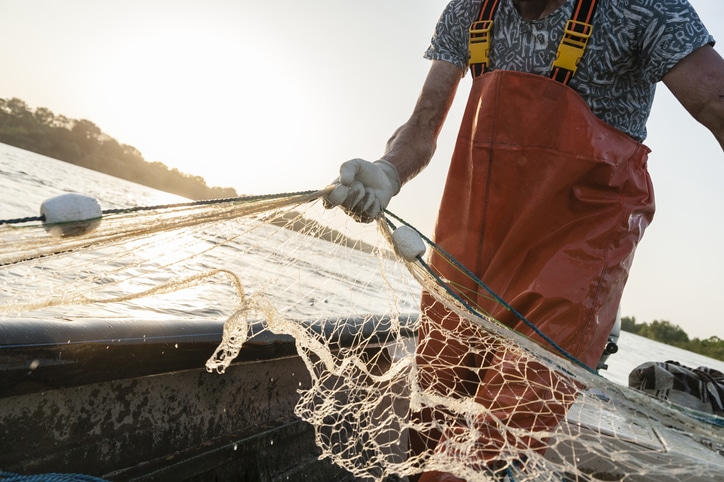
To catch wild shrimp, trawlers drag nets across the bottom of the ocean. But, as they are unable to distinguish between a shrimp and another marine species, this results in a lot of bycatch. According to the Turtle Island Restoration Network, shrimp nets are the number one killer of sea turtles.
What is vegan shrimp?
Enjoying the taste and texture of shrimp doesn’t have to come with a host of environmental and ethical problems, because vegan shrimp exists.
The shellfish-free alternative can be made with a variety of ingredients, but konjac, an Asian root vegetable, is perhaps one of the most common. That’s because the scent is slightly fish-like, and the mouthfeel is very similar to shrimp meat.
Other ingredients brands often use to make vegan shrimp include soy or pea protein, which is often flavored with seaweed. At home, DIY vegan shrimp recipes often call for ingredients like hearts of palm, tofu, or oyster mushrooms.
Vegan shrimp brands
If you’ve got a taste for shrimp, these vegan brands offer more ethical, more sustainable alternatives.
 The Plant Based Seafood Co
1 The Plant Based Seafood Co.
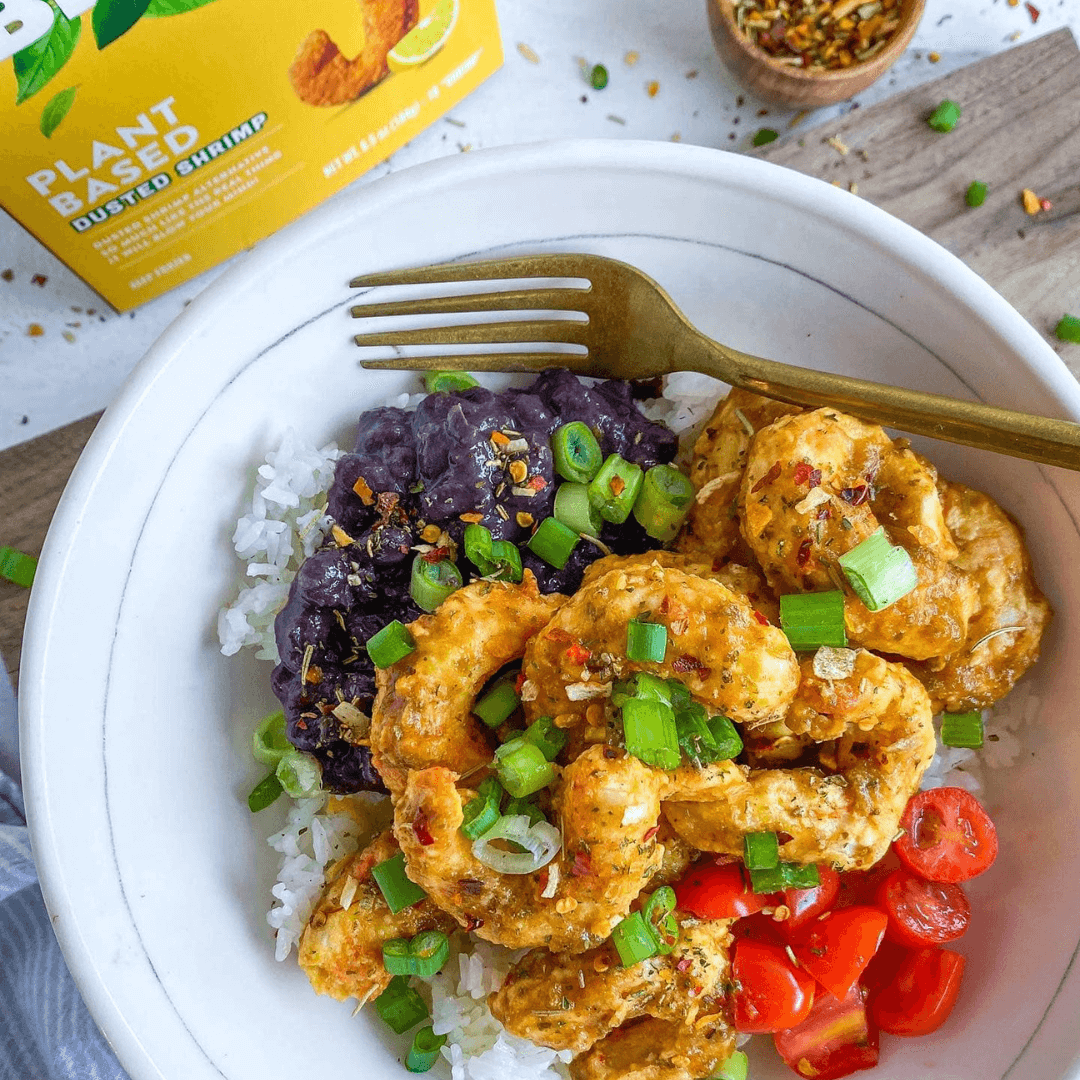
Like Good2Go Veggie, The Plant Based Seafood Co. was created by seafood industry professionals. After witnessing “unacceptable” practices, mother-and-daughter duo Shelly Van Cleave and Monica Talbert decided to move into vegan seafood, and they haven’t looked back. The brand has two shrimp options: Mind Blown Crispy Crunchy Breaded Shrimp and Mind Blown Plant-Based Dusted Shrimp.
2 Vegan Zeastar
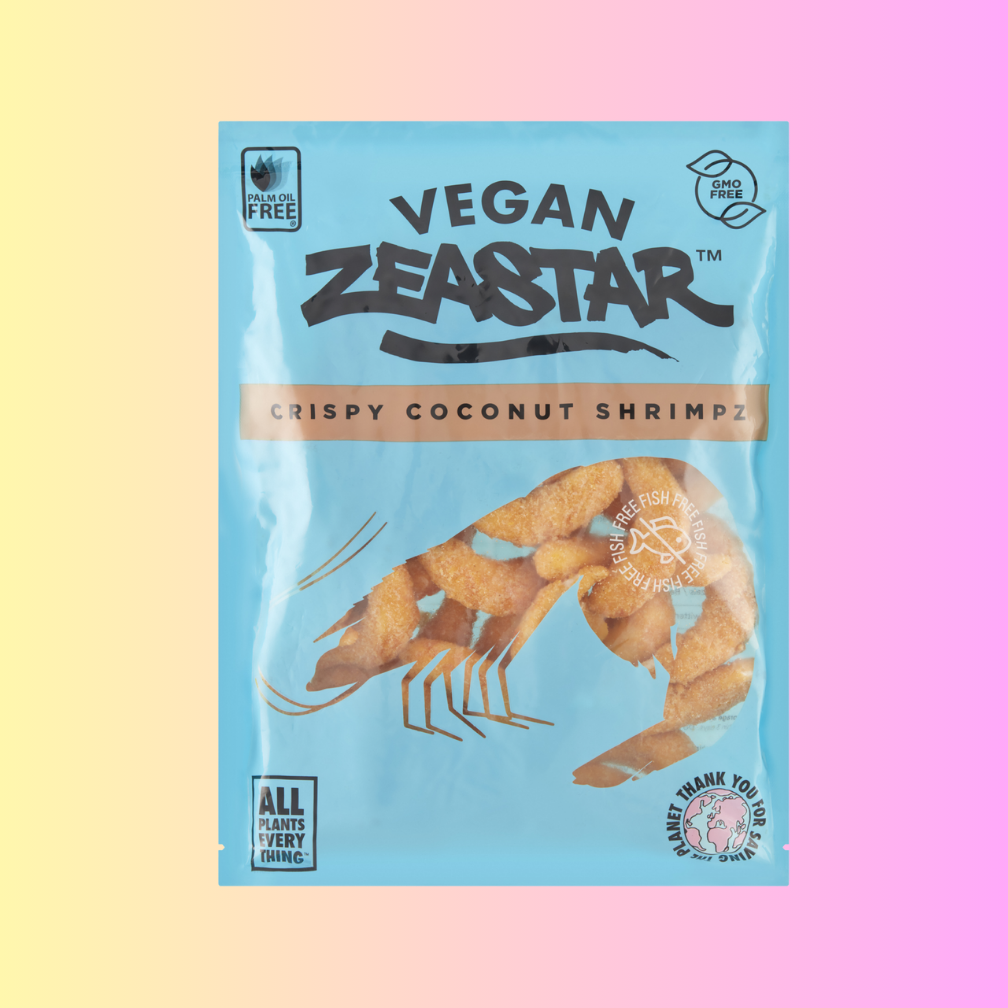
Vegan Zeastar is known for its unique, “mind-bogglingly realistic” vegan seafood range—including not one, but three varieties of vegan shrimp. There’s the tropical Crispy Coconut Shrimpz, the spicy Crispy Chili Shrimpz, and the zesty Crispy Lemon Shrimpz.
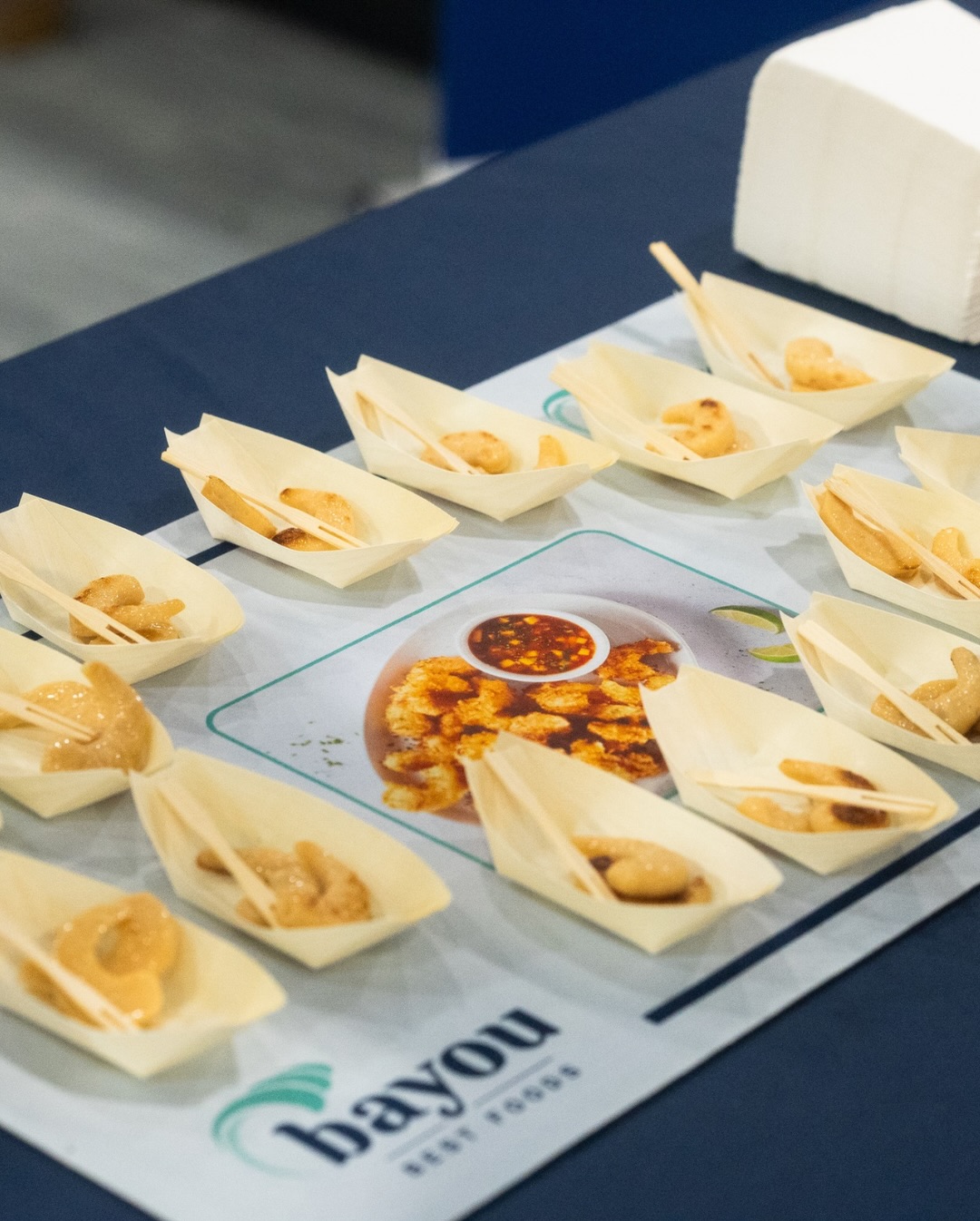 Bayou Best Foods
3Bayou Best Foods
Bayou Best Foods’ vegan shrimp is made with ingredients like pea protein and sodium alginate to ensure a superb taste and nutritional value without causing harm to the planet. The product hasn’t hit store shelves just yet, but it’s making the rounds at select restaurants and venues and is already wowing diners.
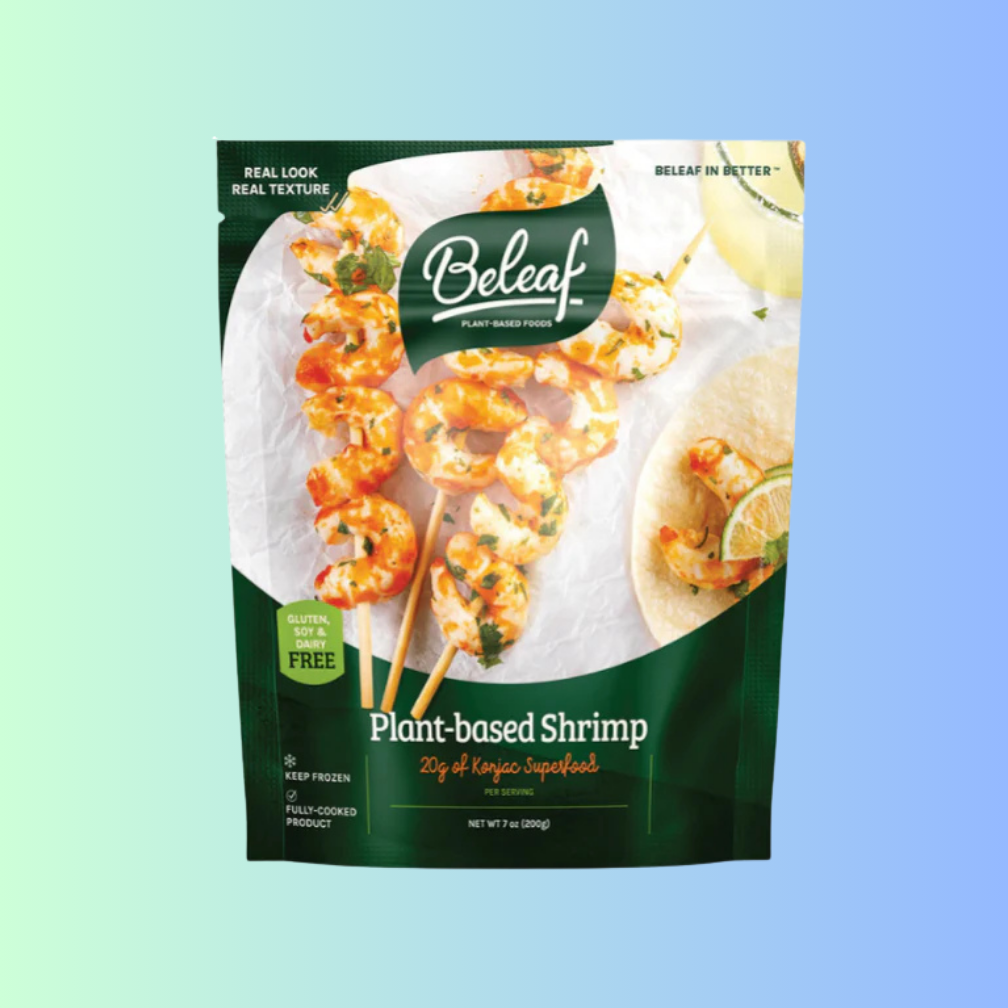
4 Beleaf
Beleaf’s Plant-Based Shrimp is tender and satisfyingly chewy, yet made with just seven ingredients, including konjac powder, cassava starch, and seaweed seasoning. It’s a particularly great option for anyone seeking a nut-free, soy-free, gluten-free alternative to vegan seafood.
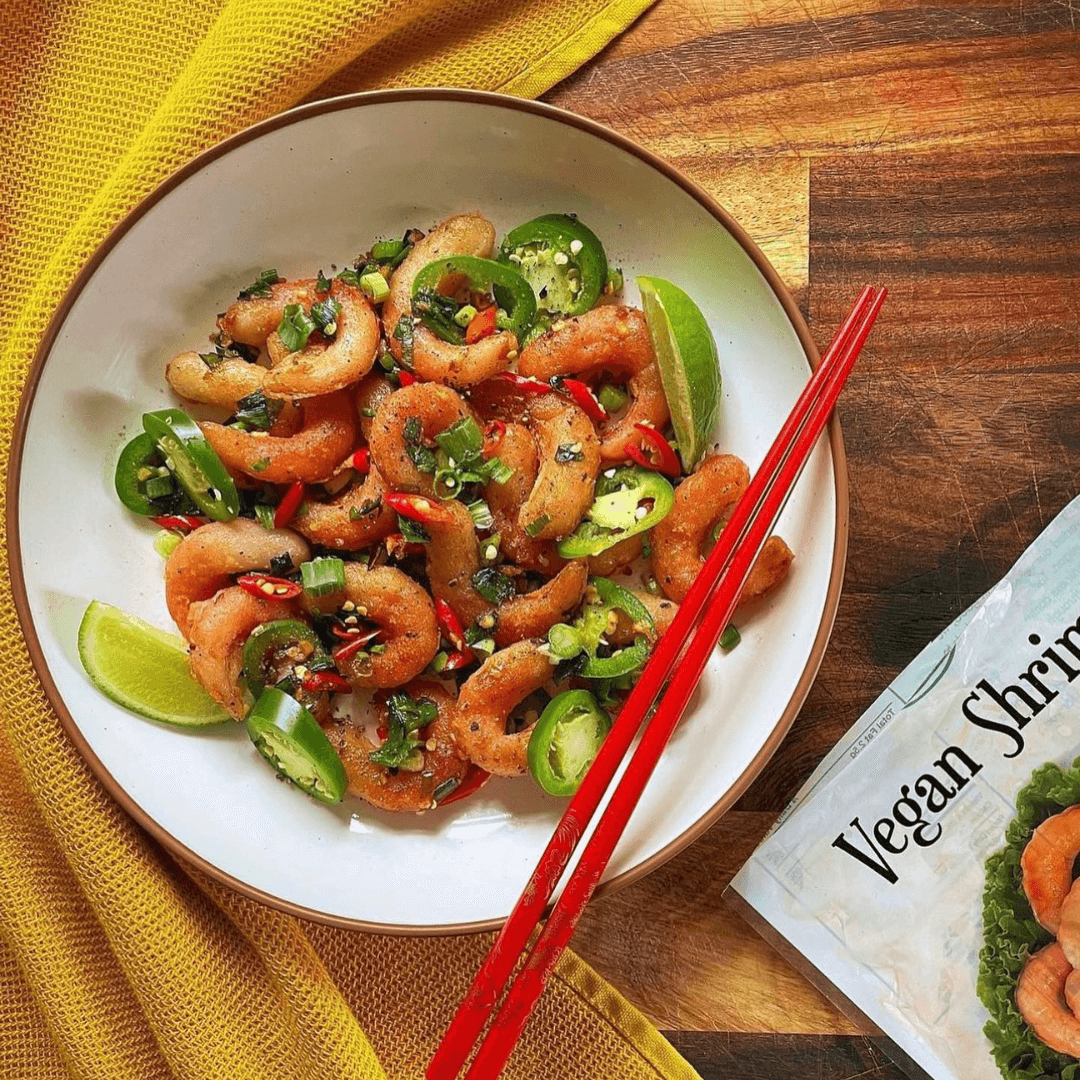 All Vegetarian Inc.
5 All Vegetarian Inc.
Founded back in 1993, All Vegetarian Inc. is a family business focused on creating the most realistic-tasting, delicious vegan meat and fish alternatives. Based in Northern California, its target market is Americans, but all of its products are manufactured in Taiwan, where mock meat was popular long before its surge in the West. Made with pea and seaweed extract, the brand’s vegan shrimp is one of its best-selling products.
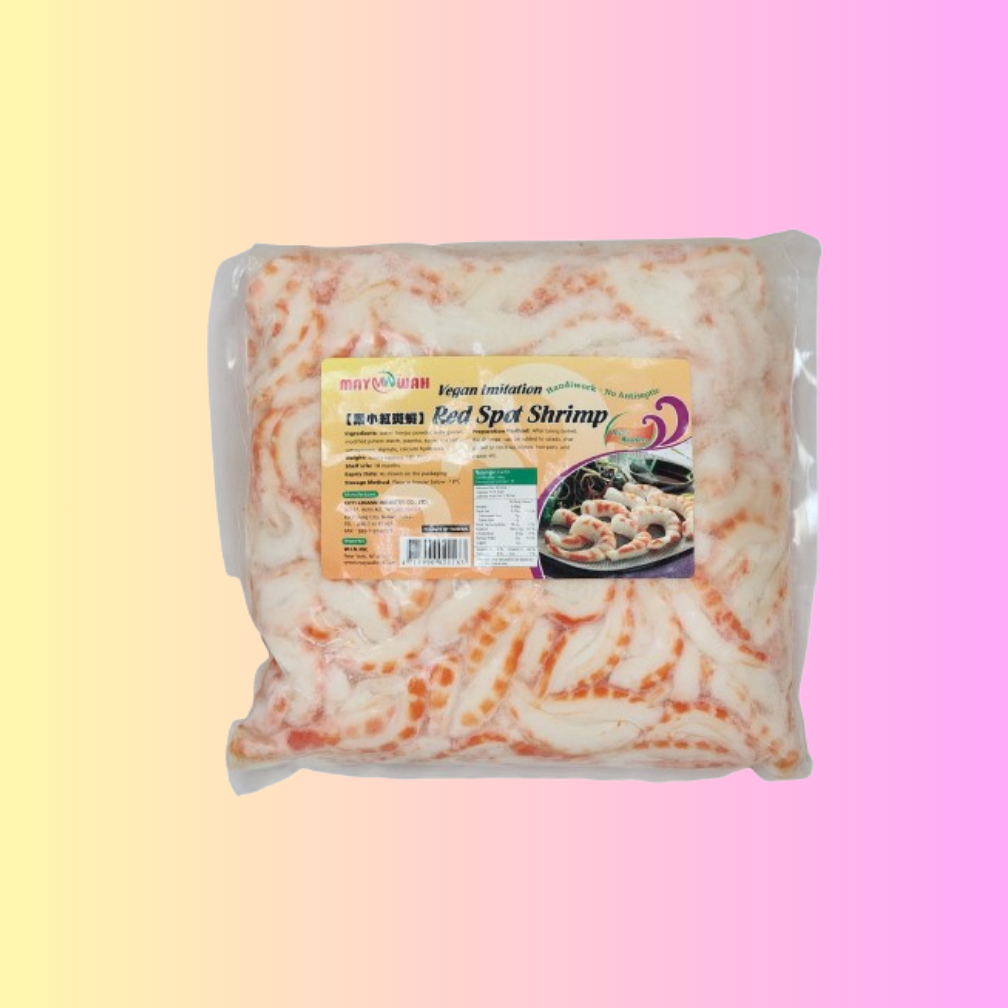
6 Lily’s Vegan Pantry
Lily’s Vegan Pantry, which used to be called May Wah Vegetarian Market, offers expertly crafted, realistic vegan meat. And that’s because the store—originally just a small local business in New York’s Chinatown—has been around for more than 25 years. It was created by Lee Mee Hg, who started her own line of vegan products after she moved to the US from Taiwan, and began to miss the wide range of mock meats available back home. The brand offers its konjac-based vegan shrimp in several different formats, including Red Spot Shrimps, Vegan Shrimp Balls, and Vegan Shrimp Rolls.
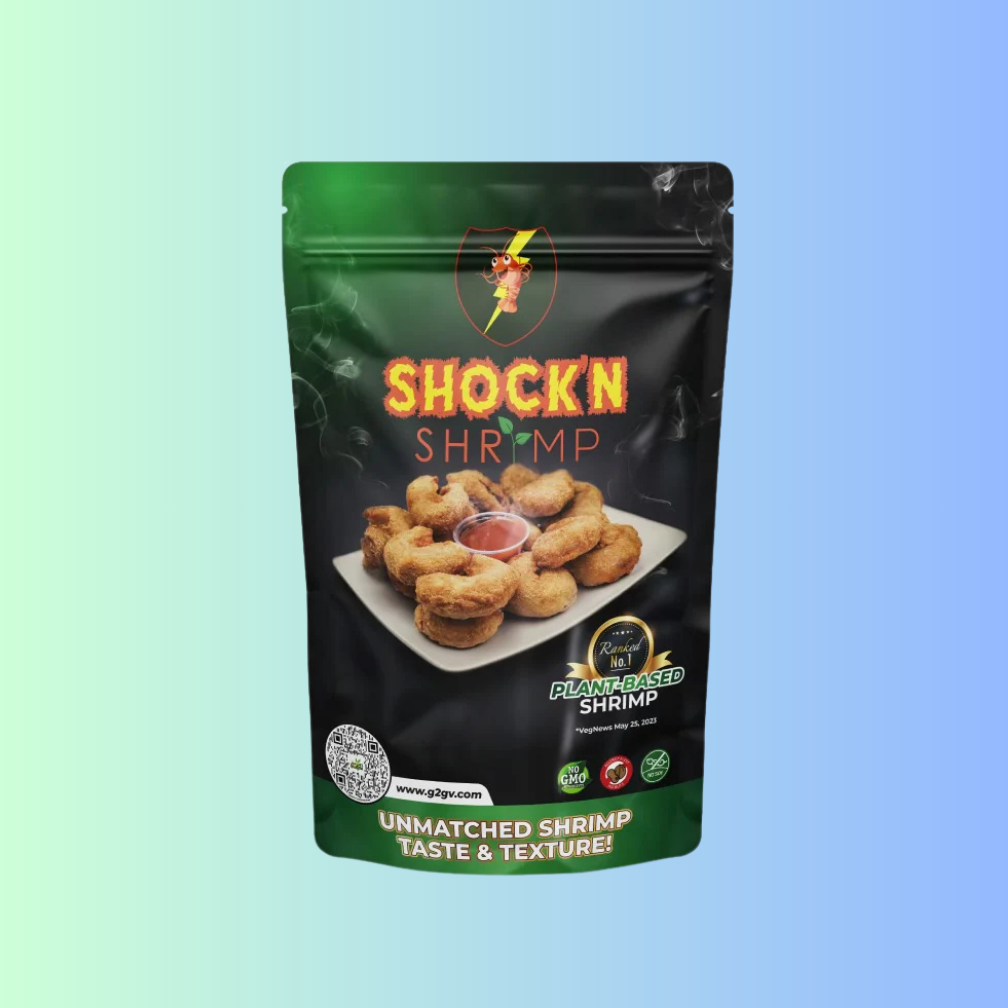
7Good 2 Go Veggie
Good 2 Go Veggie’s vegan shrimp has an unlikely origin story—one of its creators, Dwight Culbreath, also owns a seafood restaurant. He decided to get involved with the brand because his wife urged him to consider adding more plant-based options to the menu, and so, Shock’n Shrimp was born. Made with konjac powder, nori, and more plant-based ingredients, you can be satisfied that this vegan shrimp will taste like the real thing. Not least because it carries a real seafood connoisseur’s stamp of approval.
Vegan shrimp recipes
If you love to take on new challenges in the kitchen, you could skip the branded options and instead make vegan shrimp from home. Whether you’re a tofu-lover, a fan of mushrooms, or enjoy experimenting with different meat substitutes, there are multiple ways to put your own stamp on this shellfish-free treat.
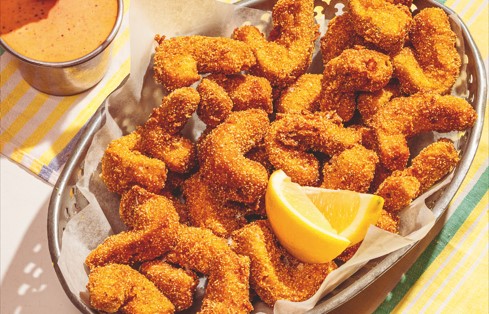 Anything You Can Cook, I Can Cook Vegan
1 Vegan shrimp with oyster mushrooms
Mushrooms, in general, are a great meat alternative. But oyster mushrooms in particular are known for their meaty texture and savory flavor, making them the ideal basis for this vegan Cajun shrimp recipe. This is a great recipe to bring out when you’re hosting friends or family, or when you’re just craving something crispy and fried.
Get the recipe
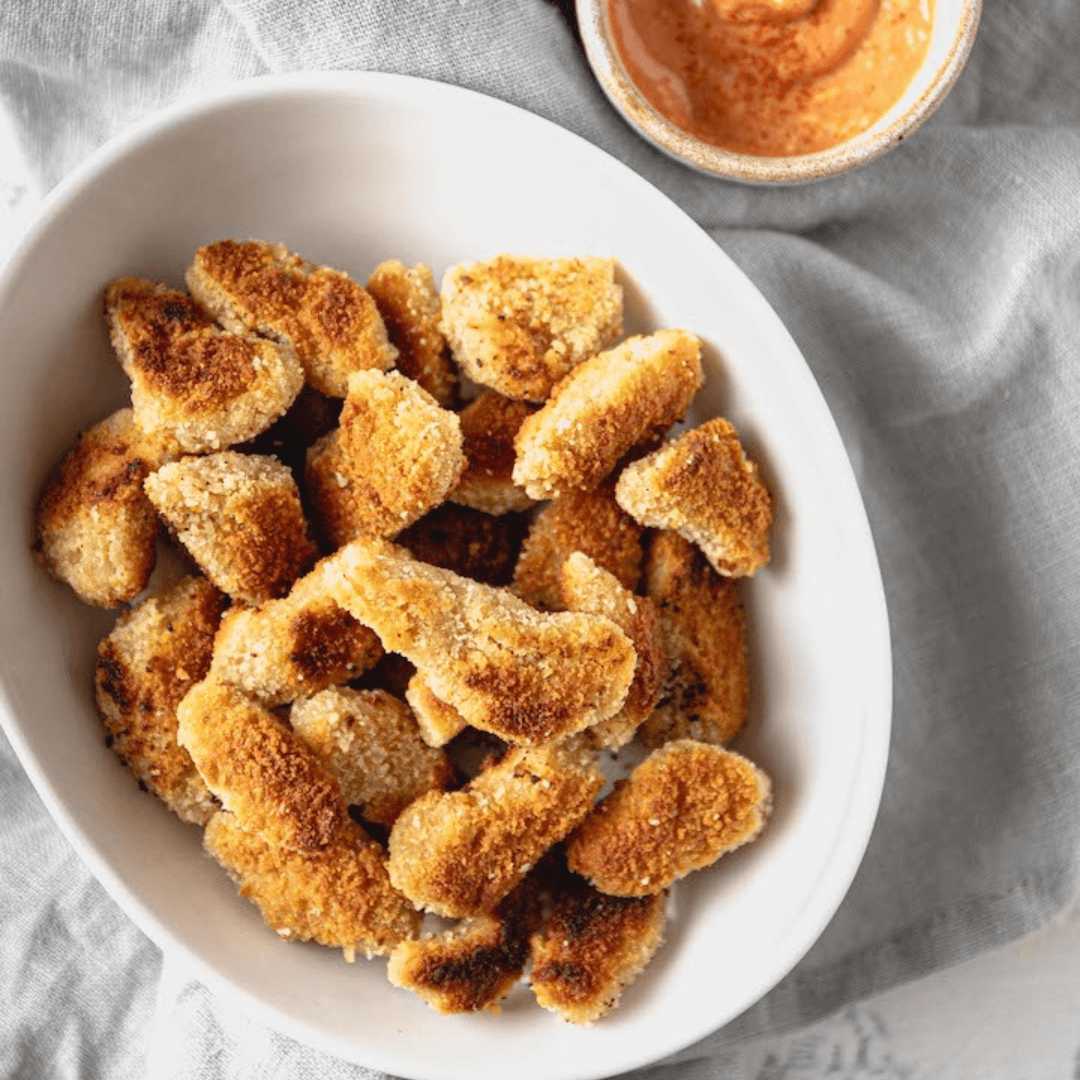 Spoonful of Kindness
2 Vegan shrimp with soy curls
Soy curls (essentially just dehydrated strips of soy protein) are cheap, versatile, and easy to cook with. While they are initially quite bland taste-wise, they are great at soaking up flavors when you marinade them, making them the ideal blank canvas for vegan shrimp. This shrimp recipe advises that you marinade the soy curls in vegetable broth, paprika, garlic powder, and salt, before breading, frying, and serving with vegan cocktail sauce.
Get the recipe
 Health My Lifestyle
3 Vegan shrimp with vital wheat gluten
Packed with protein, vital wheat gluten (the basis of seitan) offers a meaty texture to this shrimp recipe. Old Bay seasoning is added for a hint of seafood flavor, but kelp, a form of seaweed, is what really gives this vegan shrimp its fishy taste. This is a great recipe for those who prefer to use the air fryer over conventional methods.
Get the recipe
 The Edgy Veg
4 Vegan shrimp with hearts of palm
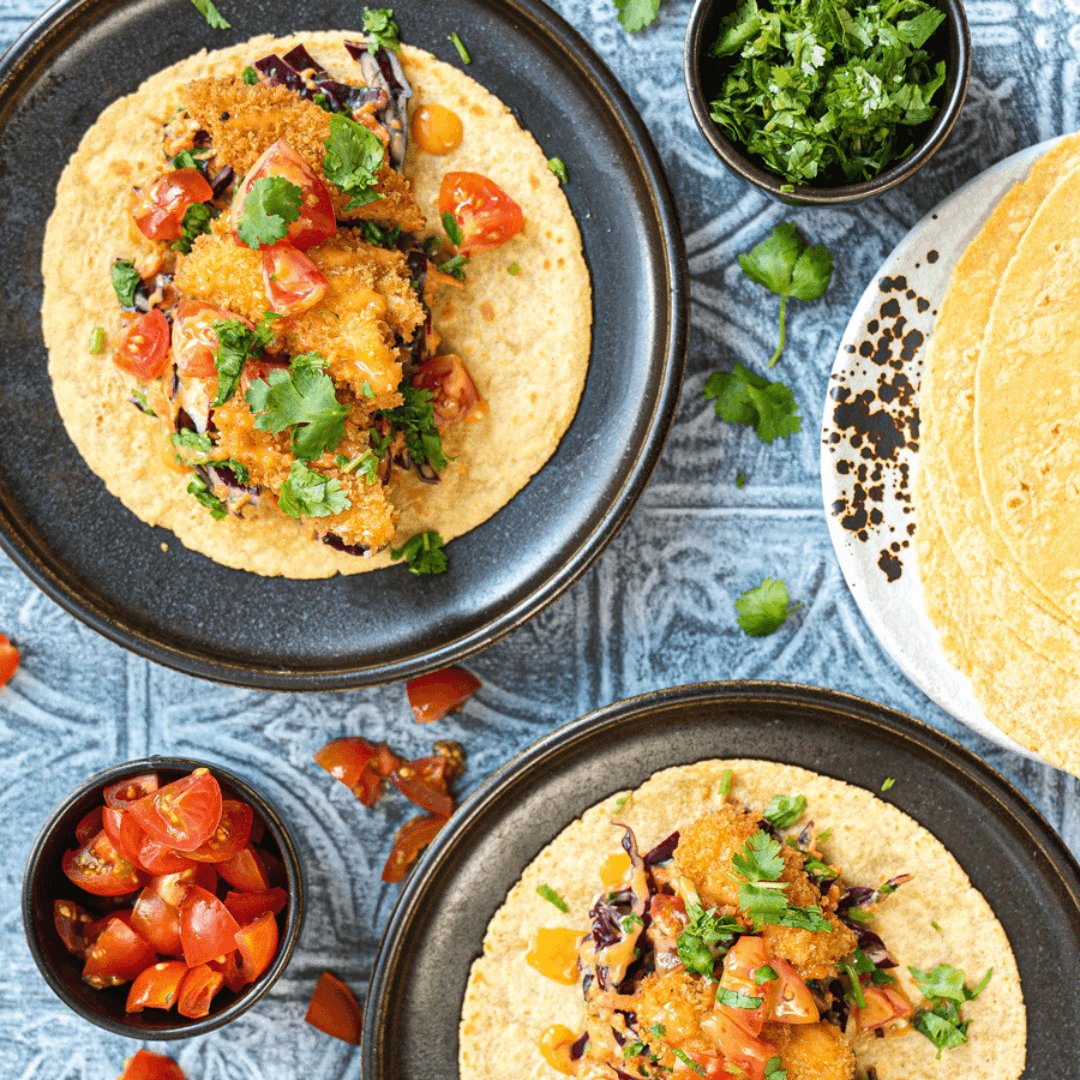
Hearts of palm (a crunchy vegetable taken from cabbage palm trees) may have a hard exterior, but the inside is meaty and fleshy, which makes it the ideal shellfish replacement. This vegan shrimp taco recipe recommends that you cover the plant-based ingredient with panko breadcrumbs, paprika, flour, garlic, and egg replacer, before air frying and serving with bang bang sauce and slaw.
Get the recipe
 86 Beats
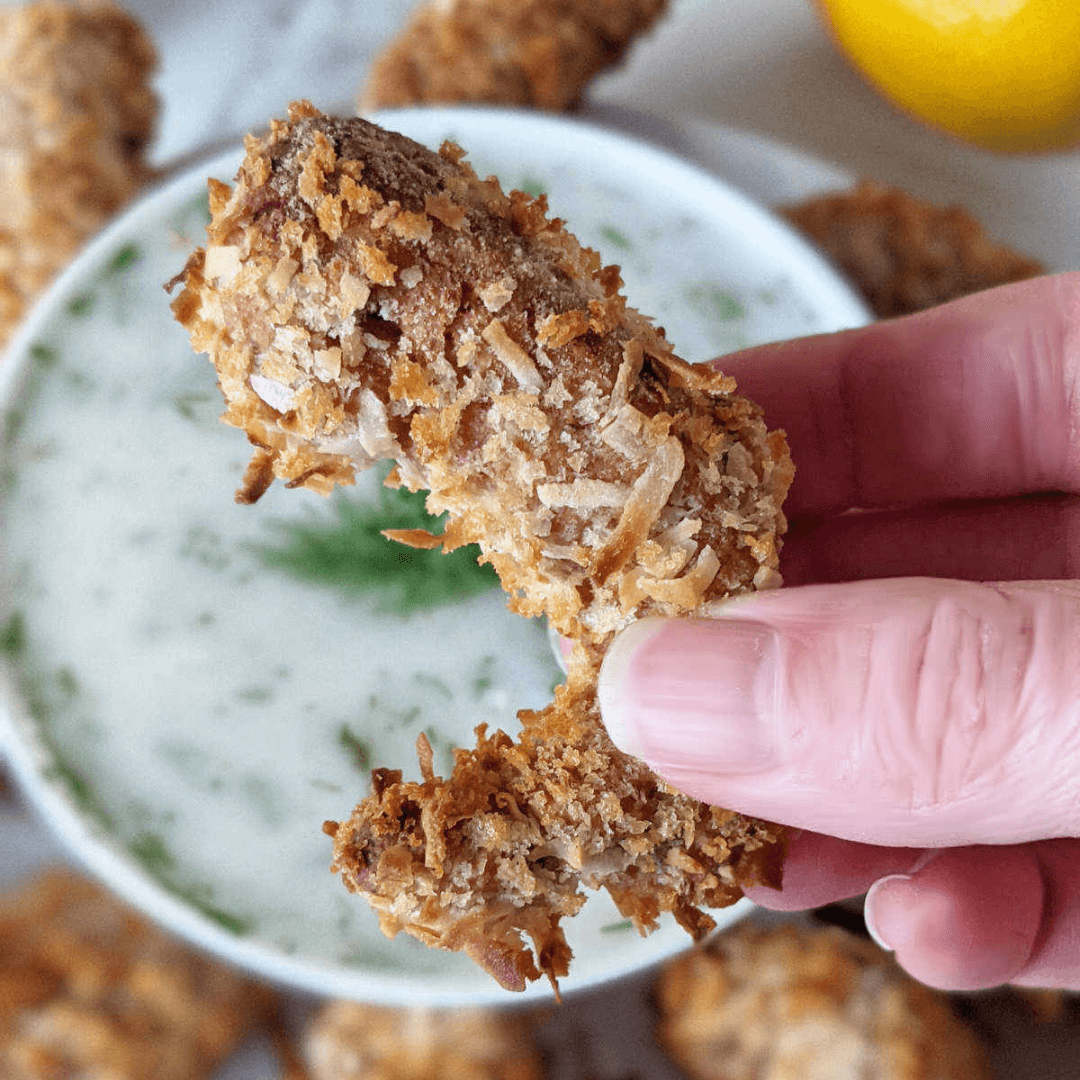
5 Vegan shrimp with tofu
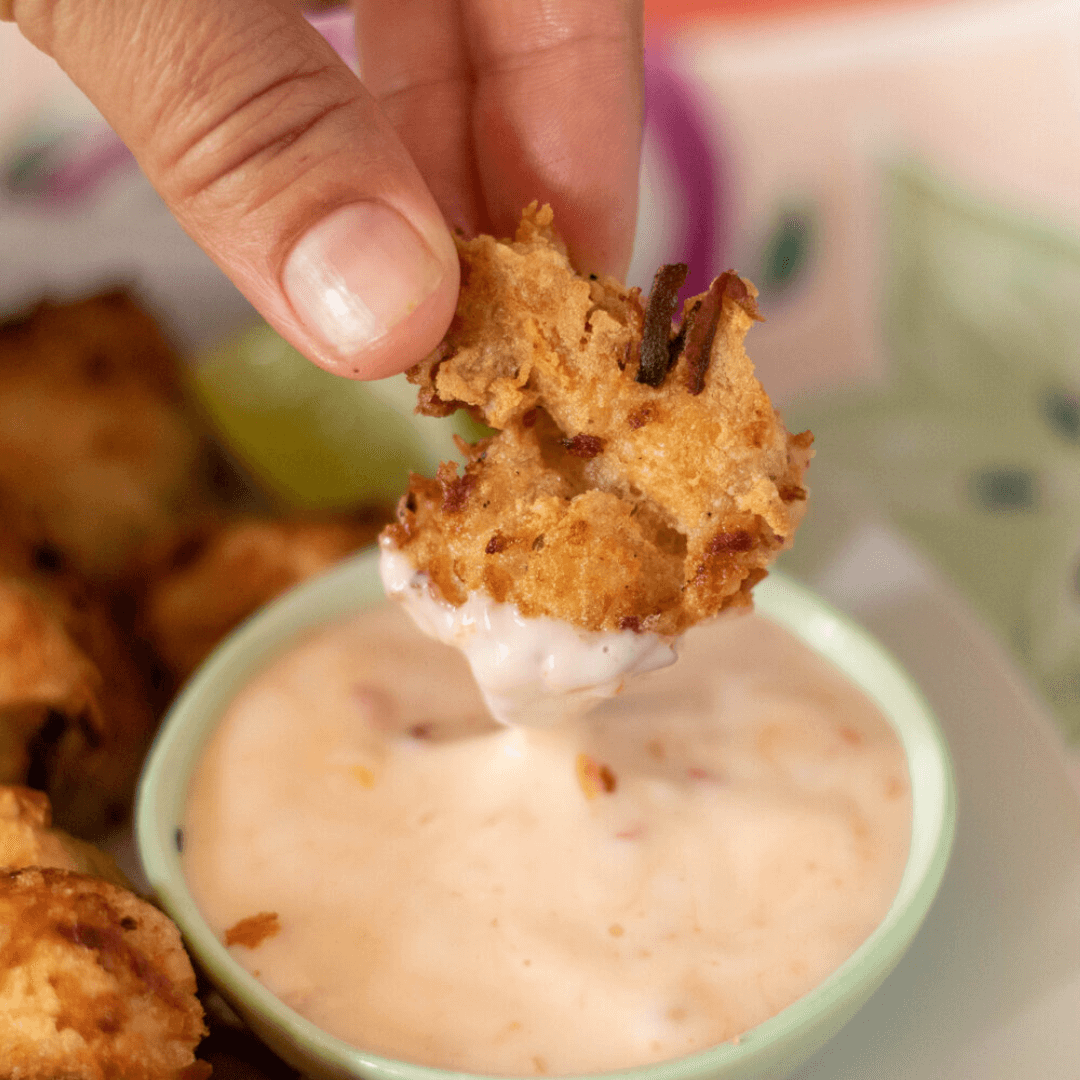
This vegan shrimp recipe features the classic, tried, and tested vegan ingredient: tofu. The tofu itself has a soft, meaty feel, similar to shellfish, while the crunchy, crispy texture associated with popcorn shrimp comes from panko breadcrumbs and shredded coconut, plus a batter made with vegan yogurt and milk. For a tasty dip on the side, serve with vegan chili lime sauce.
Get the recipe
For more plant-based stories like this, read:
JUMP TO ... Latest News | Recipes | Guides | Health | Subscribe

Charlotte is a VegNews editor and writer based in sunny Southsea on England's southern coast.