


Goldfish have a complicated history. At first, they were grey and green and bred for food. Then, thanks to naturally occurring genetic mutations, some started to look, well, pretty. Their scales showed flecks of gold and streaks of yellow and red, and in the right light, they shone. So, more than 1,000 years ago, in China, where goldfish are native, people started to take a strong liking to them. They were domesticated, admired, and selectively bred.
Today, of course, goldfish are among the world’s most popular pets. More than 11 million households in the US own freshwater fish, with goldfish among the most recognizable and widely kept species. They are also a regular feature in the decorative tanks of Chinese and sushi restaurants. This is likely because fish symbolize wealth, abundance, and good fortune in several East Asian cultures.
However, a new ruling in Argentina has brought the ethics of keeping goldfish in restaurant tanks into question.
 Pexels
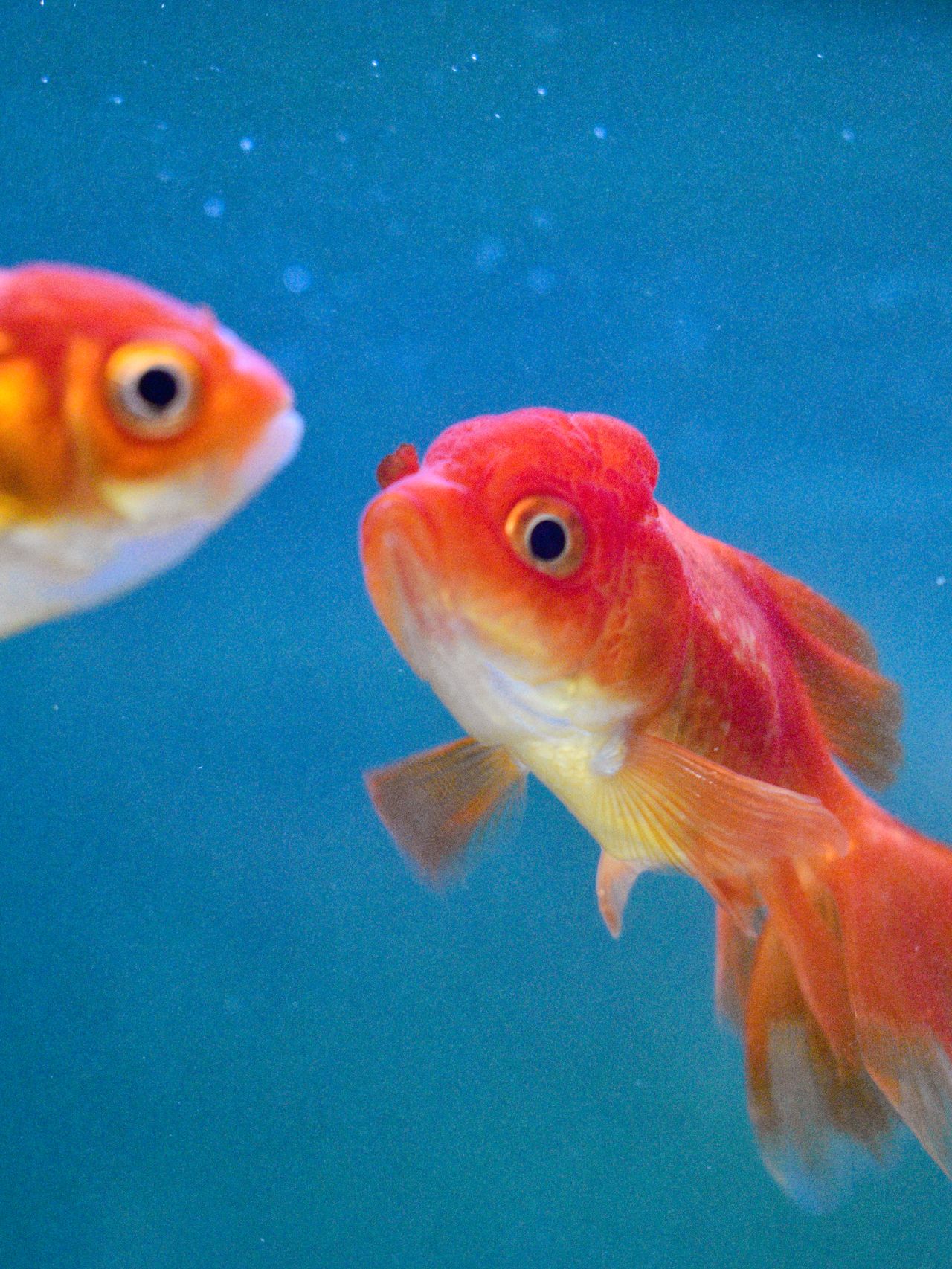
After spotting two goldfish, named Fede and Magui, in a glass display case in a sushi restaurant in Buenos Aires, animal-rights nonprofit and sanctuary Jaulas Vacías (Empty Cages) decided to act. Matías Trufero, the organization’s lawyer, filed a complaint with the courts, highlighting that Fede and Magui were being kept in a glass case facing the sun and subjected to high levels of street noise.
Jaulas Vacías won. Fede and Magui were moved out of the restaurant and into a more suitable 2,500-liter fish tank in the home of an aquatic specialist. But here’s the kicker: They were also legally recognized as sentient beings.
“The importance of declaring these animals subjects of law lies in the fact that they cease to be considered a thing, an object,” Trufero told CNN. José Aga, the specialist who adopted the fish, added: “A subject with a legal right can do little or nothing for themselves unless there are people who speak on behalf of those who cannot speak and enforce the law.”
The bigger question about fish sentience
Similar cases have granted chimpanzees and dogs comparable legal status in Argentina, but the goldfish ruling is particularly significant.
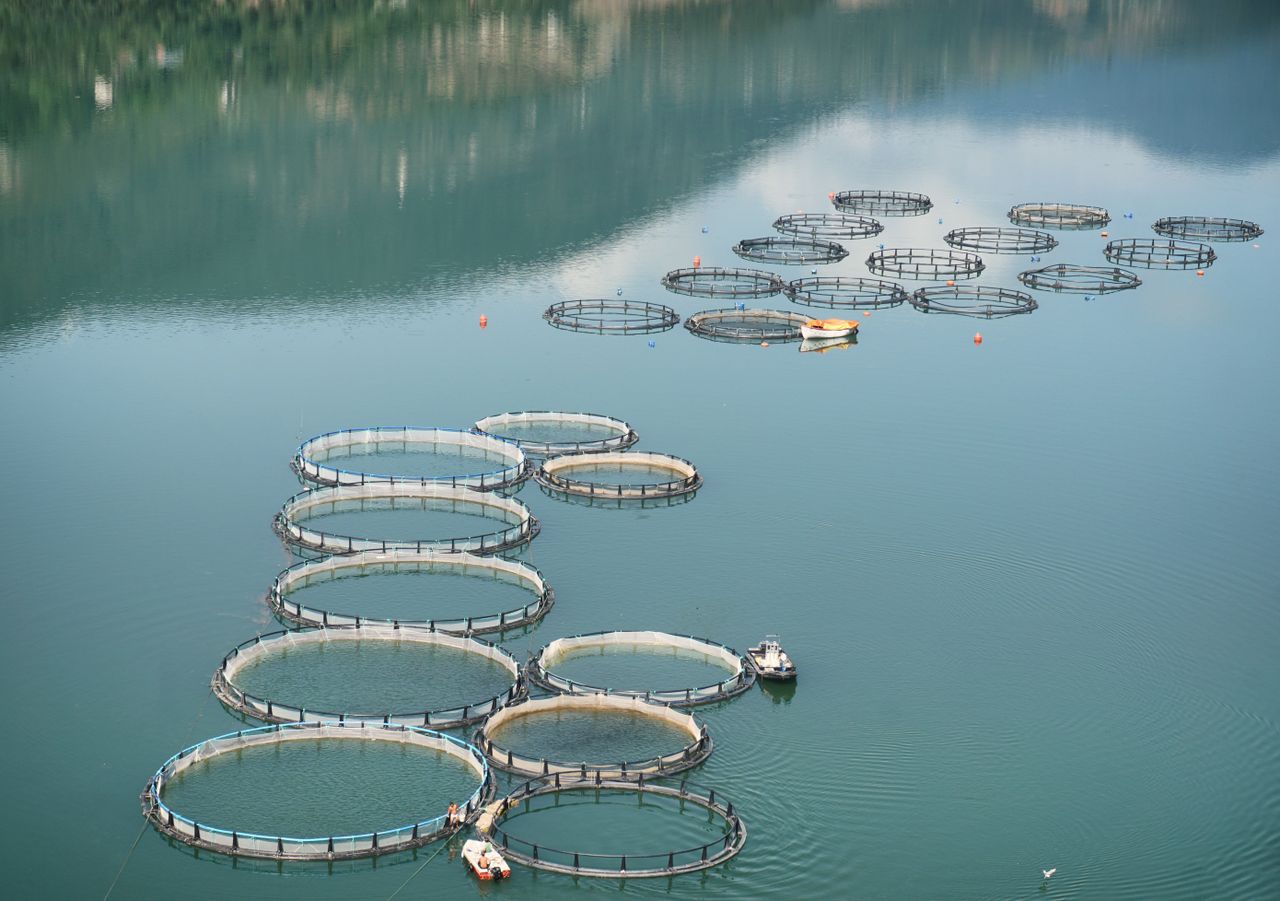
After all, billions of fish are farmed and caught for food around the world. And, of course, the very sushi restaurant where Fede and Magui lived relies on this very industry.
Now, animal-rights activists are pointing to the ruling to bolster their case against eating fish. At the end of July, PETA placed a billboard in Times Square that read: “Argentina Court Rules Fish Have Rights! Don’t Eat ‘Em.”
 Pexels
Some countries have already taken steps toward legally recognizing fish sentience. In New Zealand, for example, fish are covered by the Animal Welfare Act 1999, which recognizes animals as sentient. In the UK, fish are recognized as sentient under the Animal Welfare (Sentience) Act 2022. Several other countries also have laws recognizing animals as sentient or sensitive beings that encompass fish.
Still, legal recognition of sentience does not necessarily translate into comprehensive welfare protections for wild-caught and farmed fish. In the US, for example, the Humane Methods of Slaughter Act does not cover fish or poultry.
But the plight of Fede and Magui offers some animal advocates hope.
“Argentina’s landmark ruling reflects what compassion and science have pointed to all along: Fish are someone, not something,” states PETA. “The best way to respect their lives is simple—leave them off your plate.”
For more plant-based stories like this, read:
JUMP TO ... Latest News | Recipes | Guides | Health | Subscribe

Charlotte is a VegNews editor and writer based in sunny Southsea on England's southern coast.