


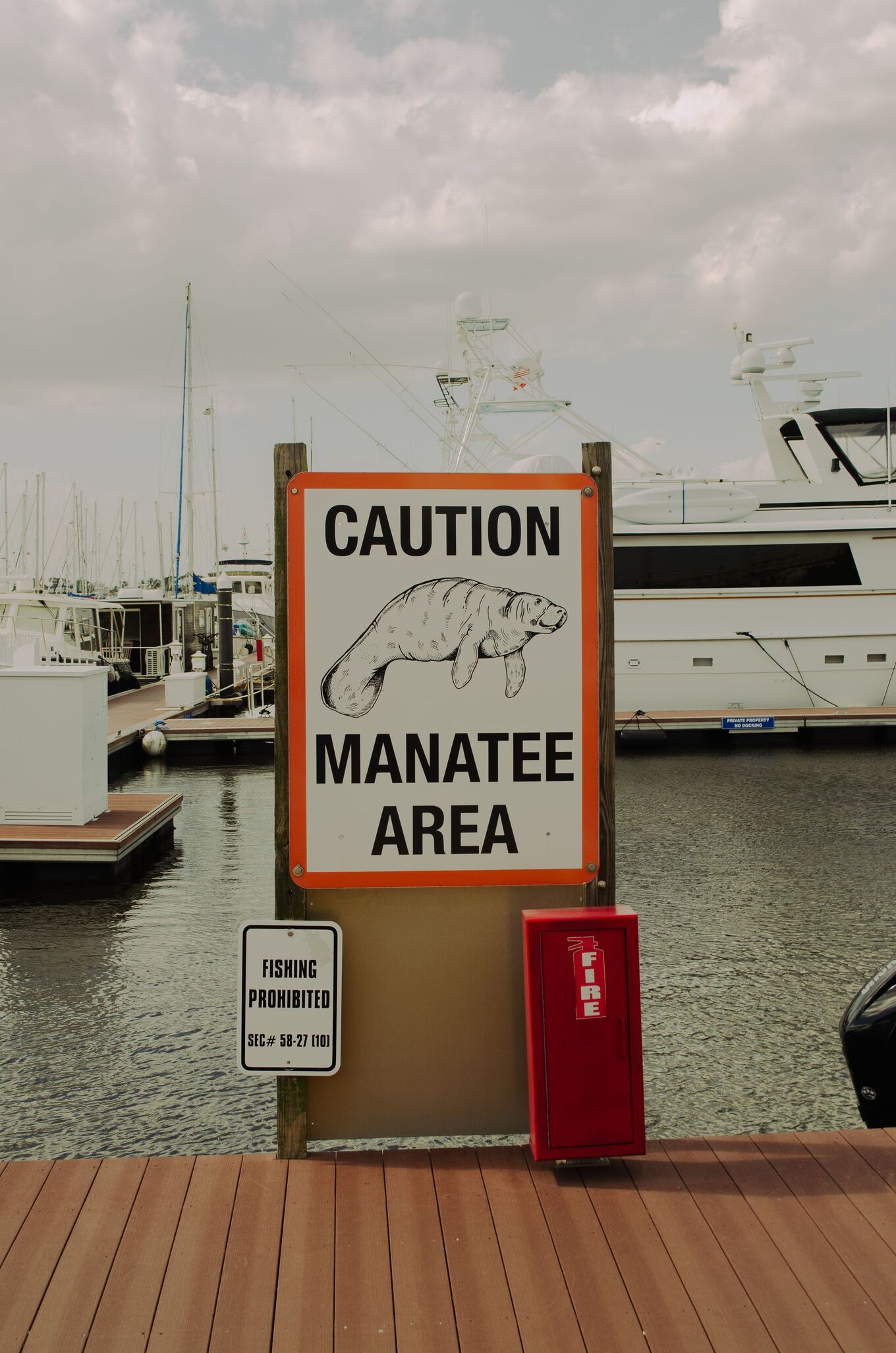
It might seem hard to believe now, but there was a time when the water in Florida was pretty chilly. It was all thanks to the Little Ice Age, which lasted from the 1300s until the middle of the 19th century. When this period of regional cooling came to an end, the water started heating up, and it attracted new, year-round residents, like manatees. Before this, the gentle giants had simply visited Florida from the Caribbean, before heading back to the warmer parts of the ocean. But when the climate started warming, they stuck around, and they never left.
Today, manatees are a beloved symbol of Florida. Every year, tourists head to the Sunshine State to spot them in areas like Fort Myers and the Crystal River National Wildlife Refuge. In fact, research suggests that around 300,000 people head to Crystal River every year to spot sea cows up close, in their natural habitat.
But things could soon change. Manatees, like many vulnerable animals across the US, are classified as threatened. They face dangers like collisions with boats, the loss of essential food sources like seagrass, and, now, changes in the law.
 Pexels
Trump rolls back Endangered Species Act protections
In July, the Trump administration repealed a key protection under the Endangered Species Act by narrowing the longstanding definition of what it means to “harm” a protected species. For decades, that definition has included significant habitat destruction that indirectly threatens wildlife, helping to protect essential habitats from activities like development, mining, and logging. The new rule eliminates that interpretation, potentially opening more habitat to destructive activities.
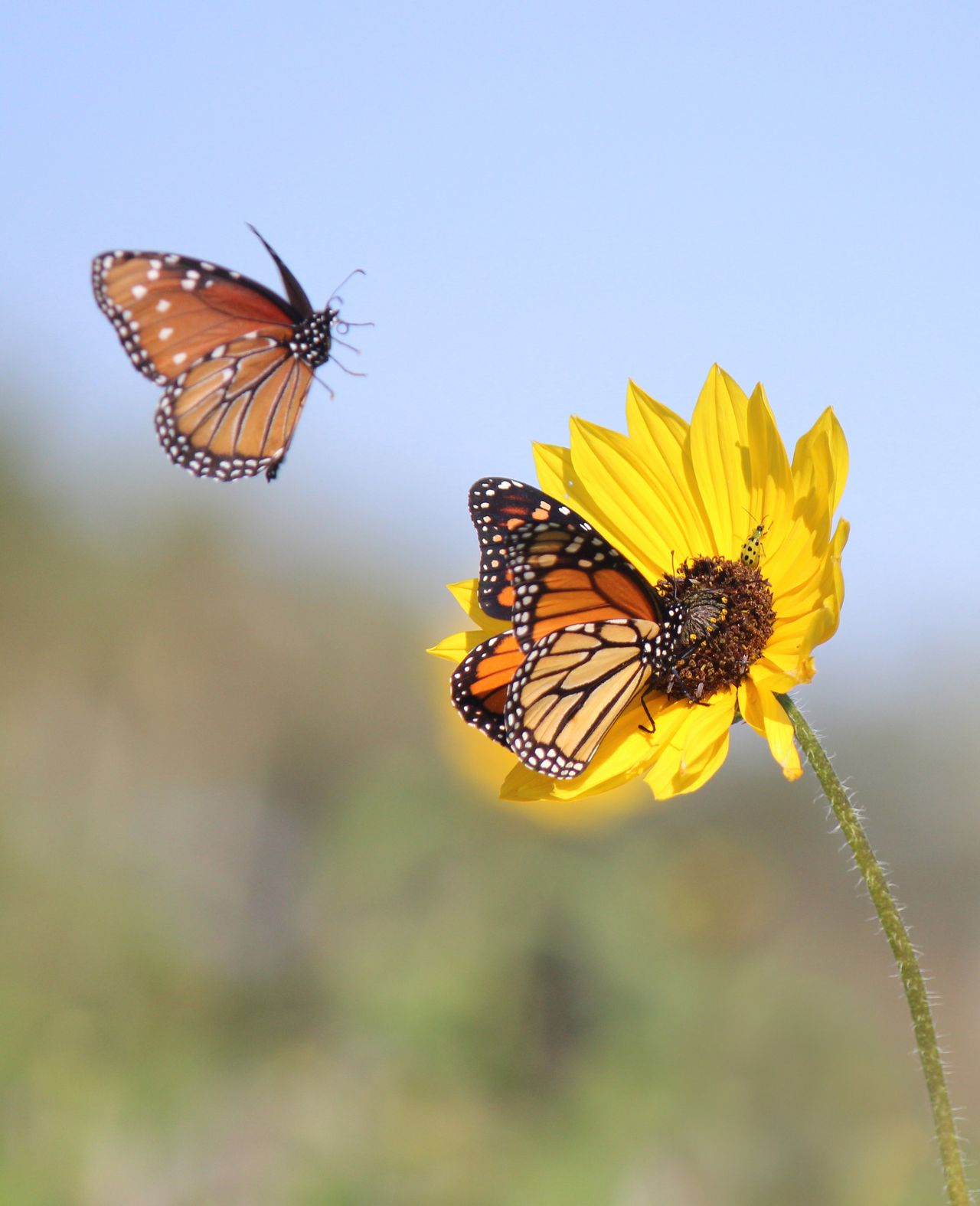
When the plan was initially announced, Stephanie Kurose, deputy director of government affairs at the Center for Biological Diversity, told the Guardian that such an action would be a “death sentence” not just for Florida manatees, but also for many other animals, including wolverines and monarch butterflies, as well as vulnerable plant species.
And the changes didn’t end there. The administration also announced a rule removing automatic, blanket protections for newly listed threatened animal and plant species from killing, trapping, and other forms of prohibited “take.” According to nonprofit Defenders of Wildlife, this could also impact the Florida manatee, as well as species like pygmy rabbits and rare New Mexico plants like Aztec gilias and Clover’s cactus.
The administration has also changed the process used to decide whether certain areas should be excluded from critical habitat. Under the Endangered Species Act, the government already considers economic impacts, national security, and other relevant factors when making these decisions. The new rule gives officials broad discretion when weighing the benefits of excluding an area against the benefits of protecting it as critical habitat—a change conservation groups fear could give economic interests greater influence over which areas are ultimately protected.
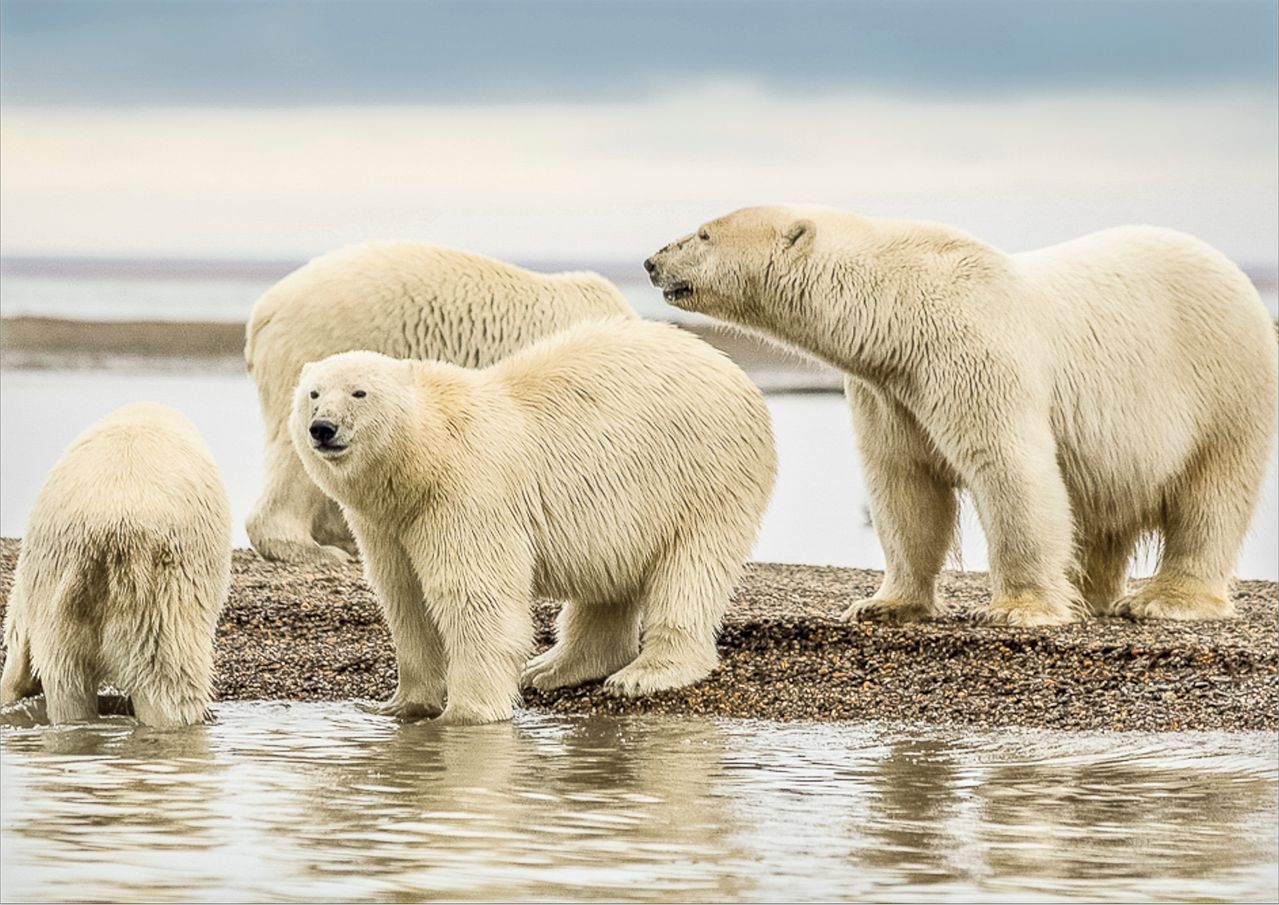
Defenders of Wildlife notes that this particular rule could impact species like green sea turtles and polar bears, for example, because some of the habitats they depend on overlap with economically valuable areas. The organization says monarch butterflies, Texas hornshells, and the ʻiʻiwi, a Hawaiian forest bird, could also be affected.
 Pexels
Taking to Truth Social to discuss the rollbacks of environmental protections, President Donald Trump wrote: “For far too long, Radical Climate Activists attempted to hold our Great Country hostage by drastically and unreasonably expanding the intended scope of the Endangered Species Act.”
He added: “This was complete and total regulatory overreach by unelected bureaucrats! They treated Americans very unfairly by stifling the production of important resources like Oil, Natural Gas, and Timber, and blocking the construction of family homes and critical Infrastructure,” before stating: “Now my Administration has returned the Endangered Species Act to how it was intended to be.”
Fierce backlash and lawsuits
The changes drew fierce criticism from Democratic lawmakers, conservation groups, and some members of the public. On X, Senator Alex Padilla called them “absolutely disgusting,” while others have urged people to sign an Environmental Action petition asking Congress to support safeguarding the Endangered Species Act. “Habitat loss is one of the main reasons animals become endangered,” wrote one X user. “That’s why habitat protection is a central part of the Endangered Species Act.”
 Pexels
On Reddit, one user called the reform of the act “insidious.” They added: “I want to moderate my language here, but your morals have to be uniquely absent to go through with something like this while knowing what science knows.” Another user said: “You can’t really chalk this up to anything with good intent or sound moral reasoning. This is just wrong and leaves a sick feeling in the stomach.”
Conservation groups are fighting back. In fact, Earthjustice has filed notices of intent to sue the Trump administration on behalf of several organizations, including Sierra Club, National Parks Conservation Association, Conservation Council of Hawai‘i, WildEarth Guardians, Humane World for Animals, Defenders of Wildlife, and the Center for Biological Diversity.
“Over the past few weeks, the Trump administration has launched a barrage against endangered species across the country,” said Earthjustice senior attorney Elizabeth Forsyth in a statement.
“These latest attacks, which strip threatened species of protections and prioritize industry interests over science, will further risk sending our imperiled plants and animals toward extinction,” she added. “These attacks on the Endangered Species Act are foolhardy and illegal, and the Trump administration will be hearing from us in court.”
For more plant-based stories like this, read:
JUMP TO ... Latest News | Recipes | Guides | Health | Subscribe

Charlotte is a VegNews editor and writer based in sunny Southsea on England's southern coast.