


It’s been nearly a century since Alexander Fleming revolutionized modern medicine with his discovery of penicillin. Since then, antibiotics have saved millions of lives around the world. In fact, research suggests Fleming’s breakthrough may have helped add around 23 years to the average human lifespan.
But this incredible progress is now under threat. Antibiotic resistance (when bacteria evolve to become immune to certain drugs) is pushing back against modern medicine. Today, around one million people die each year as a result of antibiotic-resistant infections. Without intervention, a 2024 report warned that more than 39 million people could die by 2050 due to antibiotic resistance. The World Health organization has even called antibiotic resistance, and more broadly antimicrobial resistance, “the next pandemic.”
 Pexels
It’s a bleak picture, but progress is being made. Scientists are beginning to better understand where antibiotic resistance comes from. Overprescription is a major factor, as is the widespread use of antibiotics in industrial animal agriculture.
And then there’s plumbing. Yes, the pipes. Specifically, the systems that carry waste from people taking antibiotics into the surrounding water supply.
Research has found antibiotic-resistant bacteria in natural waterways near hospitals, where large numbers of patients are taking medications. Waste from pharmaceutical manufacturers, healthcare facilities, and even household wastewater also allows antibiotics to enter rivers and streams, helping to create environments where resistant bacteria can thrive.
 Pexels
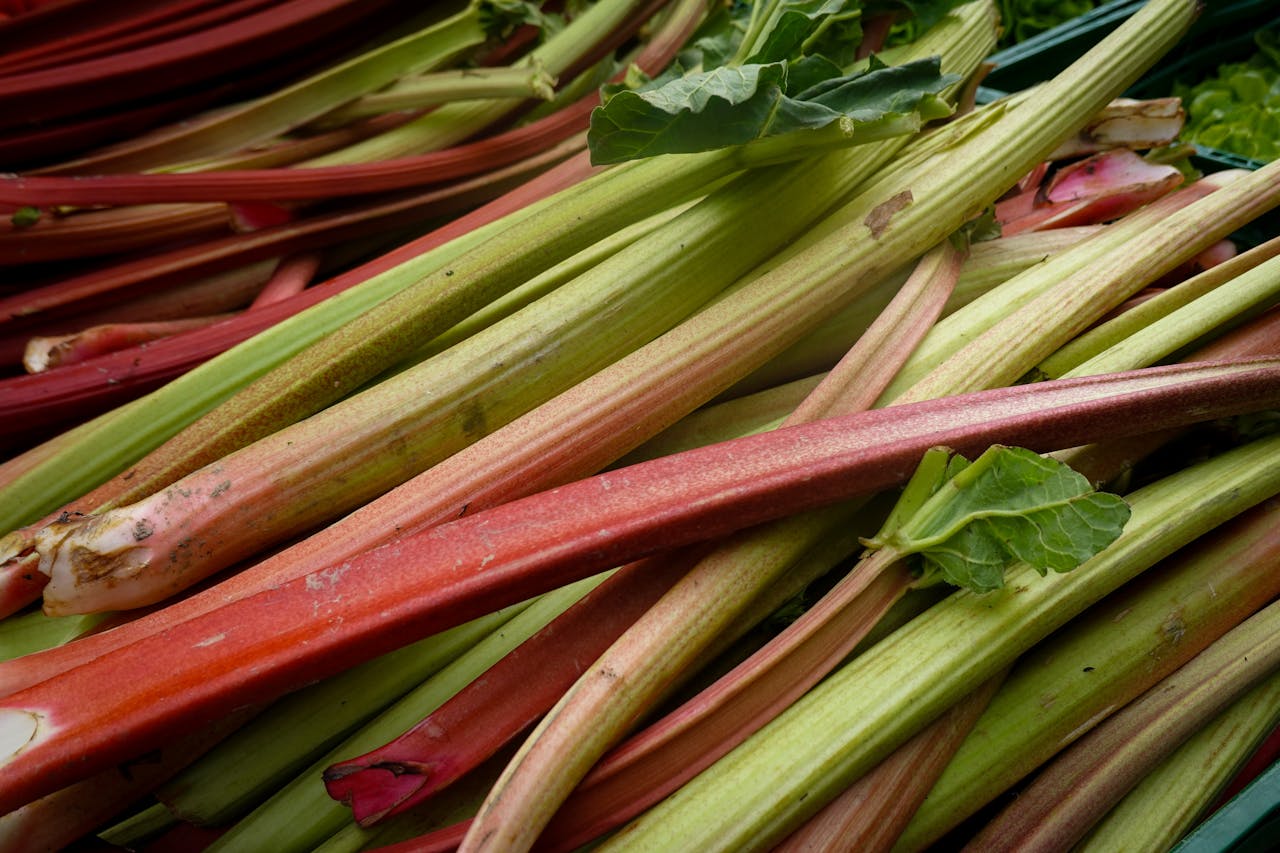
So, how do we tackle the problem? According to a 2025 study published in Frontiers in Microbiology, the answer might be closer to home than expected. It could lie in two familiar household ingredients: rhubarb and turmeric.
Why household ingredients could help tackle antibiotic resistance
Last year, researchers collected wastewater samples, isolated antibiotic-resistant bacteria, and screened them against 11 different plant compounds. They found that curcumin from turmeric and emodin from rhubarb seemed to be the most effective at stopping the growth of drug-resistant bacteria.
“These compounds were chosen based on their reported antimicrobial or anti-biofilm properties in previous studies and their natural abundance, making them promising candidates for exploring new, environmentally friendly approaches to mitigate resistance,” explained lead author Liyuan (Joanna) Hou, PhD, an environmental microbiologist at Utah State University.
Further research is needed to determine whether these compounds could help treat antibiotic resistance in humans or be effective in real-world wastewater systems beyond laboratory conditions, but the findings represent a promising start.
“Future work should include testing these compounds in complex wastewater matrices, exploring synergistic effects with existing treatment processes, and assessing long-term impacts on microbial communities and resistance dynamics,” said Hou. “Additionally, scaling up from laboratory studies to pilot-scale trials will be critical for evaluating feasibility and environmental safety.”
In the meantime, there are plenty of other reasons to add more turmeric and rhubarb to your diet. Turmeric is rich in antioxidants and is known to have ant-inflammatory properties, while rhubarb is a good source of fiber. Find out more in our guide to cooking with turmeric here, and our rhubarb recipe roundup here.
For more plant-based stories like this, read:
JUMP TO ... Latest News | Recipes | Guides | Health | Subscribe

Charlotte is a VegNews editor and writer based in sunny Southsea on England's southern coast.