


Humans have made some pretty important discoveries through archaeology. Over the years, we’ve found cities preserved in volcanic ash, graves of kings, prehistoric paintings … and beans. The latter might seem slightly less impressive, but it can still teach us about our past.
Thanks to a discovery in northern Israel in 2015, we know we’ve been eating fava beans for at least 10,000 years, since the New Stone Age. In fact, before the late 1400s, fava beans were likely one of the only beans consumed by humans in Europe for centuries.
But fava beans are far from out of date—what was good enough for our ancestors is still good enough for us today. Fava beans are nutritious, versatile, and easy to cook with. Here’s everything you need to know about one of the world’s oldest domesticated pulses, including nutrition and their role in food tech.
What are fava beans?
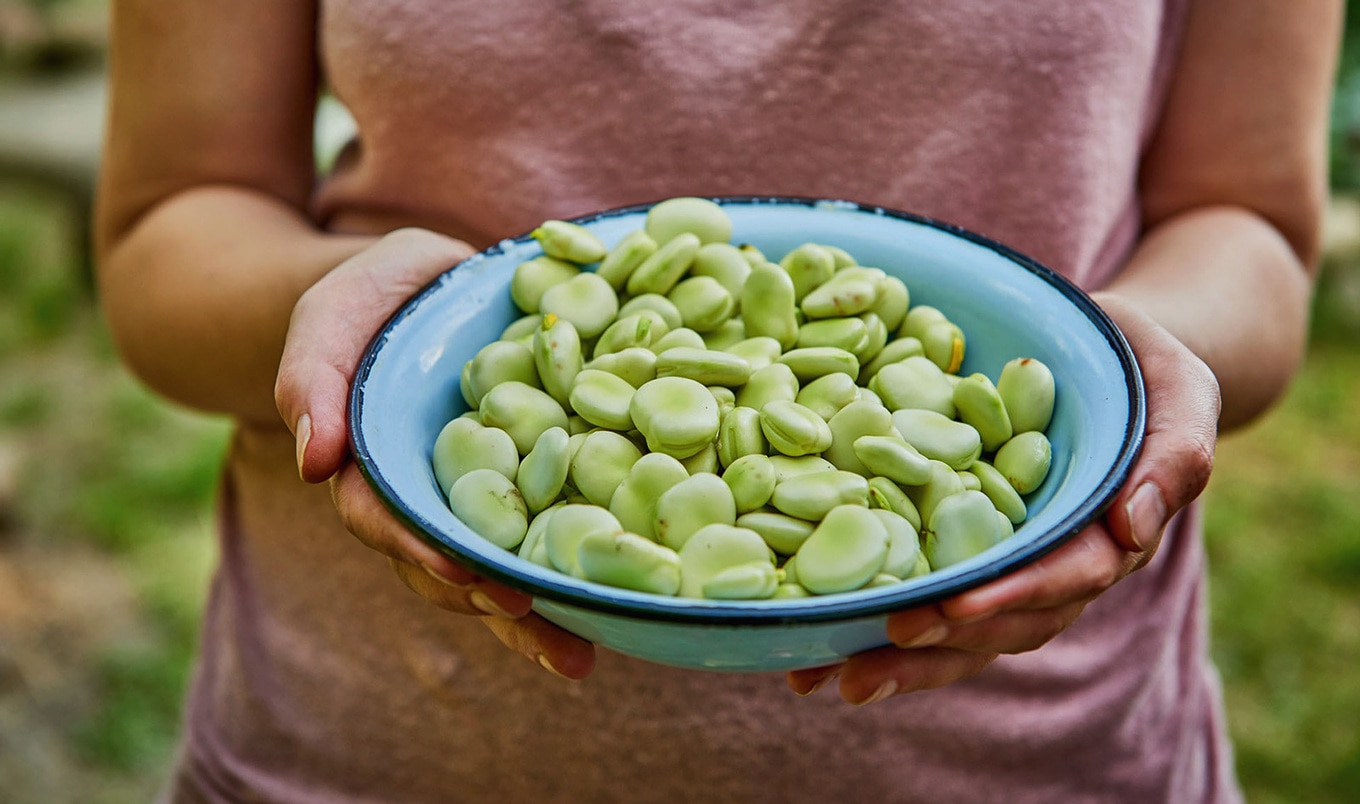
Fava beans are green legumes that grow in pods on Vicia fabas plants. They’re often referred to as broad beans, but while they are the same species, the two are slightly different. Fava beans are smaller and harvested when they are fully mature and dried. Broad beans, however, are bigger and often harvested when they are fresh.
 Adobe
Adobe
While they are consumed all over the world, fava beans are particularly popular in Mediterranean and Middle Eastern countries. For example, one of Egypt’s traditional dishes, ful mudammas, refers to stewed fava beans served with herbs and spices in a metal jug.
Fava beans nutrition
Unless you suffer from favism (a genetic allergy), fava beans are an incredibly healthy addition to your diet. They’re rich in protein (one 100-gram serving contains around 13 grams of protein), plus they’re a good source of fiber, as well as nutrients like copper, folate, manganese, iron, and potassium. They also contain compounds that may help increase antioxidant activity in the body.
Fava bean uses
Fava beans can be used in many different ways. They can form the basis of dips, stews, soups, and even falafel. While Moroccan recipes often call for chickpeas to make the popular North African and Middle Eastern snack, in Egypt, fava beans are the star of the show.
But their potential doesn’t end there. Here, we’ve gathered a few of our favorite recipes that demonstrate just how versatile fava beans are alongside some of our favorite products made with the legume.
Brands using fava beans in unexpected ways
Here are some of the unique ways brands have used fava beans to make tasty, innovative vegan foods.
 Beyond Meat
1Beyond Meat
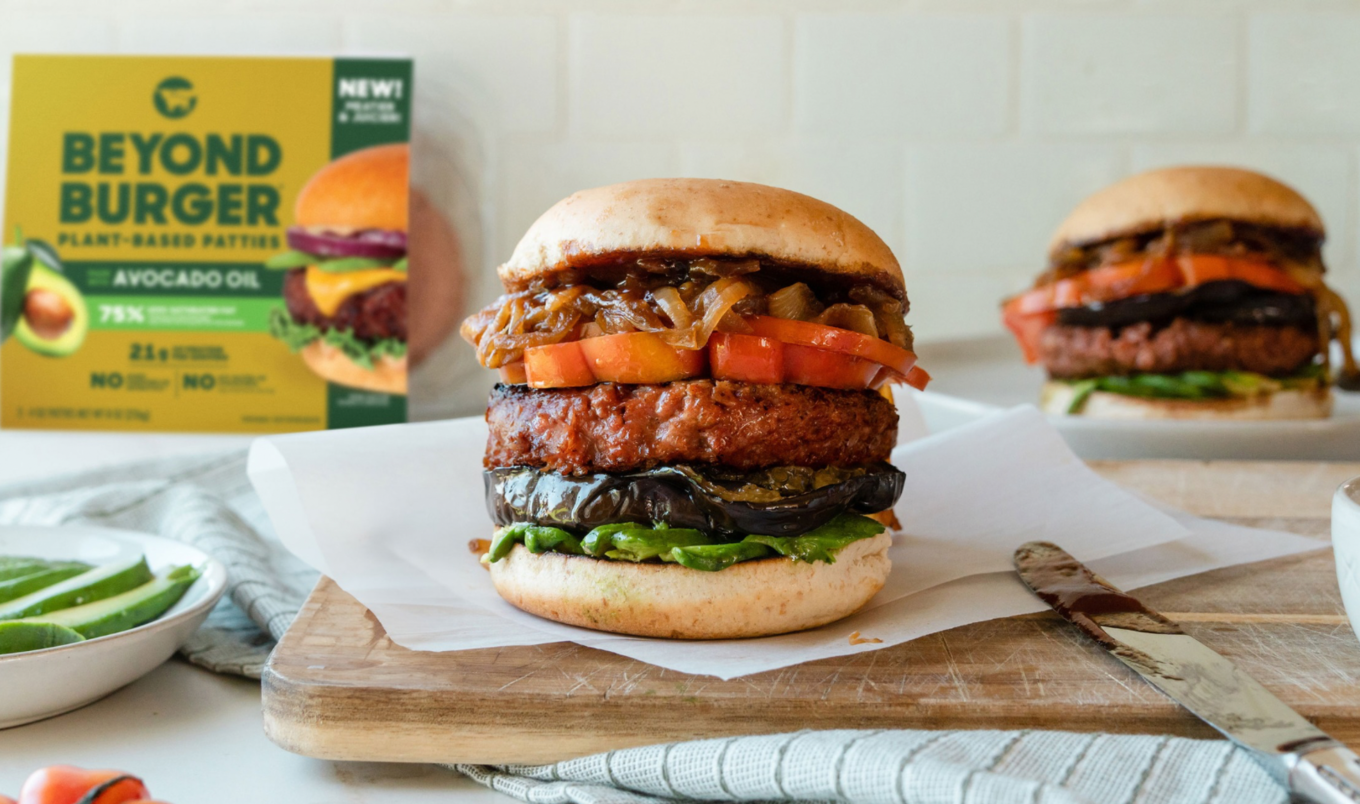
Beyond Meat’s Beyond Burger owes its meaty flavor and texture to a blend of several plant proteins. In addition to pea, lentil, and rice proteins, the vegan meat brand also relies on fava bean protein to create its signature, beefy vegan burgers.
Shop Amazon
2Field Roast
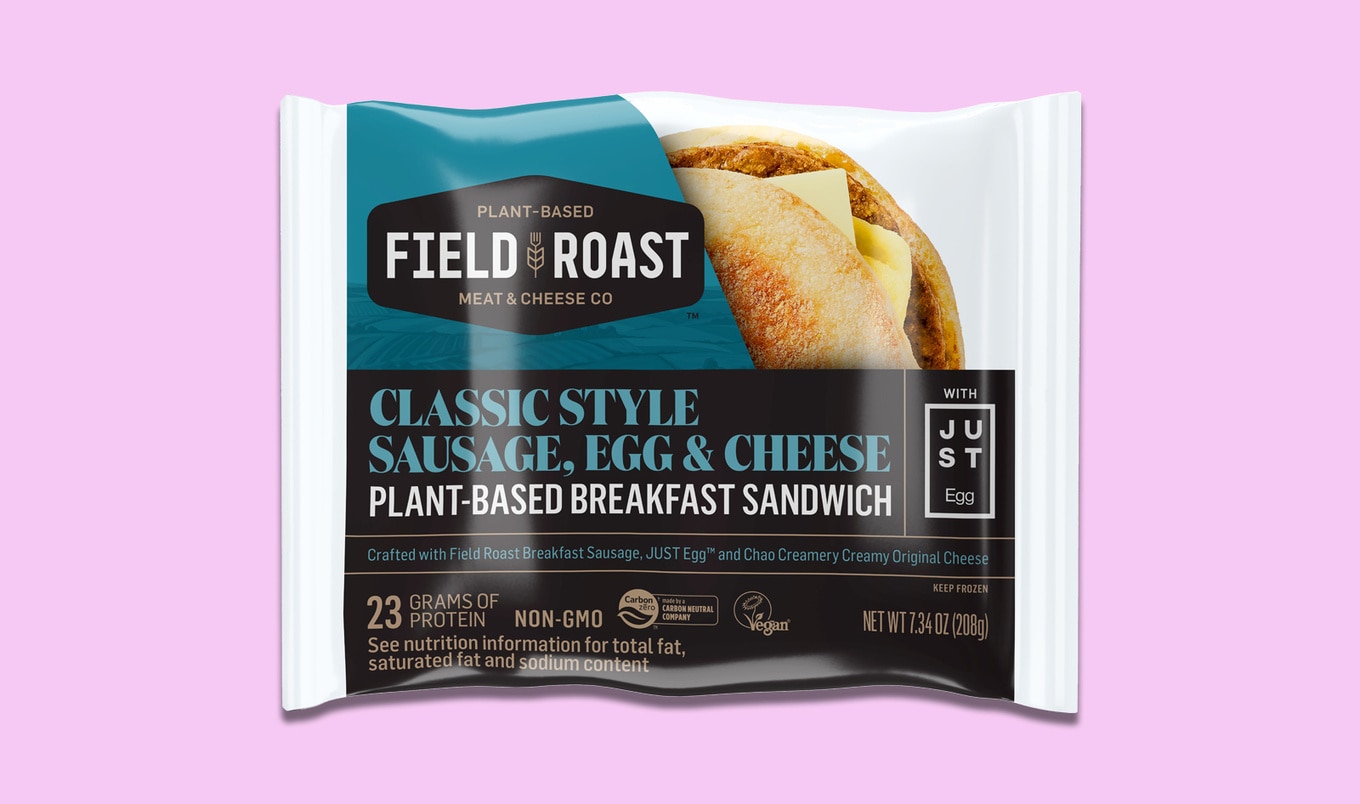
Field Roast is best known for its extensive line of vegan meats (think sausages, deli slices, crumbles, and holiday roasts) and its fan-favorite Chao Creamery brand. It’s also behind one of the tastiest frozen breakfast sandwiches on the market. Field Roast’s Classic Style Sausage, Egg, and Cheese Plant-Based Breakfast Sandwich counts fava bean protein among its ingredients. Grab a sandwich or two on your next trip to the grocery store for a quick breakfast option perfect for busy mornings.
Shop Instacart
 Ecoideas
3Ecoideas Fava
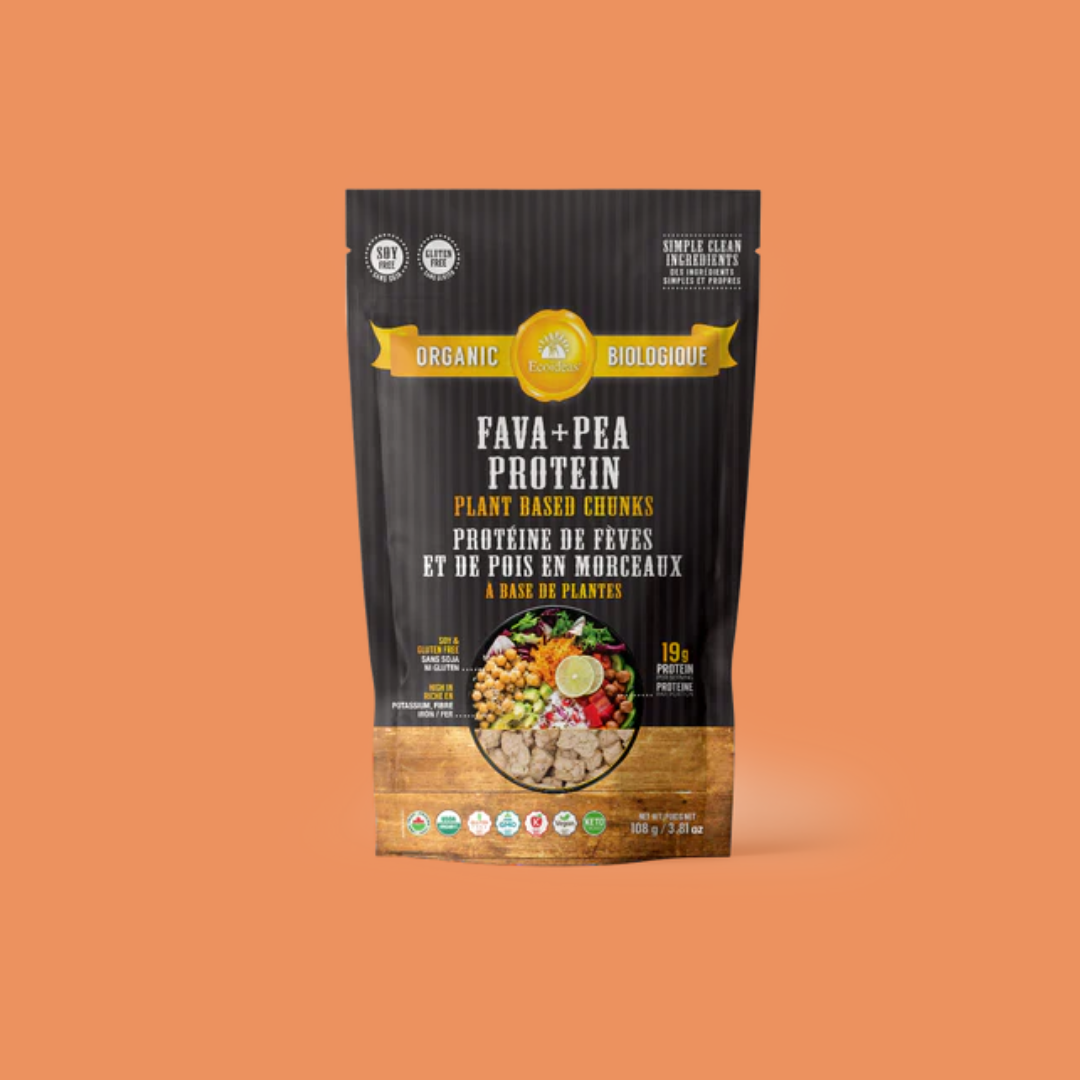
While not an entirely vegan brand, Canada-based Ecoideas churns out high-quality plant-based products. These meaty, vegan chunks owe their texture to a combination of fava beans and pea protein. With a whopping 19 grams of protein for every 36-gram serving, they make a great addition to taco bowls and stir-fries.
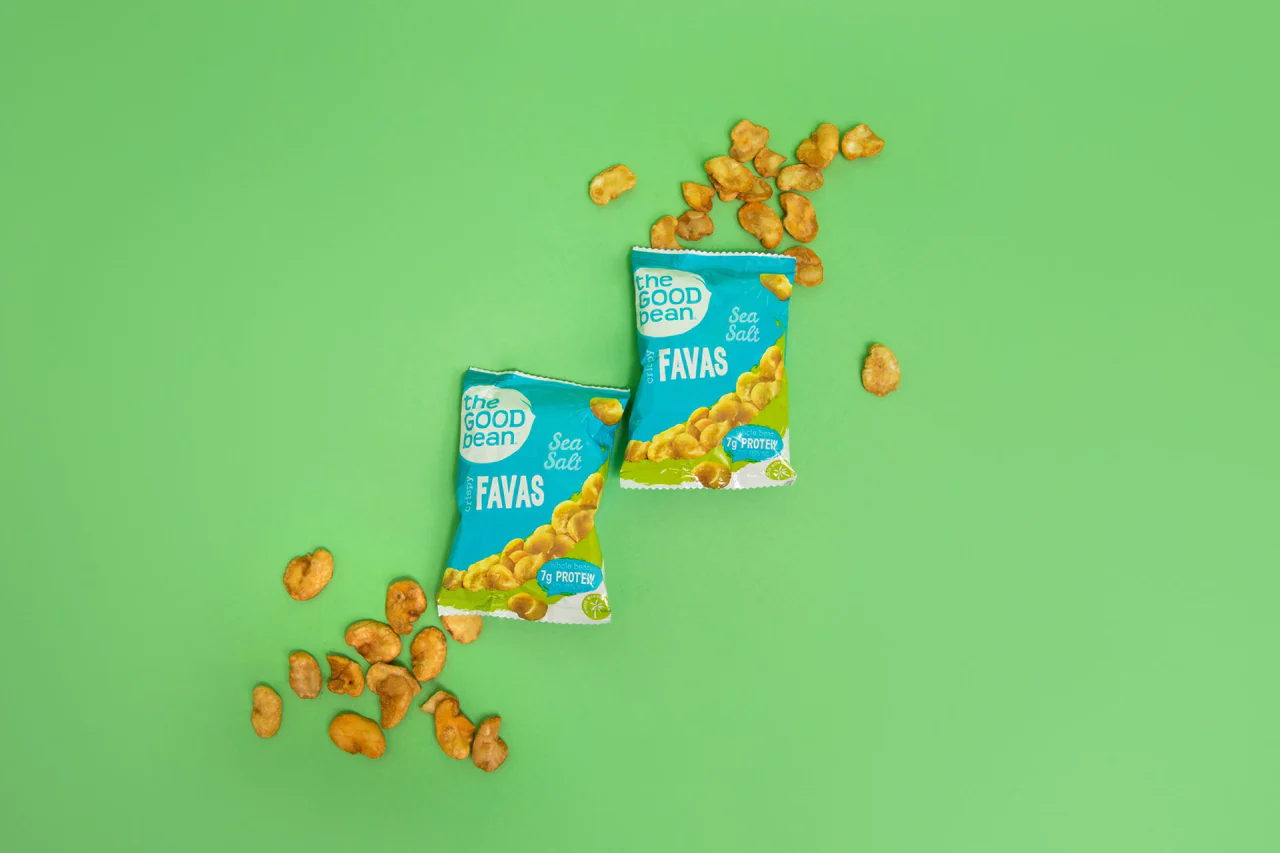 The Good Bean
4 The Good Bean
As its name suggests, The Good Bean is committed to making delicious foods using a base of beans, from chickpeas to edamame to fava. The brand’s crispy fava snacks are a healthier alternative to potato chips. They’re made simply with fava beans, sea salt, coconut oil, and safflower oil. Plus, they pack an impressive seven grams of protein per serving.
Shop Amazon
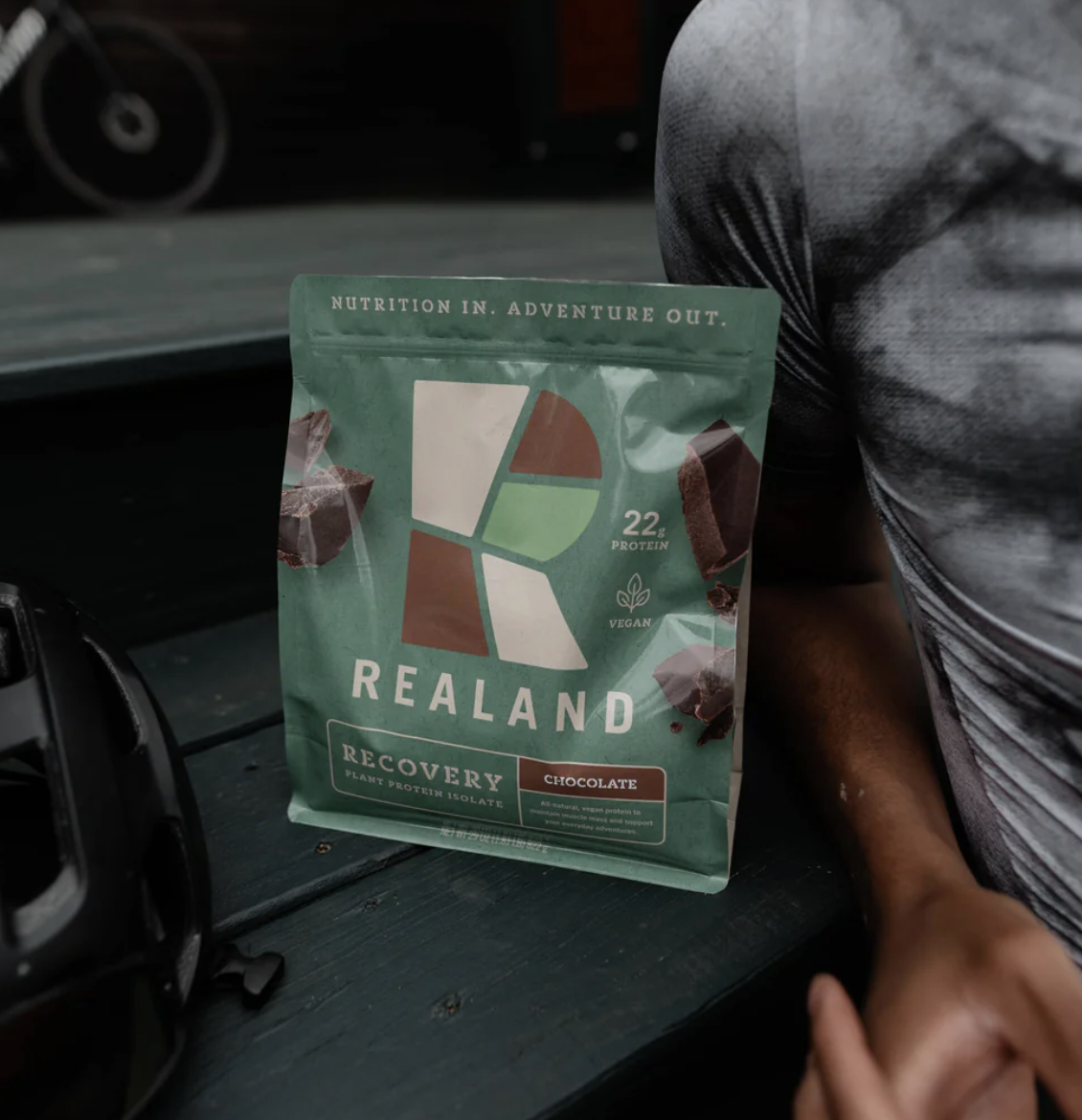 Realand
5Realand
Protein powder brand Realand is on a mission to help athletes hit their nutrition goals. While the brand isn’t entirely vegan, Realand offers a plant-based protein powder made with fava bean protein. This chocolate-flavored protein is perfect for smoothies or mixing into desserts.
Shop Amazon
How to use fava beans
If you prefer to incorporate whole fava beans into your home cooking, look to these recipes for inspiration.
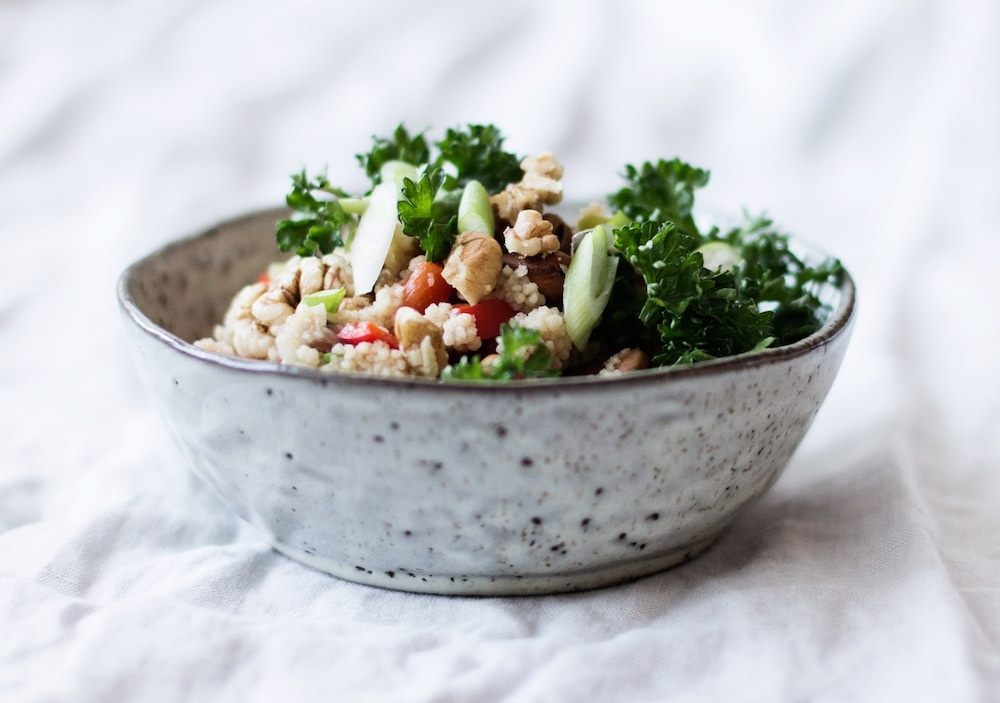
1 Moroccan Cauliflower Couscous Salad With Fava Beans
In Morocco, beans are a cuisine staple, and so is couscous, a form of semolina-based pasta. But you can make a very similar alternative to the latter with cauliflower, which is the basis of this quick, easy, and tasty salad recipe. Add a burst of extra flavor with dried apricots, red peppers, and orange dressing.
Get the recipe
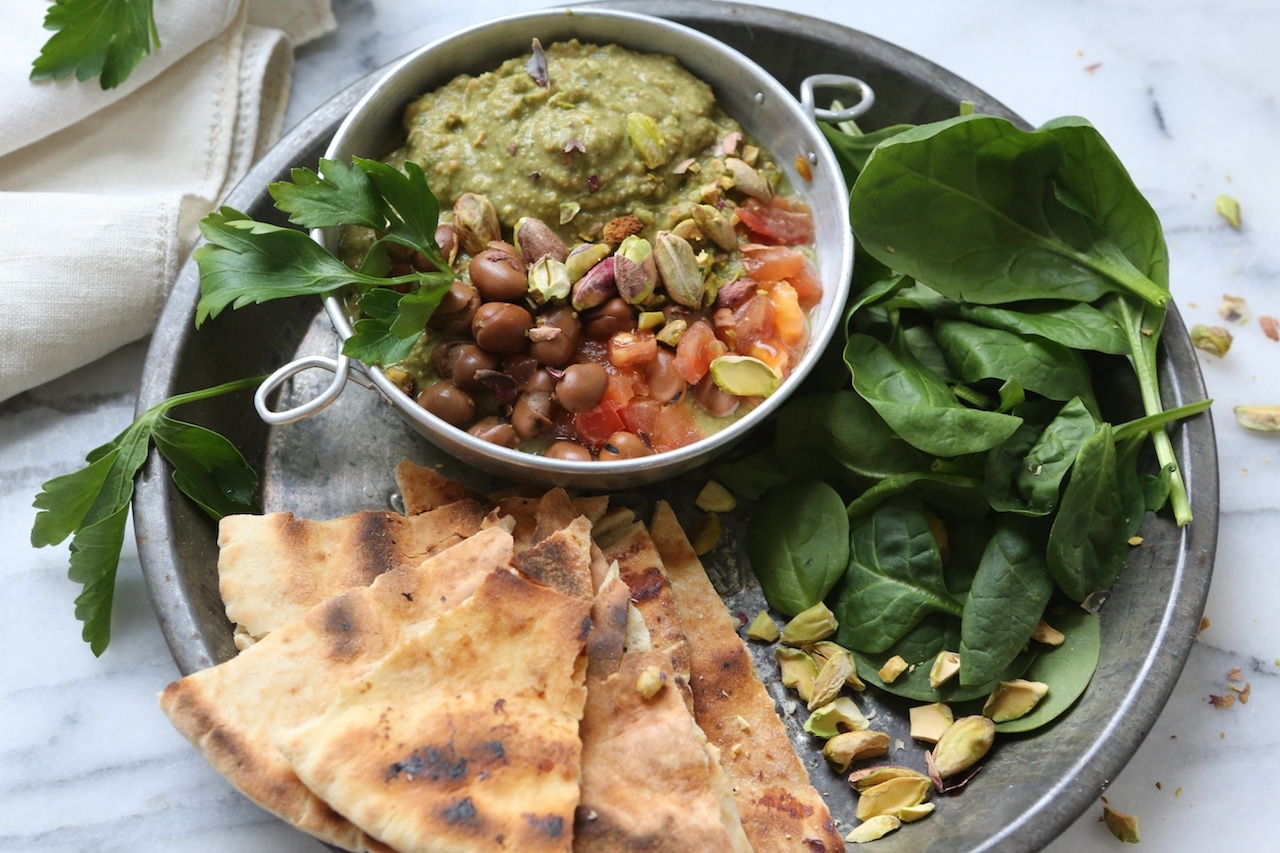
2 Fava Pistachio Hummus
Hummus, another Middle Eastern classic, is usually made with chickpeas. But you can also make the creamy, indulgent dip with fava beans too. All you need to make this recipe is half a can of fava beans, as well as pistachios, garlic, cumin, parsley, and lemon juice. And, of course, you should always serve with plenty of pita.
Get the recipe
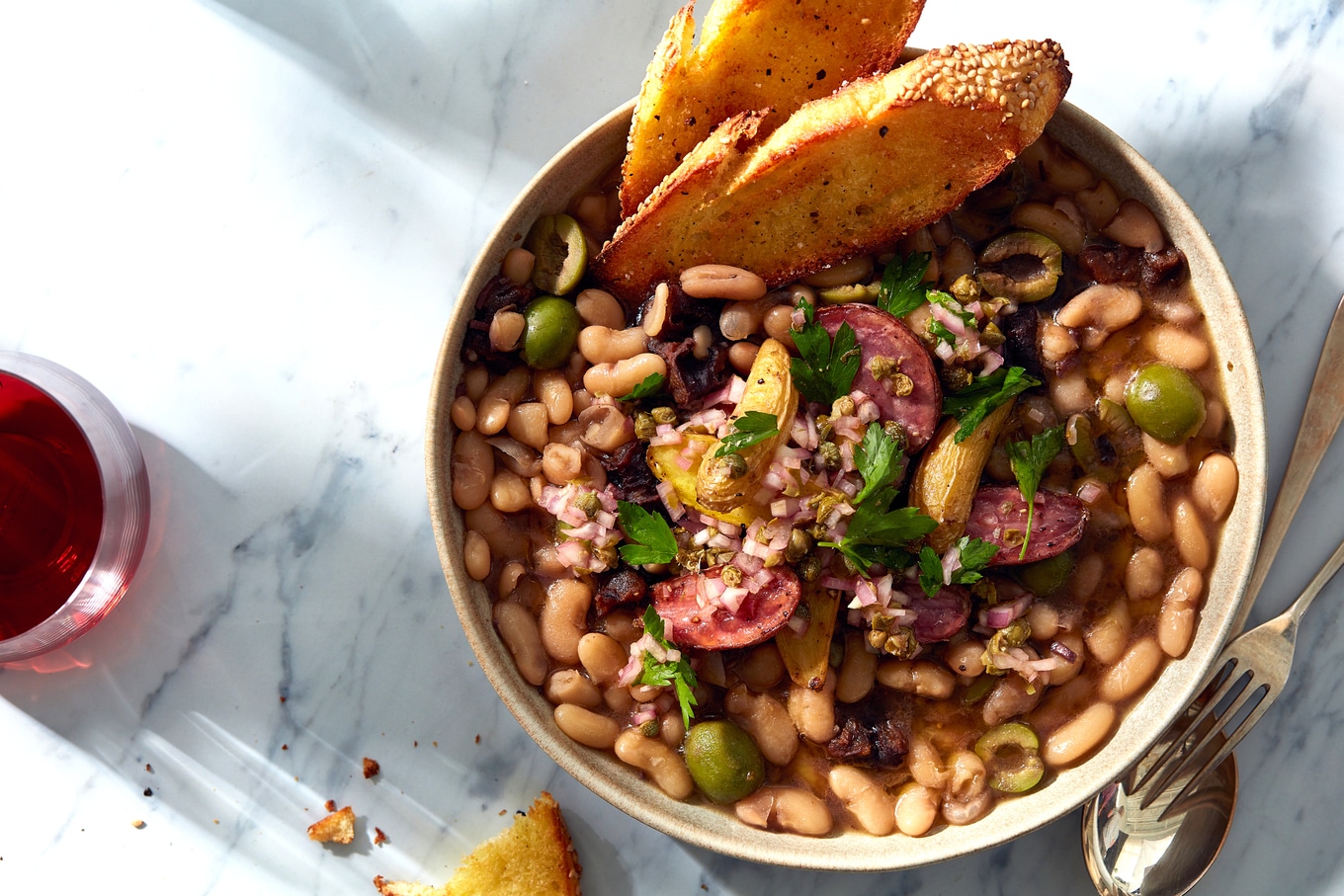 Tejal Rao and Alexa Weibel
3Herbed Beans Marbella With Roasted Potatoes
It sounds Spanish (Marbella is a place in Spain, after all), but Chicken Marbella actually comes from Manhattan in New York City. It’s a popular Jewish-American dish, but you don’t need to eat meat to enjoy it. This recipe subs meat for dried beans. And while it calls for either cannellini or great Northern beans, fava will work just as well.
Get the recipe
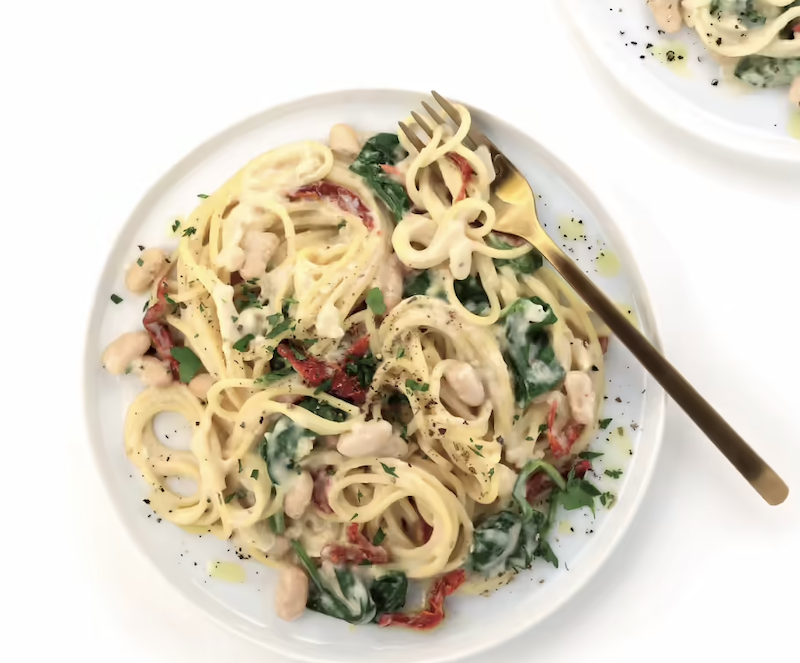 Sam Turnbull
4Garlicky Tuscan Bean Pasta With Sun-Dried Tomatoes
Transport yourself to the Tuscan countryside with this creamy pasta. This indulgent recipe features sun-dried tomatoes (an Italian favorite), as well as spinach and white beans. While the latter usually refers to beans like cannellini and haricot, fava beans will work equally well in this recipe.
Get the recipe
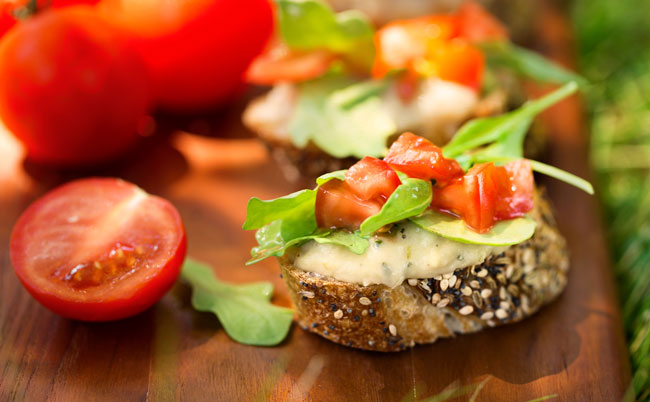 Hannah Kaminsky
5 White Bean Rosemary Bruschetta
Bruschetta, another popular Italian dish, is great for a quick lunch, a snack, or as an appetizer if you’re planning more than one course. It’s usually served with tomatoes, fresh herbs, and olive oil, but it’s also delicious with a bean spread. Swap cannellini for fava to make this creamy topping, which is guaranteed to become your new go-to.
Get the recipe
For more plant-based stories like this, read:
JUMP TO ... Latest News | Recipes | Guides | Health | Subscribe

Charlotte is a VegNews editor and writer based in sunny Southsea on England's southern coast.