If a pregnant rat is given thalidomide, a sedative and morning sickness drug, the chances are that very little will happen. The animal will likely give birth to a litter of healthy pups and go about her maternal duties of nesting and nursing without any obvious issues.
If a pregnant human is given thalidomide, however, the story is tragically different. In the human body, the drug can disrupt embryonic development, leading to severe birth defects, including limb differences.
Unfortunately, back in the 1950s, thalidomide was tested on rats, assumed to be safe, and rolled out to thousands of people across 46 countries. As a result, more than 10,000 children were born with severe birth defects.
Animal testing isn’t just unethical. It’s unreliable, too.
For many people, the most obvious problem with animal testing, of course, is that it is unethical to animals. An estimated 100 million animals, including rats, mice, guinea pigs, rabbits, dogs, and cats, are used in US research and testing each year.
During experiments, animals may be infected with diseases, deliberately blinded, force-fed, or burned, among other procedures. Many are euthanized afterward if they do not die during the experiments.
Research shows that the belief that this treatment is fundamentally wrong is not a minority view. It is, actually, increasingly mainstream.
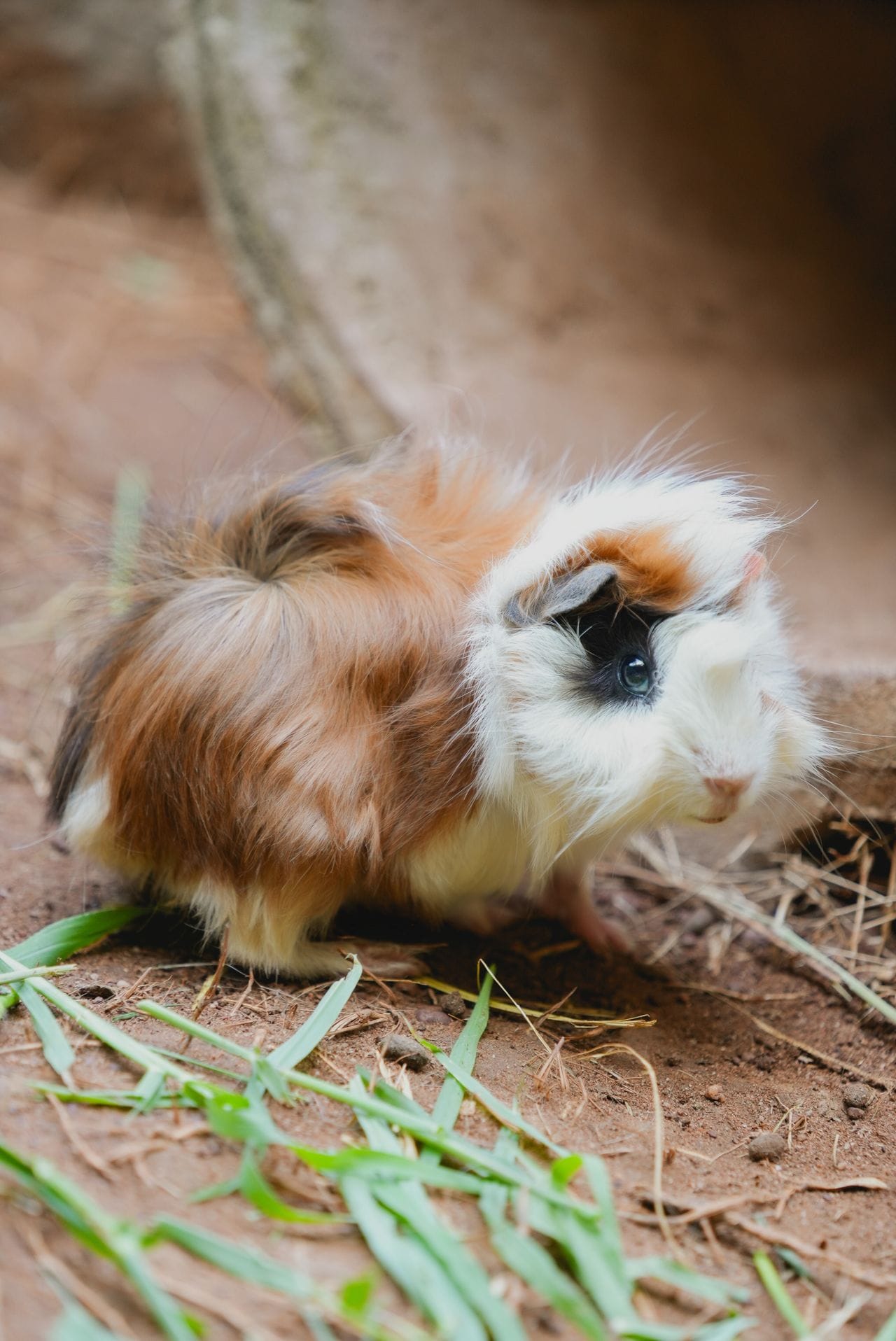 Millions of animals, including rats, mice, and guinea pigs, are used in research across the US every year.
In 2026, a Gallup poll found that nearly 50 percent of Americans believed animal testing was morally wrong. But other research estimates that percentage might be even higher. In 2024, for example, the Physicians Committee for Responsible Medicine (PCRM) conducted a poll of more than 2,200 Americans, asking whether the US government should commit to phasing out animal experiments; 80 percent either agreed or strongly agreed.
But as the thalidomide example demonstrates, using animals in medical research can also be unreliable and even pose a risk to human health. Today, more than 90 percent of drug candidates that appear safe or effective in animal studies ultimately fail during human clinical trials.
Herein lies the problem: a human is not a rat, and a guinea pig is not a human. Different species process drugs in different ways.
 Animal testing is unreliable because humans and other animals have different biologies, maintains NAVS.
“On a fundamental level, we have different biologies, different physiologies, different immune systems,” Gwen Kaminski, the vice president of advancement at the National Anti-Vivisection Society (NAVS), explains to VegNews.
It works both ways. Penicillin, which has saved around 500 million human lives since its discovery in the 1920s, can be toxic to animals commonly used in laboratories, including guinea pigs and hamsters. Had researchers depended on certain animal models, the antibiotic might have appeared too risky to pursue.
“We process drugs and other substances differently,” adds Kaminski. “So how a treatment works in another species does not necessarily predict how that will translate to humans. That is why we see the 90-plus percent failure rate.”
This is one key reason why NAVS, alongside scientific and advocacy organizations around the world, has spent nearly a century working toward a future without animal testing.
And it appears policymakers and researchers have been listening. “The future that NAVS has been working toward for nearly a century is no longer hypothetical,” says Kaminski.
“We are seeing extraordinary progress in our movement,” she continues. “We’re seeing scientists developing the technologies that can replace animal testing, we’re seeing policymakers creating pathways to validate the use of those technologies, and we’re seeing public sentiment shifting in real time.”
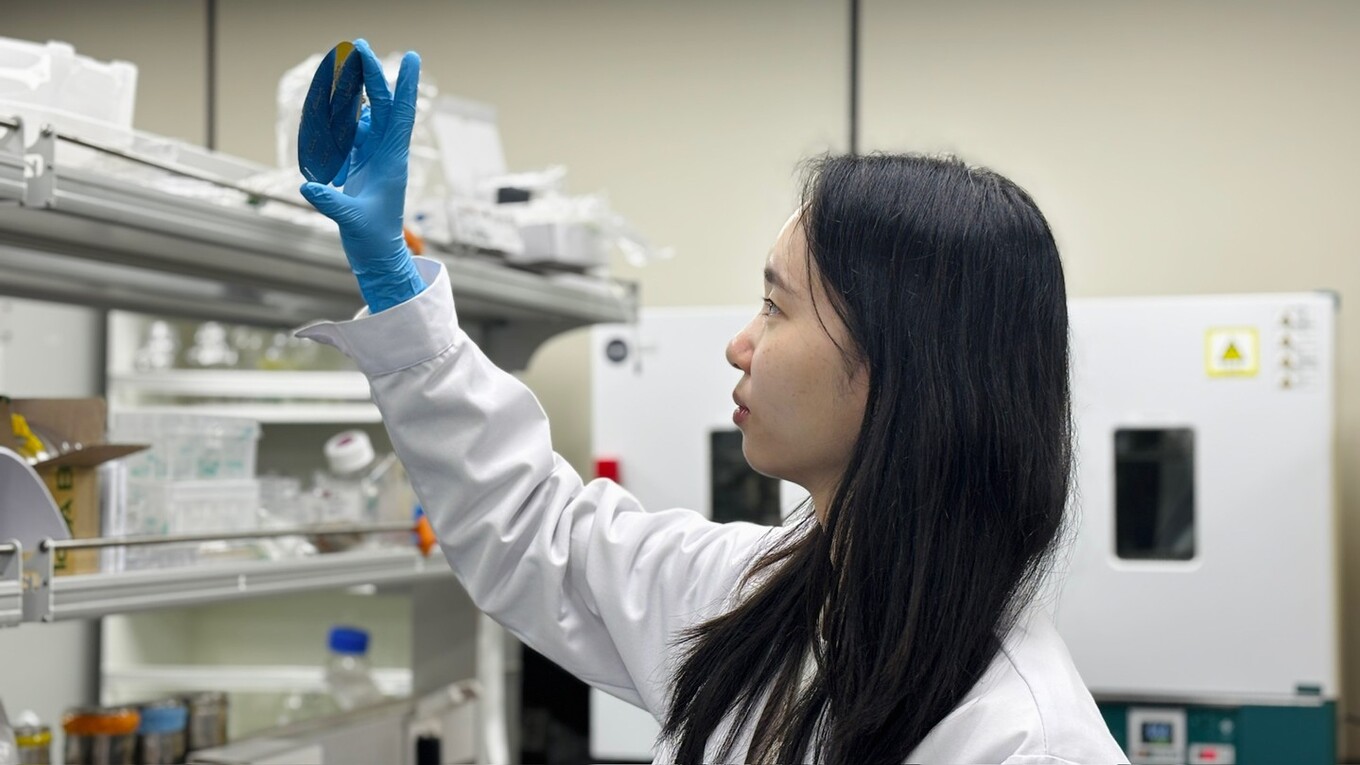 Animal-free research methods are often more reliable because they reflect human biology. | NAVS
The future of research is animal-free, and it’s closer than you think
In 2022, a new law removed the blanket federal requirement for every new drug to undergo animal testing. In 2025, the Food and Drug Administration released its Roadmap to Reducing Animal Testing in Preclinical Safety Studies, which called for accelerating the adoption of “human-relevant methods.”
NAVS has funded the development of alternative technologies for decades. Last year, with support from the organization, University of Maryland bioengineering doctoral student Ian Smith developed a device designed to help medical professionals understand how specific cancers may respond to different treatments.
“Federal agencies are making unprecedented commitments to move away from animal testing to reduce the use of animals in research, and ultimately eliminate it,” says Kaminski. “Everyone from the FDA to the NIH to the EPA is making unprecedented shifts.”
As anyone who has experienced cancer treatment, or been close to someone going through it, will know, it can be grueling. Sometimes, the side effects of chemotherapy can feel almost as brutal and debilitating as the disease itself. But this may not always be the reality.
Smith’s device, known as a tumor-on-a-chip, could help doctors identify harmful and ineffective drug interventions before prescribing them to patients.
Another promising non-animal approach? Organoids. No, they’re not creatures from outer space—they are tiny, three-dimensional cell structures that mimic aspects of human organs and are grown in labs for research purposes.
And then there’s machine learning and artificial intelligence, which can help researchers find new treatments in many ways, including by analyzing vast amounts of data that would take humans years.

At the Massachusetts Institute of Technology in Cambridge, for example, artificial intelligence has helped experts discover new compounds to tackle increasingly drug-resistant infections such as gonorrhea, MRSA, and Mycobacterium tuberculosis (the bacterium that causes tuberculosis).
These methods differ, but they share key similarities. Firstly, they don’t require animal mutilation. And secondly? “They reflect human biology,” says Kaminski. “What we’re seeing is that they are already proving more effective in making progress toward the treatments and cures that have eluded us for decades, as a result of the reliance on animal testing,” she added.
For situations in which researchers still require data from animal studies, the FDA has created AnimalGAN. The AI software draws on historical animal-testing data to predict how animals might react to new chemicals.
“A future without animal testing includes more effective science that is not only more compassionate toward animals but ultimately better for human health,” says Kaminski
So, what happens to the lab animals in an animal-testing-free world?
For NAVS, creating an animal-testing-free future involves educating the public, campaigning for policy change, and funding research, as well as supporting the animals themselves.
“We have always recognized that we’re not going to change science with just one technology or one law,” adds Kaminski. “We really have to change the whole ecosystem.”
Moving toward a world without animal testing could benefit modern medicine and human health. Crucially, however, the transition must also involve caring for animals after they leave laboratories. While many will die, more and more animals are being released, too.
“Currently, 17 states have post-research adoption laws in place,” explains Kaminski. “There are sanctuaries and rescues, working boots on the ground across the country, to provide transportation, rehabilitation, care, and support for adoption into new homes.” She adds that “as the system continues to evolve, that need will only continue to grow.”
 NAVS is ensuring that as many research animals as possible find their happy ending. | NAVS
NAVS regularly collaborates with the Beagle Freedom Project—the world’s leading organization for rescuing lab animals—and has recently begun partnering with Big Dog Ranch Rescue, the largest cage-free, no-kill dog rescue in the US.
This past summer, more than 2,000 beagles were released from Ridglan Farms, a research facility in Wisconsin. NAVS provided a grant to transport the final 155 to a sanctuary in Florida.
“We’re working on both ends of the equation,” says Kaminski. “We’re working to change the science to ensure no animals are used in the first place, but we can’t forget about those who are already in the system. We have to provide for their safety today, as well.”
Ultimately, a world without animal testing benefits everyone
Through its multipronged approach, NAVS is working to prove that a future without animal testing isn’t just more compassionate; it’s more progressive, too.
“No matter what your entry point is to this issue, whether you care about animals, about better medicine, more effective technology, or how taxpayer dollars are being spent,” notes Kaminski. “A world without animal testing can benefit all of us.”
That world is not here yet, but it is closer than ever. In 2025, the US Department of Agriculture’s Animal Use Statistics reported a modest but significant decline in the number of animals used in laboratories nationwide.
It’s key now to keep building momentum. But that doesn’t just require action from policymakers and researchers, but also from us.
“To help, people can partner with organizations like NAVS and our peers working in the movement toward more humane science,” says Kaminski. “Become educated on the issues. We have an advocacy center on our website where people can take action on state and federal laws and policies that help accelerate those transitions.”
“The most exciting part is that the future that is coming about is not creating a choice between compassion for animals and better science,” she adds. “The same technologies that can spare animals from suffering can also save human lives.”
Thank you to NAVS for partnering with VegNews on this story.
For more plant-based stories like this, read:
JUMP TO ... Latest News | Recipes | Guides | Health | Subscribe

Charlotte is a VegNews editor and writer based in sunny Southsea on England's southern coast.